


of

Hashimoto’s thyroid

tiroide-di-Hashimoto

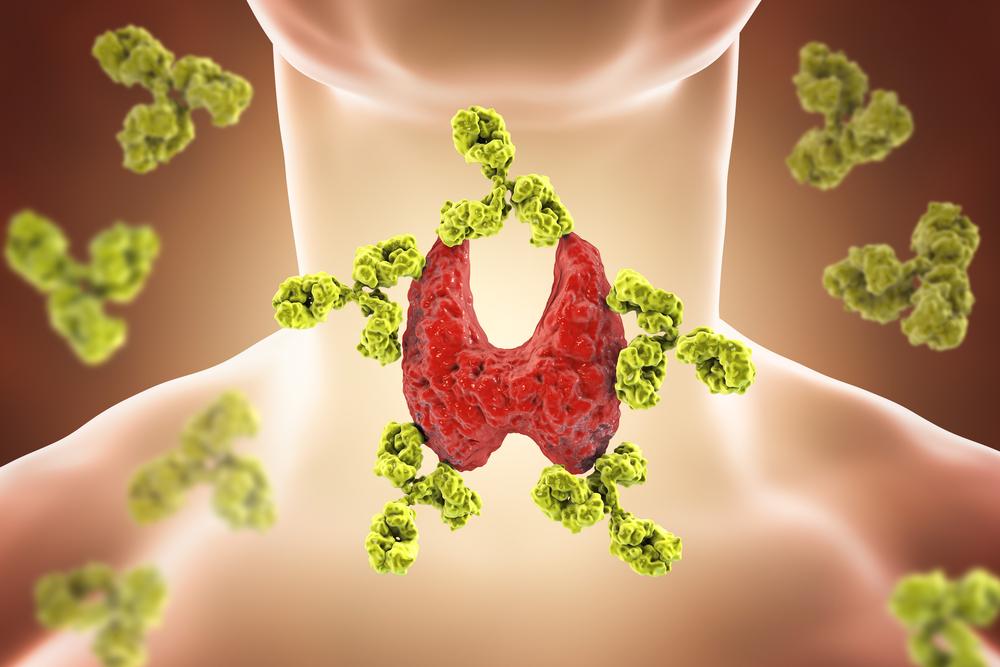
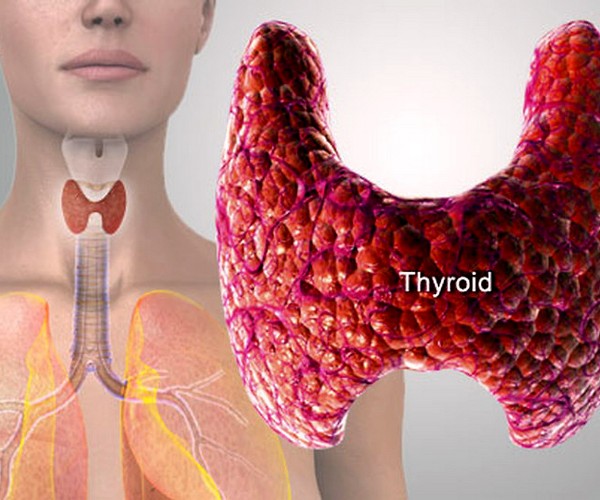
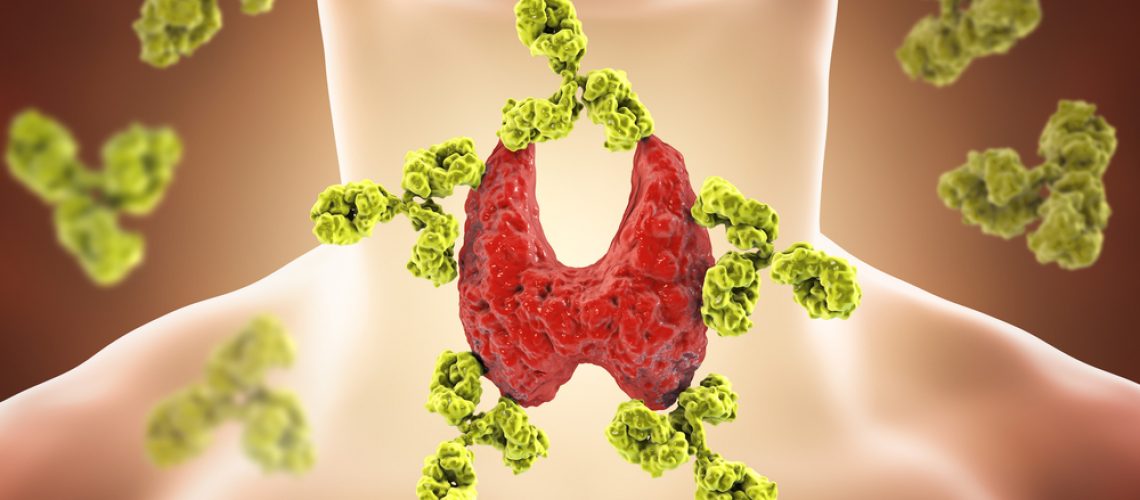
Hashimoto’s thyroiditis is an autoimmune disease that affects the thyroid gland, causing it to become chronically inflamed and gradually degenerate and lose function, resulting in the development of hypothyroidism (a condition characterized by insufficient thyroid hormone production and related metabolic imbalance).

Hashimoto’s thyroiditis is the leading cause of hypothyroidism in adult women, with peak onset between the ages of 40 and 50, being almost endemic in some geographical areas.
Men can also be affected by Hashimoto’s thyroiditis, but less frequently, similar to other autoimmune diseases.


FEATURED SPECIALISTS

RELATED ARTICLES

Always thirsty? It may depend on.

In general, almost all of us tend to drink too little, or because we do not pay due attention to the thirst stimulus or because we postpone the satisfaction of

Growing old is also this.

Physical energies inevitably drop and so does the readiness of reflexes and efficiency in learning and retaining new information. One may already feel tired when waking up or down in

Hyperprolactinemia: what to do?

Prolactin (PRL) is a hormone, normally produced by the pituitary gland, whose function is to stimulate milk production in pregnant women and to prevent further pregnancy during the early stages

How to best manage diabetes

Healthy and balanced diet , low in simple sugars and with caloric intake compatible with the weight to be maintained or reduced; regular physical activity, without excess; proper daily intake

Goiter: what it is and how to treat it

The term goiter refers to the increased volume of the thyroid gland, the butterfly-shaped gland located at the base of the neck. The thyroid gland is a gland that controls

Basedow’s disease: what is it?

Basedow-Graves disease is an autoimmune disease, in which the immune system recognizes the thyroid gland as foreign to the body and attacks it by producing antibodies against TSH-receptor antibodies (TRAb)

RELATED PATHOLOGIES

Basedow’s disease

Basedow’s disease, also known as Basedow-Graves disease, is an autoimmune disease that affects the thyroid gland and results in the typical symptoms of hyperthyroidism, ophthalmopathy/exophthalmos, and dermopathy. Basedow’s disease can

Metabolic syndrome

Metabolic syndrome is not really a disease, but a complex condition defined by the simultaneous presence of known cardiovascular risk factors such as obesity (especially of the “central” type, i.e.,

Diabetic foot

Diabetic foot is a complex condition that develops as a complication of advanced uncontrolled diabetes and is the leading cause of nontraumatic amputation in the Western adult population. Very prevalent

Hyperprolactinemia

Hyperprolactinemia corresponds to a condition determined by the excessive production of the hormone prolactin by the pituitary gland (a small neuroendocrine gland found in the center of the brain that

Diabetes and hypoglycemic syndromes

Diabetes or, more precisely, “diabetes mellitus” is a complex metabolic disease in which there is an increase in blood glucose levels (hyperglycemia) resulting from insufficient insulin production by the Langerhans

Dyspareunia

Dyspareunia is defined as persistent genital pain that occurs in women shortly before or during intercourse and sometimes still present after intercourse has ended. Painful intercourse can occur for reasons

Pituitary tumor

Tumors of the Hypophysis (or pituitary gland) are a group of predominantly benign neoplasms affecting a small structure located in the center of the brain, posterior to the root of

Hashimoto’s thyroid

Hashimoto’s thyroiditis is an autoimmune disease that affects the thyroid gland, causing it to become chronically inflamed and gradually degenerate and lose function, resulting in the development of hypothyroidism (a

Hirsutism and virilization

Hirsutism is a condition that primarily affects women and consists of the growth of dark hairs in skin areas in which significant hair is normally present only in adult men,

Hypothyroidism

Hypothyroidism is a condition brought about by the insufficient production of thyroid hormones, tetraiodothyronine or thyroxine (T4) and tridothyronine (T3), by the thyroid gland, resulting in reduced overall metabolic efficiency

FEATURED SPECIALISTS

prenota il tuo viedeoconsulto in convenzione

Completa il form e sarai contatto dal personale medico specializzato

your advertising
exclusively ON
MY SPECIAL DOCTOR

complete the form and you will be contacted by one of our managers