

of

Diabetic emergencies

diabete

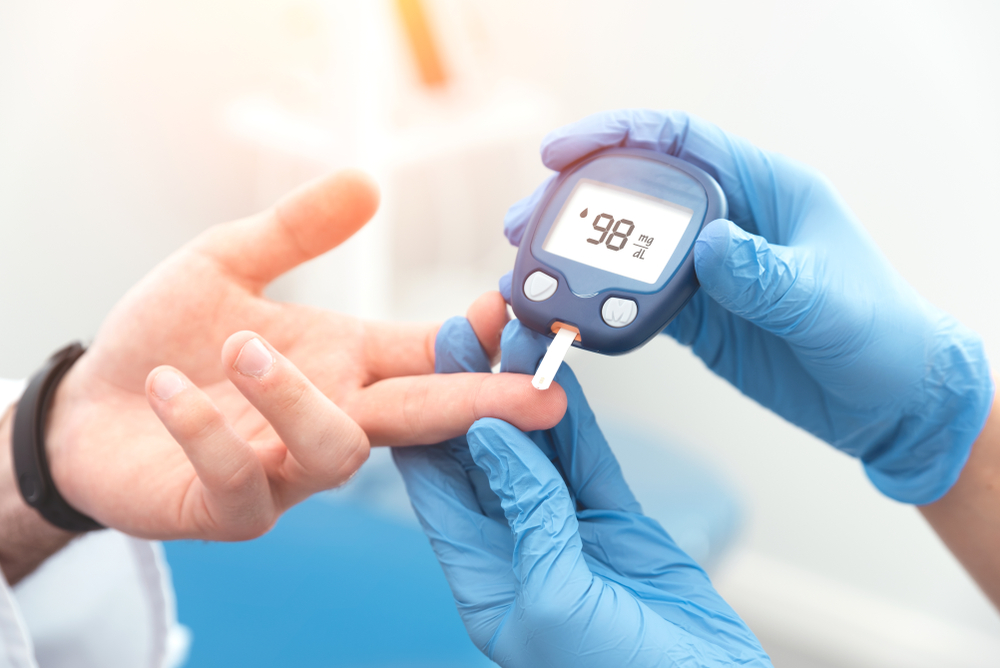
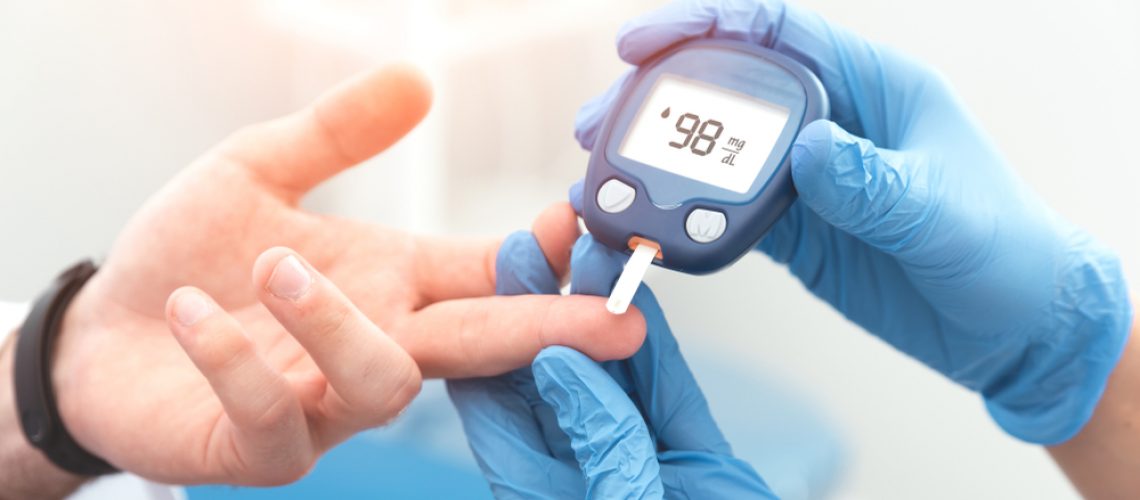
Diabetes is a condition in which insulin, which helps the body harness the energy within food, is absent. Excessive insulin concentration causes insulin or hyperglycemic shock. Excessive sugar contraction together with an insufficient amount of insulin, on the other hand, can lead to diabetic coma or hyperglycemia.

In case of hypoglycemia, a emergency response. In case of hyperglycemia, Instead, the following symptoms occur: drowsiness, extreme thirst, skin redness, vomiting, heavy breathing and possible loss of the consciousness.

What do?

  1. If you are unsure about the presence of hypoglycemia or hyperglycemia, only sugar-free foods or drinks should be given.
  2. Administer fluids.
  3. If the person in question does not feel better in 15 minutes, arrange for hospitalization.

Source: Mediserve‘s Pocket Guide to First Aid.

FEATURED SPECIALISTS

  • Profile picture of Dr. Giuseppe Panico
    active 5 years, 7 months ago

    Dermatologists, Basic Doctors

    • Viale Prassilla 41 - Roma
    phone
  • Profile picture of Dr. Fabio Fabi
    active 5 years, 7 months ago

    Sports Doctors, Internist, Basic Doctors

    • Via Sarsina 147 - Roma
    phone
  • Profile picture of Dott.ssa Ilaria Berto
    active 5 years, 7 months ago

    Basic Doctors, Acupuncturists, Aesthetic Doctors

    • Via Antonio Corradini 1 - Este
    phone
  • Profile picture of Dott.ssa Izabella Sylwia Bartosiewicz
    active 5 years, 7 months ago

    Basic Doctors, Rheumatologists

    phone
  • Profile picture of Dott. Franco Cicerchia
    active 5 years, 7 months ago

    Ophthalmologists, Acupuncturists, Basic Doctors

    • Via Alcide de Gasperi 39 - Palestrina
    phone

RELATED ARTICLES

New method for aortic valve replacement

New method to perform aortic valve replacement proves effective in high-risk patients. The findings may increase less invasive treatment options for patients with life-threatening heart disease. A new, less invasive

Neurodevelopmental disorders and autism

As we know, neurodevelopmental disorders are increasing dramatically, and we find ourselves every day, both as professionals in the field and as people, considering all the clinical and human implications.

Dental caries: what are they?

Dental caries, ( from Latin caries, “corrosion, putrefaction”) is one of the most prevalent and common degenerative diseases in dentistry. This is a degenerative process that damages the hard tissues

RELATED PATHOLOGIES

Pituitary tumor

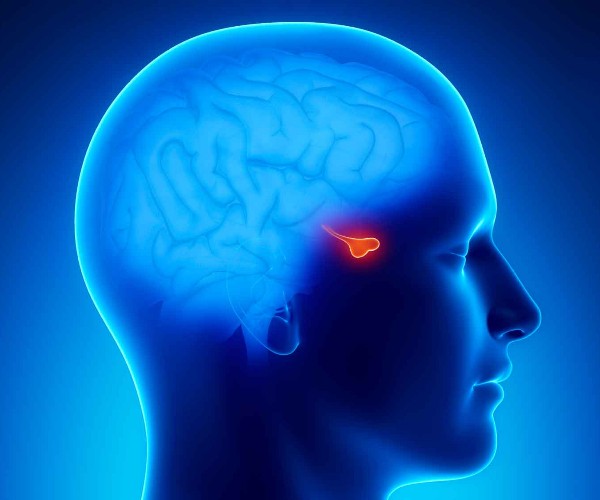
Tumors of the Hypophysis (or pituitary gland) are a group of predominantly benign neoplasms affecting a small structure located in the center of the brain, posterior to the root of

Diabetic foot

Diabetic foot is a complex condition that develops as a complication of advanced uncontrolled diabetes and is the leading cause of nontraumatic amputation in the Western adult population. Very prevalent

Dyspareunia

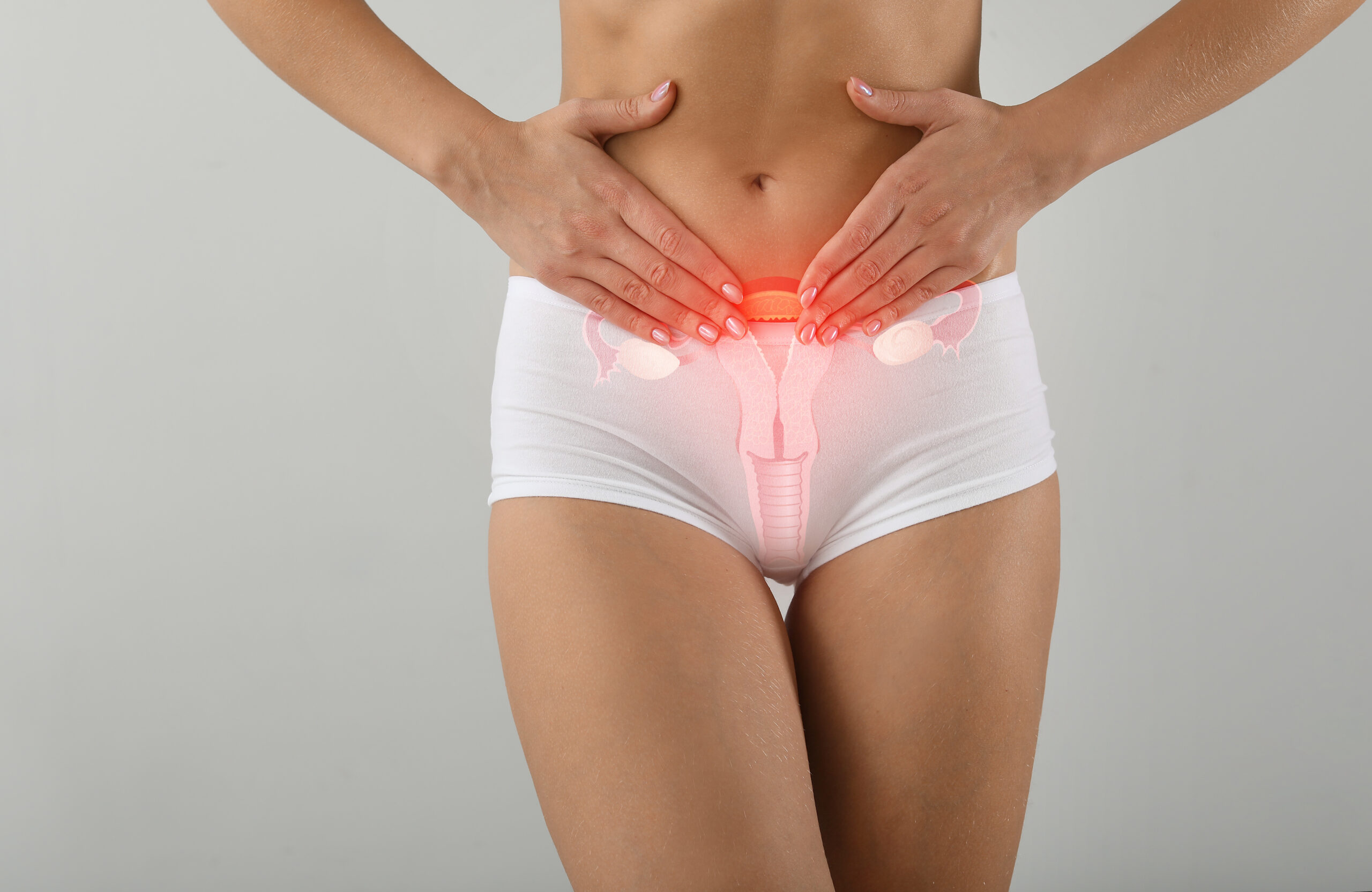
Dyspareunia is defined as persistent genital pain that occurs in women shortly before or during intercourse and sometimes still present after intercourse has ended. Painful intercourse can occur for reasons

Hirsutism and virilization

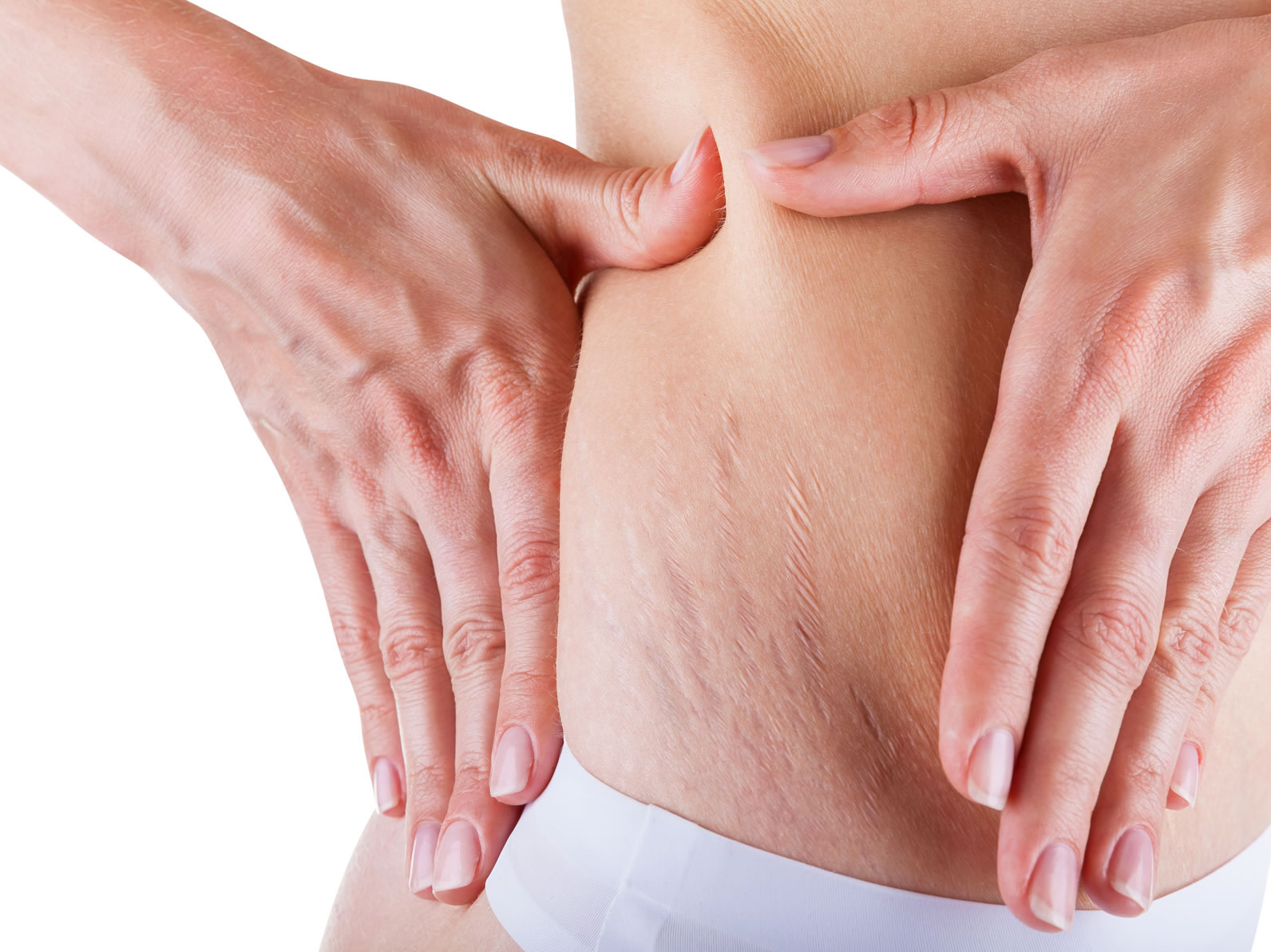
Hirsutism is a condition that primarily affects women and consists of the growth of dark hairs in skin areas in which significant hair is normally present only in adult men,

Metabolic syndrome

Metabolic syndrome is not really a disease, but a complex condition defined by the simultaneous presence of known cardiovascular risk factors such as obesity (especially of the “central” type, i.e.,

Hashimoto’s thyroid

Hashimoto’s thyroiditis is an autoimmune disease that affects the thyroid gland, causing it to become chronically inflamed and gradually degenerate and lose function, resulting in the development of hypothyroidism (a

Cushing’s disease

“Disease” or “Cushing’s syndrome,” sometimes referred to as “hypercortisolism,” is a condition characterized by a variable set of characteristic symptoms induced by the body’s exposure to excessive levels of glucocorticoids

Overweight and obesity

Far from being a mere cosmetic problem, overweight and obesity are an established risk factor for the development of number of metabolic (foremost among them diabetes), acute cardiovascular (such as

Hyperprolactinemia

Hyperprolactinemia corresponds to a condition determined by the excessive production of the hormone prolactin by the pituitary gland (a small neuroendocrine gland found in the center of the brain that

Basedow’s disease

Basedow’s disease, also known as Basedow-Graves disease, is an autoimmune disease that affects the thyroid gland and results in the typical symptoms of hyperthyroidism, ophthalmopathy/exophthalmos, and dermopathy. Basedow’s disease can

FEATURED SPECIALISTS

  • Profile picture of Dr. Lucia Catalano
    active 5 years, 7 months ago

    Gynecologists, Senologists, Basic Doctors

    • Via Belluno 1 - Roma
    phone
  • Profile picture of Dott. Sandro Morganti
    active 5 years, 7 months ago

    Orthopedists, Basic Doctors, Osteopaths

    • Via Foligno 6 - Roma
    phone
  • Profile picture of Dott. Cristiano Crisafulli
    active 5 years, 7 months ago

    Diabetologist, Basic Doctors, Internist

    • Via Vittorio Emanuele II 181 - Acireale
    phone
  • Profile picture of Dr. Squillante Gianni Erminio
    active 5 years, 7 months ago

    Acupuncturists, Homeopathic Medicine, Basic Doctors

    • Via Monterotondo 14 - Roma
    phone
  • Profile picture of Dr. Domenico D'Angelo
    active 5 years, 7 months ago

    Otolaryngologists, Basic Doctors, Competent Doctor

    • Via Pola 5 - San Prisco
    phone

prenota il tuo viedeoconsulto in convenzione

Completa il form e sarai contatto dal personale medico specializzato

your advertising
exclusively ON
MY SPECIAL DOCTOR

complete the form and you will be contacted by one of our managers