


of

Hyperhidrosis, when hands and feet sweat too much

Liperidrosi-quando-mani-e-piedi-sudano-troppo

Excessive and abnormal sweating not attributable to exercise or heat is called hyperhidrosis.

In some cases, the hands may sweat so much that they wet clothing or drip, causing problems with daily activities and creating situations of great concern and embarrassment at the relational level up to a condition of social anxiety and consequent isolation of those suffering from the disorder.

Sweating is the body’s system for lowering the temperature when it is too high. The nervous system regulates the sweat glands according to temperature, and they produce more sweat if the temperature rises but also if a nervous condition is present.

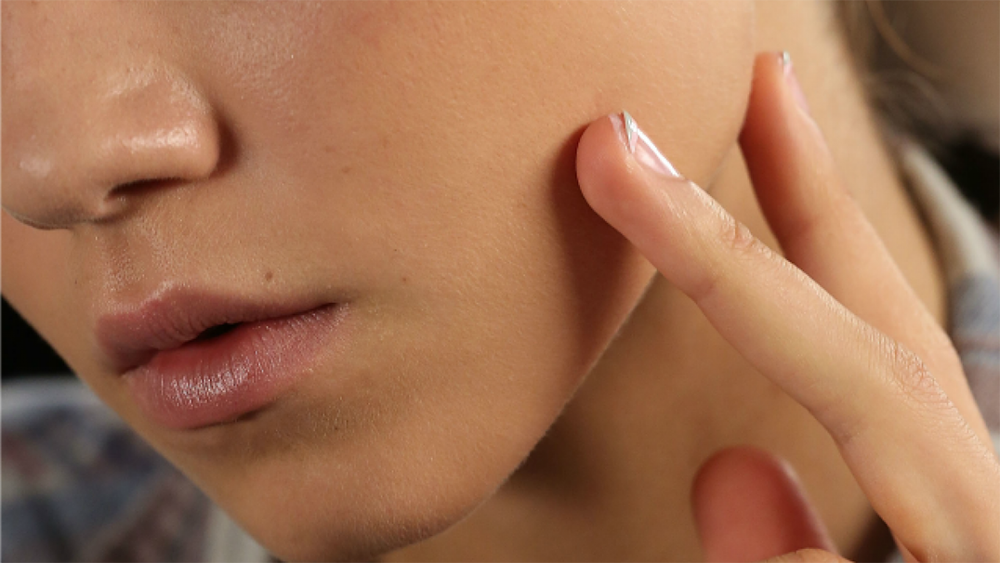
The most common form of hyperhidrosis is called primary hyperhidrosis, an essential disorder, not attributable to a specific medical cause, in which there is a state of nervous overactivity that affects the sweat glands even when no physical activity is being performed and the temperature is stable. Stress is a worsening factor in the disorder, which can affect the hands, feet and sometimes the face.

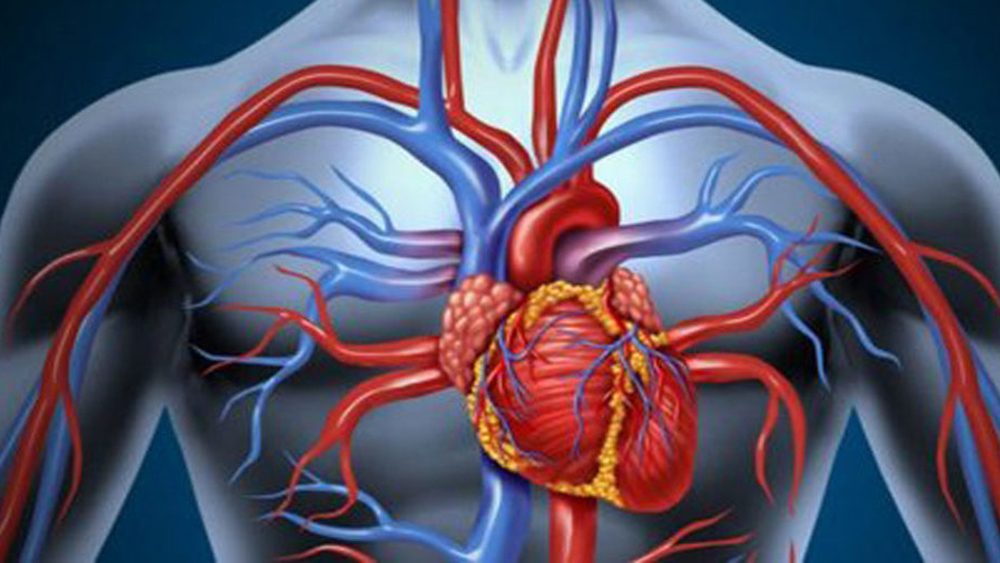
On the other hand, when a medical cause is present, it is called secondary hyperhidrosis, as in some diseases or physical conditions such as: diabetes, thyroiditis, menopausal disorders, heart disease, hypoglycemia, infections, diseases of the nervous system, and neoplasms.

Hyperhidrosis can promote the onset of other medical problems such as skin infections due to the action of sweat on the dermis, but it can also lead to other types of problems such as emotional and social discomfort, since sufferers are exposed to situations of severe embarrassment in extending a hand wet with sweat and feeling observed and judged, as well as risking not being able to pursue their life and work goals by being isolated in the social context.

Normal sweating is manifested during the performance of various physical activities or sports, or in particularly hot weather, or under conditions of high tension and stress, while with hyperhidrosis sweating occurs not necessarily because of the above conditions, but extends to the hands, feet, face, and armpits throughout the day and profusely.

Excessive sweating is a sign that reveals a serious physical condition and emotional distress, good elements to consult the doctor to get to the bottom of the problem, to treat the symptom but also to trace back to possible clinical causes that lead to it.
If then with excessive sweating comes other symptoms such as, nausea, dizziness and lightheadedness, or pain in the chest area, or even episodes of excessive sweating at night several possible causes should be investigated that should not be underestimated.

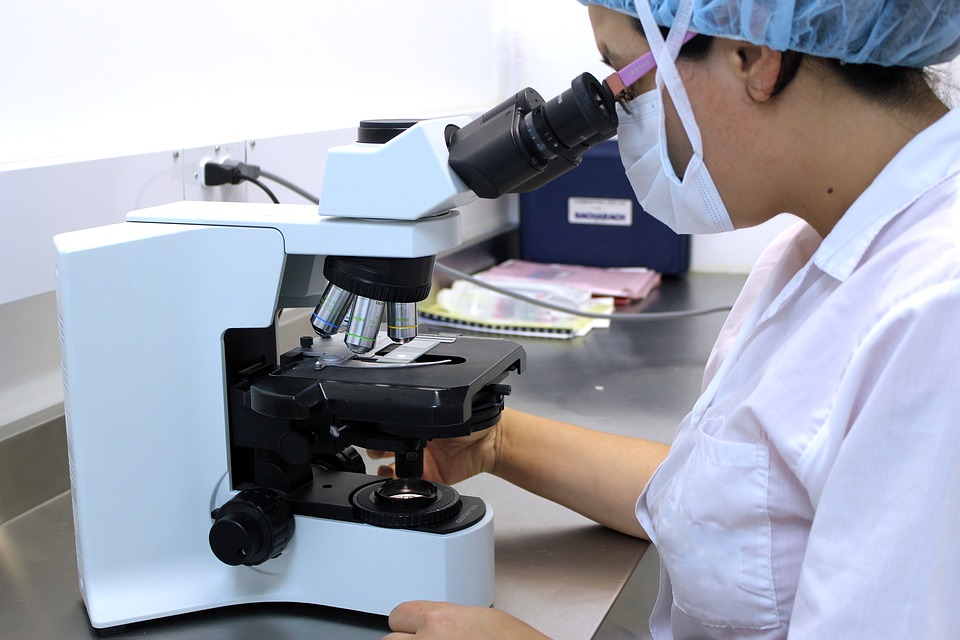
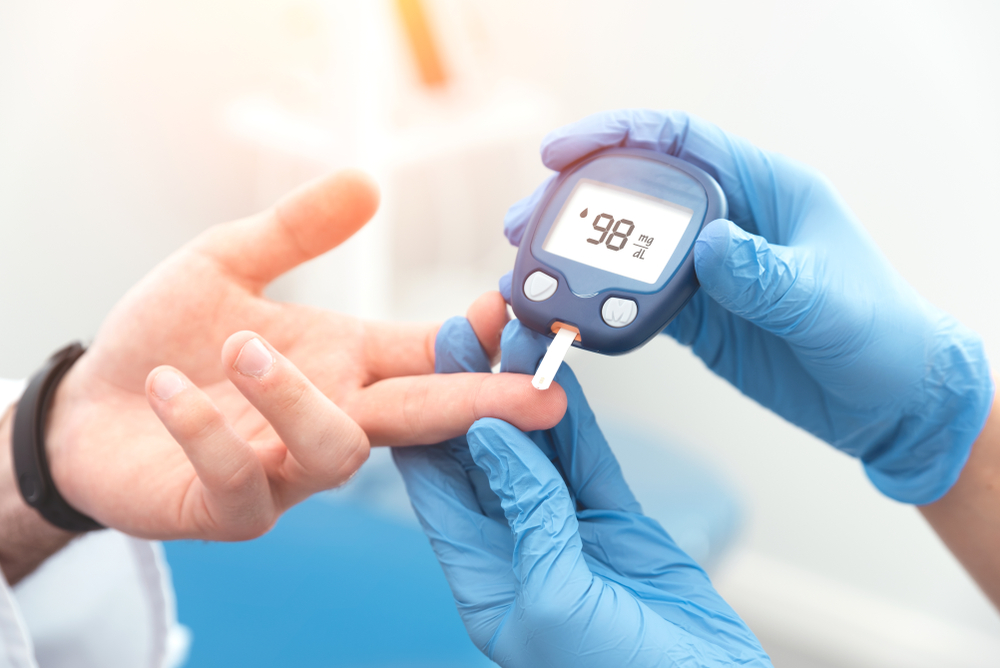
Diagnosis may be made on the basis of the patient’s medical history, that is, the collection of data and medical history, but also by performing some laboratory tests, such as urine tests, blood tests, thyroid tests, blood glucose tests, as well as a test of the areas of sweating and the type of sweat produced, its components and its thermoregulation index.
Aluminum chloride-based antiperspirant drugs may be used for evening applications to the areas most affected by excessive sweating.
There are also drug-based treatments that isolate the nerves responsible for sweating, and also antidepressant drugs with action to reduce sweating and related emotional state, but they presuppose constant medical supervision and monitoring of side effects

Additional therapies include botulinum toxin treatment with injections that, by blocking the nerves responsible for sweating, prevent the disorder for a few months but do not resolve it permanently, but rather repeat the therapy over time. This type of treatment can be burdensome as well as painful and give rise to discomfort related to therapy.
There are still other types of treatment that aim at nerve surgery, or the removal of sweat glands, or the use of microwave techniques, and still other methods, all of which are more specific and less routine, and carry some risks of the clinical outcome.

To relieve discomfort from hyperhidrosis, one can use over-the-counter antiperspirant medications, which reduce the amount of sweating, or make applications of tannic acid to the affected parts. A daily bath is a beneficial contribution to the skin and helps get rid of the many bacteria present.

Use socks and shoes of natural, breathable materials that prevent sweat stagnation.

FEATURED SPECIALISTS

  • Profile picture of Dr. Lorenzo Cerreoni
    active 5 years, 7 months ago

    Aesthetic Doctors, Basic Doctors

    • Via Macero Sauli 52 - Forlì
    phone
  • Profile picture of Dr. Giuseppe Lepore
    active 5 years, 7 months ago

    Dermatologists, Basic Doctors, General Surgeons

    • 19 Via Manzoni Alessandro - Garbagnate Milanese
    phone
  • Profile picture of Dott. Cristiano Crisafulli
    active 5 years, 7 months ago

    Diabetologist, Basic Doctors, Internist

    • Via Vittorio Emanuele II 181 - Acireale
    phone
  • Profile picture of Dr. Virgilio De Bono
    active 5 years, 7 months ago

    Aesthetic Doctors, Basic Doctors, Dermatologists

    • Via Ripense 4 - Roma
    phone
  • Profile picture of Dr. Monica Gamba
    active 5 years, 7 months ago

    Aesthetic Doctors, Plastic Surgeons, Basic Doctors

    • Viale Radich 21/N - Grugliasco
    phone

RELATED ARTICLES

Oral candidiasis

Oral candidiasis is aninfection of the mouth caused by a type of fungus called Candida Albicans. It is, therefore, a mycosis that can occur in both men and women of

Strength, vitality — vitamins?

Exercise, proper diet, and the right vitamins can really help you have a healthier and longer-lasting life. But how to take the vitamins so as to reap the greatest benefits?

Alcohol consumption in adolescents

Families, schools and other institutions, no matter how much educational efforts they make in drawing behavioral lines and spreading a culture of prevention, fail to curb adolescent alcohol consumption.

Peripheral arteriopathy obliterans: what is it?

Peripheral arteriopathy obliterans or peripheral arterial occlusive disease is a medical condition in which there is a localized obstructive lesion downstream of the renal arteries, with hypoperfusion of the lower

The toxic shock syndrome

Toxic shock syndrome is a particularly risky type of shock caused by toxins produced by bacteria (staphylococcus or streptococcus).

RELATED PATHOLOGIES

Dyspareunia

Dyspareunia is defined as persistent genital pain that occurs in women shortly before or during intercourse and sometimes still present after intercourse has ended. Painful intercourse can occur for reasons

Bullous epidermolysis

Epidermolysis bullosa (EB) corresponds to a group of rare and disabling genetic diseases characterized by the appearance of blisters and lesions on the skin and in the inner mucous membranes,

Dermatitis

The term dermatitis refers to a fairly heterogeneous group of skin diseases, largely characterized by more or less pronounced inflammation and induced by a wide variety of causes (irritation, allergic

Hashimoto’s thyroid

Hashimoto’s thyroiditis is an autoimmune disease that affects the thyroid gland, causing it to become chronically inflamed and gradually degenerate and lose function, resulting in the development of hypothyroidism (a

Warts

Warts are benign formations that can appear on the skin anywhere on the body as a result of infection by one of the viruses of the human papilloma family or

Suppurative hydrosadenitis

Hydrosadenitis suppurativa (HS, Hidradenitis Suppurativa), also called acne inversa or Verneuil’s disease, is a chronic inflammatory disease of the skin characterized by the appearance of subcutaneous nodules (cysts), single or

Acne

The term acne is derived from the Greek word acmé or acné, meaning foam or summit, and denotes a skin disease that is widespread in the young population, characterized by

Menopause

Menopause is a physiological event that affects all women in the age range of 46 to 53 years and corresponds to the gradual loss of ovarian function and, therefore, the

Angioma

Angiomas, also called “hemangiomas,” are benign vascular malformations involving arterial or venous capillaries and can affect anywhere on the body, but they tend to appear most often on the skin

Mycosis

Cutaneous mycoses are a fairly large and diverse group of dermatologic conditions determined by the colonization of the epidermis by microorganisms such as Malassezia furur (responsible for pityriasis versicolor), dermatophyte

FEATURED SPECIALISTS

  • Profile picture of Dott.ssa Irene Pistis
    active 5 years, 7 months ago

    Aesthetic Doctors, Basic Doctors, Certifying Doctor

    • Via della Reoubblica 461/3 - Vergato
    phone
  • Profile picture of Dott. Massimo Carotenuto
    active 5 years, 7 months ago

    General Surgeons, Basic Doctors

    • Via Lepanto 95 - Pompei
    phone
  • Profile picture of Dott.ssa Anna Puccio
    active 5 years, 7 months ago

    Gynecologists, Basic Doctors

    • Via Vincenzo Ponsati 69 - Volvera
    phone
  • Profile picture of Dott.ssa Maria Grazia Caruana
    active 5 years, 7 months ago

    Aesthetic Doctors, Basic Doctors

    • Viale Prassilla 41 - Roma
    phone
  • Profile picture of Dr. Roberto Zaffaroni
    active 5 years, 7 months ago

    Basic Doctors, Therapist

    • Via San Francesco D' Assisi 5 - Varese
    phone

prenota il tuo viedeoconsulto in convenzione

Completa il form e sarai contatto dal personale medico specializzato

your advertising
exclusively ON
MY SPECIAL DOCTOR

complete the form and you will be contacted by one of our managers