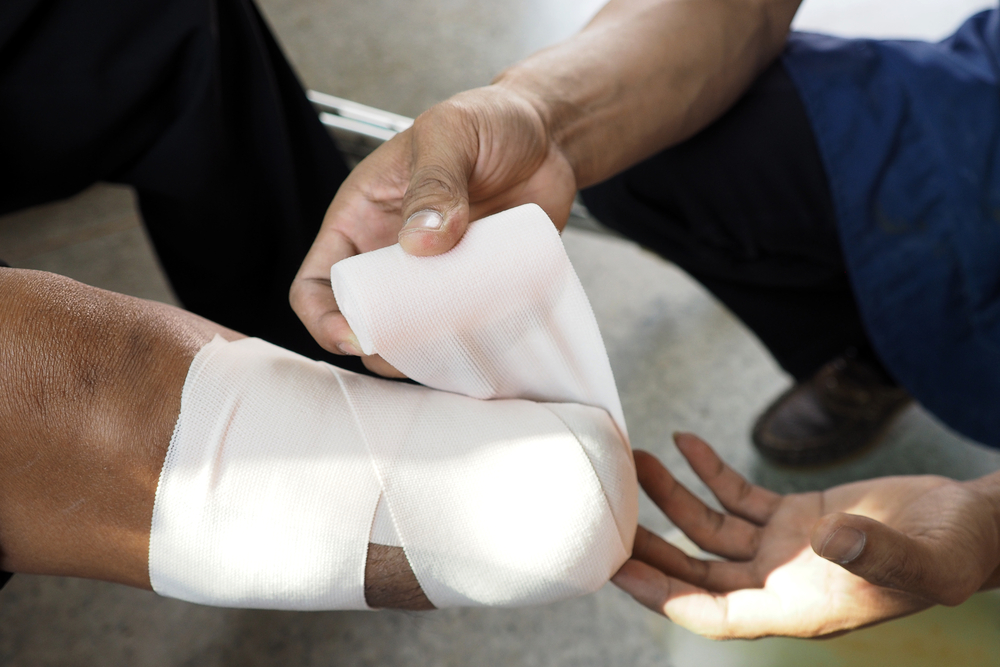
For amputation is defined as the complete removal of a body part. Surgical techniques can often reattach amputated parts so that normal or near-normal function is restored.
What to do?
Check ABCHs and hemorrhage.
Dealing with shocks.
Look for and protect the amputated part. Later let the surgeon decide whether it can be reattached.
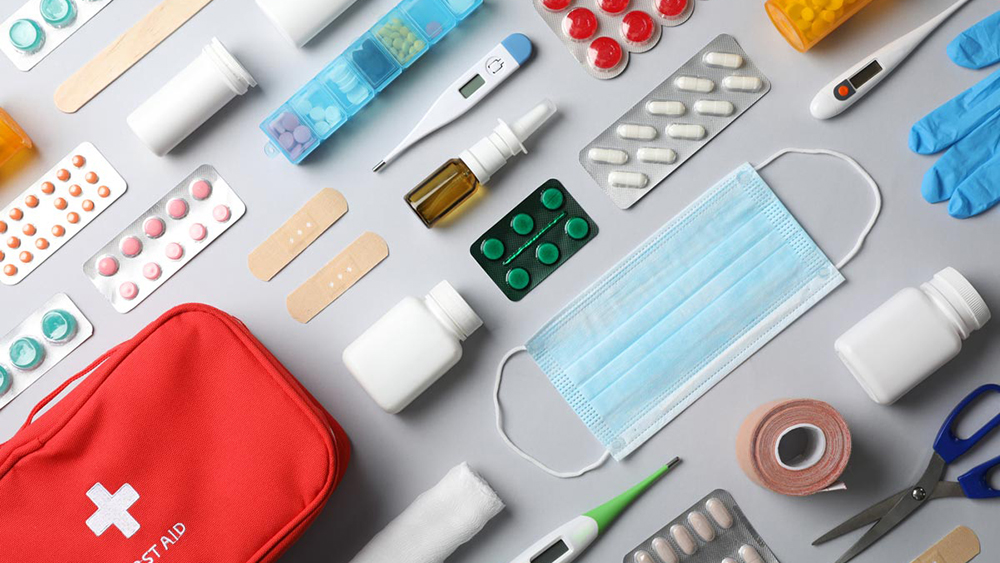
To protect the amputated part, you must rinse it with water and remove debris, wrap the amputated part with dry, sterile gauze, place it in a container or plastic bag, on a bed of ice. Do not immerse the amputated part in ice, as it is difficult to reattach frozen anatomical parts.
A headache that does not go away, an appetite that increases or
decreases, too much fatigue in the morning, contractures in the neck muscles,
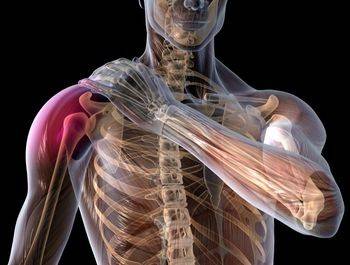
Of the shoulders or back, nausea, palpitations. When one or more
symptoms of this type may be present a definite organic disease
or a more generalized psychophysical malaise, not always clearly
identifiable, which each makes explicit in a different way. Learning to interpret
signals sent by one’s body is the first step in recognizing a discomfort
and identify the solution or to understand when it is appropriate to turn to the
physician to elaborate on the situation. Some messages not to be overlooked.
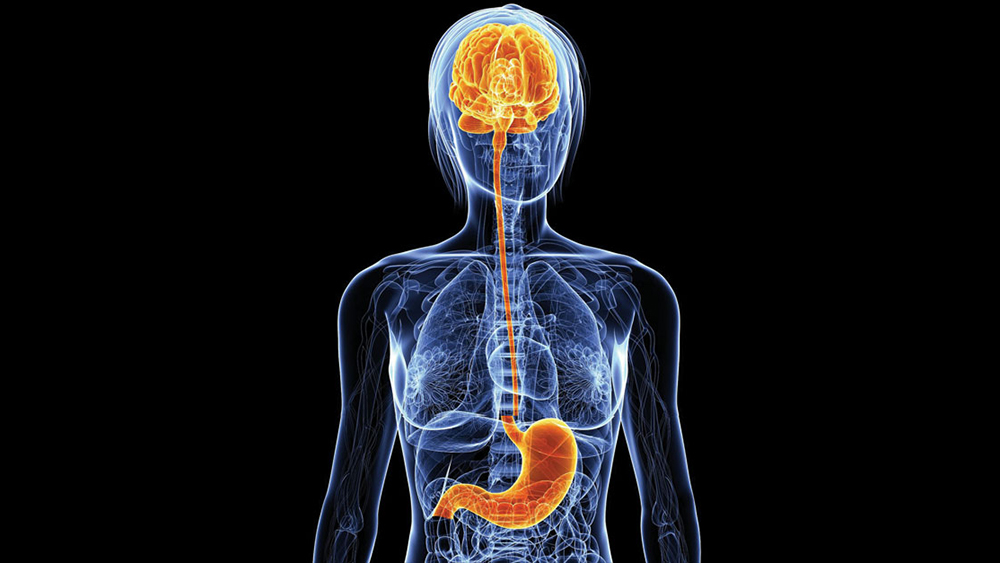
There is a specific area in the human body that can alert you when stress and fatigue have reached the limit so that you don’t collapse, even some time before.
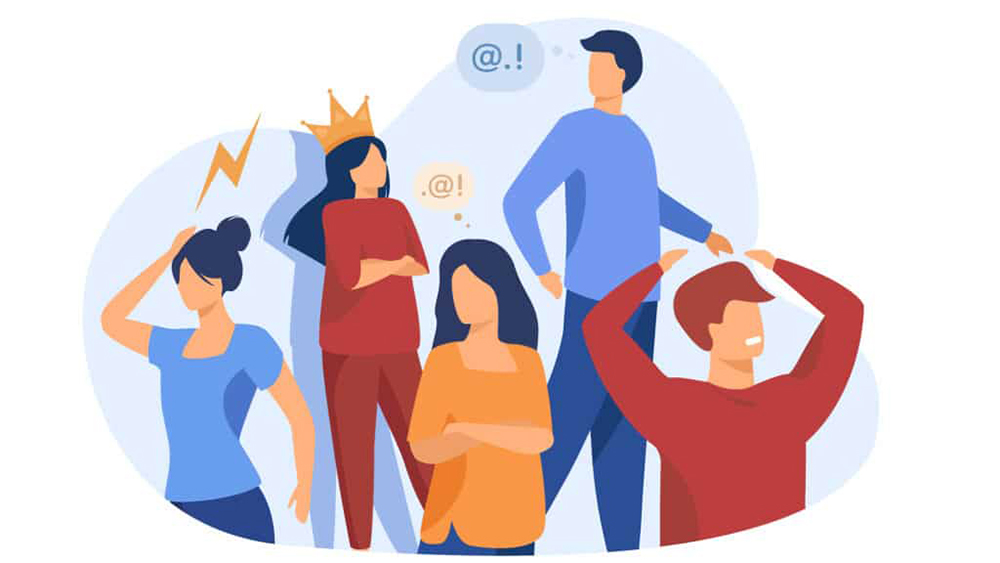
It happens every day often to people when the work becomes too much and pressing, especially in those particular jobs where the individual is tasked to dispose of multiple requests or orders at the same time and in a pressing manner. Meetings, appointments, the phone constantly ringing
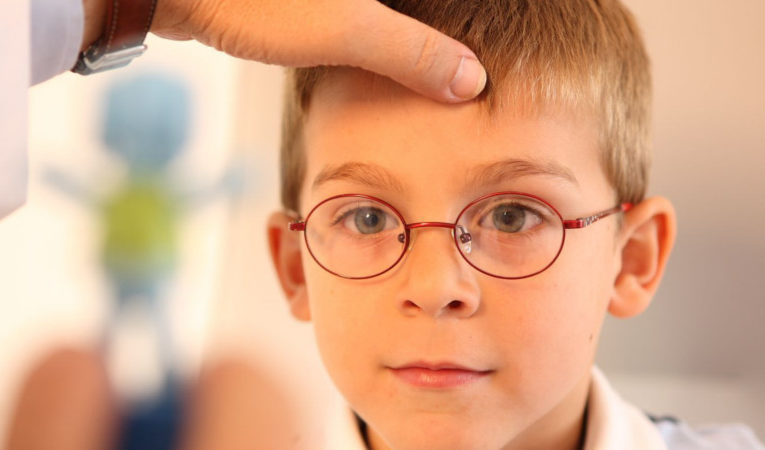
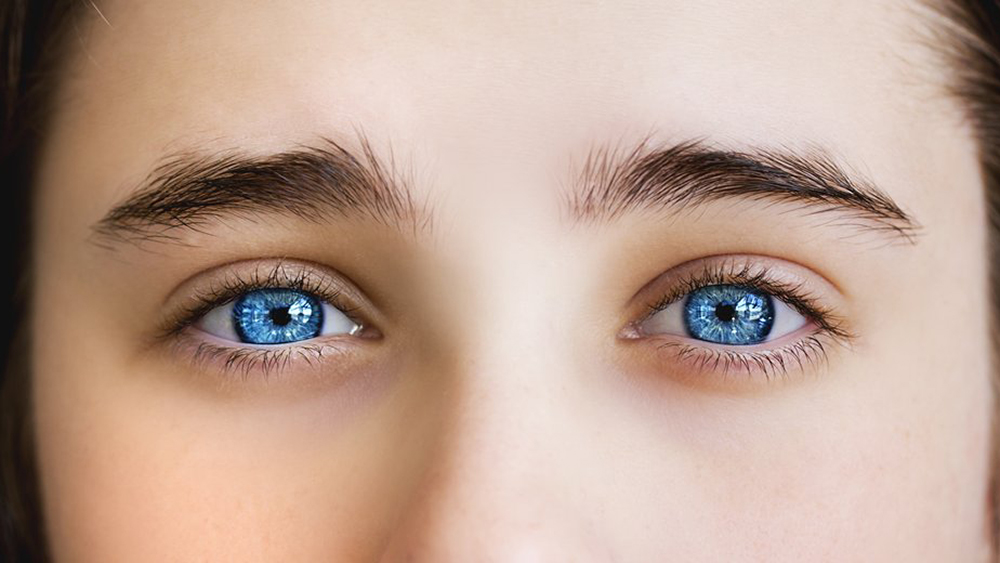
To check whether it is true that Stress has taken hold of us, we need only stand in front of a mirror and look at our eyes in general and our pupils in particular.
The state of the pupils is the one that best tells the level of stress one has reached . Studies have been able to demonstrate the relationship between entity and type of work and pupil appearance, a particularly pronounced response when the subject is highly concentrated in order to perform a large workload.
But how can one be sure when the pupils are evidencing a state of stress? By observing pupil size: if they are dilated they reveal a steady increase in stress and tension levels
If the dilatation lasts for a short time and does not persist it means that the stress was temporary; but if the dilatation remains for long periods, then it becomes a noticeable sign and also a symptom to be taken seriously.
Factors that contribute to increased stress levels and dilated pupils are: excitement, fear, states of anger, and especially anxious states.
Some substances can also cause pupils to dilate , and they too are linked to alterations in emotional states: cocaine, cannabinoids, LSD, alcohol.
Industry players and large companies have lately been studying and investigating systems that can measure the stress level of their employees as needed, in order to better assign work requests or for better organization of shifts.
Some workers have reacted in a concerned manner toward the risk of losing their jobs inherent in these systems, when in the hands of unconscientious bosses, e this is not only is it the worst criticism that can to become , but ironically it may itself be an additional stress-inducing factor.