

of

Complications and behavioral lines in neurovegetative dystonias

Complicazioni-e-linee-comportamentali-nelle-distonie-neurovegetative

The complications resulting from this condition vary according to the specific type of dystonia, but generally can be considered the following:

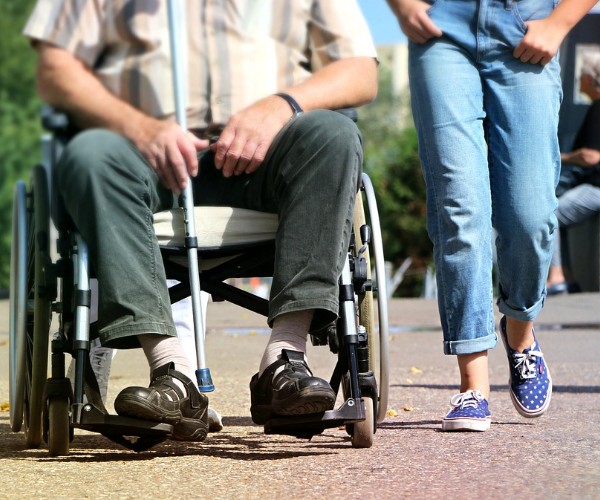
  • physical disability capable of affecting the performance of the day’s activities, in some cases even the simplest ones.
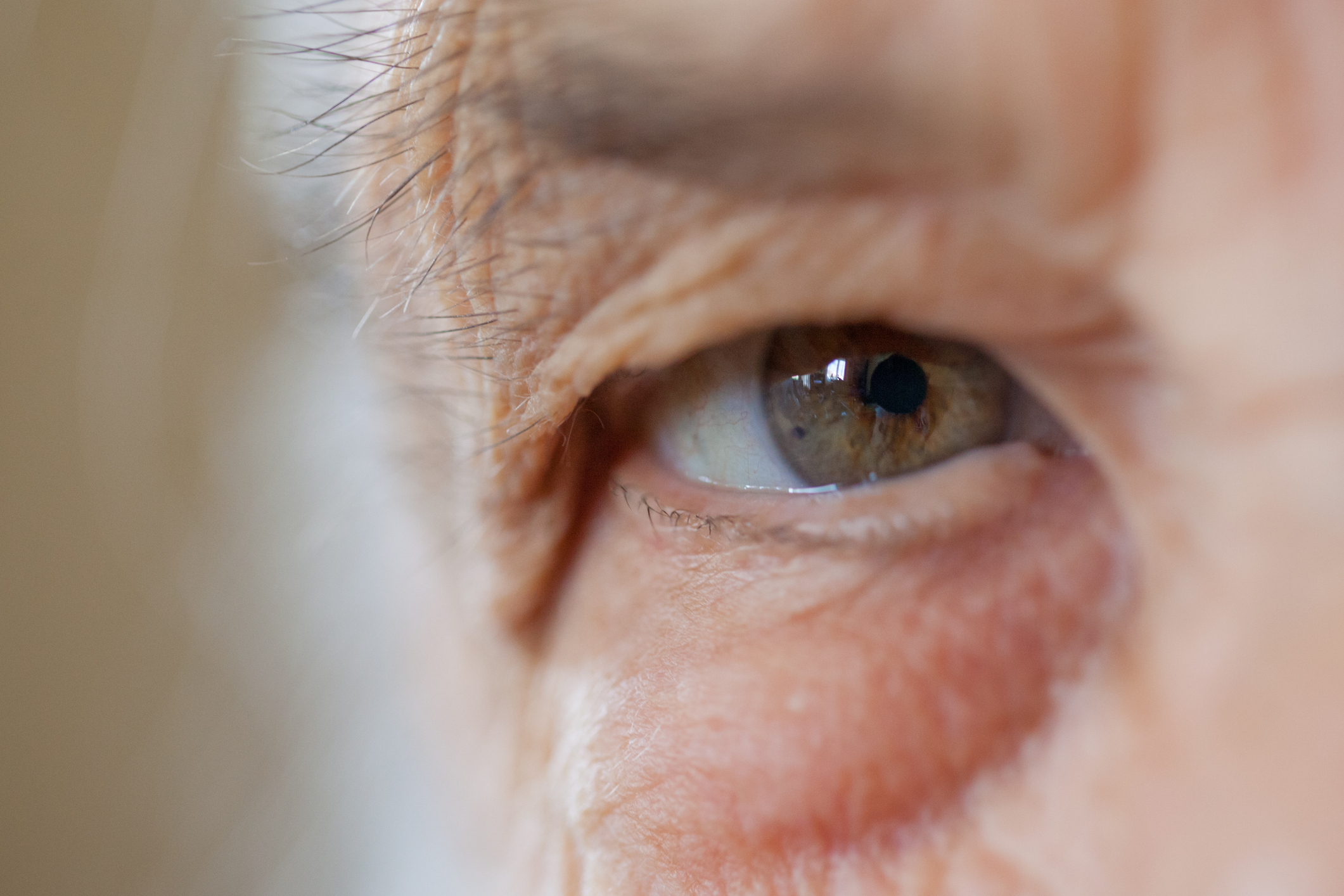
  • Visual disturbances and localized discomfort in the eyelids.
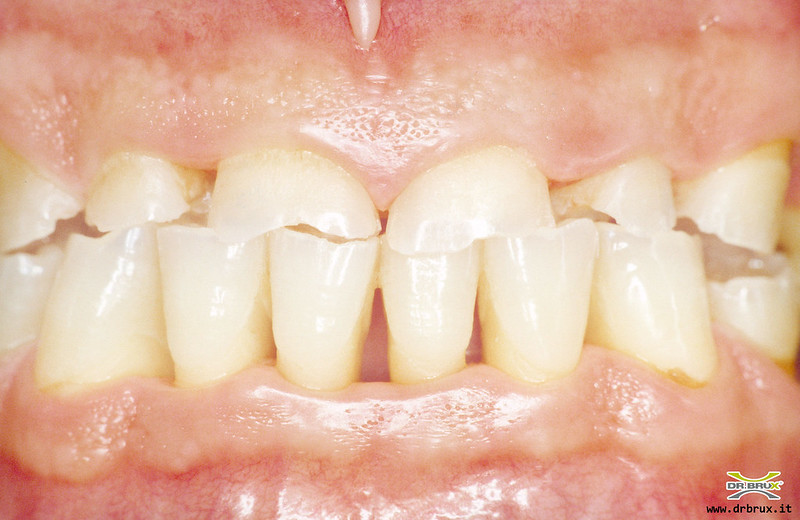
  • Jaw movement problems, swallowing disorders, speech disorders.
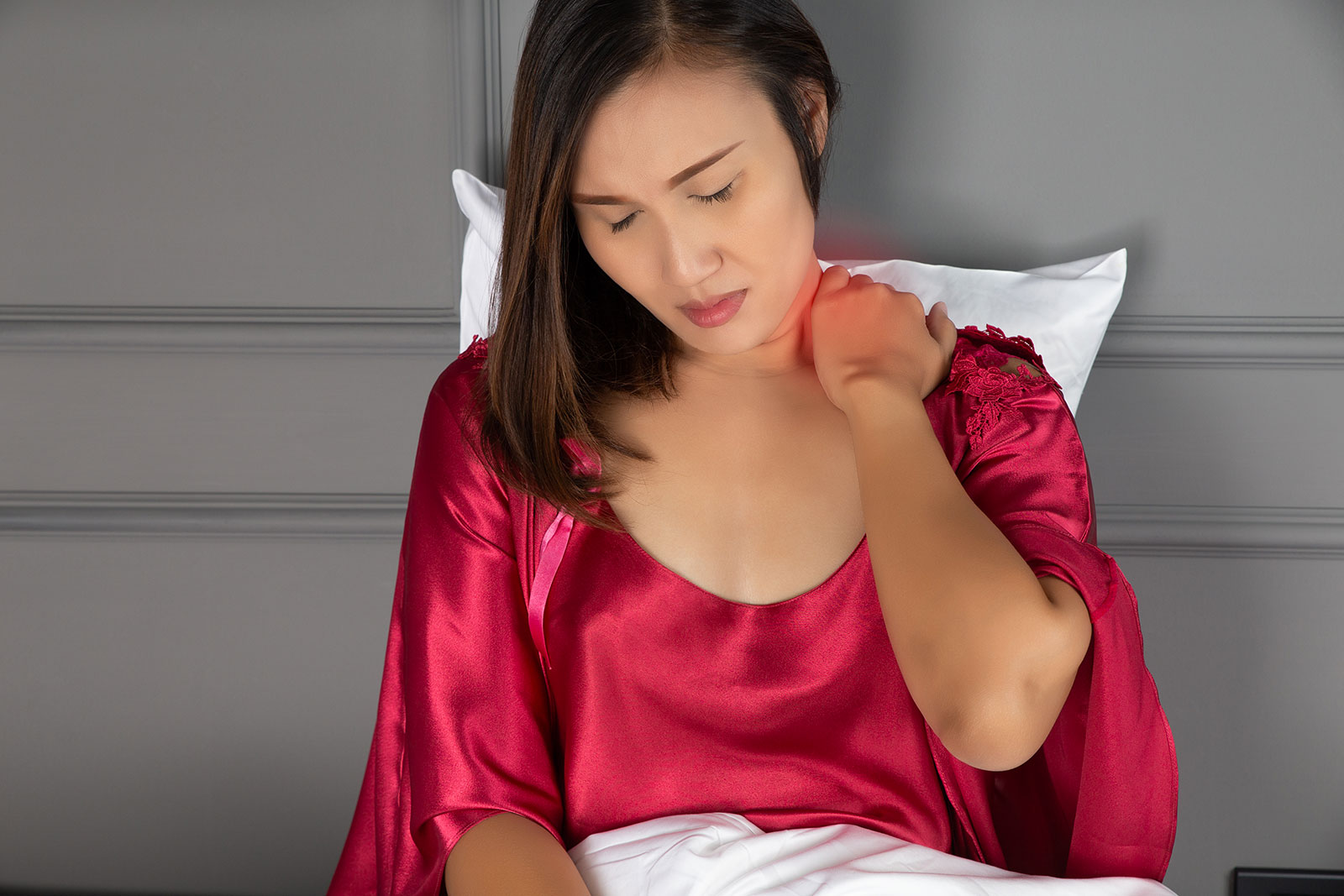
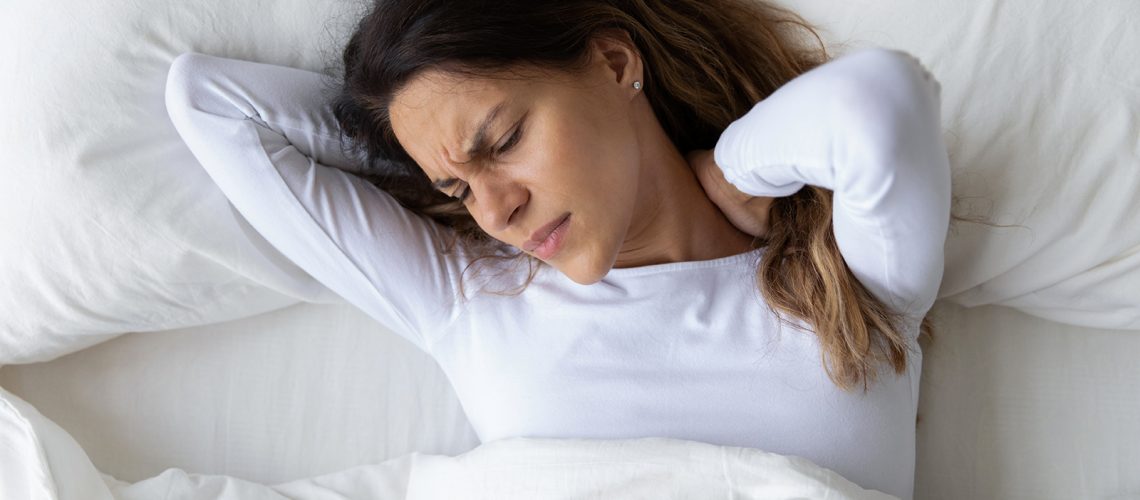
  • Pain caused by continuous muscle contraction.
  • Social isolation, anxiety, and depression.

Anxiety relief can be achieved by acting on the parasympathetic nervous system by following certain behavioral rules:

  • Devote time to living in nature.
  • Undergo massage of the sore parts.
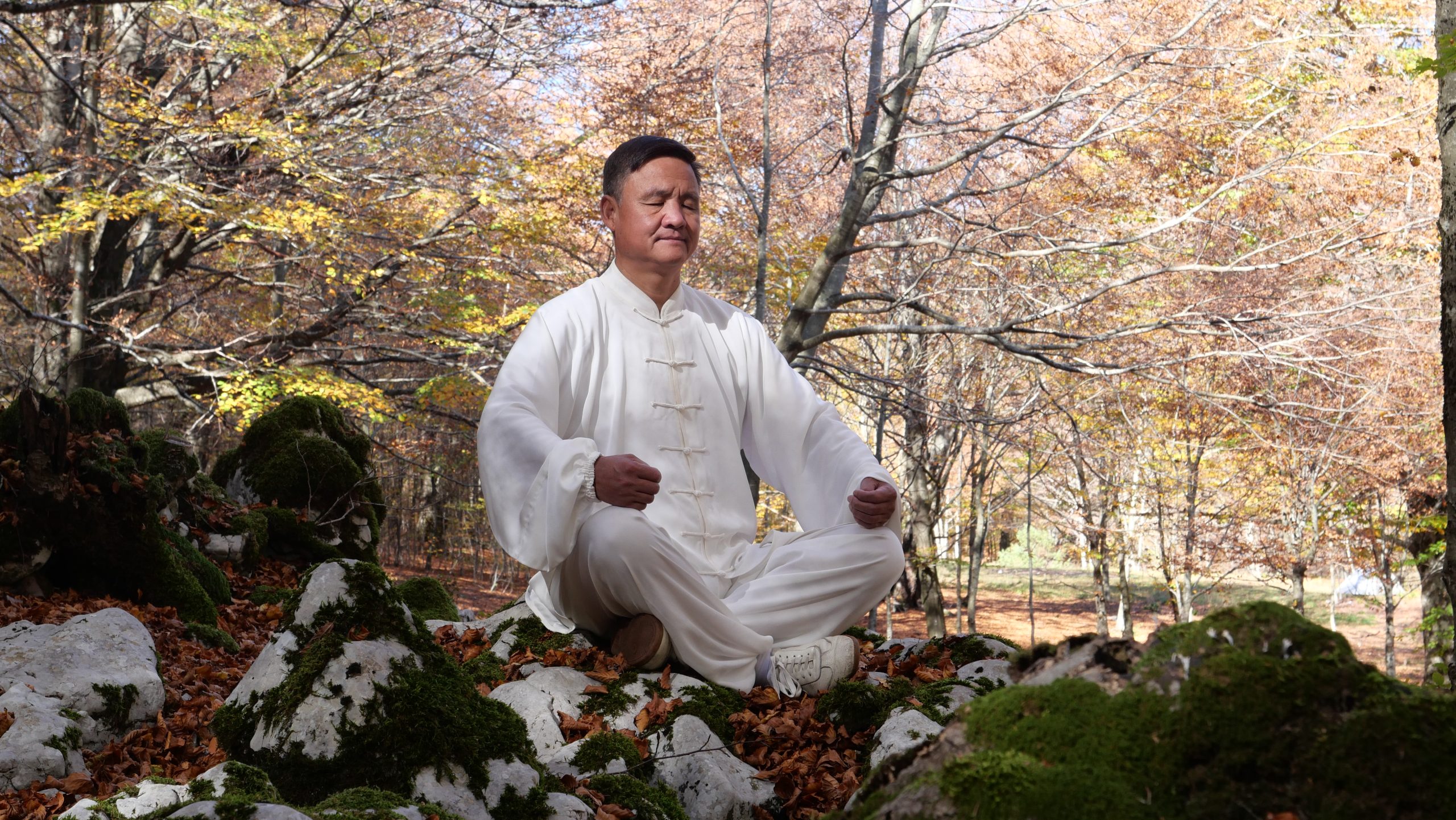
  • Practicing meditation.
  • Use a deep diaphragmatic abdominal breathing technique.
  • Focus to relax with a word like “calm” or a scene of “serenity” in mind.
  • Try to distract themselves by participating in children’s games.
  • Use yoga or tai chi practices to increase the state of relaxation.
  • Take into good account that the nervous system influences behavior and plays a key role in its control.

Living with dysautonomiaand dystonic symptoms

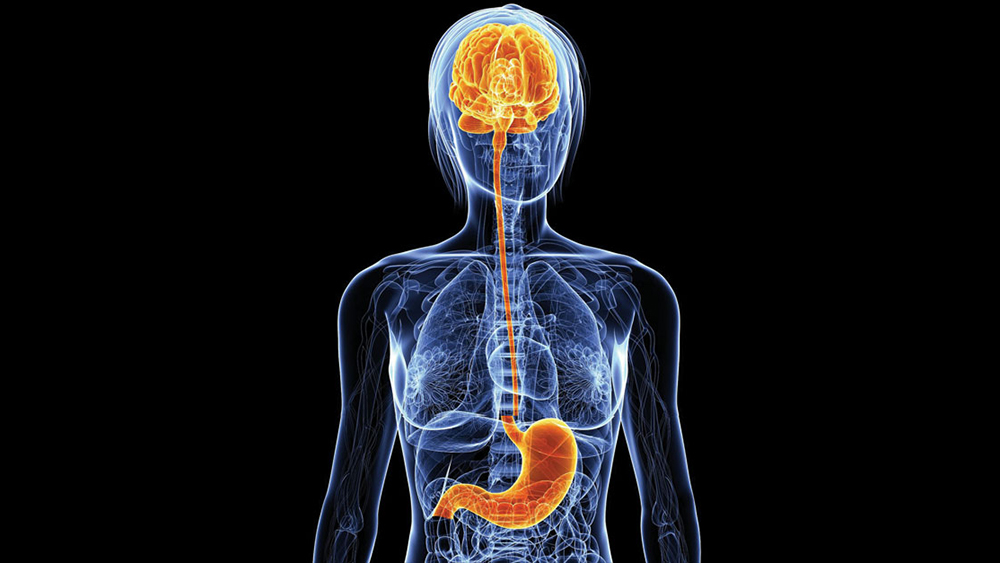
When the autonomic nervous system malfunctions, neurovegetative dysautonomia can occur, with various disorders, such as:

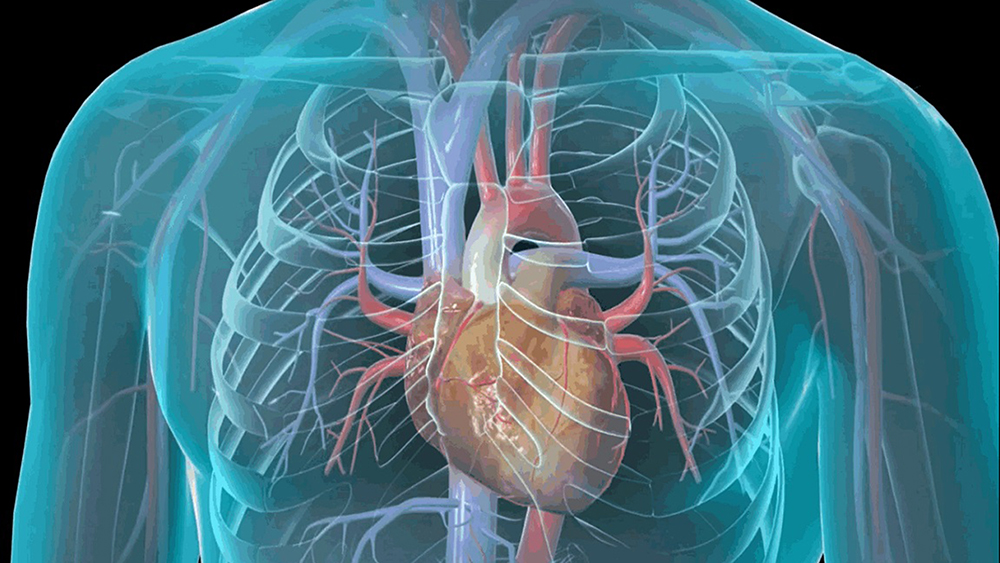
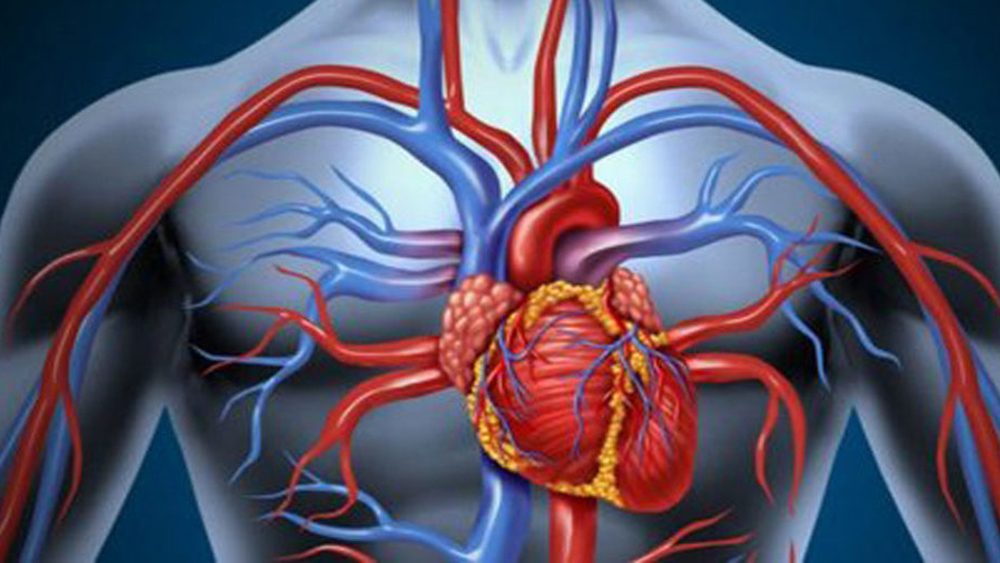
  • Irregular blood pressure with pressure swings and heart rate changes.
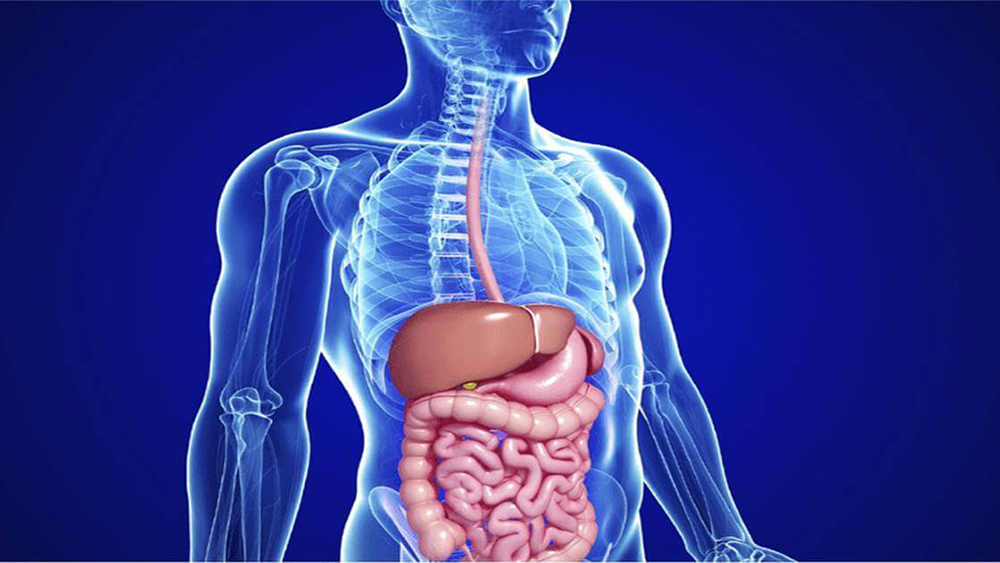
  • Digestive tract disorders, with alternating phases of constipation and diarrhea, dysphagia.
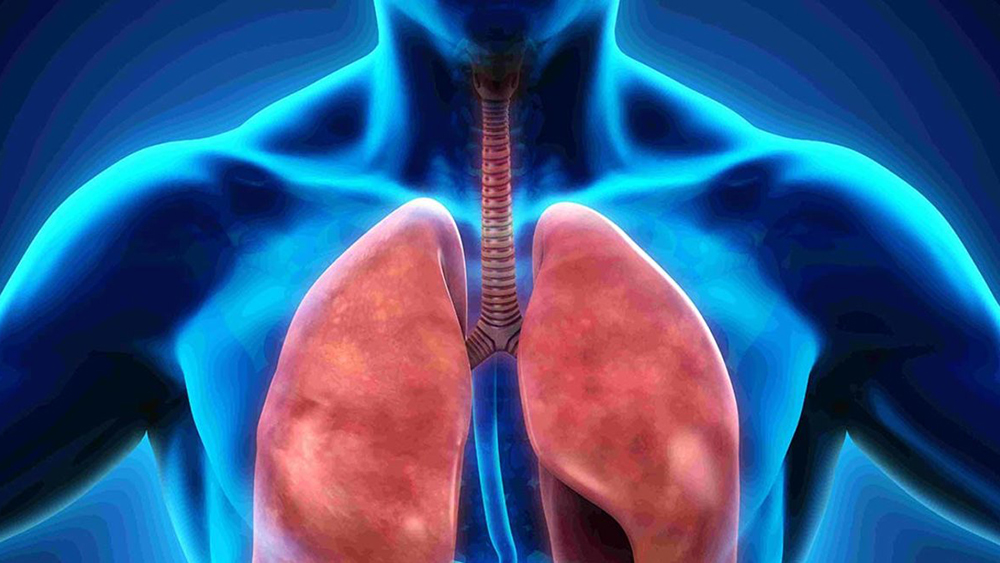
  • Respiratory disorders.
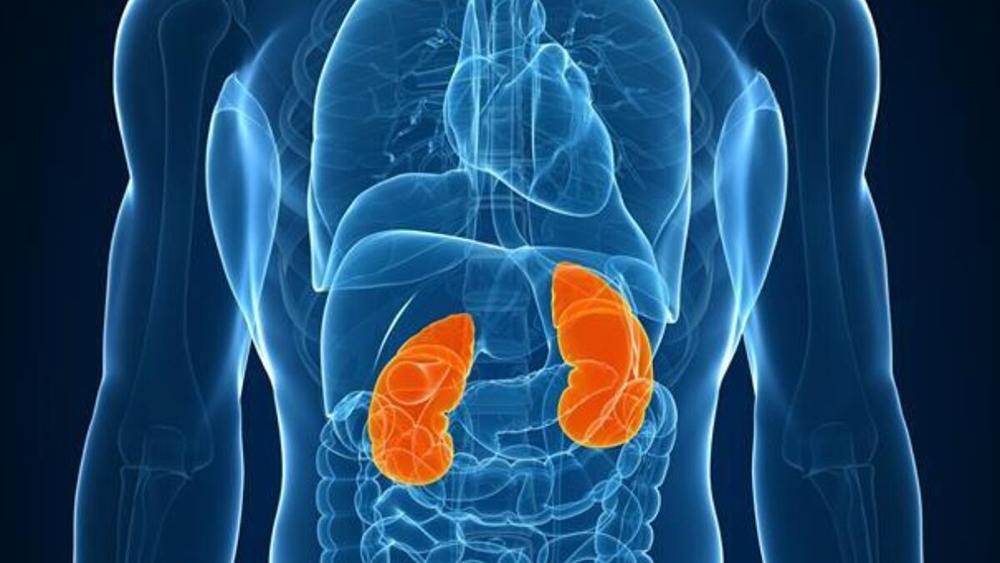
  • Urologic and sexual disorders.
  • Sleep disorders and related consequences.

Prominent among the variety of disorders is the pressure disorder with the problem of orthostatic hypotension, a significant lowering of blood pressure that occurs as the patient leaves the lying position by standing up.
Dystonias can be focal or generalized, depending on whether they focus on a specific part of the body or multiple parts.
Generalized dystonias can be central or peripheral, depending on whether they affect the brain and cord or the peripheral nerves.

The quality of life with the symptoms of a dystonic disorder can improve by assiduously practicing certain wellness techniques to achieve results physically, emotionally-psychologically, nutritionally, socially, and familially by acquiring strategies for stress management, the first precaution to combat the disease.

Good results can be achieved against stress, simultaneously achieving distraction from illness and improvement on the mood level, with techniques such as:

  • yoga, a relaxation and tension-reducing technique that is effective in alleviating the symptoms of various diseases.
  • Acupuncture, whose benefits are evident in dystonic patients, acting on peripheral nerves, produces positive effects on the brain and the balance of cortisol and some other stress-related hormones.
  • Massage can be especially helpful for patients with dystonias, both in that it relaxes muscles by reducing spasms, but also because it improves blood circulation.
    It is advisable to practice a gentle and careful massage that does not overstress the massaged area to avoid worsening symptoms such as spasms or pain.
  • Meditation, it may prove helpful for the dystonic patient to have his own awareness of the disease and his ailments and the environment in which he lives, deciding that he can exercise as a protagonist actions to improve his physical condition.
  • Cognitive behavioral therapy, can be regarded as an extension of mindfulness coming from meditation, aims to correct erroneous pathways of the patient in coping with the disease by modifying oppressive thoughts and fears and states of mind in order to better “maneuver” one’s condition.

FEATURED SPECIALISTS

  • Profile picture of Dr. Francesca Marceddu
    active 5 years, 10 months ago

    Anesthesiologists, Basic Doctors

    • Via del Risorgimento 49 - Pirri
    phone
  • Profile picture of Dott.ssa Federica Filigheddu
    active 5 years, 10 months ago

    Basic Doctors

    phone
  • Profile picture of Dott.ssa Irene Pistis
    active 5 years, 10 months ago

    Aesthetic Doctors, Basic Doctors, Certifying Doctor

    • Via della Reoubblica 461/3 - Vergato
    phone
  • Profile picture of Dott.ssa Erminia Maria Ferrari
    active 5 years, 10 months ago

    Homeopathic Medicine, Basic Doctors, Pediatricians

    • Via San Carlo 3 - Castel Rozzone
    phone
  • Profile picture of Dott. Franco Cicerchia
    active 5 years, 10 months ago

    Ophthalmologists, Acupuncturists, Basic Doctors

    • Via Alcide de Gasperi 39 - Palestrina
    phone

RELATED ARTICLES

Perhaps a little dehydrated

When one is thirsty and feels the need to drink, it is already a sign of dehydration. Fatigue may also depend on a dehydration condition. The body has a constant

Lumbar vertebral stenosis

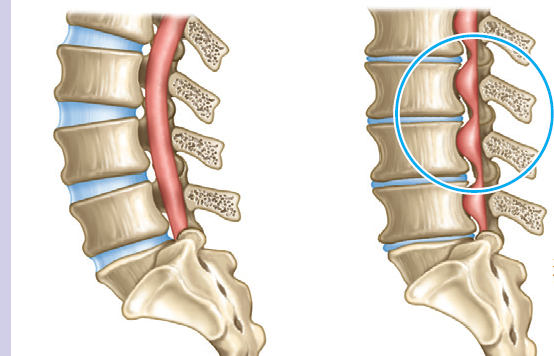
Lumbar vertebral stenosis is the narrowing of the lumbar spinal canal that compresses spinal nerves and nerve roots in the cauda equina before they exit the foramina. Causes positional back

Doing nothing: the season of idleness

Vacations, vacations, leisure time, which have become possibilities for (all or almost all) social classes, are just another space to be filled, to be occupied according to a new categorical imperative that, depending on the situation or age group, may be "you must have fun," "you must relax," "you must visit and learn."

Xerostomia: disorder of the teeth

Xerostomia is dryness of the oral cavity caused by reduced or absent saliva flow. This condition can cause discomfort, interfere with speech and swallowing, make it difficult to use dentures,

Syncope: causes and treatment

Syncope, or fainting, is defined as a sudden failure of blood flow to the brain that directly results in loss of consciousness. Syncope is often associated with tachycardia, neurological disorders,

Stroke: ischemic and hemorrhagic

Stroke is a serious disease that occurs as a result of the reduction, or interruption, of blood flow to the brain (by which we mean the brain, cerebellum, and brainstem

The “G” point

But where can one find the G-spot, this pleasure zone ? Every navigator of eros will have to find out for themselves, or at most with some suggestions from their partner, or with a little help from Anatomy of the Female Genital Apparatus.

RELATED PATHOLOGIES

Emotional crisis

In current usage, the word “crisis” has a dramatic meaning, i.e., the transition from a condition of stability to a variability of previously assumed equilibria, holding homeostasis as the sole

Hepatitis B

Hepatitis B is a fairly common inflammation of the liver in all countries of the world, brought about by infection with Hepatitis B virus (HBV), which is the second leading

Major depression

Major depression (or “major depressive disorder,” as stated in the “Statistical Diagnostic Manual of Mental Disorders – DSM 5”), is a mood disorder that is characterized by the presence of

Cluster headache

Cluster headache is a primary form of headache that is characterized by the manner in which the attacks occur, which are precisely “clustered” in so-called “active periods” lasting up to

Alzheimer’s disease

Alzheimer’s disease is the most common and severe degenerative disease of the brain, characterized by a progressive decline in cognitive functions (in particular, memory and language) associated with aging. It

Trigeminal neuralgia

The trigeminal nerve is the fifth of the twelve pairs of cranial nerves in the head; it is the nerve responsible for providing sensation to the face. One trigeminal nerve

Cardiac Echodoppler

The echocardiogram, also known as echocardiography, is a diagnostic imaging technique based on the use of ultrasound, which is quick and easy to perform, harmless, painless, and low-cost, and because

Obstructive sleep apnea syndrome

Obstructive sleep apnea is the most prevalent type of sleep apnea: a category of disorders united by the occurrence of repeated interruptions of normal breathing while sleeping, due to a

Hip fracture

Hip fracture is a serious injury with life-threatening complications. Most hip fractures occur at the femur, the long bone that extends from the pelvis to the knee. The part most

Lactose intolerance

People with lactose intolerance are unable to fully digest the sugar in milk. The condition, which is also called lactose malabsorption, is usually harmless, but its symptoms can be uncomfortable.

FEATURED SPECIALISTS

  • Profile picture of Dott.ssa Izabella Sylwia Bartosiewicz
    active 5 years, 10 months ago

    Basic Doctors, Rheumatologists

    phone
  • Profile picture of Dr. Giovanni Arrichiello
    active 5 years, 10 months ago

    Gynecologists, Basic Doctors

    • Corso Regina Margherita 260 - Torino
    phone
  • Profile picture of Dott. Cristiano Crisafulli
    active 5 years, 10 months ago

    Diabetologist, Basic Doctors, Internist

    • Via Vittorio Emanuele II 181 - Acireale
    phone
  • Profile picture of Dr. Vittorio Margutti
    active 5 years, 10 months ago

    Orthopedists, Basic Doctors

    • Via Marco Simone Poli 1 - Guidonia Montecelio
    phone
  • Profile picture of Dr. Roberto Zaffaroni
    active 5 years, 10 months ago

    Basic Doctors, Therapist

    • Via San Francesco D' Assisi 5 - Varese
    phone

prenota il tuo viedeoconsulto in convenzione

Completa il form e sarai contatto dal personale medico specializzato

your advertising
exclusively ON
MY SPECIAL DOCTOR

complete the form and you will be contacted by one of our managers