


of

Eating habits and diet in diverticular disease

fibre

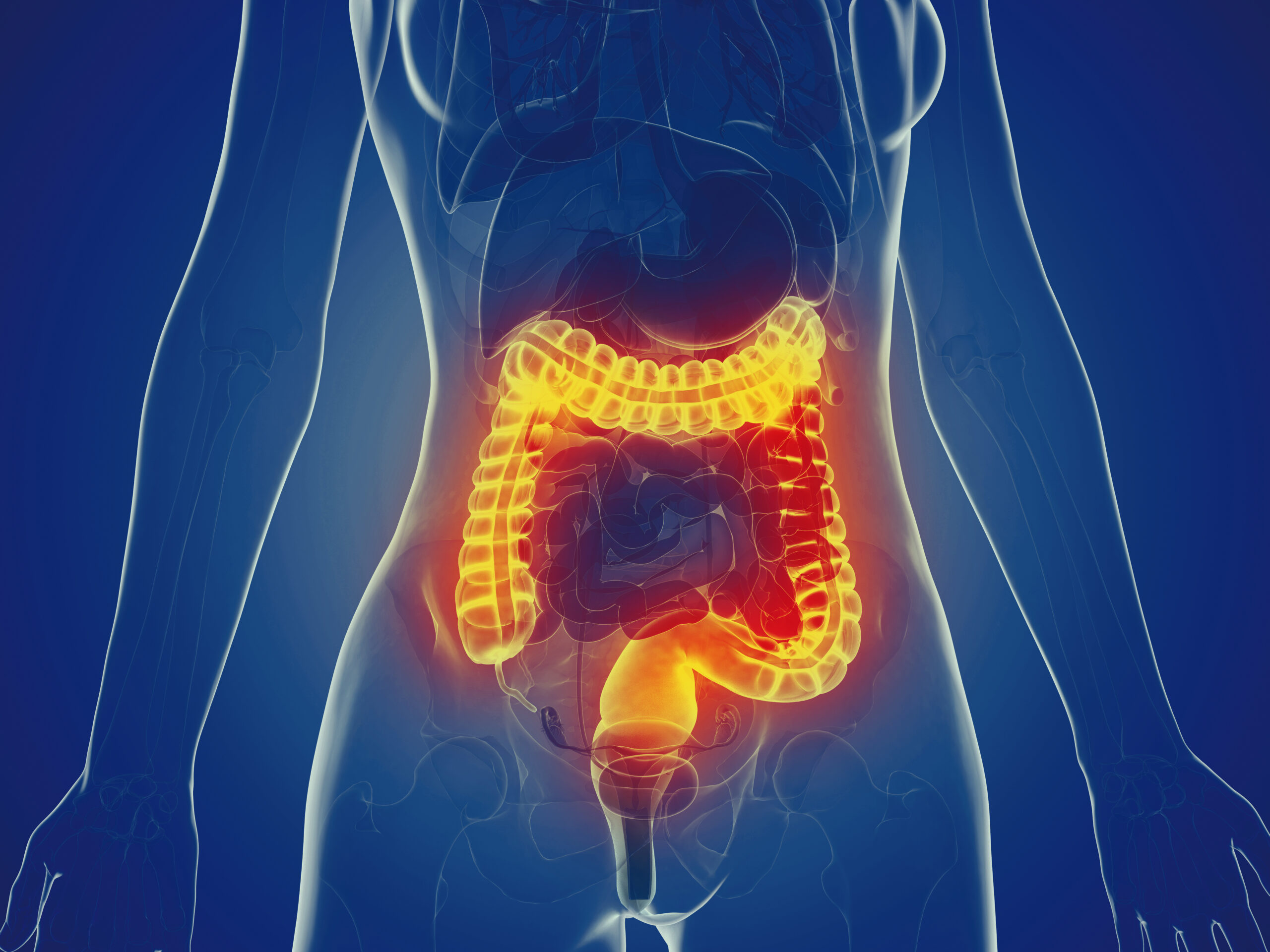
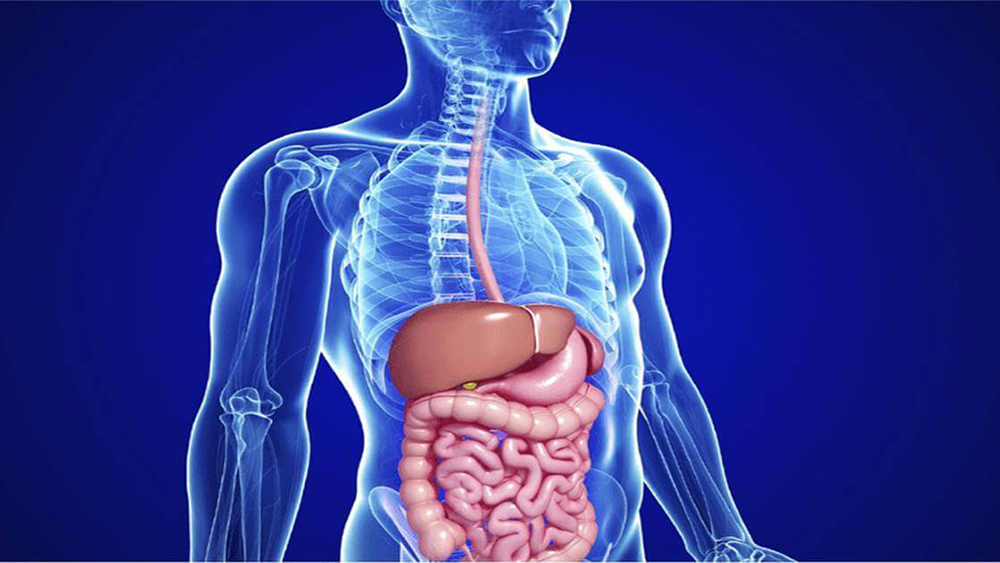
Diverticulosis and diverticulitis, both of which are linked to a lack of fiber in the diet.

While diverticulosis and its disorders can be mainly controlled by diet, diverticulitis and its disorders demand not only a specific diet based mainly on fiber and fluids, but also behaviors and habits within a lifestyle aimed at preventing more critical situations with less controllable symptoms.

So for both conditions, diet, medical therapy, a non-stressful lifestyle system that provides room for the patient to rest and recover are recommended.

Having had careless eating habits for years, eating fiber-free foods that do not even require special chewing, industrially packaged and quick-use, white and non-wholemeal bread and thus no fiber, has not helped the intestines to perform their functions but rather have greatly contributed to lagging and progressively weakening them.

The risk of suffering from this condition is definitely related to certain factors such as age, histories of obesity or constipation, a sedentary lifestyle, and of course eating habits.

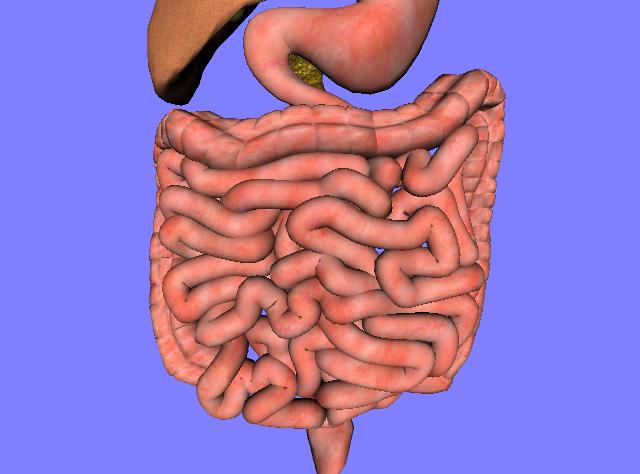
The action of the fibers is of particular relevance as digestion improves and softer stools are produced that pass more easily through the colon without stressing the muscles. A diet without fiber produces as an effect harder stools that generate constipation and travel with more difficulty through the intestinal tract, putting a strain on the intestinal portions, which can give way in some places resulting in the typical sacs called diverticula, which can fill with stagnating stools, leading to inflammatory states.

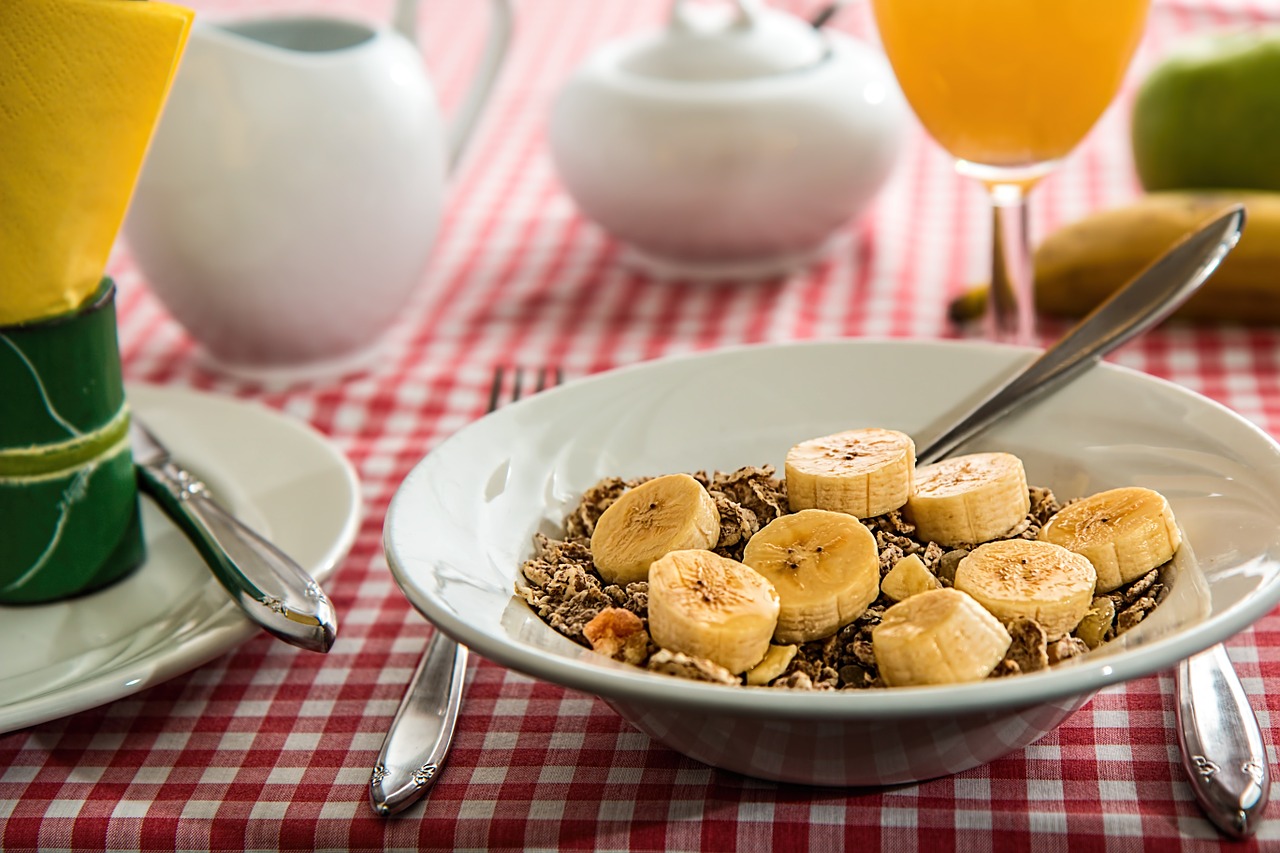
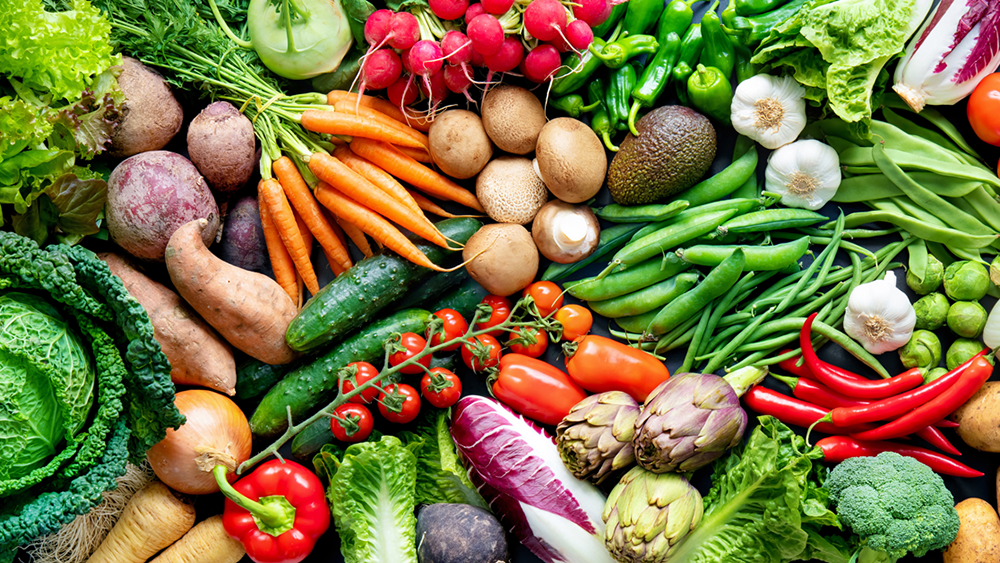
What foods contain fiber?
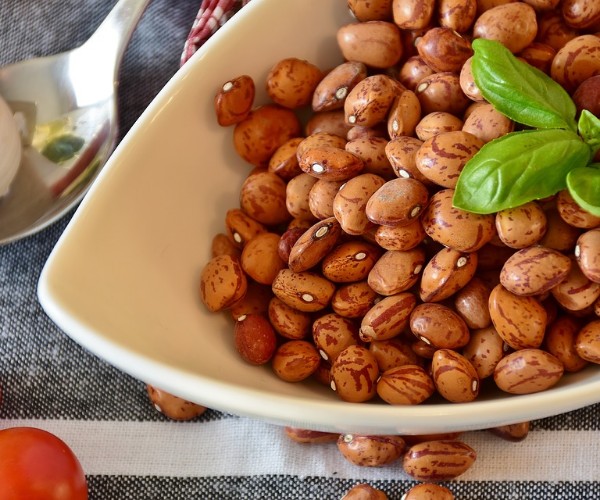
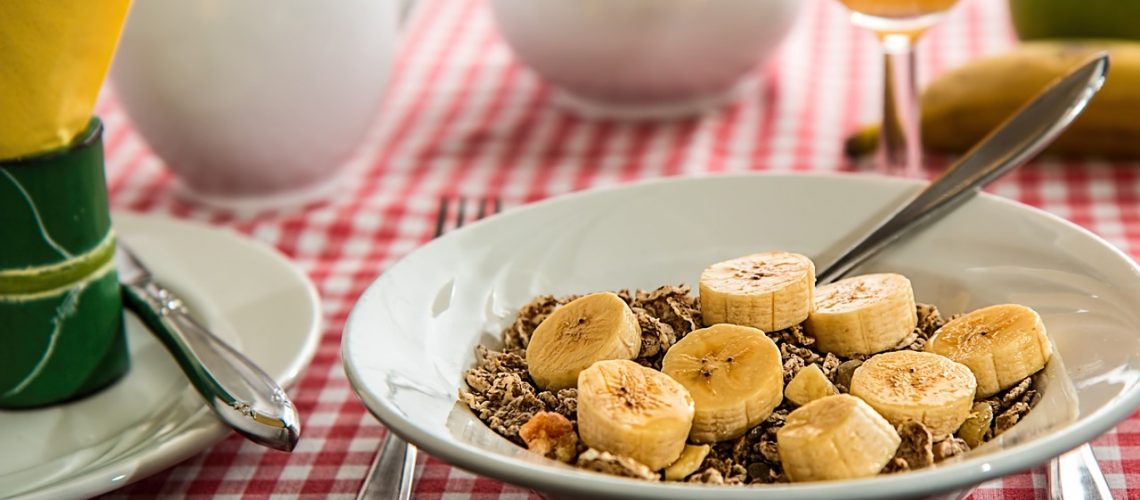
Beans, Lentils, Chickpeas, Peas, Mixed vegetables, Spinach, Soybeans, Almonds, Blackberries, Raspberries, Apples, Blackberries.

Bacteria also play a significant role in maintaining intestinal function, so in addition to fiber, yogurts, such as those made from kefir, also contribute helpful bacteria to intestinal processing.

In the same way, a careful diet should avoid red meat, fatty and hard-to-digest foods or even overcooked or over-processed foods, alcohol and foods containing full of sugar.

An appropriate diet coupled with a consistent habit of moderate exercise will be able to mitigate symptoms, making the disease less aggressive and improving quality of life.

FEATURED SPECIALISTS

  • Profile picture of Dott.ssa Ilaria Berto
    active 5 years, 6 months ago

    Basic Doctors, Acupuncturists, Aesthetic Doctors

    • Via Antonio Corradini 1 - Este
    phone
  • Profile picture of Dott. Domenico Napolitano
    active 5 years, 6 months ago

    Gynecologists, Basic Doctors, Aesthetic Doctors

    • Viale Orazio Flacco 5 - Bari
    phone
  • Profile picture of Dott.ssa Monica Calcagni
    active 5 years, 6 months ago

    Gynecologists, Aesthetic Doctors, Basic Doctors

    • Via Casilina 32 - Arce
    phone
  • Profile picture of Dott.ssa Carmela Tizziani
    active 5 years, 6 months ago

    Coroner, Certifying Doctor, Basic Doctors

    • Via Gaetano Bruno 25 - Napoli
    phone
  • Profile picture of Dott.ssa Anna Puccio
    active 5 years, 6 months ago

    Gynecologists, Basic Doctors

    • Via Vincenzo Ponsati 69 - Volvera
    phone

RELATED ARTICLES

Proteins

A new video podcast by My Special Doctor by Dr. Maria Chiara Villa and Dr. Piercarlo Salari

Abdominal pain: what to do?

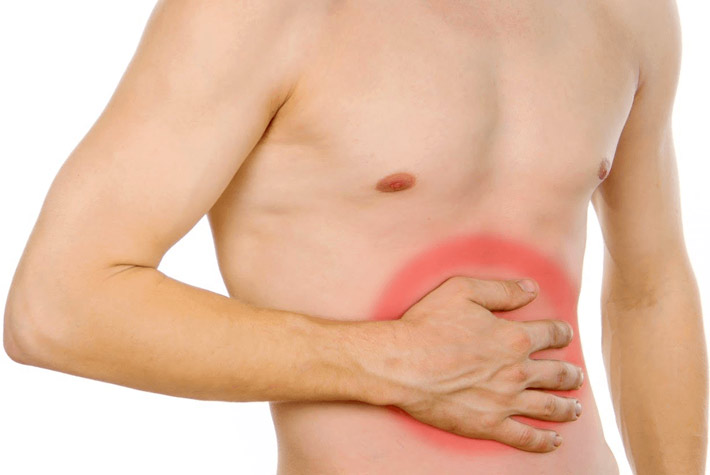
Many diseases can cause abdominal pain, but some conditions can be life-threatening and therefore require surgical treatment. What to do? It is necessary for the victim not to eat or

We walk half an hour

Good weather encourages outdoor physical activity. If you want to engage inbasic motor activity, such as a simple walk, just devoting a half hour a day, even if every other

Hypertensive emergency: what to do?

Hypertensive emergency is characterized by an acute rise in blood pressure to dangerous values or in patients at risk. The most frequent emergency situations are related to several symptoms: Hypertensive

Sports disciplines and the risk of shoulder dislocation

The shoulder joint is a mechanism that can provide movement in multiple directions, but precisely because of the versatility of the structure in excursion and mobility, the shoulder also presents an aspect of fragility, being exposed to a continuous risk of injury or dislocation.

RELATED PATHOLOGIES

Barrett’s Esophagus

Barrett’s esophagus is a serious complication of gastroesophageal reflux disease. In Barrett’s esophagus, the normal tissue lining the esophagus-the tube that carries food from the mouth to the stomach-is transformed

Diverticulitis

Diverticula are small pockets that can form in the lining of the digestive system. They usually occur more frequently in the lower part of thelarge intestine (colon). Diverticula are common,

Gastroesophageal reflux

Gastroesophageal reflux disease (GERD) consists of a pronounced rise of some of the acidic contents of the stomach back up into the esophagus, promoted by a poor seal or increased

Ulcerative colitis

Ulcerative colitis is an inflammatory bowel disease that causes long-term inflammation and ulcers in the digestive tract. Ulcerative colitis affects the innermost lining of the large intestine (colon) and rectum.

Food allergies and intolerances

Physical reactions to certain foods are common, but for the most part they are caused by afood intolerance rather than a food allergy. A food intolerance can cause some of

Gastritis

Gastritis is a general term and refers to different conditions that nevertheless have one common element: inflammation of the gastric mucosa. Often, this inflammation is the result of infection by

Inguinal hernia

A hernia is the leakage of a viscera from the cavity that normally contains it, through an anatomical orifice or channel. In inguinal hernia, the pedicle exits the abdomen through

Meteorism

Meteorism is a gastrointestinal disorder characterized by abdominal distension caused by excessive production or accumulation of gas in the stomach or intestines. Intestinal gas is usually not noticed until it

Heartburn

Heartburn is nothing more than the common “heartburn,” which sometimes may occur occasionally but in other cases tends to recur until it becomes chronic, with periods of remission alternating with

Malabsorption syndrome

The role of the small intestine is to complete the chemical breakdown of food and to absorb almost all nutrients. Malabsorption syndromes are a group of conditions united by the

FEATURED SPECIALISTS

  • Profile picture of Dott.ssa Carmela Tizziani
    active 5 years, 6 months ago

    Coroner, Certifying Doctor, Basic Doctors

    • Via Gaetano Bruno 25 - Napoli
    phone
  • Profile picture of Dott.ssa Maria Grazia Caruana
    active 5 years, 6 months ago

    Aesthetic Doctors, Basic Doctors

    • Viale Prassilla 41 - Roma
    phone
  • Profile picture of Dr. Giuseppe Lepore
    active 5 years, 6 months ago

    Dermatologists, Basic Doctors, General Surgeons

    • 19 Via Manzoni Alessandro - Garbagnate Milanese
    phone
  • Profile picture of Dr. Sergio Ettore Salteri
    active 5 years, 6 months ago

    Basic Doctors, Chiropractors, Posturologists

    • Via Vial di Romans 8 - Cordenons
    phone
  • Profile picture of Dr. Fabio Fabi
    active 5 years, 6 months ago

    Sports Doctors, Internist, Basic Doctors

    • Via Sarsina 147 - Roma
    phone

prenota il tuo viedeoconsulto in convenzione

Completa il form e sarai contatto dal personale medico specializzato

your advertising
exclusively ON
MY SPECIAL DOCTOR

complete the form and you will be contacted by one of our managers