



of

Alzheimer’s: a new blood test will allow diagnosis many years in advance

alzheimer-1
Among the many critical issues related to Alzheimer’s disease, one concerns the difficulty of diagnosing it in its early stages. Although research has not yet identified a viable therapeutic approach, diagnostically the situation may soon change with the development of a blood test that scientists say can Diagnose up to 94 percent of Alzheimer’s cases 20 years earlier That the symptoms of the disease occur. The researchers in question are from Washington University in St Louis and described the test in the journal Neurology.
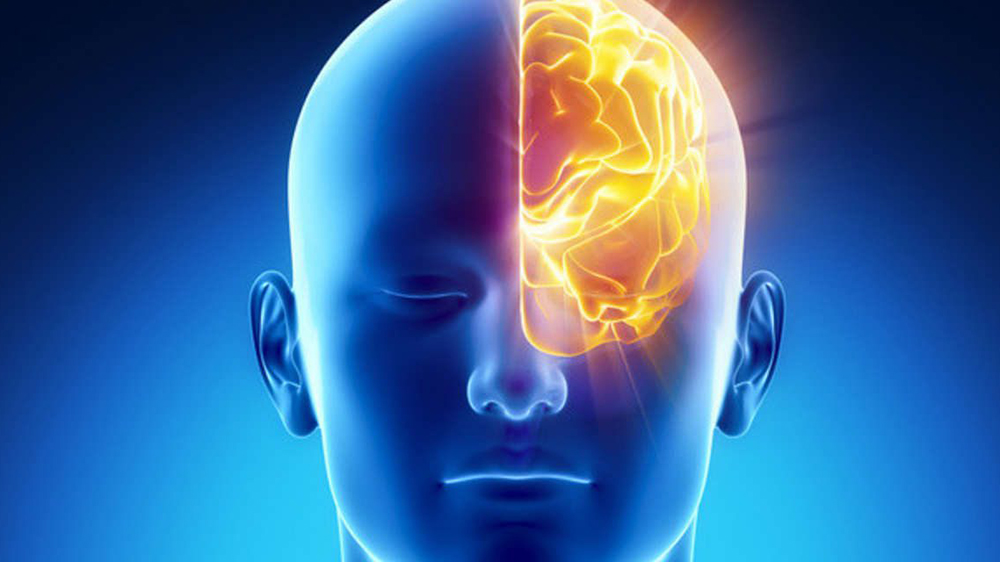
The disease is characterized by the increase ofbeta-amyloid plaques in the brain, associated with the accumulation of tau protein tangles, and the test proposed by the U.S. researchers relies precisely on the measurement of beta-amyloid in the blood, which would correlate with that in the brain .
The idea is not new and is a refinement of a technique already presented two years ago; it uses mass spectrometry to measure beta-amyloid-or, more precisely, the ratio between two forms of the protein, called A-β 42 and A-β 40 – and associates its blood concentration with two fundamental risk factors for developing Alzheimer’s: advanced age and the presence of a genetic variant called APOE4.
In this way, the accuracy of the test outperforms that of previous blood tests.
The team recruited 158 adults over the age of 50; all but 10 were described as cognitively normal. Each participant underwent at least one blood test and one PET scan with amyloid tracers , which is the current gold standard, and each test was labeled as amyloid positive or amyloid negative depending on the results produced.
Among experts, there is a growing consensus that in order to manage or treat Alzheimer’s, it is important to intercept it as early as possible, before symptoms begin to appear and the brain is not too damaged.
More than for a cure, which is not currently available, the test could further research. Today, to conduct clinical trials, we check people with scans, which is time-consuming and expensive, whereas with a blood test we could easily examine a large number of subjects, which would help us find treatments more quickly, with a huge potential impact.
Source: Schindler SE, Bollinger JG, et al. High-precision plasma β-amyloid 42/40 predicts current and future brain amyloidosis. Neurology. 2019 Aug 1.


FEATURED SPECIALISTS

RELATED ARTICLES

The brain of the pregnant woman

The traditional biomedical conception of pregnancy examines the mother-child exchange in a unidirectional sense, from mother to child. Biological changes that medicine records go in the aforementioned direction: increased iron

Asthma is sensitive to the psyche

There is a close relationship between adversity in childhood and asthma risk, according to extensive research conducted by a group of pediatricians at Brown University in Providence, the U.S. capital

Head trauma: causes and treatment

Head injury is, in general, damage to the cranio-brain district caused by any physical event of a mechanical nature. Head trauma is responsible for 50% of all traumatic deaths and

An overview

Cognitive-emotional fitness addresses the need to foster the growth of cognitive and emotional processes, the basis of mature personality. If a functional lifestyle is not acquired, no exercise and no

RELATED PATHOLOGIES

Head trauma

A head injury, also called “concussion” in medical terms, consists of the violent collision of the head against a hard surface or, conversely, of a blunt object against the cranial

Obstructive sleep apnea syndrome

Obstructive sleep apnea is the most prevalent type of sleep apnea: a category of disorders united by the occurrence of repeated interruptions of normal breathing while sleeping, due to a

Restless leg syndrome

Restless legs syndrome is a chronic disorder characterized by the onset of a feeling of general leg discomfort, which occurs when the legs are kept still even for short periods

Deep brain stimulation

The deep brain stimulation (Deep Brain Stimulation, DBS) is a neurosurgical method involving the implantation in the brain of electrodes which, appropriately positioned and activated by a pulse generator inserted

Anorexia

Anorexia nervosa is an eating disorder that causes the sufferer to voluntarily deprive himself or herself of food or to consume extremely limited amounts of food that are not compatible

Schizophrenia

Schizophrenia is a severe and disabling chronic psychiatric illness that mainly arises in late adolescence or early adulthood, resulting in an altered perception of reality and consequent improper and unpredictable

Post-traumatic stress disorder

Post-traumatic stress disorder (PTSD) is a psychiatric disorder that can occur at any age in people who have experienced or witnessed a traumatic event that has made them feel life-threatening

Glaucoma

Glaucoma is a serious eye disease that can cause blindness, mainly due to increased pressure inside the eye that damages the optic nerve. The disease can occur at any age,

Panic attack disorder

Panic attack disorder is a psychiatric disorder characterized by episodes of sudden and intense fear, anguish, and feeling of imminent death or strong fear for one’s safety, which leads those

Panic attack

What is meant by a panic attack? It is understood as the sudden manifestation of a strong fear accompanied by an equally intense physical symptomatology despite the absence of an

FEATURED SPECIALISTS

prenota il tuo viedeoconsulto in convenzione

Completa il form e sarai contatto dal personale medico specializzato

your advertising
exclusively ON
MY SPECIAL DOCTOR

complete the form and you will be contacted by one of our managers