


of

Insomnia

step-1_fonte-Riza

Insomnia is an extremely common sleep disorder that can affect people of all ages for different reasons and come in various forms and variations, all of which have in common that they prevent people from getting enough sleep or otherwise adequate rest.

Specifically, there are: “initial” insomnia, characterized primarily by difficulty falling asleep; “terminal” insomnia, characterized by early awakenings, in the middle of the night or at dawn, with subsequent inability to fall back asleep; and “middle” insomnia, characterized by disturbed sleep with awakenings, even brief or incomplete, but repeated throughout the night, which prevent the states of deeper, more restful sleep from being achieved.

In relation to the frequency and duration of sleep difficulties, a distinction is made between occasional, recurrent, or chronic insomnia, while in relation to the cause, secondary insomnia, i.e., induced by specific, recognizable circumstances, factors, or pathologies, or primary insomnia, i.e., related to alterations in the physiological mechanisms that induce and maintain sleep and/or a de-synchronization of the biological clock (circadian rhythms), unrelated to external interference, are identified.

Occasional insomnia is a definite annoyance, but it poses no particular risk to overall health, except exposing you to a greater likelihood of accidents due to residual fatigue the next day.
Recurrent or chronic insomnia, on the other hand, should not be overlooked and should always be reported to the physician because, in addition to causing persistent fatigue, general malaise, and decreased performance throughout the day, insufficient or poor quality sleep has significant negative repercussions on physical and mental health.

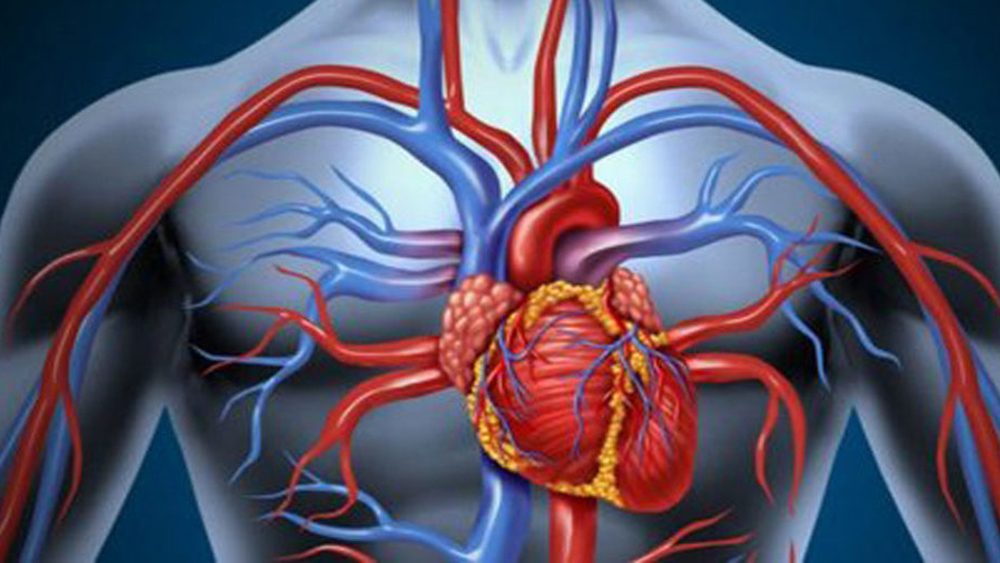
In particular, a strong correlation between insomnia and increased cardiovascular risk has been demonstrated, mainly related to the inability to benefit from the physiological nocturnal reduction in blood pressure and the negative interference of inadequate sleep on blood glucose and appetite regulation, resulting in an increased risk of developing type 2 diabetes, overweight/obesity, and metabolic syndrome.

In addition, a close biunivocal link between insomnia and mood disorders such as anxiety and depression and/or eating disorders is now established.
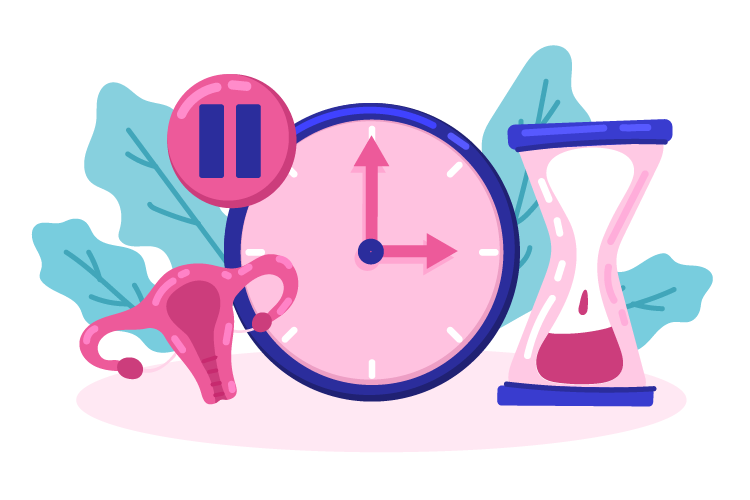
Sometimes, insomnia can also be associated with endocrine imbalances and reduced fertility, and, in women, the onset or worsening of sleep disturbances in the early stages of menopause, coinciding with the reduction in estrogen levels that characterizes the end of childbearing age, are typical.

FEATURED SPECIALISTS

  • Profile picture of Dr. Tiziana Volpe
    active 5 years, 6 months ago

    Gynecologists, Basic Doctors, Professional Counselor

    • Piazzale Jonio 50 - Roma
    phone
  • Profile picture of Dr. Giovanni Arrichiello
    active 5 years, 6 months ago

    Gynecologists, Basic Doctors

    • Corso Regina Margherita 260 - Torino
    phone
  • Profile picture of Dott.ssa Anna Puccio
    active 5 years, 6 months ago

    Gynecologists, Basic Doctors

    • Via Vincenzo Ponsati 69 - Volvera
    phone
  • Profile picture of Dr. Monica Gamba
    active 5 years, 6 months ago

    Aesthetic Doctors, Plastic Surgeons, Basic Doctors

    • Viale Radich 21/N - Grugliasco
    phone
  • Profile picture of Dr. Vittorio Margutti
    active 5 years, 6 months ago

    Orthopedists, Basic Doctors

    • Via Marco Simone Poli 1 - Guidonia Montecelio
    phone

RELATED ARTICLES

Panic attacks and addictions

Sometimes disorders such as panic attack can also occur in the presence of other issues such as those related to the use of addictive substances, such as alcohol, nicotine, caffeine, and even more so amphetamines, drugs, or drugs such as cannabis or cocaine.

The management of complexity

The Internet offers many insights into the theme of complexity, a web in which one can become bound with no way out. Daily life is characterized by stimuli, problems, unexpected

What if we rewrote our history!

By Cristina Martinucci – Life Coach, NLP, Lausanne, Switzerland We have had life experiences that have marked us as human beings. Our life consists of a series of magnificent experiences

Are you familiar with Alzheimer’s disease?

It is becoming increasingly common, especially because of of the aging population, and much feared, because its effects on intellectual function are burdensome, and the available therapies do not still

Family dysautonomy

Involuntary nervous system dysfunction, or familial dysautonomia, is a genetic disorder that goes to groups of nerve cells, which are not properly developed and do not survive.

RELATED PATHOLOGIES

Hemorrhagic stroke

According to the official definition of the World Health Organization (WHO), stroke corresponds to a “sudden onset of signs and/or symptoms referable to local and/or global deficits in brain function,

Spinal canal stenosis

Spinal canal stenosis consists of the narrowing of a section of the canal present along the entire spine (formed by the aligned succession of small holes in the center of

Deep brain stimulation

The deep brain stimulation (Deep Brain Stimulation, DBS) is a neurosurgical method involving the implantation in the brain of electrodes which, appropriately positioned and activated by a pulse generator inserted

Sleep and mood disorders

Sleep disorders and mood disorders are linked by a double thread and articulately affect each other. Decades of studies and clinical-practical experience, both in the field of Sleep Medicine and

Obstructive sleep apnea syndrome

Obstructive sleep apnea is the most prevalent type of sleep apnea: a category of disorders united by the occurrence of repeated interruptions of normal breathing while sleeping, due to a

Emotional crisis

In current usage, the word “crisis” has a dramatic meaning, i.e., the transition from a condition of stability to a variability of previously assumed equilibria, holding homeostasis as the sole

Bruxism

Bruxism is a condition in which you grind your teeth: it can happen, unconsciously, in a waking state or, more often, during sleep. People who clench or grind their teeth

Morton’s neuroma

Morton’s neuroma consists of a thickening of the tissue surrounding a nerve tract present in the sole of the foot at the anterior (forefoot) support area, usually at the base

Bipolar disorder

Bipolar disorder is a complex and delicate mood disorder to manage that leads sufferers to experience periods of depressed mood, characterized by symptoms similar to those of major depression, alternating

Alcoholism

Alcoholism is a real disease because of the way it presents itself, the disorders it causes, and the symptoms it gives the patient. The term Alcoholism is used when disorders

FEATURED SPECIALISTS

  • Profile picture of Dott.ssa Carmela Tizziani
    active 5 years, 6 months ago

    Coroner, Certifying Doctor, Basic Doctors

    • Via Gaetano Bruno 25 - Napoli
    phone
  • Profile picture of Dott.ssa Francesca Vittorelli
    active 5 years, 6 months ago

    Therapist, Acupuncturists, Basic Doctors

    • Corso Andrea Palladio 134 - Vicenza
    phone
  • Profile picture of Dr. Giuseppe Lepore
    active 5 years, 6 months ago

    Dermatologists, Basic Doctors, General Surgeons

    • 19 Via Manzoni Alessandro - Garbagnate Milanese
    phone
  • Profile picture of Studio Medico San Pellegrino
    active 5 years, 3 months ago

    Sports Doctors, Basic Doctors

    Spread the word!

    Recommend this special

    doctor to a friend

    message phone house
    visit
    video
    consulting
    WhatsApp conferences
    and webinars
  • Profile picture of Dott. Flavio Della Croce
    active 5 years, 6 months ago

    Psychotherapists, Basic Doctors

    • Via Sacconi 1 - Borgonovo Val Tidone
    phone

prenota il tuo viedeoconsulto in convenzione

Completa il form e sarai contatto dal personale medico specializzato

your advertising
exclusively ON
MY SPECIAL DOCTOR

complete the form and you will be contacted by one of our managers