



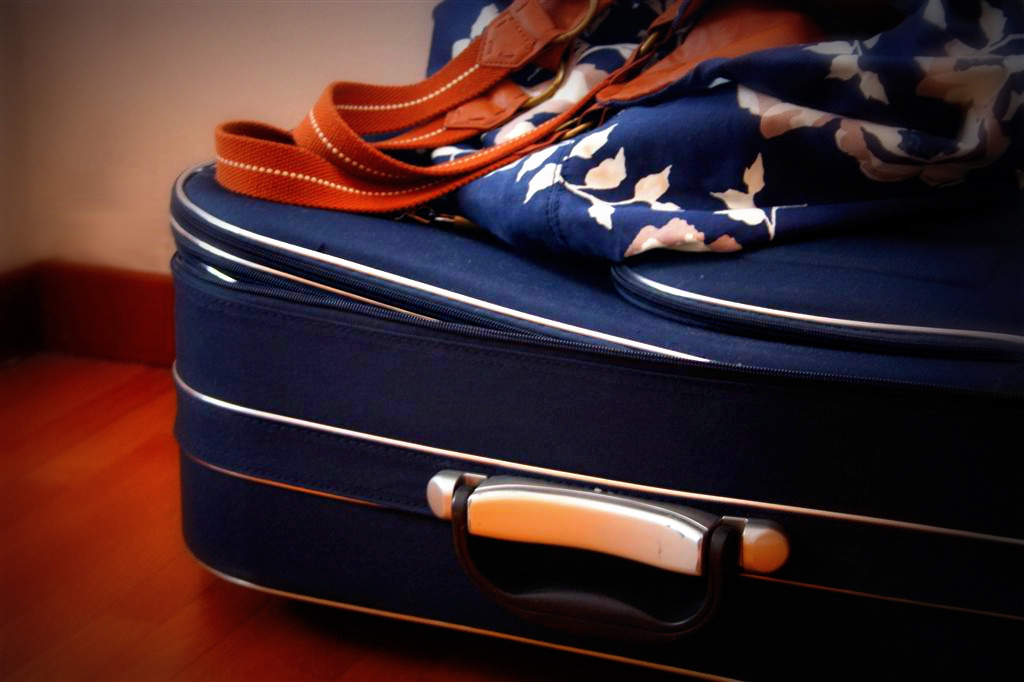
Ready to go? As you try to close suitcases that always seem too small to hold the essentials and finish planning your trip, trying to anticipate smart departures so you don’t run into black marks and congested stations or airports, don’t forget about your back. If you are about to embark on a trip of several hours and are past “age,” neglecting the effects of prolonged time behind the wheel or in the seat of a train or plane may not be a good idea. And your back will not fail to point this out to you, with soreness that could ruin your first few days of vacation. Here are some useful tips to prevent discomfort and ease travel when low back pain is already present.
back
Neck and back injuries

In the case of a traffic accident, from falls or from diving, all victims should be treated as if they had a spinal cord injury. As a result, victims may also report head injury, numbness, weakness or burning sensation in the limbs, paralysis of the arms, deformity, and pain in movement. It is necessary to examine spinal function by swiping the sole of the foot toward the big toe with a wrench or other sharp object. If the big toe bends downward the reaction is normal, but if the big toe bends upward it is a spinal or brain injury. At this point ask the conscious victim a series of questions:
- “Do you feel pain?” Neck injuries radiate pain to the arms, upper back injuries radiate pain along the ribs, lower back injuries radiate the pain along the legs.
- “Can you move your feet?” The rescuer must ask the victim to move your foot against his hand. If he fails in this movement, he will It is probably a spinal cord injury.
- “Can you move your fingers?” If the victim is able to move his or her fingers, the pathways nerves are intact.
If the victim is unconscious try to provoke Of reactions by shaking hands and feet. The absence of reaction could indicate spinal cord injury.
What to do?
- Check the ABCHs and call the ambulance.
- Leave the victim in the position he or she is in.
- Immobilize the victim to prevent him or her from moving.
If the victim is lying down, grasp the victim’s clavicle and trapezius muscle and lift the head between the inner side of your forearms. Keep the head and neck immobile until the ambulance arrives.
Source: Mediserve‘s Pocket Guide to First Aid.
Acute lumbago: causes and treatment

In acute low back pain (abbreviated: LA), one experiences sharp and sudden pain in the lower back area. Usually the trigger is an innocuous movement performed during exercise or daily activity. Even a simple movement such as bending, turning, or straightening can give rise to low back pain. Because of the intensity of back pain, the cause of the disorder is often attributed to the occurrence of a herniated disc. However, the causes of acute low back pain are often more harmless and heal without any complications.