



of

Respiratory failure

insufficienza_respiratoria

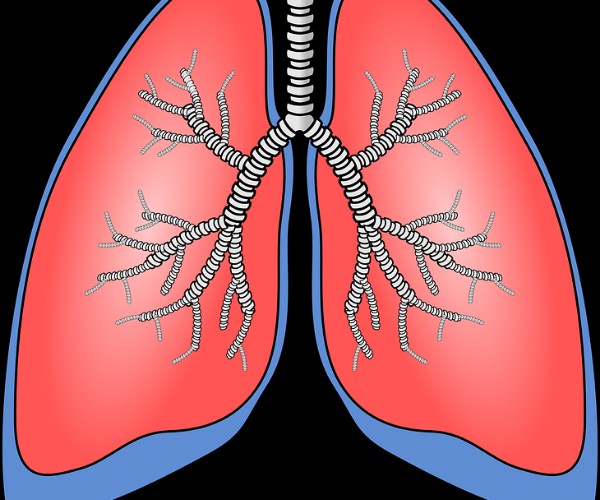
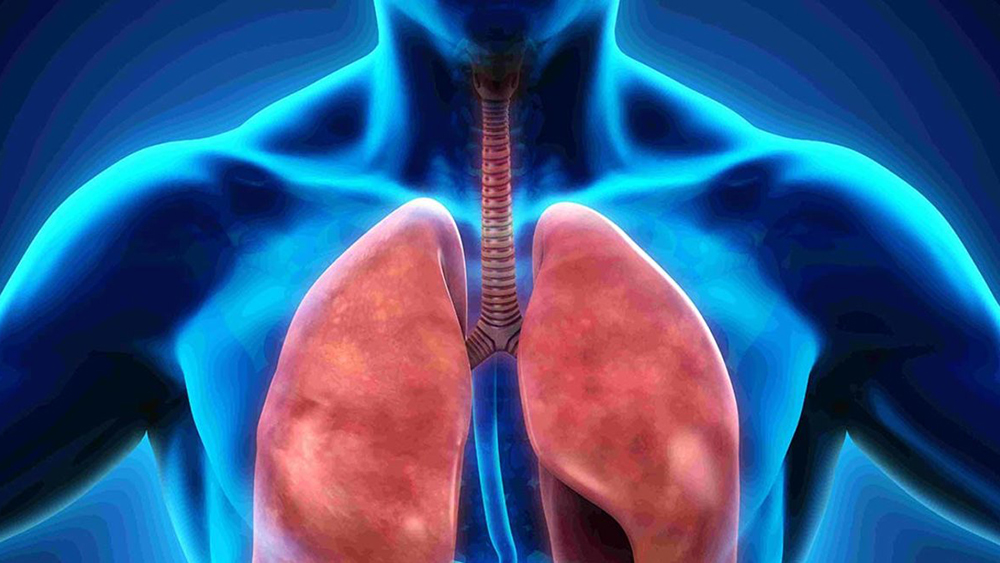
A condition of “respiratory failure” is present when the respiratory system is unable to ensure efficient gas exchanges through the lungs, preventing the maintenance of an adequate balance between oxygen (O2) and/or carbon dioxide (CO2) levels in the blood.

When only low plasma O2 concentration is present, there is “hypoxemic” (type I or partial) respiratory failure, commonly found in association with lung diseases such as pneumonia or pulmonary edema. When a higher-than-normal plasma CO2 concentration is also present, we speak of “hypercapnic” (type II or total) respiratory failure, typically associated with severe/advanced forms of chronic obstructive pulmonary disease (COPD) and asthma.

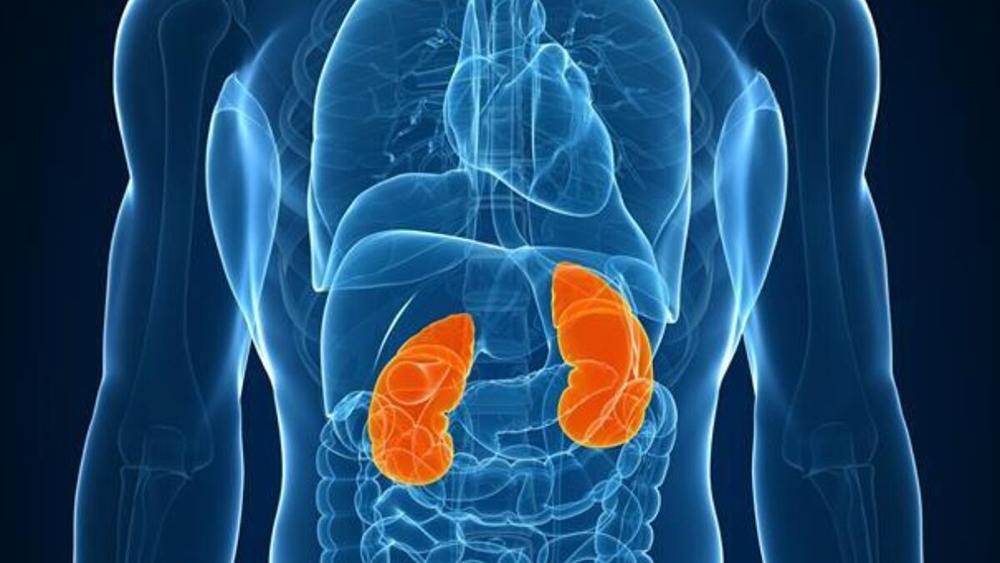
Excess CO2, which in plasma is transformed into carbonic acid (H2CO3) and hydrogen carbonate (HCO3-), promotes a decrease in blood pH from neutral to weakly acidic. This condition is partially corrected by the kidneys, which “buffers” the pH of the blood, bringing it back toward neutrality, by increasing the plasma concentration of HCO3- (which is more reabsorbed by the renal tubule rather than excreted with urine).

However, when respiratory failure and increased plasma CO2 concentration are significant, the renal homeostatic mechanism is no longer sufficient to ensure a neutral blood pH, and so-called “respiratory acidosis” is established, a condition that is in effect a medical emergency since most of the body’s basic physiological functions are set to take place in the presence of a blood pH around 7.3-7.4.

Respiratory failure may be acute or chronic: the former arises quickly and suddenly (for example, due to chest trauma or epiglottis edema on an allergic basis); the latter has a more gradual onset and may persist for months or years, worsening abruptly due to extemporaneous phenomena such as acute respiratory inflammation or infection (as occurs, for example, during COPD or pulmonary fibrosis flare-ups).

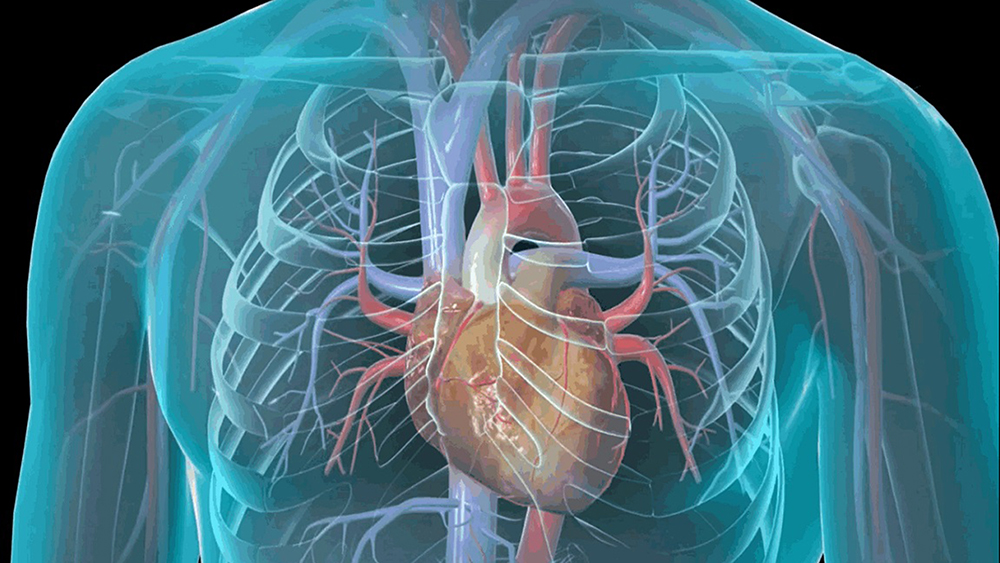
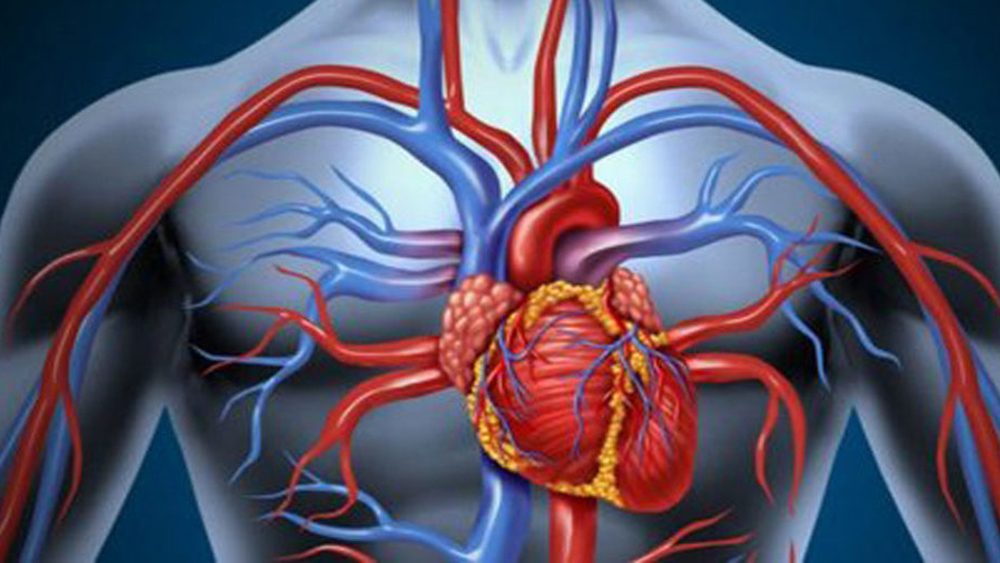
Those with chronic respiratory failure often also have what is known as “pulmonary heart,” a cardiac condition characterized by dilatation of the right ventricle of the heart, resulting in impaired pump function and onset of right heart failure.

FEATURED SPECIALISTS

  • Profile picture of Dott.ssa OLGA PETROVSKAIA
    active 5 years, 8 months ago

    Pain therapists, Basic Doctors, Therapist

    • Via Giulio Romano 3 - Valle Martella
    phone
  • Profile picture of Dott. Sandro Morganti
    active 5 years, 8 months ago

    Orthopedists, Basic Doctors, Osteopaths

    • Via Foligno 6 - Roma
    phone
  • Profile picture of Dr. Roberto Zaffaroni
    active 5 years, 8 months ago

    Basic Doctors, Therapist

    • Via San Francesco D' Assisi 5 - Varese
    phone
  • Profile picture of Dott. Franco Cicerchia
    active 5 years, 8 months ago

    Ophthalmologists, Acupuncturists, Basic Doctors

    • Via Alcide de Gasperi 39 - Palestrina
    phone
  • Profile picture of Dott.ssa Monica Calcagni
    active 5 years, 8 months ago

    Gynecologists, Aesthetic Doctors, Basic Doctors

    • Via Casilina 32 - Arce
    phone

RELATED ARTICLES

Bronchial asthma in children

Asthma bronchial is due to mucosal edema and stagnation of sputum. To evaluate the severity of asthma it is necessary to reconstruct the patient’s life through previous hospitalizations, feeding and

Colds: causes, symptoms and treatment

A cold is an acute respiratory infection of viral origin that primarily affects the nose and throat and may be accompanied by coughing. Once affected by the viruses, the nasal

Bronchiectasis

Bronchiectases are irreversible dilatations of airway tracts (bronchi) due to lesions of the bronchial walls.   The most common cause is severe or repeated respiratory infections, often in people with

How to treat the flu

The flu is an infectious disease, caused by a virus. It presents with fever, muscle and joint pain, nasal congestion, and headache.The flu has a high contagiousness, coupled with the virus’ ability

Types of poisoning: phosphine

Phosphine is highly toxic. Therefore, to safeguard those who are forced to use it, they are preparations were made that generate the gas on the ground. Phosphine, a when inhaled,

Methods of poisoning: barbiturates

Today, compared with years past, barbiturate poisoning has greatly decreased, as they are no longer prescribable as before. Short- and medium-acting barbiturates are more toxic than long-acting ones. The mode

Lung disorders: pleurisy

Viral pleurisy is a viral infection of the pleura (the thin, transparent, two-layered membrane that covers the lungs), which, typically, causes chest pain on breathing or with coughing. Viral pleurisy

RELATED PATHOLOGIES

Bronchiectasis

The term “bronchiectasis” refers to a respiratory condition affecting the bronchi that is characterized by the presence of dilatations and degeneration of bronchial tissue, associated with the presence of “mucus

Pulmonary emphysema

Emphysema is a respiratory condition that is part of the clinical picture characteristic of chronic obstructive pulmonary disease (COPD) and is characterized by a progressive destruction of the lung septa

Rhinitis

Like all medical terms ending in “ite,” rhinitis refers to a situation of inflammation that specifically affects the mucous membranes of the nose (from the Latin, rhino) and can have

Bronchial asthma

Bronchial asthma is a chronic respiratory disease brought about by persistent inflammation of the airways, particularly the bronchi, which generates hypersensitivity to a variety of stimuli that, when present, result

Tuberculosis

Tuberculosis is a chronic-onset infectious disease that primarily, but not only, affects the respiratory system. Dreaded until the 1940s in Western countries, tuberculosis was almost forgotten in the following decades,

Pneumonia

Pneumonia is a respiratory disease characterized by acute inflammation of the alveoli and/or interstitial spaces of the lungs, induced by different causes that are not always easy to identify. Inflammation

Food allergies and intolerances

Physical reactions to certain foods are common, but for the most part they are caused by afood intolerance rather than a food allergy. A food intolerance can cause some of

Obstructive sleep apnea

Repetitive episodes of upper airway obstruction may occur during sleep, often accompanied by reduced oxygen saturation. Such episodes are accompanied in almost all cases by snoring. Apneas often end with

Bronchitis

The term bronchitis refers to an acute inflammation of the trachea and bronchi that generally arises as a result of a viral or, more rarely, bacterial infection. In overall healthy

Allergic asthma

Allergic asthma is a chronic disease that affects the airways and, in particular, the bronchi, which are the channels that allow the passage of air to and from the lungs.

FEATURED SPECIALISTS

  • Profile picture of Dott.ssa Maria Grazia Caruana
    active 5 years, 8 months ago

    Aesthetic Doctors, Basic Doctors

    • Viale Prassilla 41 - Roma
    phone
  • Profile picture of Dr. Monica Gamba
    active 5 years, 8 months ago

    Aesthetic Doctors, Plastic Surgeons, Basic Doctors

    • Viale Radich 21/N - Grugliasco
    phone
  • Profile picture of Dott.ssa Francesca Vittorelli
    active 5 years, 8 months ago

    Therapist, Acupuncturists, Basic Doctors

    • Corso Andrea Palladio 134 - Vicenza
    phone
  • Profile picture of Dr. Sergio Ettore Salteri
    active 5 years, 8 months ago

    Basic Doctors, Chiropractors, Posturologists

    • Via Vial di Romans 8 - Cordenons
    phone
  • Profile picture of Dott. Domenico Napolitano
    active 5 years, 8 months ago

    Gynecologists, Basic Doctors, Aesthetic Doctors

    • Viale Orazio Flacco 5 - Bari
    phone

prenota il tuo viedeoconsulto in convenzione

Completa il form e sarai contatto dal personale medico specializzato

your advertising
exclusively ON
MY SPECIAL DOCTOR

complete the form and you will be contacted by one of our managers