





Summary
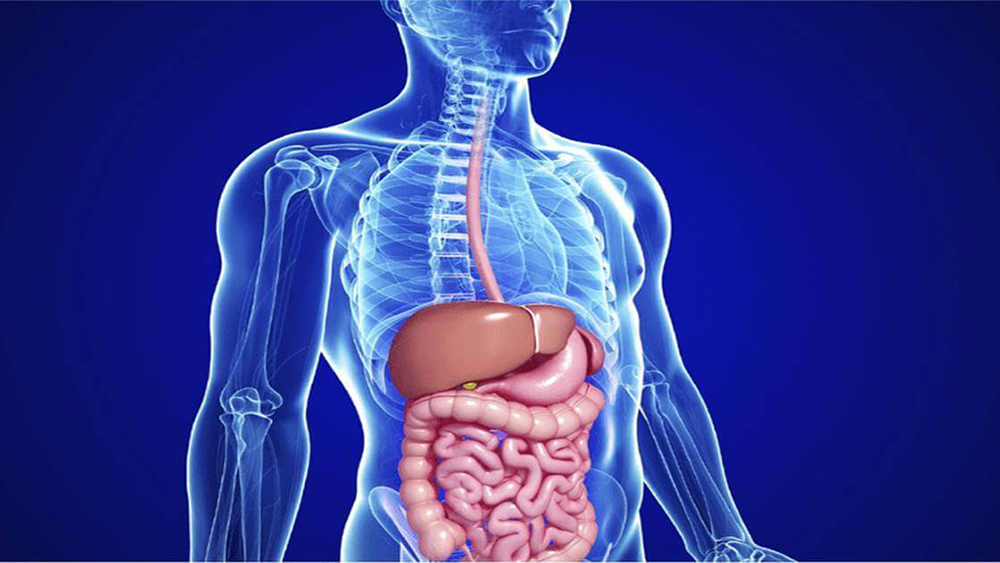
This disease, once called “juvenile diabetes,” basically results from the way the body converts food into energy. It occurs when the immune system attacks and destroys the islet cells of the pancreas. These cells produce insulin, a hormone used to process glucose in the blood.
Causes
What are the causes of type 1 diabetes? They are not entirely certain. It is thought that it may be related to a person’s genetics, which may also trigger immune mechanism. Type 1 diabetes can occur at any age, but it is most often diagnosed in children and young adults.
Symptoms
Type 1 diabetes can make you feel hungry, thirsty and fatigued, cause sudden weight loss . Make one feel the need to urinate frequently. Vision may be blurry or even have a loss of consciousness. These symptoms can develop rapidly.
Treatment
Type 1 diabetes is managed with insulin therapy, but sometimes with other medications. There is a need to focus on proper diet and exercise. Looking to the future, doctors are investigating pancreas and insular cell transplants as a possible cure for the disease.
Complications
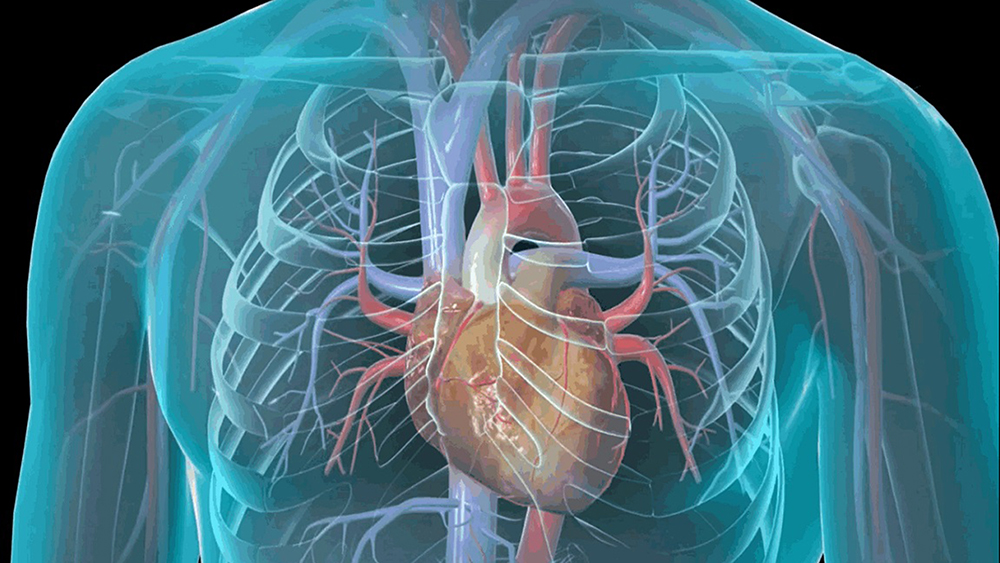
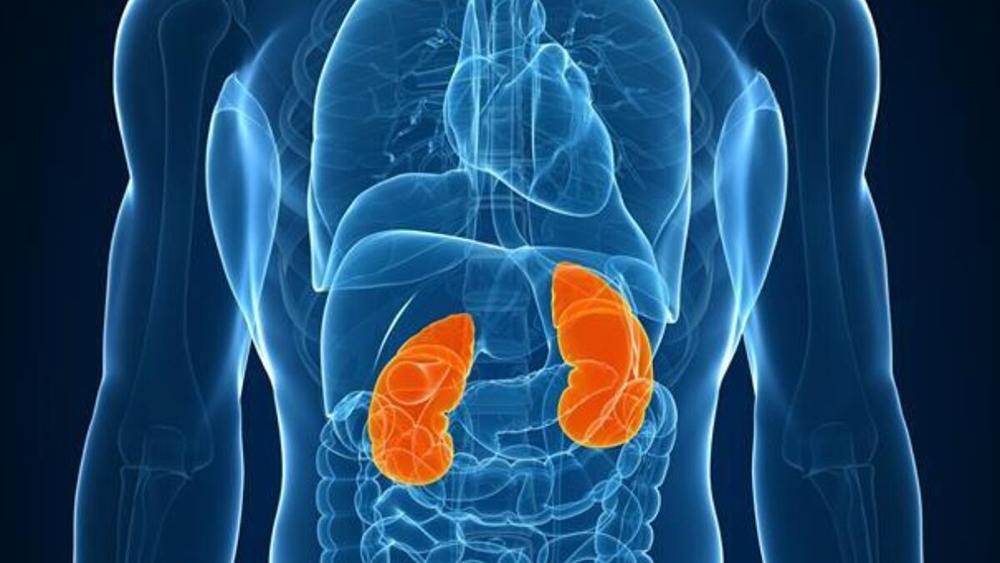
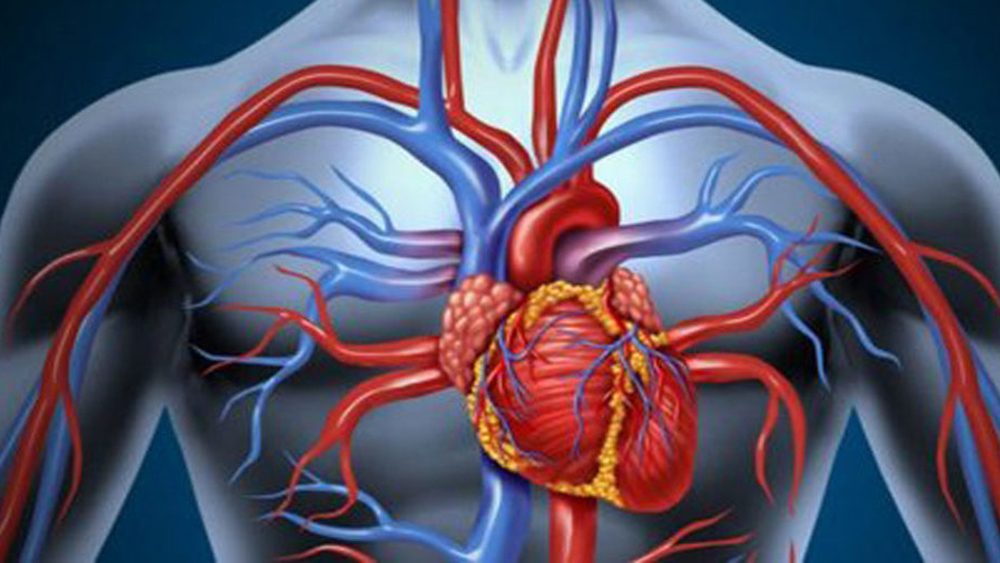
Without proper treatment, type 1 diabetes can lead to a wide range of serious problems, such as heart disease, stroke, and kidney disease. It can affect the eyes and oral health. It can cause issues with the legs and feet, as well as various other problems.
However, by following a diligent care plan, it is possible to live a healthy life. Ask your doctor for more information on this.
Overview
This disease, once called “juvenile diabetes,” is aproblem with the way your body converts food toenergy. It happens when your immune systemattacks and destroys islet cells in the pancreas.These cells produce insulin, a hormone used toprocess blood glucose.
Causes
What causes Type 1 diabetes? We aren’t sure. Wethink it may be linked to your genetics. It may alsoinvolve a trigger. You can develop Type 1 diabetesat any age. But it’s most often diagnosed in childrenand young adults.
Symptoms
Type 1 diabetes can cause you to feel hungry,thirsty and fatigued. You may lose weight suddenly.You may need to pee very often. Your vision maybe blurry. You can even lose consciousness. Thesesymptoms can develop quickly.
Management
Type 1 diabetes is managed with insulin therapy.You may need other medications, too. You’ll needto focus on proper diet and exercise. Looking to thefuture, doctors are studying pancreas and islet celltransplants as a possible cure for the disease.
Complications
Without proper care, Type 1 diabetes leads to awide range of serious problems, such as heartdisease, stroke and kidney disease. It can affectyour eyes and your oral health. It can causeproblems in the legs and feet. And you may haveother issues. But by following your care plan, youcan live a healthy life. Ask your doctor for moreinformation.