



A new video podcast by My Special Doctor
by Dr. Maria Chiara Villa
and Dr. Piercarlo Salari
The activity of the nutritionist

 Redazione My Special Doctor
A new video podcast by My Special Doctor
by Dr. Maria Chiara Villa
and Dr. Piercarlo Salari
A new video podcast by My Special Doctor
by Dr. Maria Chiara Villa
and Dr. Piercarlo Salari
A new video podcast by My Special Doctor
by Dr. Maria Chiara Villa
and Dr. Piercarlo Salari
A new video podcast by My Special Doctor
by Dr. Maria Chiara Villa
and Dr. Piercarlo Salari
A new video podcast by My Special Doctor
presented by Dr. Maria Chiara Villa
and Dr. Piercarlo Salari
A new video podcast by My Special Doctor
curated by Dr. Maria Chiara Villa
and Dr. Piercarlo Salari
A new video podcast by My Special Doctorcurated by Dr. Maria Chiara Villaand Dr. Piercarlo Salari
A new video podcast by My Special Doctor
by Dr. Maria Chiara Villa
and Dr. Piercarlo Salari

A new video podcast by My Special Doctor
by Dr. Maria Chiara Villa
A new video podcast by My Special Doctor
curated by Dr. Maria Chiara Villa
and Dr. Piercarlo Salari
A new video podcast by My Special Doctor
by Dr. Maria Chiara Villa
and Dr. Piercarlo Salari
(click the link above to listen to the Podcast by Dr. Piercarlo Salari)

A new word wanders into articles and discourse: gaslighting.
Gaslighting is not a mental illness but rather a form of psychological manipulation.
The word goes back to a 1938 play “Gas Light,” from which a film was later made, titled “Anguish,” in which the main character makes his wife believe that everything he perceives, such as the increase or decrease in intensity
of gas lighting, is false, thus operating against her a real psychological abuse that brings the woman into a dimension of total insecurity and madness.
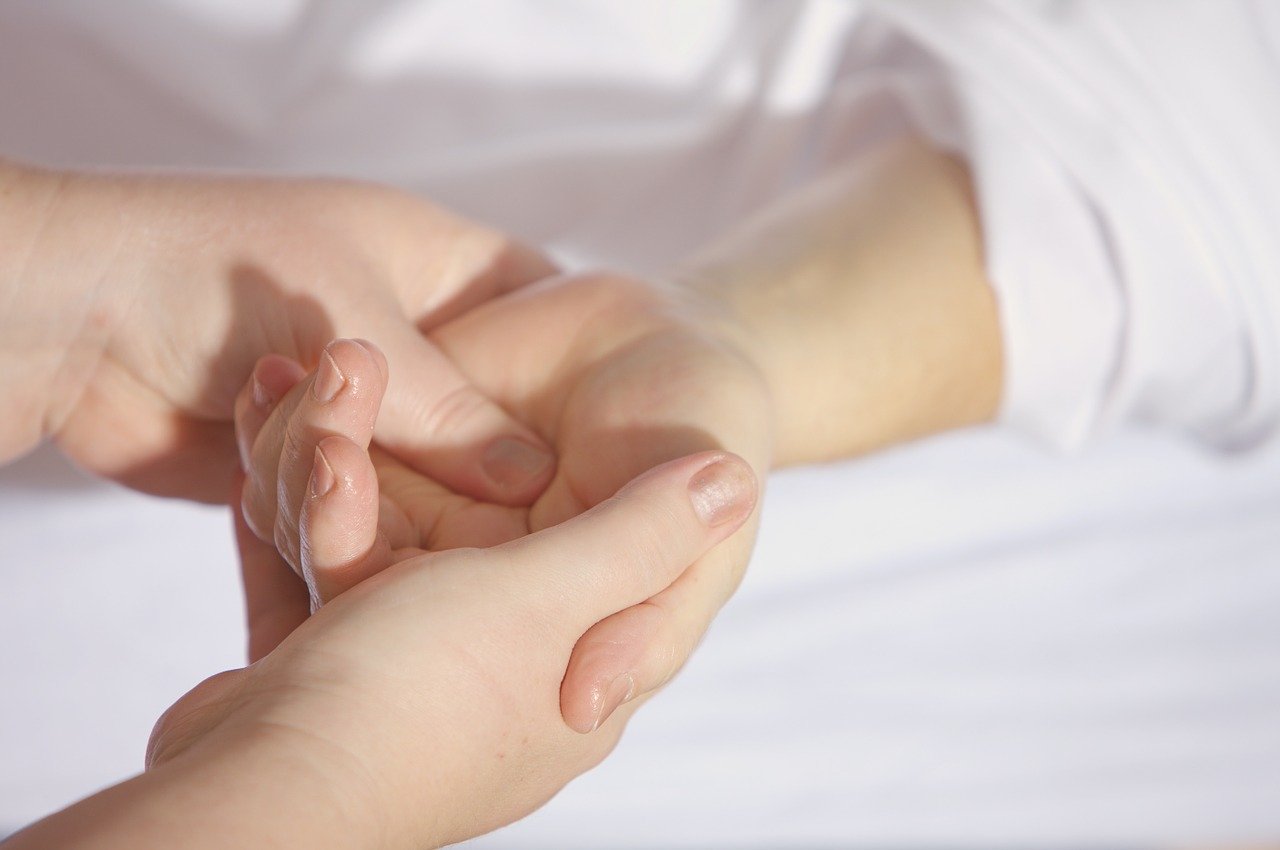
One of the unique features of fibromyalgia is the specific areas of the body that hurt when pressed. Healthy people would only feel the pressure exerted on their muscles. The symptom of pain is generally experienced by all patients.
Since traditionally no laboratory test or X-ray can confirm a diagnosis of fibromyalgia, one might think that the pain is not real but rather “present in their head.” Today the medical world recognizes the reality of fibromyalgia pain.
Research advances the hypothesis that pain may be caused by a problem in the body’s perception of pain.

So when we talk about gaslighting we are referring to a subtle, but no less terrible, form of psychological and emotional abuse that takes place when someone who is granted affective authority (a parent, friend, partner) or real authority (a professor, boss, etc.) systematically challenges the beliefs, perceptions and memories of another who is emotionally dependent on him or her.

These manipulative behaviors are not always conscious; sometimes they are used to deflect attention to issues that do not negatively involve the subject, suggesting another person’s fault or responsibility.

Gaslighting thus encompasses a range of behaviors that have as their goal to maintain power over the other, denying reality, accusing him of misremembering, misunderstanding, misperception, etc.; ultimately of over-sensitivity, confusion or insanity.
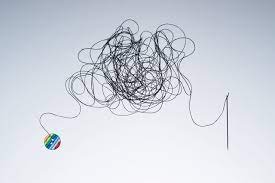
The person may then begin to doubt his perceptions, his memories, his feelings–a little by little his perception of himself and his stability is undermined. Doubt, guilt, need to repair or escape from anxious situations then take over.

Gaslighting can always occur in relationships where there is no balance of power between the partners. In this sense, even in the doctor-patient relationship when the doctor does not listen to what the patient has to say to him or her and, out of incompetence or a defensive attitude, does not give him or her the credit that should be given to someone who, as a sick person, certainly has specific expertise.


This makes a difference: in one case clear boundaries are to be established and one must, even making it explicit, seek greater clarity of communication; in the other, perhaps a proper distance must be established.
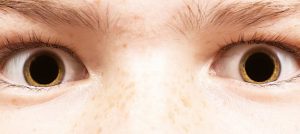
It is certain clinical signs that determine the. diagnosis of cardiac arrest: a respiratory arrest, the absence of a pulse, and a reduced state of consciousness. A blood pressure measurement is impractical; there is dilation of the pupils, which appear unresponsive to external stimuli such as light.
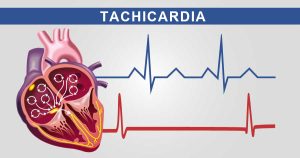
Tachycardia or ventricular fibrillation may occur, or asystole or even a bradycardic rhythm with no discernible pulse. The assessment of the adult patient is done according to possible treatments, considering the electrolyte picture and oxygenation levels. In the case of pediatric patients, glycemic values are taken into account.
Causes of cardiac arrest are not easily detected during cardiopulmonary resuscitation. Clinical examinations, chest ultrasonography, and chest radiography can sometimes find the presence of a pneumothorax. Echocardiography can detect cardiac contractions and detect conditions such as right ventricular overload that may herald pulmonary embolism, or severe hypovolemia, or left ventricular abnormalities that may result in myocardial infarction.
Rapid laboratory tests often detect abnormal levels of potassium, allowing it to be understood that the cardiac arrest was caused by a secondary arrhythmia.
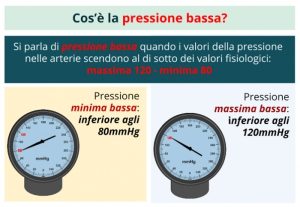

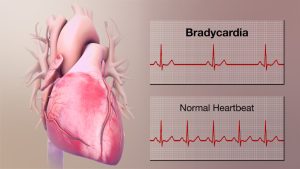

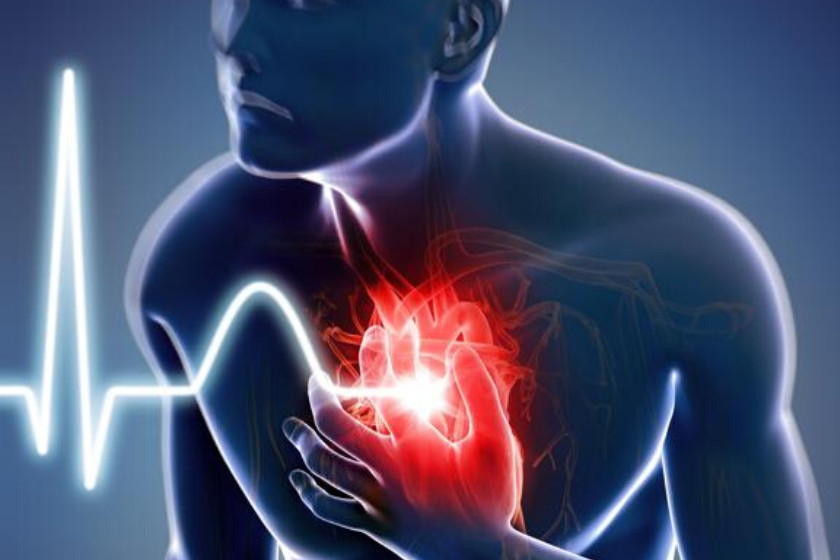
Cardiac arrest consists of the cessation of mechanical cardiac activity resulting in circulatory blockage of blood. interrupting the flow of blood to vital organs, causes the absence of oxygen and, unless emergency treatment is given, cardiac arrest results in death.

A new My Special Doctor podcast
With some useful pointers for upcoming vacations.
There is no minimum age, but it is best to wait until the first ten days of life.
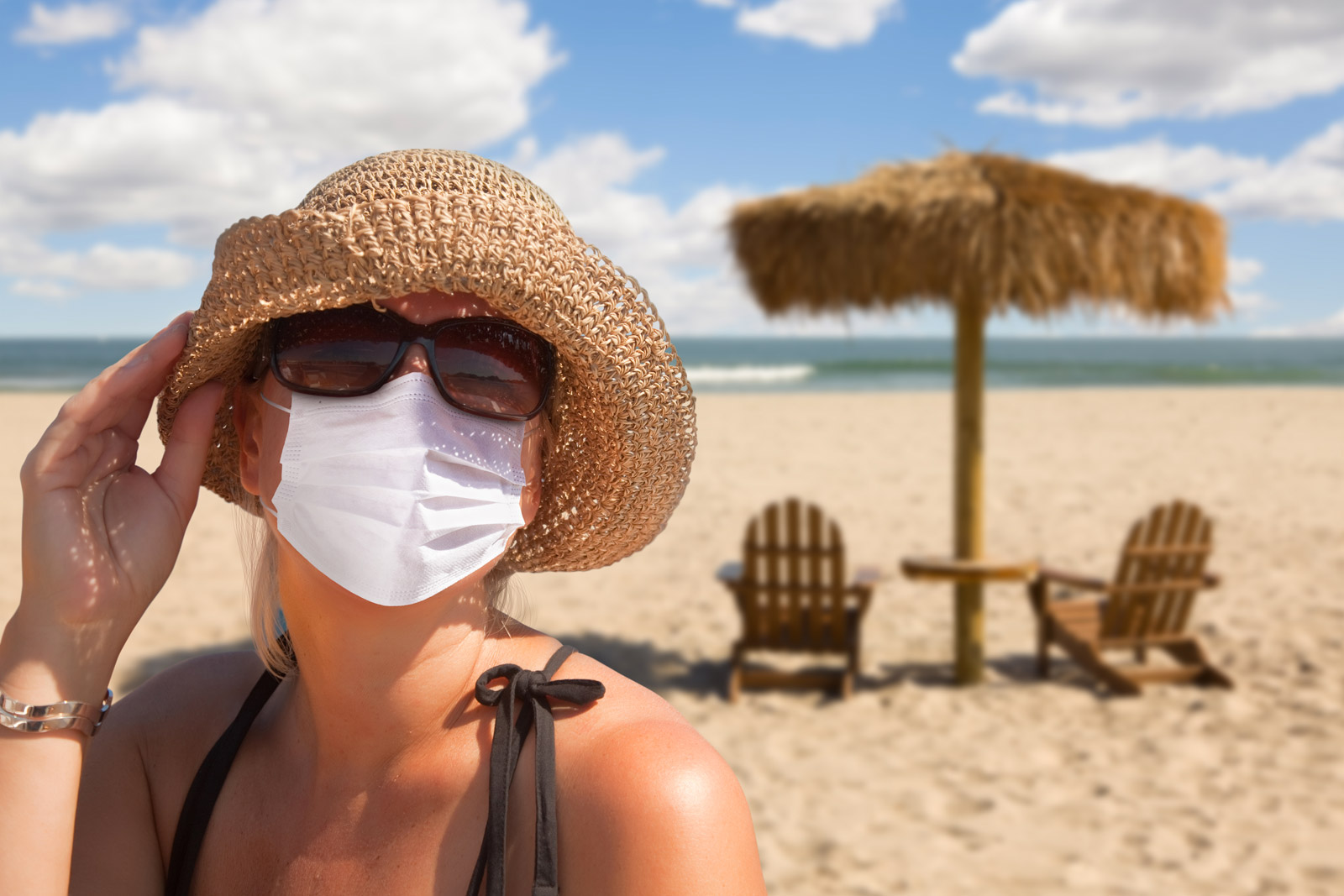
There are no places that are absolutely recommended or not recommended. The mountains offer cooler weather than the city or the sea, but it is good to avoid altitudes above 2000/2500 meters and plan to stay for a few days. At the beach, it is crucial to avoid outings in the middle hours of the day and direct exposure to sunlight. The countryside offers calm, silence, shade and a temperate climate-all valuable elements for the rest and serenity of the child and the whole family.
There are no prohibitions, only important directions to follow in order to travel safely.
An infant can travel by car by ensuring appropriate climatic conditions inside the passenger compartment, setting out during cooler hours without abusing the air conditioning and providing a stop every two to three hours. The train provides more space to move around, to stroll and to place the stroller or baby carrier if needed. In the airplane, during the flight, in addition to due care to avoid temperature changes, it is advisable to frequently stimulate the baby’s sucking, especially during takeoff and landing.
Exclusive maternal breastfeeding, or formula feeding in the absence of breastmilk, meets all the needs not only for calories but also for water, which are necessary to maintain the adequate hydro-electrolyte balance of the infant.
When the infant fails to feed regularly, it is good to know how to recognize any signs of dehydration, which should be immediately referred to the pediatrician for evaluation: poor urine output (often dry diaper), dryness of mucous membranes, dimpling of the anterior fontanelle, irritability or drowsiness, and changes in body temperature.
An infant should never be exposed directly to sunlight, and this is the best way to prevent sunburn and erythema. Routine use of sunscreens on infants is, therefore, not recommended; occasionally and in special situations, creams with a physical filter (e.g., zinc oxide), high filtering power and not too greasy can be used on exposed areas.
The air conditioner is not contraindicated, but it is good to clean the filters, not to go below 22-23 degrees temperature, and not to direct the airflow to the child.
Clearly it depends on the climate of the chosen vacation location. For warm, sunny climates, light-colored, natural-fiber clothing that leaves limbs uncovered and a light-colored, wide-brimmed hat to protect the little one from possible conjunctivitis from sun exposure is preferable. A cotton blanket and jacket can be useful in the evening hours, when more moisture is felt or when temperatures drop.
Outdoor walks with the band, read alouds, massage, soft music, tummy time (i.e., putting the infant on his stomach, exclusively when he is awake, an exercise that strengthens muscles and stimulates motor and sensory development) and various sensory stimulations (e.g., Dad’s voice with the sound of waves or birds in the background) are valuable experiences for the infant.
Bathing in the sea or swimming pool, on the other hand, is not recommended in the first few months of life because of the unsuitable temperature, composition and possible contamination of the water.
The most correct prevention, especially in the evening hours, is using barrier methods, such as mosquito nets placed on cribs, baby carriages and possibly on windows as well. Devices that give off potentially toxic chemicals and repellent sprays to be sprayed on the skin are not recommended.
If problems emerge, the pediatrician/neonatologist should be consulted, who can give advice on how to treat the disorder and prescribe medication if deemed appropriate. In addition to saline solution for nasal washes, creams against skin redness and Vitamin D supplements, as recommended by the pediatrician, it is advisable to carry an antipyretic, to be administered as needed always and only after hearing the doctor’s advice. In addition, it is good to remember to estimate the timing for vaccinations, thus avoiding delaying the given dates by too much.
It is crucial to remind new parents that the vacation is not just for the newborn, but for the whole family. If there are little brothers and sisters, the vacation should be designed for them as well, always involving them in the care of the newcomer and carving out times exclusively for them. Parents should also keep in mind that what their children need most during the vacations is to have a peaceful mom and dad beside them. Rest, slowing down the pace and practicing pleasant and relaxing activities are the best strategies.

A new video podcast from My Special Doctor
Edited by Dr. Piercarlo Salari a specialist in pediatrics.
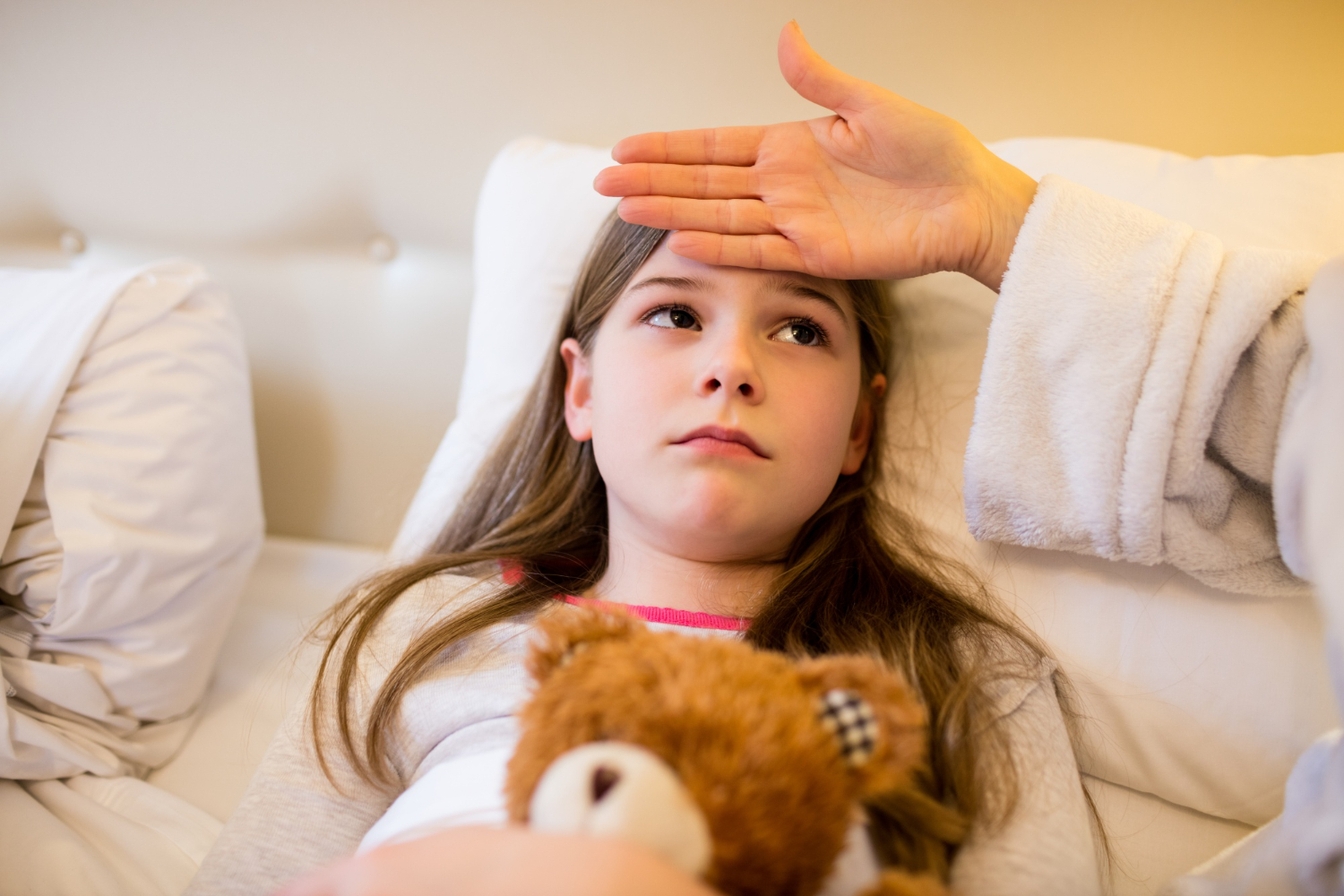
A new video podcast from My Special Doctor
Edited by Dr. Piercarlo Salari a specialist in pediatrics.

OSTEOPATIS

ACUPUNCTORS, HOMEOPATHIC MEDICINE, TRADITIONAL CHINESE MEDICINE

DENTIST

DENTAL HYGIENIST, NATUROPATHY
NEUROSURGEONS


Ophthalmologists, Acupuncturists, Basic Doctors

Basic Doctors, Therapist

Coroner, Certifying Doctor, Basic Doctors

Orthopedists, Basic Doctors

Aesthetic Doctors, Basic Doctors, Dermatologists











 MSD Handbook – Overview of Respiratory Arrest.