


of

Anemia

anemia

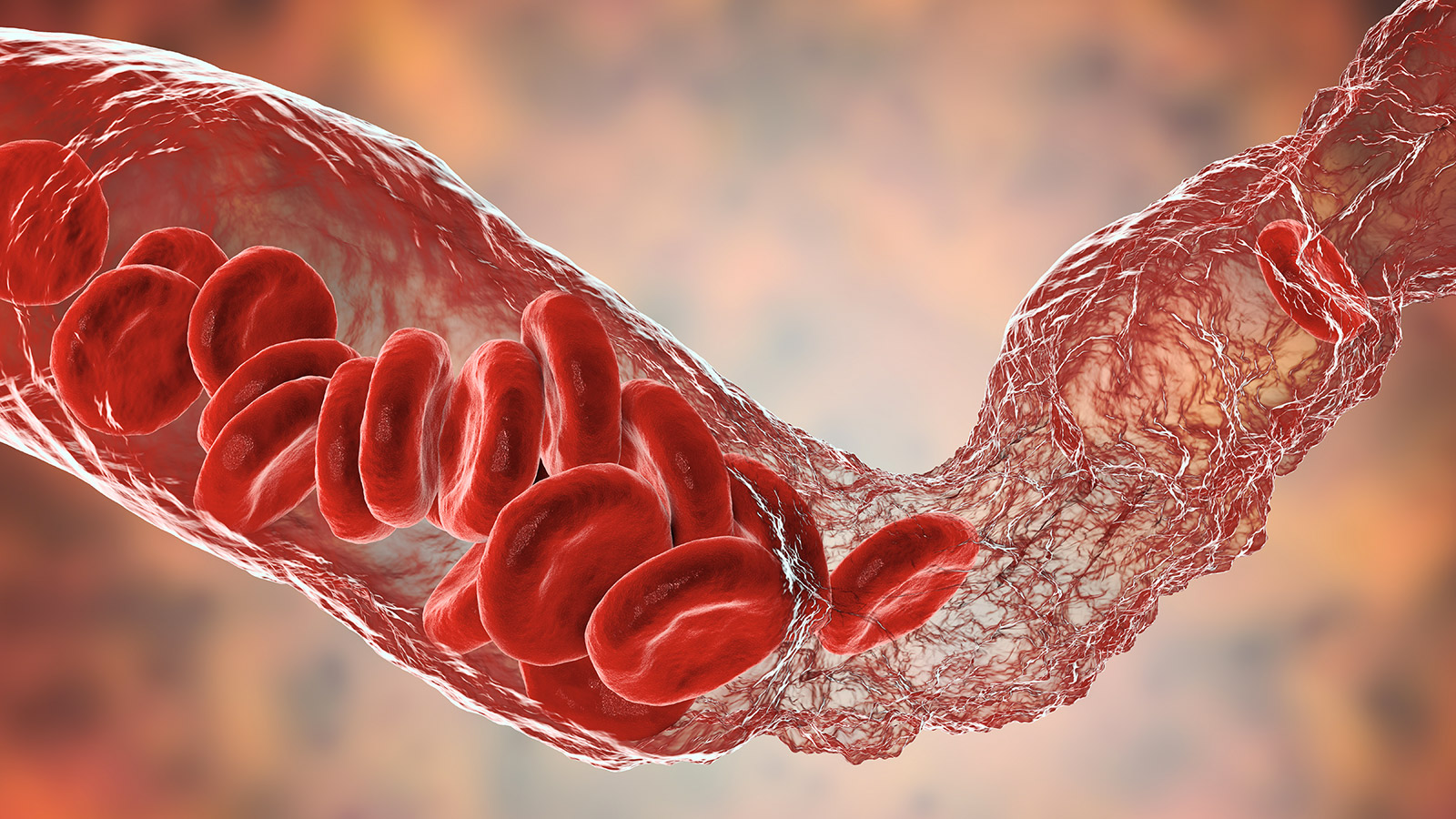
Anemia is the clinical condition in which the hemoglobin rate is less than the third percentile relative to the patient’s age group.

Symptoms appear in relation to the rapidity of onset, severity of anemia, and underlying pathology. If it is a rapid onset, headache, dizziness, tachycardia, and postural hypotension appear. At slow onset, however, pallor, progressive asthenia, irritability, and fatigue appear.

Essential laboratory tests are CBC with leukocyte formula, peripheral blood smear, VCM, reticulitis. In case of trauma or gastrointestinal bleeding, it is necessary to exclude diseases that require surgery. In case of clinical symptomatology with oxygen insufficiency, immediate transfusion therapy is recommended.

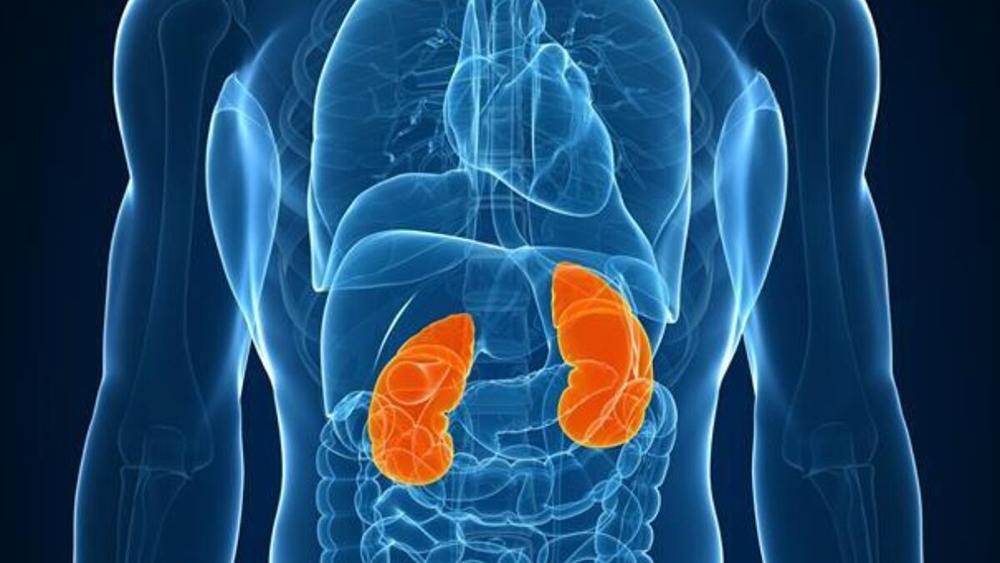
Another emergency situation is renal failure during massive intravascular hemolysis. Symptoms include lumbar ligament pain, hemoglobinuria, and progressive oliguria and anuria. Therapy in these cases requires intravenous hyperhydration and furosemide.

Source: Medical Emergencies in Pediatrics by Mediserve edited by Maurizio Vanelli

FEATURED SPECIALISTS

RELATED ARTICLES

Myxoedema: symptoms and monitoring

Myxoedema is the metabolic decompensation due to reduced thyroid hormone uptake. This condition is very rare in pediatric age. The main symptoms are drowsiness, lethargy, hypoventilation, hypothermia, and coma. Immediate

Anal fissures: symptoms and causes

Anal fissure is a wound, usually a linear or oval-shaped ulceration, several millimeters long and located at the level of the outer muco-cutaneous margin of the anus. It can occur

Urticaria in the child

A typical sign of urticaria in children is the papules that appear on the skin somewhat in relief and may be more or less reddened.

Blocked carotid arteries: when to intervene?

Obstruction of the carotid arteries (they carry blood and oxygen to the brain) can be treated with medication or by resorting to surgery. Tips for “cleaning” the vessels and preventing

What is plateletopenia?

The plateletopenia is the condition in which the number of platelets is lower to 150,000 mmc. This can occur due to reduced production, from sequestration or by an increase in

RELATED PATHOLOGIES

Carotid stenosis

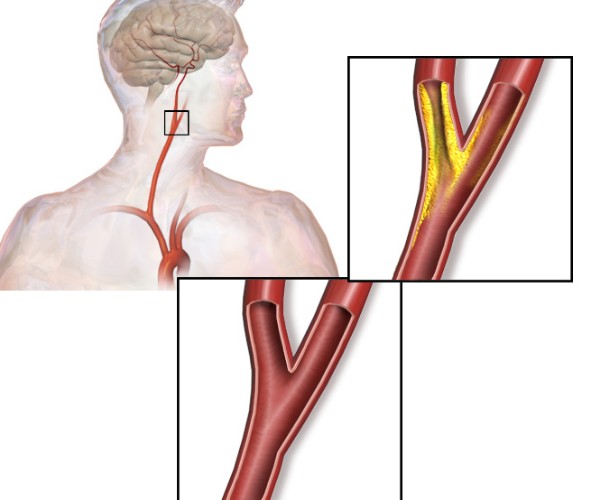
Carotid artery stenosis corresponds to a narrowing of the caliber of the carotid arteries, which are the main blood vessels supplying the brain with oxygen- and nutrient-rich blood (particularly glucose),

Hypertension

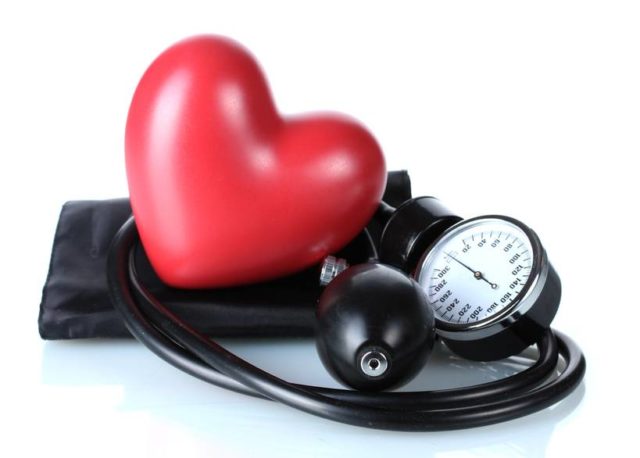
According to the ESH-ESC guidelines, hypertension is defined by the finding of systolic (maximum) blood pressure values ≥ 140 mmHg and/or diastolic (minimum) blood pressure values ≤ 90 mmHg. The

Peripheral arteriopathy obliterans

Peripheral arteriopathy obliterans is a vascular disease that affects the arteries, especially those in the legs, preventing the muscles and tissues from receiving adequate blood supply, resulting in symptoms of

Ventricular hypertrophy

Ventricular hypertrophy is a condition characterized by thickening and a loss of elasticity of the walls of the left ventricle (i.e., the left lower chamber of the heart), which thus

Mitral valve repair

Repair of an insufficient/deteriorated mitral valve can be done: Removing the malfunctioning segments of the valve leaflets; implanting “synthetic cords” (which replace the broken or “stretched” natural ones of the

Cardiac arrhythmias

The group of cardiac arrhythmias includes all conditions characterized by an alteration in the rhythm of contraction of the heart, either in excess or in defect or associated with irregularities

Diseases of the heart valves

Heart valve diseases comprise a large group of structural alterations and dysfunctions, congenital or more often acquired, that prevent the valves that separate the different chambers of the heart (atria

Aortic valvulopathy

When the aortic valve does not properly perform its function of pumping blood into the heart, an aortic disease condition occurs that also involves the left ventricle. Aortic valve disease

Heart failure

Heart failure corresponds to a condition in which the heart is unable to receive and/or pump blood with sufficient force to the lungs and the rest of the body, due

Heart failure (acute)

Acute Heart Failure (AHF) is a potentially life-threatening clinical condition that can result from the worsening of an already diagnosed chronic heart failure (heart failure) or represent its onset event.

FEATURED SPECIALISTS

prenota il tuo viedeoconsulto in convenzione

Completa il form e sarai contatto dal personale medico specializzato

your advertising
exclusively ON
MY SPECIAL DOCTOR

complete the form and you will be contacted by one of our managers