


of

Sun erythema: some practical tips against sunburn

eritema-solare-1217

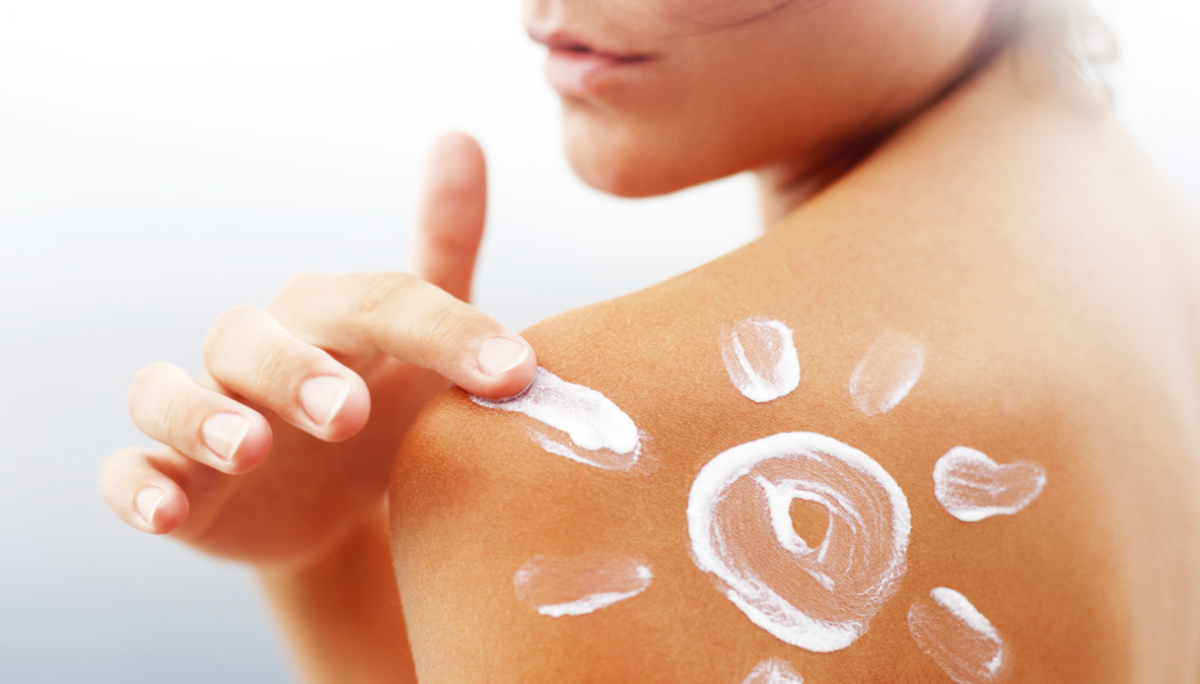
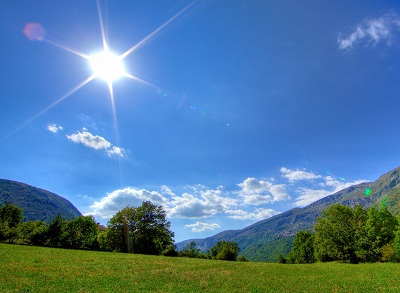
In summer, you know, it is time for sun, sea and well-deserved relaxation. Days spent at the beach or pool are a pleasant alternative to the many hours of work or study spent at the office and school. However, we need to protect ourselves with due care from the sun’s rays, especially during the hottest hours, as improper exposure to the sun’s UV rays could lead to serious consequences for our skin, many of which are truly painful. The most prevalent of all is undoubtedly sun erythema, or as it is more commonly called, sunburn, due to prolonged and excessive exposure to sunlight without proper protection for the skin.

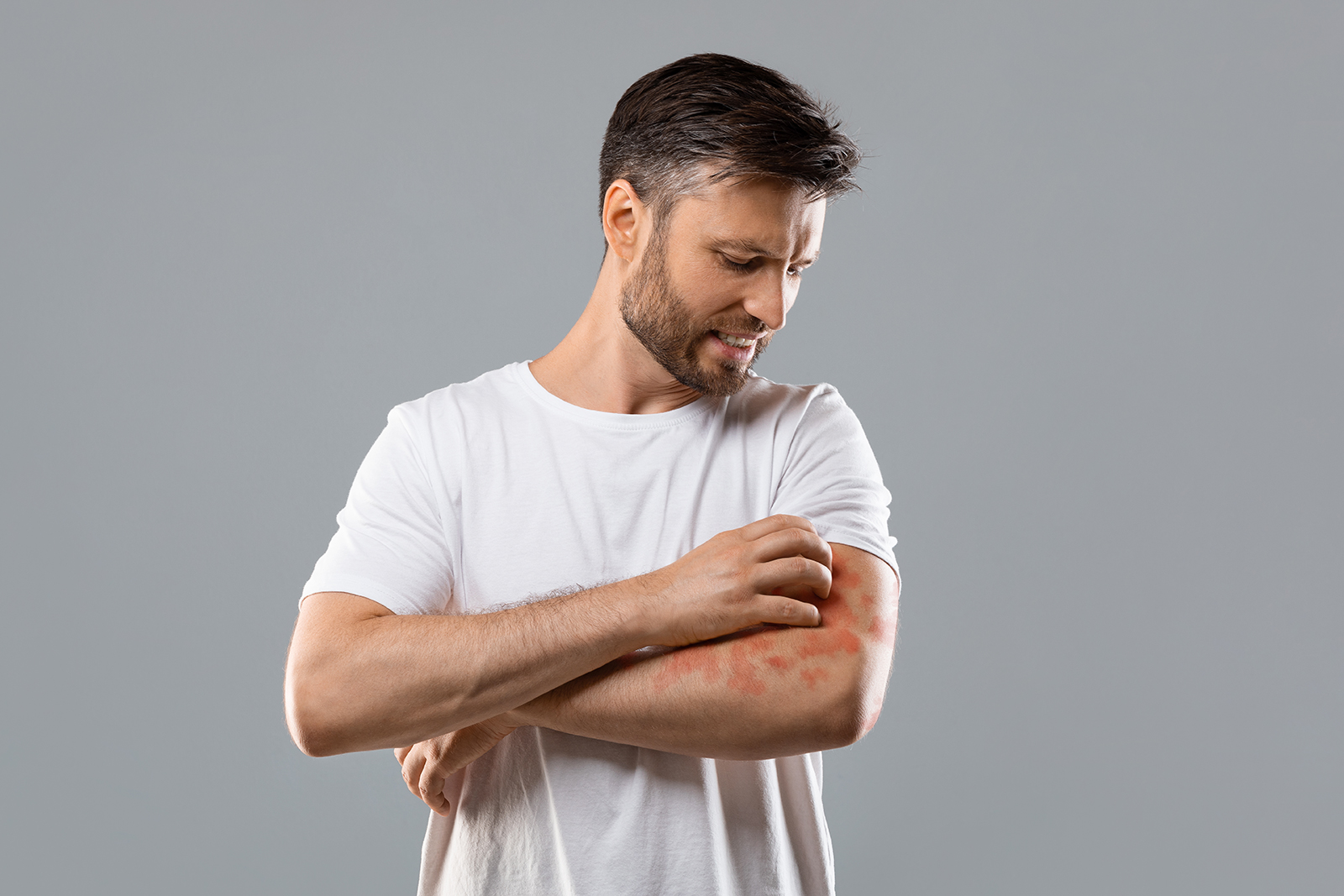
Erythema is a true first- or second-degree burn that usually occurs 6 to 12 hours after sun exposure and brings with it: reddening of the skin, blisters, vesicles, highly itchy skin papules, extreme sensitivity of the skin to touch, and skin dryness.

The main remedies for sunburn

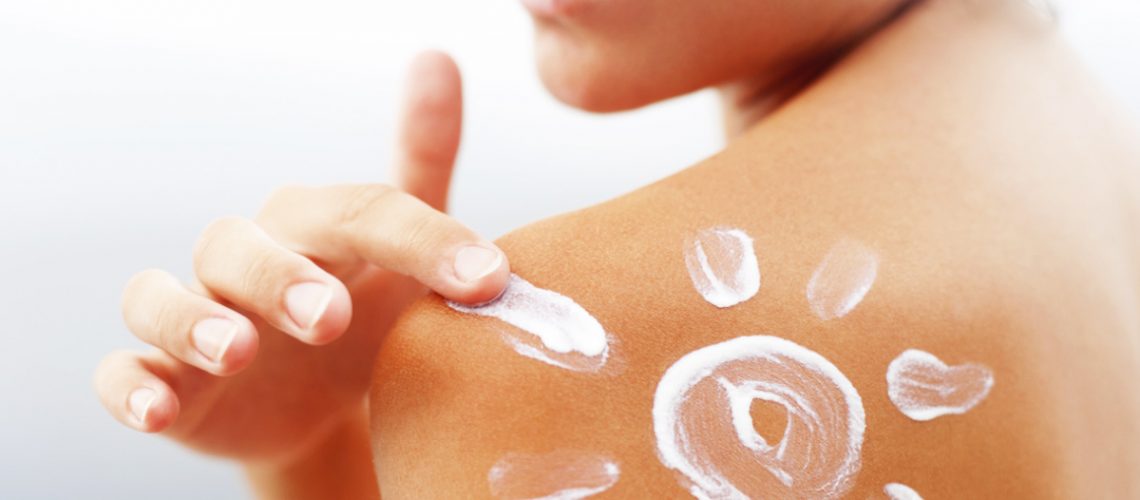
The first thing to do when you find yourself battling a sunburn is to moisturize the reddened skin with specific lotions, creams or milks for immediate relief and pain relief. It is then appropriate to take a cold shower or apply an ice pack (wrapped on a soft cotton cloth) to the most affected and painful areas. It is also helpful to apply soothing compresses to the skin and to wrap arms and legs with cloths soaked in cool water, which should be replaced as soon as the pain starts again.

After a shower or a cool bath, gently dry the skin with an extremely soft cloth, so as to avoid scratching or irritating the reddened skin even more, and nourish the skin with an oil specifically for sunburn. Application of creams and other moisturizing compresses should be done for 7 to 10 days following the sunburn.

Absolutely avoid

In a condition such as this, it is absolutely inadvisable to continue sun exposure in the days immediately following the erythema. One should not forcefully scratch or scrape the skin as this may increase irritation and consequently pain, let alone break up any blisters or boils formed as a result of the burn, to avoid infection and complications in healing. It would also be best not to dry the skin with rough sponge cloths (although they may be an aid against itching at first impression) since they can aggravate the redness.

Prevention

To avoid sun erythema, it is necessary to expose oneself to the sun armed with a good amount of sunscreen, which should be rubbed on the skin every 2 hours and after every bath in the water. Avoid sun exposure from 10 a.m. to 3 p.m.: during these hours, the risk of sun erythema is higher. It is also not recommended, especially for young children, to avoid direct exposure to the sun, but to use bandannas, caps and goggles.

FEATURED SPECIALISTS

  • Profile picture of Dr. Giovanni Arrichiello
    active 5 years, 9 months ago

    Gynecologists, Basic Doctors

    • Corso Regina Margherita 260 - Torino
    phone
  • Profile picture of Dr. Roberto Zaffaroni
    active 5 years, 9 months ago

    Basic Doctors, Therapist

    • Via San Francesco D' Assisi 5 - Varese
    phone
  • Profile picture of Dr. Virgilio De Bono
    active 5 years, 9 months ago

    Aesthetic Doctors, Basic Doctors, Dermatologists

    • Via Ripense 4 - Roma
    phone
  • Profile picture of Dott. Flavio Della Croce
    active 5 years, 9 months ago

    Psychotherapists, Basic Doctors

    • Via Sacconi 1 - Borgonovo Val Tidone
    phone
  • Profile picture of Dott. Cristiano Crisafulli
    active 5 years, 9 months ago

    Diabetologist, Basic Doctors, Internist

    • Via Vittorio Emanuele II 181 - Acireale
    phone

RELATED ARTICLES

Smartphone addiction is like a drug

The 21st century is marked by new technologies, smartphones and everything that revolves around these devices that are as useful as they are harmful. According to Erik Peper, professor of

The benefits of retinoids against time

Retinoids are used to limit the effects of skin aging, in psoriasis and other dermatological conditions. They stimulate the production of collagen, the protein that keeps skin elastic. Here’s what

RELATED PATHOLOGIES

Melanoma

1/6 – Melanoma Melanoma is a malignant tumor that originates from melanocytes, cells that contain the pigment, called melanin, responsible for skin coloration. It can develop in the skin all

Milky crust

Milk scab, technically referred to as “neonatal seborrheic dermatitis” or pityriasis capitis, is a transient and essentially harmless dermatologic disorder that affects the scalp of many infants and infants.

Vitiligo

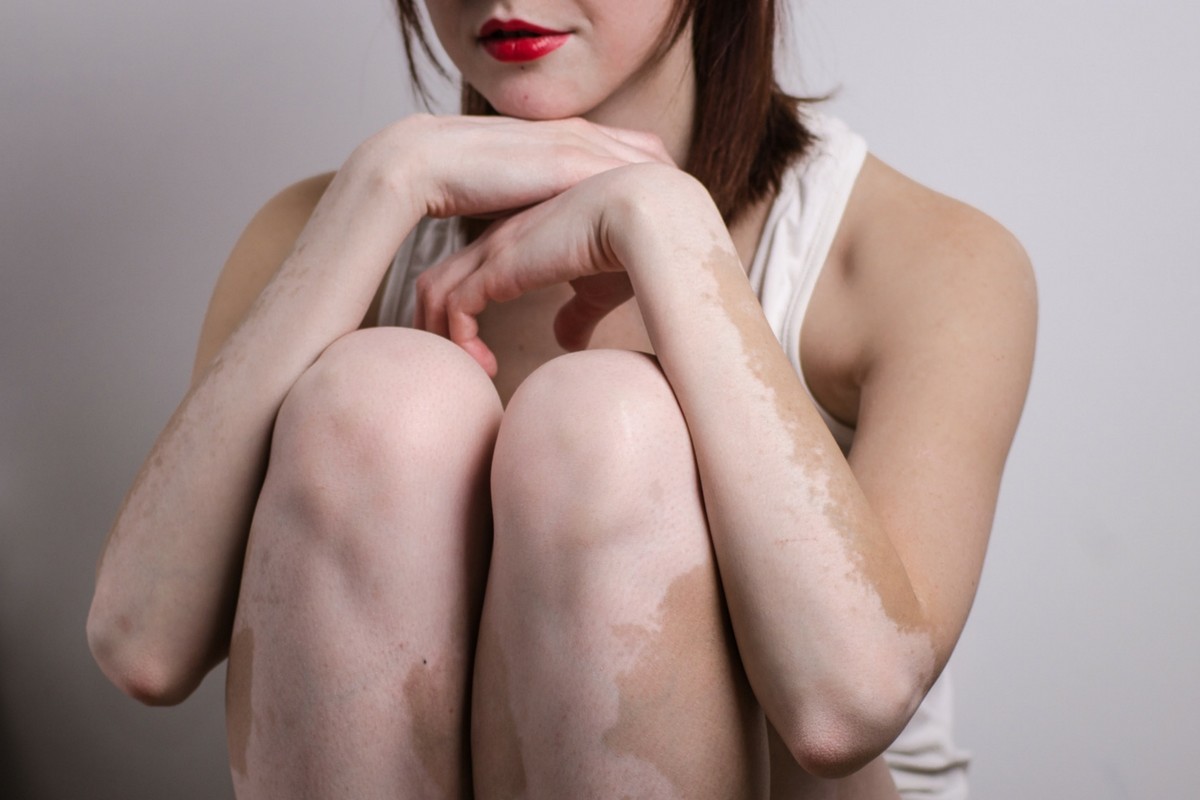
Vitiligo is a skin disease with unknown causes, characterized by the presence of skin patches that are lighter in color (or completely devoid of pigmentation) than the typical coloration of

Mycosis

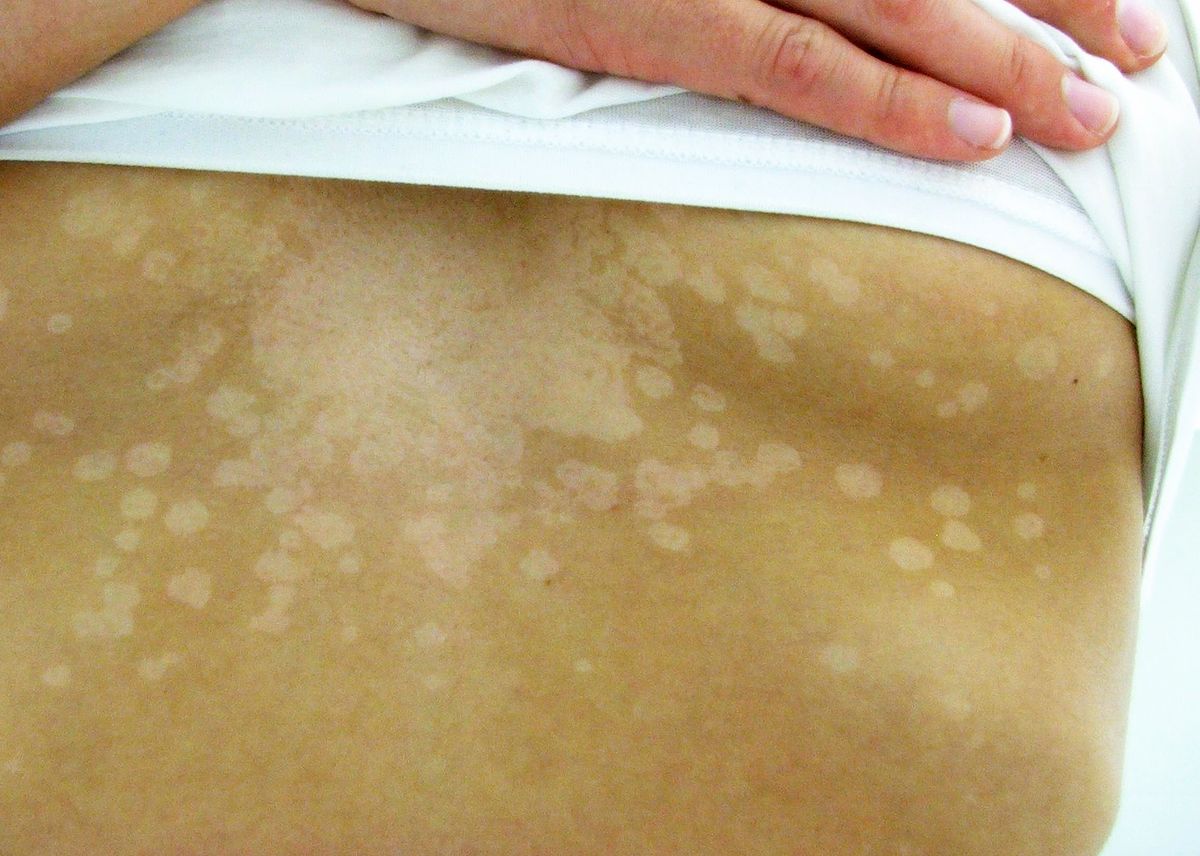
Cutaneous mycoses are a fairly large and diverse group of dermatologic conditions determined by the colonization of the epidermis by microorganisms such as Malassezia furur (responsible for pityriasis versicolor), dermatophyte

Acne

The term acne is derived from the Greek word acmé or acné, meaning foam or summit, and denotes a skin disease that is widespread in the young population, characterized by

Furunculosis

Furunculosis is a dermatitis characterized by the presence of clusters of furuncles that tend to develop on the neck, buttocks, face and arms. It is generally due to skin infection

Warts

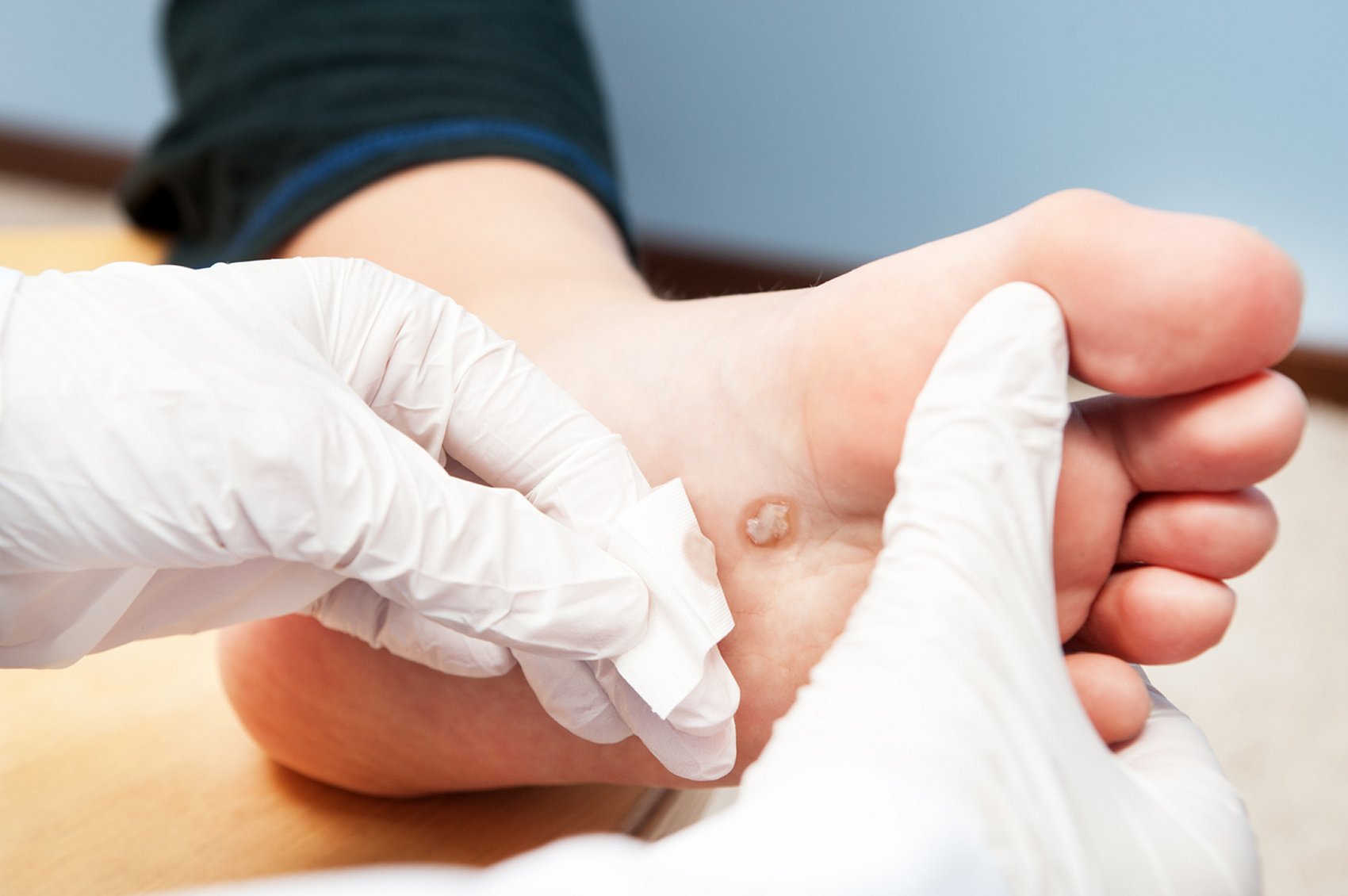
Warts are benign formations that can appear on the skin anywhere on the body as a result of infection by one of the viruses of the human papilloma family or

Hemorrhoids

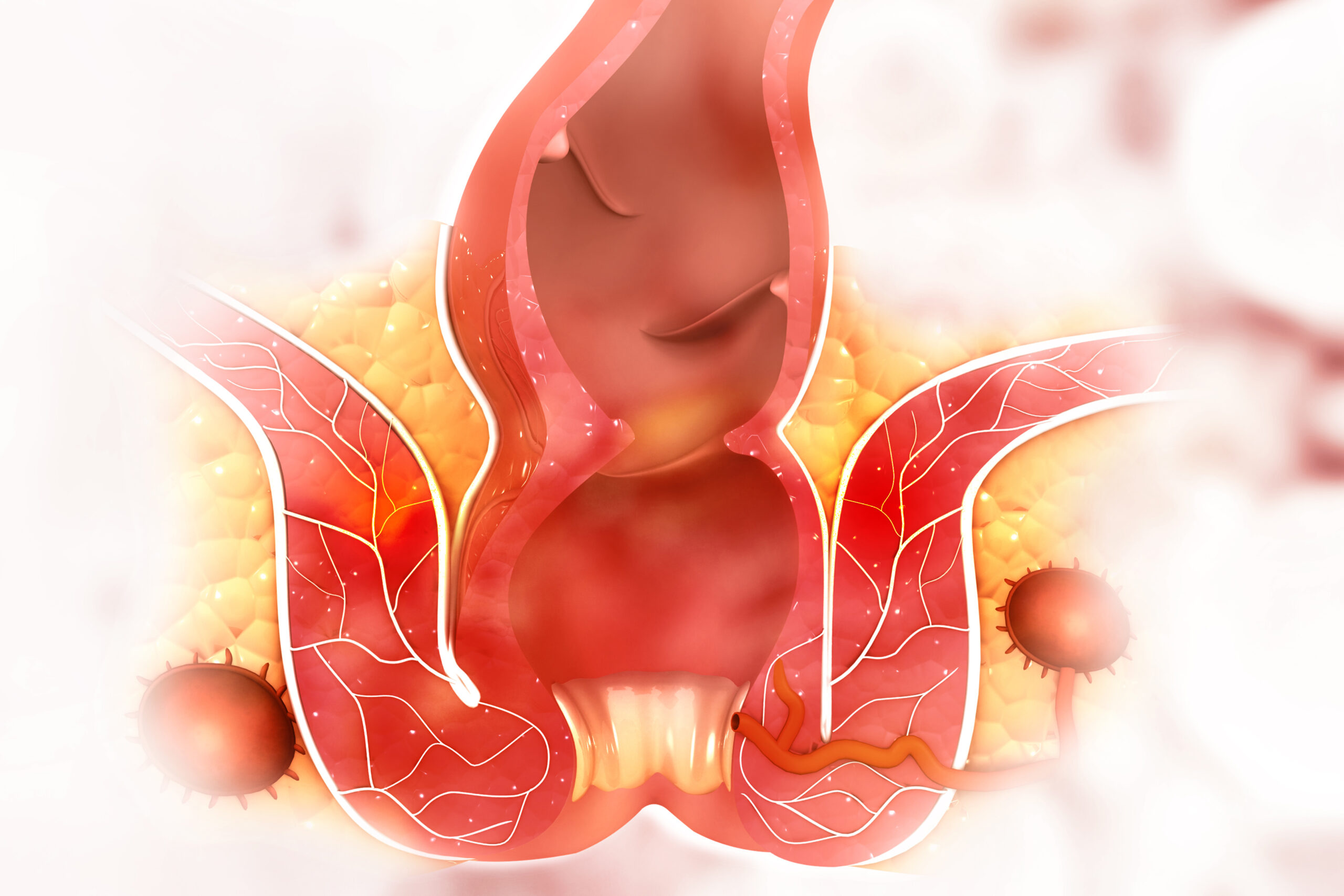
Hemorrhoids are vascular structures of the anus and lower rectum that serve to maintain fecal continence. If they become swollen or inflamed, they become pathological and cause a syndrome known

Herpes simplex

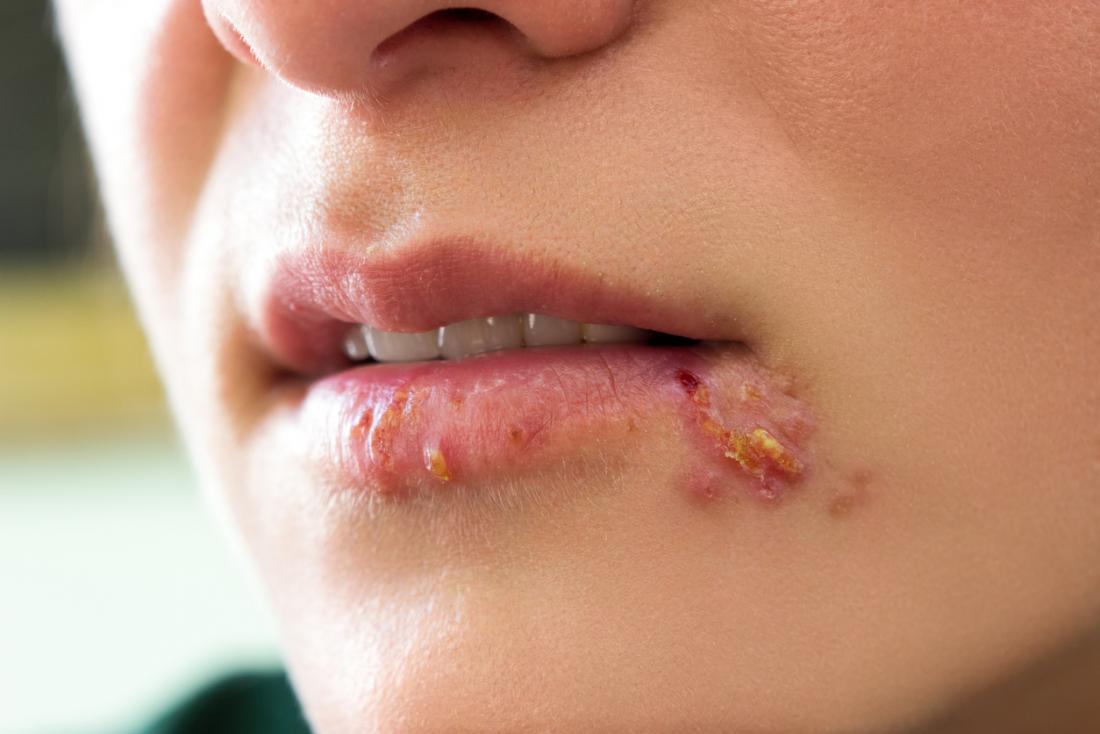
Herpes simplex is a disorder of an infectious nature caused by the virus of the same name (Herpes simplex virus – HSV type 1 or 2) and characterized by the

Dermatitis

The term dermatitis refers to a fairly heterogeneous group of skin diseases, largely characterized by more or less pronounced inflammation and induced by a wide variety of causes (irritation, allergic

FEATURED SPECIALISTS

  • Profile picture of Dr. Giandomenico Mascheroni
    active 5 years, 9 months ago

    Endocrinologists, Basic Doctors, Certifying Doctor

    • Via Petrarca 53 - Carnago
    phone
  • Profile picture of Dr. Squillante Gianni Erminio
    active 5 years, 9 months ago

    Acupuncturists, Homeopathic Medicine, Basic Doctors

    • Via Monterotondo 14 - Roma
    phone
  • Profile picture of Dr. Giuseppe Panico
    active 5 years, 9 months ago

    Dermatologists, Basic Doctors

    • Viale Prassilla 41 - Roma
    phone
  • Profile picture of Dott. Massimo Carotenuto
    active 5 years, 9 months ago

    General Surgeons, Basic Doctors

    • Via Lepanto 95 - Pompei
    phone
  • Profile picture of Dott.ssa Emanuela Costantino
    active 5 years, 9 months ago

    Neurologists

    • Via Gallinara 2/B - Cagliari
    phone

prenota il tuo viedeoconsulto in convenzione

Completa il form e sarai contatto dal personale medico specializzato

your advertising
exclusively ON
MY SPECIAL DOCTOR

complete the form and you will be contacted by one of our managers