




Summary
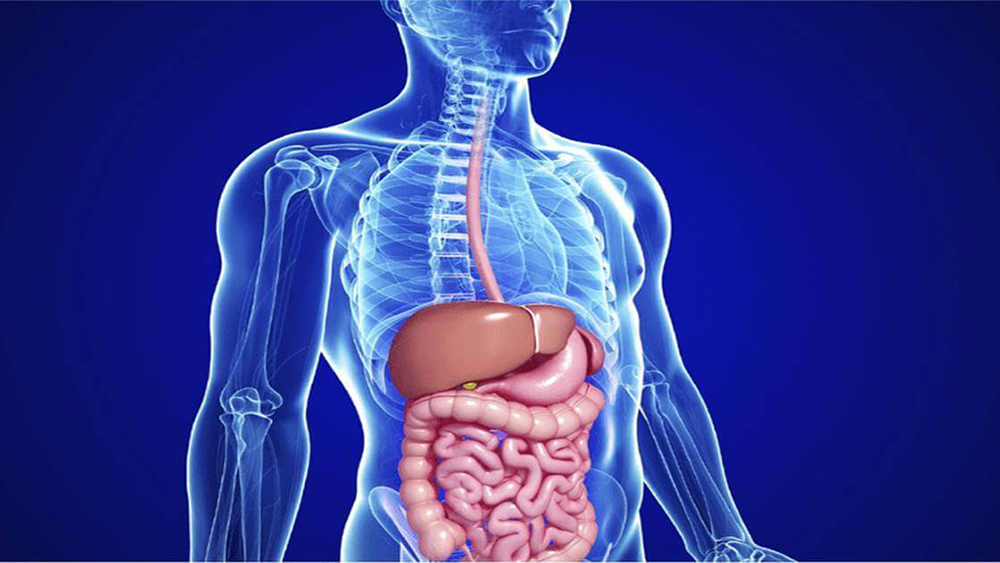
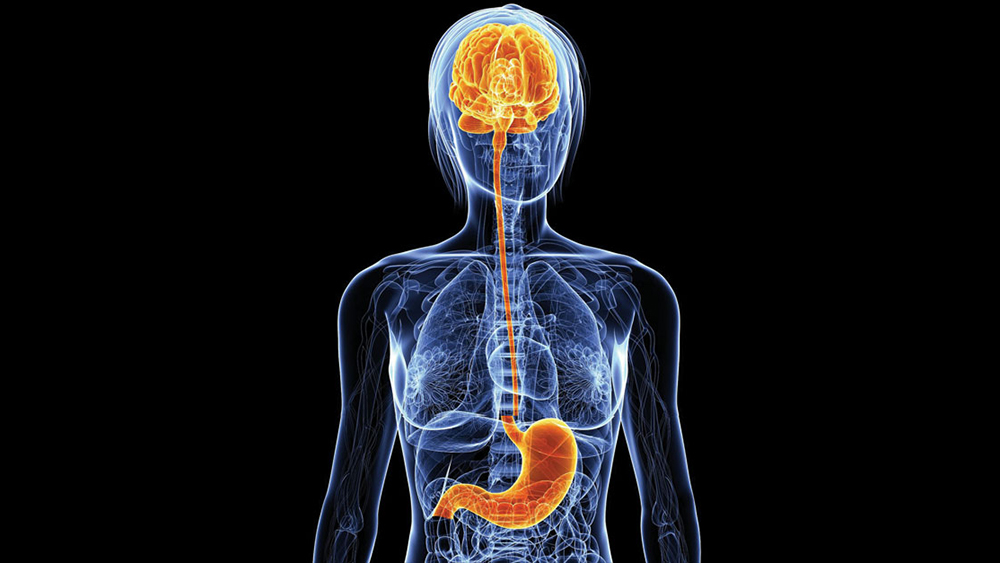
Gastro-oesophageal reflux is an irritation of the oesophagus, the part of the digestive system that runs from the mouth to the stomach. The irritation you feel comes from acid that has escaped from the stomach up the oesophageal tract.
Causes
Normally, a muscle located in the lower part of the oesophagus stiffens to keep food and stomach acid in the stomach.
If you suffer from gastro-oesophageal reflux disease, this muscle does not remain closed, but allows acid to escape from the stomach, which burns inside the oesophagus. Certain conditions such as obesity, pregnancy, a hiatal hernia, asthma and diabetes can increase the risk of this disease.
Symptoms
Acid reaching the inside of the oesophagus can cause an intense burning sensation in the chest, referred to as ‘heartburn’. One may also experience a sour taste in the back of the throat or have a dry cough, sore throat, hoarseness and difficulty swallowing, or even have the sensation of a knot in the back of the throat.
Treatment
Many people can manage this disease with drugs that can reduce stomach acidity, help heal the oesophagus and strengthen the valve between the oesophagus and the stomach. Lifestyle changes can also help. If these options do not help, surgery is possible. The treating physician can create a customised care plan.
Overview
This is a regular irritation of your esophagus. That’sthe part of your digestive system that goes fromyour mouth to your stomach. The irritation you feelis from acid that has escaped your stomach.
Causes
Normally, a muscle at the bottom of youresophagus tightens to keep food and stomachacids in your stomach. If you havegastroesophageal reflux disease, this muscledoesn’t stay closed. It lets acids from your stomachleak out. The acids burn the inside of youresophagus. Certain conditions like obesity,pregnancy, a hiatal hernia, asthma and diabetescan increase your risk for this disease.
Symptoms
Acid in your esophagus can cause a burning pain inyour chest. We call this “heartburn.” You may alsohave a sour taste in the back of your throat. Youmay have a dry cough, sore throat, hoarseness andtrouble swallowing. You may feel like you have alump in the back of your throat.
Treatment
Many people can manage this disease withmedications. These can reduce your stomach acid.They can help heal your esophagus. They can helpstrengthen the valve between your esophagus andstomach. You may also benefit from changes inyour lifestyle. If these options don’t help, you maybenefit from surgery. Your healthcare provider cancreate a care plan that’s right for you.