

of

Acne: what it is and how to fight it

struggle-3805349_1280

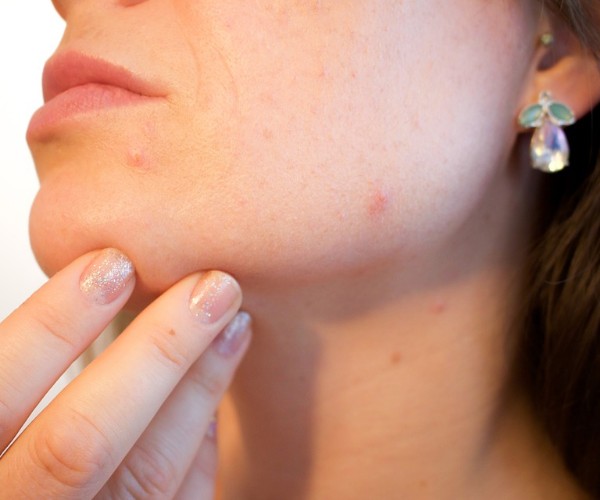
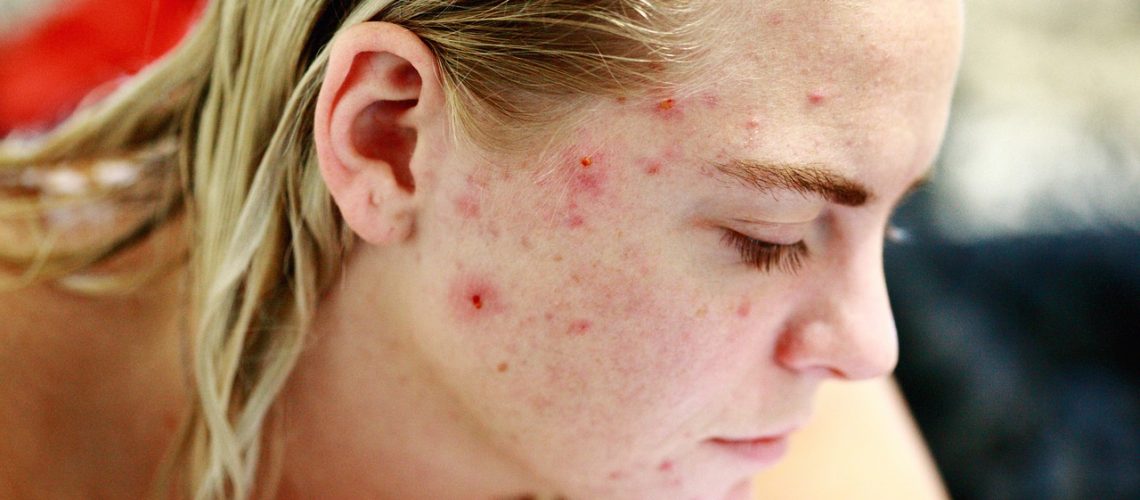
The term acne comes from the Greek word acmé or acné, meaning foam or summit. It is one of the most common skin diseases in the juvenile population; in fact, it is present in about 95%. The frequency is much higher certainly among adolescents, but acne can persist or appear in adulthood as well.

Types of acne

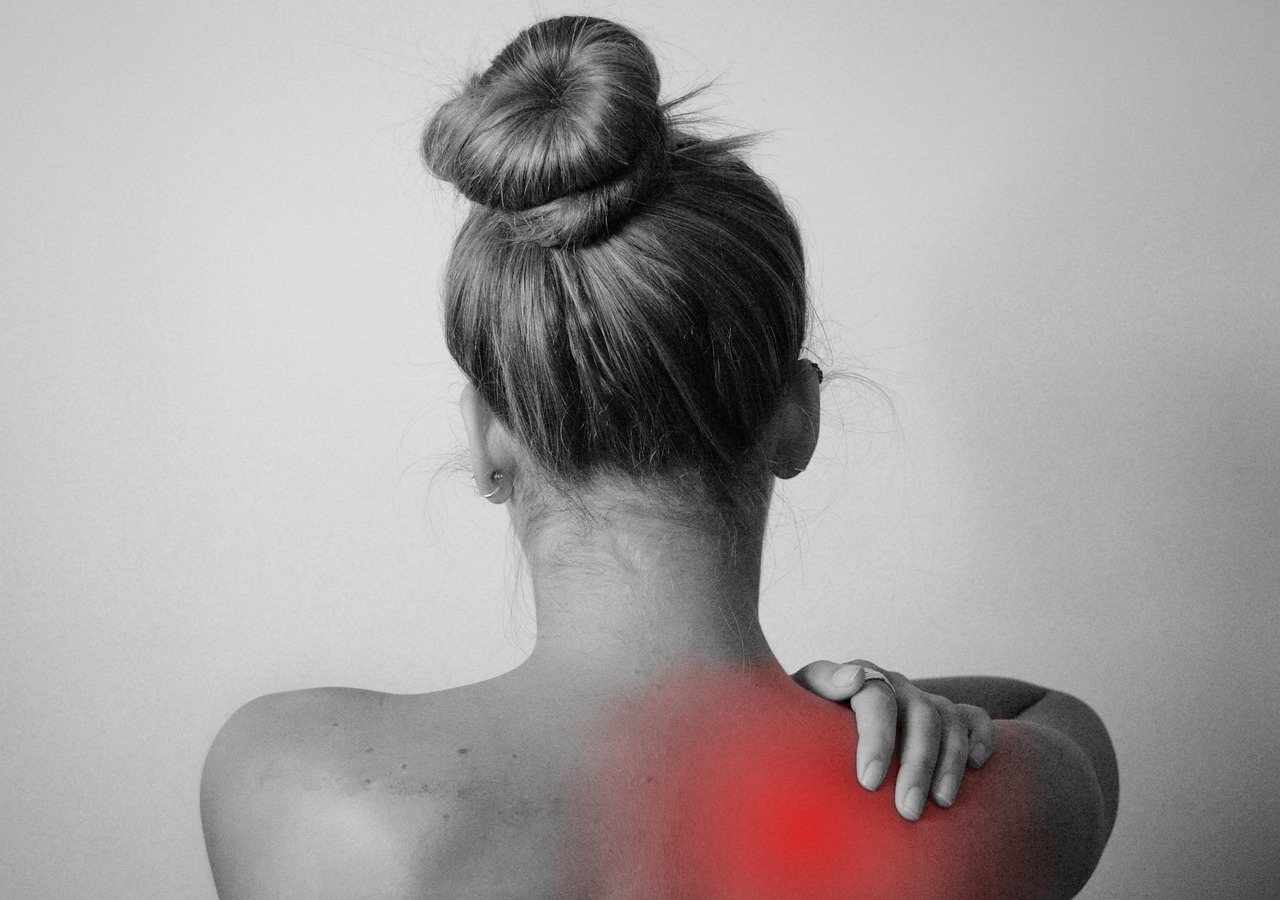
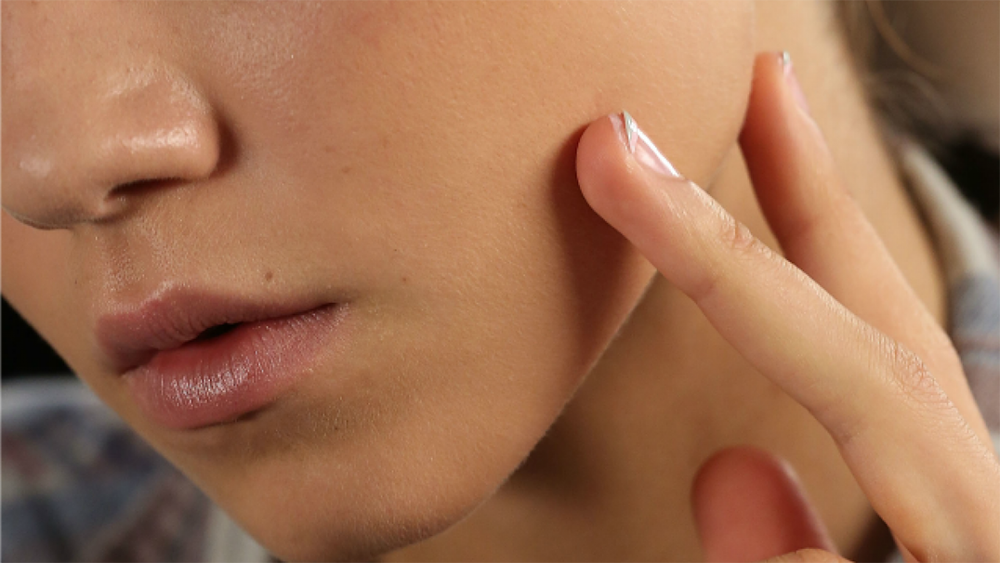
It typically makes its onset on the face, back, chest, and shoulders and affects both sexes in almost similar percentages. It typically manifests as closed and open comedones, so-called blackheads, papules, or whiteheads, pustules, better known as pimples, nodules i.e., furuncles, cysts, and unfortunately can also result in scarring in some cases. There are many causes of acne: increased activity of sebaceous glands, thickening of the wall of follicular ostium, bacterial colonization, in pjoint by Propionibacterium Acnes, and inflammation. In addition, various factors contribute to its occurrence such as family predisposition, stress, and smoking.

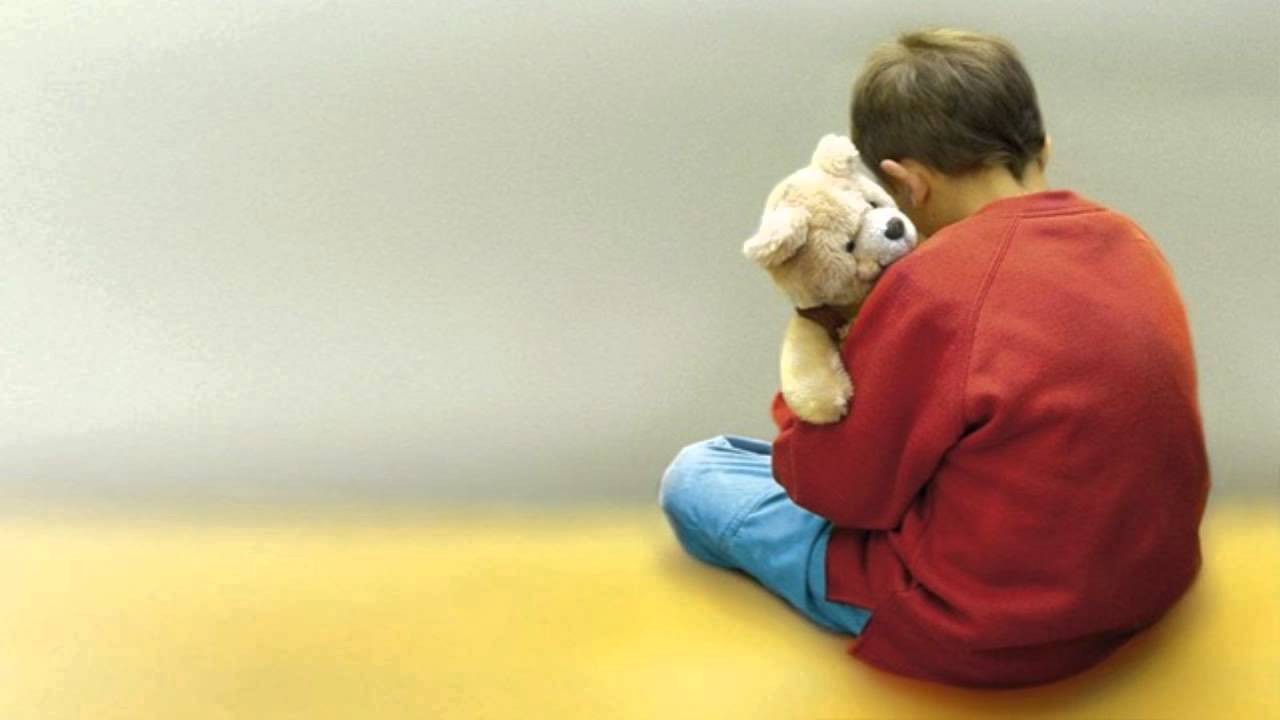
Especially in adolescence, it is important to be able to frame the degree of acne early, that is, whether it is mild, moderate, or severe, or, depending on the type of lesion, it can be classified into comedonic, papulo-pustular, nodular, and, in severe cases, conglobate. This avoids the development of scarring. In fact, this condition is often underestimated, which can therefore lead to psychological distress on the part of young patients and delay the benefits of treatment. It is known from studies conducted on patients’ quality of life that the acne-prone adolescent often suffers from low self-esteem, embarrassment, shyness, and in extreme cases even depression, emotional turmoil, shame about one’s appearance, resulting in difficulty relating to the opposite sex and a decline in school performance.

Therapies

Regarding treatment, the European Guidelines, published in 2012 recommend which drugs, topical and systemic, to use according to the degree of acne. Topical retinoids, derived from vitamin A, are the first choice in comedonic acne. An important role is also played by benzoylperoxide a keratolytic agent with antibacterial action but not inducing antibiotic resistance, which is recommended in acne vulgaris and comedo- or papulo-pustular-predominant forms.

The use of topical antibiotics is useful in inflammatory forms, but is limited by resistance, which unfortunately is increasing in Europe. therefore, as far as acne is concerned, their local use in combination with other topical drugs is advisable, avoiding the concomitant administration of oral antibiotics and limiting the use of the latter to periods not exceeding three months, discontinuing them if there is no improvement. Remembering to fixed combinations of topical preparations offers the possibility of acting more specifically on the mechanisms that cause acne, also increasing adherence to therapy, making the application of only one product sufficient.

FEATURED SPECIALISTS

  • Profile picture of Dott.ssa Francesca Vittorelli
    active 5 years, 6 months ago

    Therapist, Acupuncturists, Basic Doctors

    • Corso Andrea Palladio 134 - Vicenza
    phone
  • Profile picture of Dr. Lucia Catalano
    active 5 years, 6 months ago

    Gynecologists, Senologists, Basic Doctors

    • Via Belluno 1 - Roma
    phone
  • Profile picture of Dr. Giovanni Arrichiello
    active 5 years, 6 months ago

    Gynecologists, Basic Doctors

    • Corso Regina Margherita 260 - Torino
    phone
  • Profile picture of Dott.ssa Emanuela Costantino
    active 5 years, 6 months ago

    Neurologists

    • Via Gallinara 2/B - Cagliari
    phone
  • Profile picture of Dr. Domenico D'Angelo
    active 5 years, 6 months ago

    Otolaryngologists, Basic Doctors, Competent Doctor

    • Via Pola 5 - San Prisco
    phone

RELATED ARTICLES

Sports disciplines and the risk of shoulder dislocation

The shoulder joint is a mechanism that can provide movement in multiple directions, but precisely because of the versatility of the structure in excursion and mobility, the shoulder also presents an aspect of fragility, being exposed to a continuous risk of injury or dislocation.

Cushing’s syndrome: causes and remedies

Cushing’s Syndrome (CS) is a rare condition resulting from an excess of cortisol in the body. Cortisol is a hormone normally produced by the adrenal glands and is essential for

Bleeding: what to do?

In case of bleeding: Protect yourself from infection, wear latex gloves and if these are not available use different states of gauze or tissue. Cover the wound with a gauze

Suffocation

Suffocation occurs when the upper airway is blocked and the victim cannot breathe. There are two options: If the adult is conscious but cannot speak, cough, or breathe, it is

Family life and obsessive compulsive disorder

Obsessive compulsive disorder is a disease capable of disrupting those affected, completely changing their habits, activities and quality of life, but it extends its consequences to the patient's family causing a difficult and challenging living condition.

Brain aneurysm: what is it?

Cerebral aneurysm is a permanent protuberance, that is, a focal dilatation of an arterial vessel in the brain at which the wall stretches, thinning and forming a bubble. It can

De Quervain’s syndrome: how to treat it

De Quervain’s stenosing tenosynovitis is an inflammatory process affecting the synovial sheath of the thumb tendons (long abductor and short extensor). The condition is characterized by painful narrowing of the

RELATED PATHOLOGIES

Bullous epidermolysis

Epidermolysis bullosa (EB) corresponds to a group of rare and disabling genetic diseases characterized by the appearance of blisters and lesions on the skin and in the inner mucous membranes,

Syphilis

Syphilis is a sexually transmitted disease (STD) caused by the bacterium Treponema pallidum and characterized by three successive stages of increasing severity (primary, secondary, and advanced syphilis), with slow and

Herpes simplex

Herpes simplex is a disorder of an infectious nature caused by the virus of the same name (Herpes simplex virus – HSV type 1 or 2) and characterized by the

Food allergies and intolerances

Physical reactions to certain foods are common, but for the most part they are caused by afood intolerance rather than a food allergy. A food intolerance can cause some of

Chickenpox

Chickenpox to date remains the most prevalent vaccine-preventable disease in our country. It is transmitted airborne, person-to-person, through Pflugge droplets or by direct contact with skin lesions of patients with

Gonorrhea

Gonorrhea is one of the most prevalent sexually transmitted diseases (STDs) worldwide, in both sexes, starting as early as adolescence; if not recognized and treated appropriately quickly, it can lead

Warts

Warts are benign formations that can appear on the skin anywhere on the body as a result of infection by one of the viruses of the human papilloma family or

Cellulite

Cellulite is an inflammatory-based alteration of the fat-rich subcutaneous tissue(panniculus adiposus), triggered by fluid stagnation due to poor venous and lymphatic circulation (lymph is a fluid that flows in channels

Milky crust

Milk scab, technically referred to as “neonatal seborrheic dermatitis” or pityriasis capitis, is a transient and essentially harmless dermatologic disorder that affects the scalp of many infants and infants.

Mycosis

Cutaneous mycoses are a fairly large and diverse group of dermatologic conditions determined by the colonization of the epidermis by microorganisms such as Malassezia furur (responsible for pityriasis versicolor), dermatophyte

FEATURED SPECIALISTS

  • Profile picture of Dott.ssa Ilaria Berto
    active 5 years, 6 months ago

    Basic Doctors, Acupuncturists, Aesthetic Doctors

    • Via Antonio Corradini 1 - Este
    phone
  • Profile picture of Dott. Cristiano Crisafulli
    active 5 years, 6 months ago

    Diabetologist, Basic Doctors, Internist

    • Via Vittorio Emanuele II 181 - Acireale
    phone
  • Profile picture of Dott.ssa Anna Puccio
    active 5 years, 6 months ago

    Gynecologists, Basic Doctors

    • Via Vincenzo Ponsati 69 - Volvera
    phone
  • Profile picture of Dott.ssa OLGA PETROVSKAIA
    active 5 years, 6 months ago

    Pain therapists, Basic Doctors, Therapist

    • Via Giulio Romano 3 - Valle Martella
    phone
  • Profile picture of Dr. Fabio Fabi
    active 5 years, 6 months ago

    Sports Doctors, Internist, Basic Doctors

    • Via Sarsina 147 - Roma
    phone

prenota il tuo viedeoconsulto in convenzione

Completa il form e sarai contatto dal personale medico specializzato

your advertising
exclusively ON
MY SPECIAL DOCTOR

complete the form and you will be contacted by one of our managers