





No special reasons are needed to consider healthy sexuality important. It is pleasurable, relaxes, feels good physically and psychologically, allows deep communication between partners and strengthens relationships. But it may be interesting to know that serene sexual relations have positive effects on the body on other levels as well, becoming in effect a means of supporting overall health and well-being, at any age. Do you already know them? If you are not sure or if you are simply curious to discover new ones, do a quick check of their potential demonstrated potential . And test them in daily life.
sexual activity
Habits that harm sex life

When you deals with sexual activity, age undoubtedly matters, because hormones male and female play a key role in the induction of desire and in triggering the mechanisms that enable it to be satisfied. But there are also many other factors that may interfere with the possibility of having a intense and satisfying couple life, regardless of being more or less young people. From improper nutrition to excessive social engagements and work, from being a little down in the dumps to not talking enough with one’s partner. Until you forget to laugh and experience love in playful way. Some useful hints to make up for it .
Testosterone therapy, improves sex but risks the heart

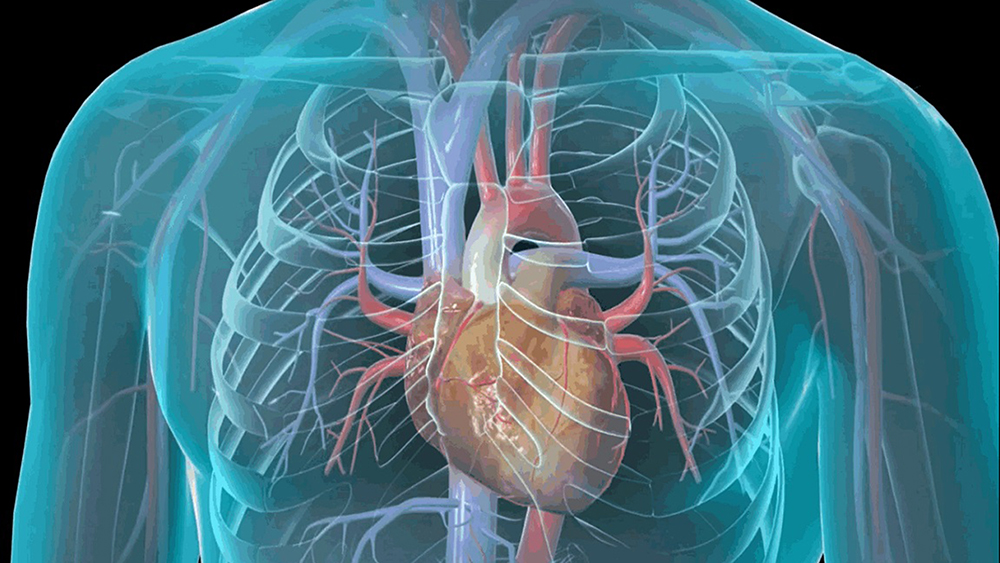
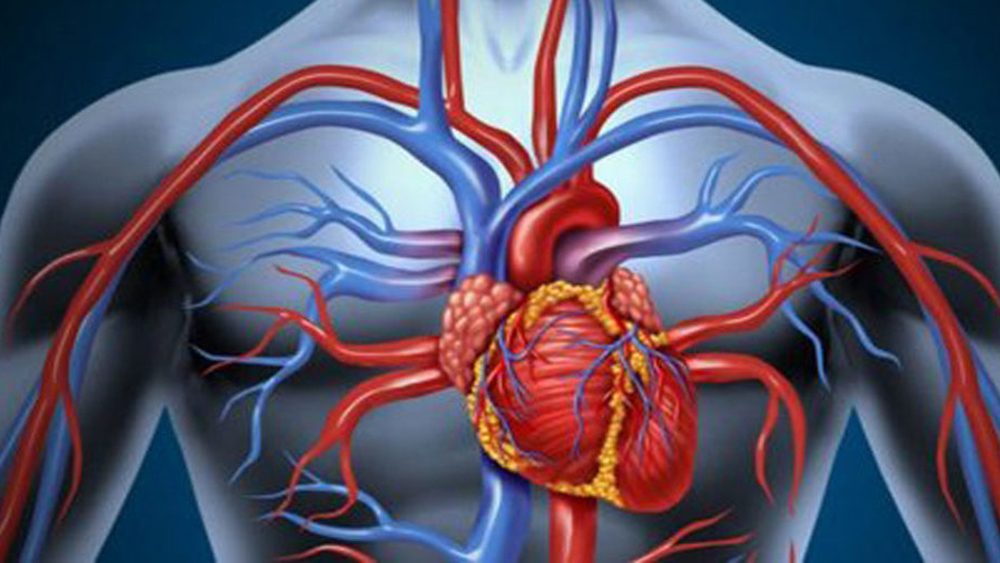
Maintaining virility can become a nice boost for self-esteem, but according to scientific research this is harmful to another important organ: the heart.
The study, which involved a sample of more than 15,400 men in the United Kingdom, has found that testosterone therapy-often prescribed to maintain an active sex life-leads men to have 21 percent more chance of having a heart attack or stroke.
Heart problems with advancing age are. Unfortunately, a normal matter with the very stressful and rapid lifestyle that is inherent in our culture today. With testosterone therapy there is In addition, a negative effect that accumulates to the stress already experienced normally from our heart.
The test participants were aged not less than 45 years old and low testosterone levels, which in medicine is a state defined as hypogonadism. Testosterone is raised ‘artificially’ through the therapy, but at the same time – according to the findings of the examinations – this contributes to the formation of more blood clots. Platelet formation increases the Risk of widespread heart problems.
The results have been published; they are shown also several immediate side effects such as
Another potential risk is one. I mean, in bed you can still be lions, but if the heart then cracks it’s not really worth the penalty.
Improving sexual performance but without putting a risk the heart
To people with low testosterone levels in relation to chronological age (a condition that is referred to in medicine as the hypogonadism) can be prescribed, for improved performance sexual, testosterone-based therapy. This therapy, however, can be dangerous.
A study conducted by McGill University in Montreal and published in ‘The American Journal of Medicine’ highlights how testosterone intake can lead to a 21 percent increased risk of heart attack or stroke.
The research was conducted on 15,400 men aged older than 45 years and with low testosterone levels. The results show. That an “artificial” elevation (through therapy) of testosterone increases the number of platelets, that is, the formation of blood clots, and thus the risk of heart problems, which are known to be connected with advancing age and with a stressful lifestyle.
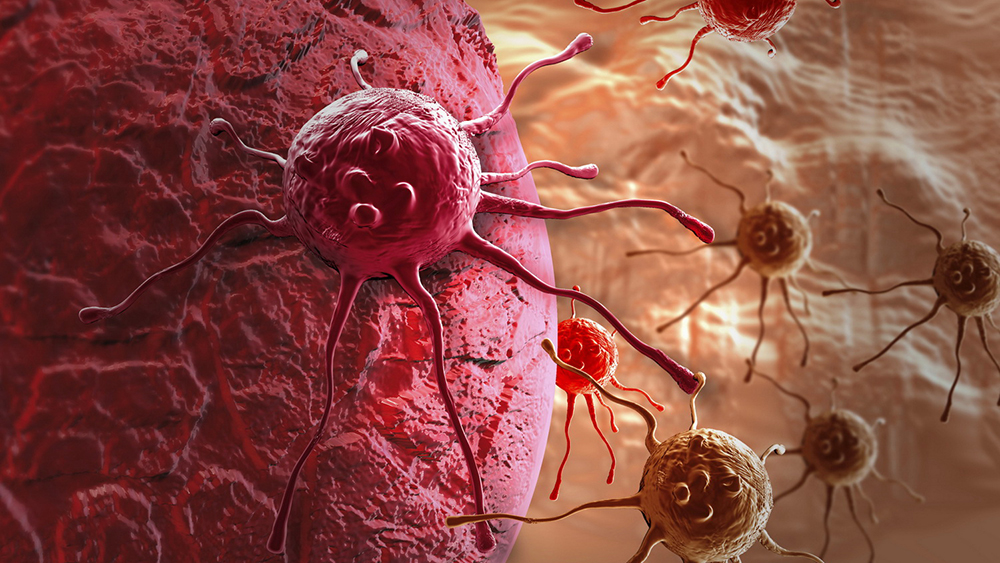
Other side effects are also highlighted in the study, such as: chest and ankle swelling, sleep apnea, acne and, last but not least, stimulation to develop prostate cancer cells.