

of

Pollution and health: new evidence of harm

inquinamento

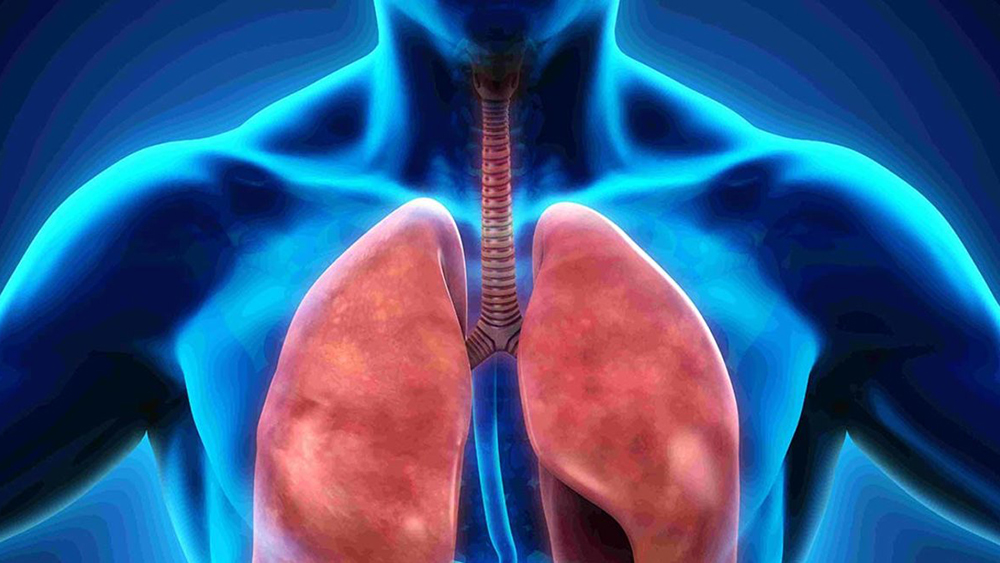
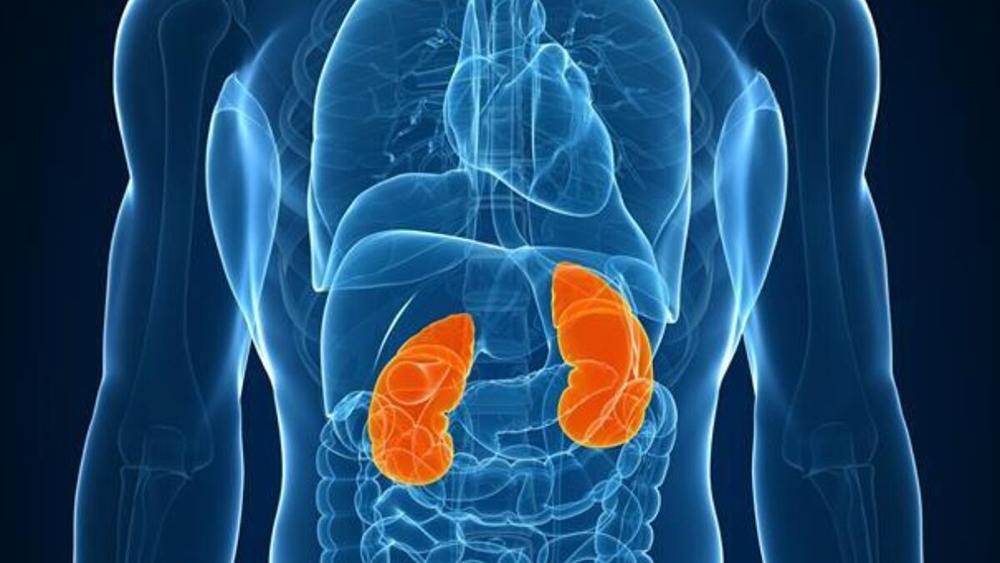
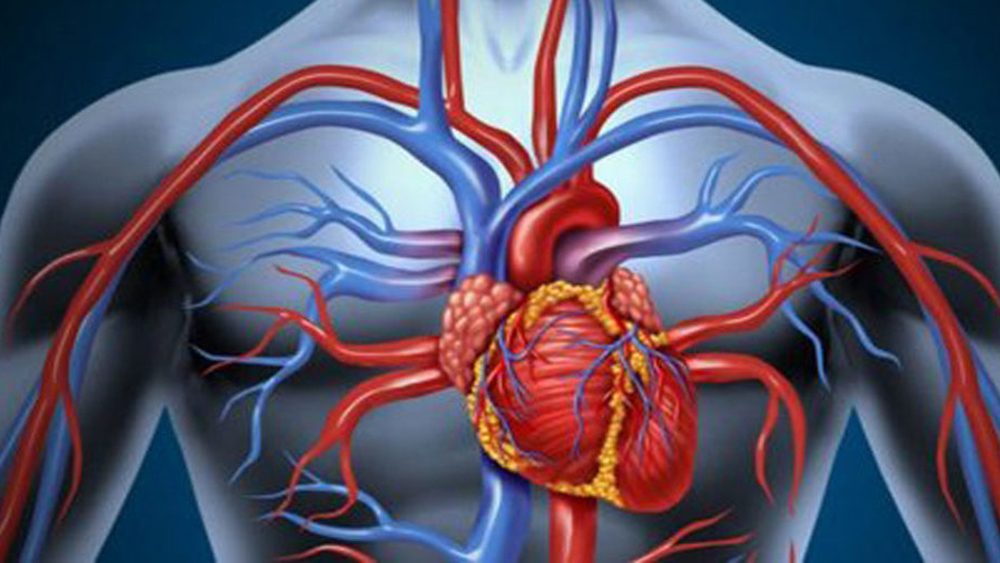
After decades of underestimating the unfavorable effects of pollution on human health, studies and evidence on the subject have been multiplying for some years now, unfortunately all of them directed toward confirming what has always been feared in science: the environmental pollutants have direct detrimental effects at multiple levels (in particular, on the cardiovascular system, the nervous and immune systems, the reproductive level, etc.) and, even when not properly harmful, can alter the metabolic balance in various ways.

Among the many researches supporting this claim, two recent ones can be mentioned. The first, conducted at the University at Buffalo (U.S.), assessed the change in the levels of 886 metabolites in the human body before, during and after the Beijing Olympics (China, 2008): three moments when environmental pollution in the city and surrounding areas went, first, from very high to low (thanks to government actions aimed at making the air more acceptable during the competitions), then from low to the same very high pre-Olympics levels.

Metabolomics analysis of blood samples taken at each of these three periods from the more than 200 Beijing residents involved in the study indicated that as many as 69 metabolites normally present in the body increase or decrease in response to increased or decreased air quality. In particular, varying the most are lipid compounds (mono- and polyunsaturated fatty acids, branched fatty acids, steroids, etc.) and dipeptides (i.e., small proteins), which are often involved in the regulation of innumerable cellular, metabolic, and hormonal functions (in particular, cell stability, oxidative stress, antioxidant activity, and inflammation).

This type of metabolomic analysis, able to provide a snapshot of all the significant molecular changes induced by pollution in the human body, does not indicate which diseases may result from living in areas (urban or rural) characterized by low environmental quality, but confirms that pollution interferes with a great many physiological activities and provides the biological basis for explaining the link between the observed disorders (cardiovascular and metabolic diseases, cancers, immunological or hormonal alterations, etc.) and pollution.

The second publication is even more alarming. This is a review and meta-analysis of data available in the literature on the effects of automobile pollution in children, with particular reference to the risk of developing leukemia (the most common cancer in the early years of life, the incidence of which has increased continuously since 1975 to the present).

The cross-validation of the 29 major studies on the subject, in which researchers from the University of Modena and Reggio Emilia also participated, indicated that car traffic pollution may actually increase the risk of pediatric leukemia only when very high. The same goes for nitrogen dioxide (NO2) levels, a major component of exhaust gases along with benzene. Conversely, exposure to an aromatic hydrocarbon such as benzene (and its derivatives) has definite carcinogenic effects at any dose and always increases to some extent the risk of developing leukemia in children less than 6 years old (specifically, acute lymphoblastic leukemia, ALL).

Two findings that, combined with countless others in the literature, should prompt all of us, every day, to strive to reduce emissions and environmental pollution in general (using the car less, avoiding excessive home heating and producing more waste than strictly necessary) and to demand that governments take measures aimed at improving the healthiness of air, water and soil in both urban and natural areas. Because there is no doubt: our health depends on the health of the place where we live.

Sources

  • Mu L et al. Metabolomics Profiling before, during, and after the Beijing Olympics: A Panel Study of Within-Individual Differences during Periods of High and Low Air Pollution. Environ Health Perspect. 2019;127(2):057010. doi:10.1289/EHP3705 (https://ehp.niehs.nih.gov/doi/full/10.1289/EHP3705)
  • Orioli R et al. Exposure to Residential Greenness as a Predictor of Cause-Specific Mortality and Stroke Incidence in the Rome Longitudinal Study. Environ Health Perspect 2019;127(2):27002. doi:10.1289/EHP2854 (https://ehp.niehs.nih.gov/doi/full/10.1289/EHP2854?url_ver=Z39.88-2003&rfr_id=ori:rid:crossref.org&rfr_dat=cr_pubpubmed)

FEATURED SPECIALISTS

  • Profile picture of Dott.ssa Maria Grazia Caruana
    active 5 years, 6 months ago

    Aesthetic Doctors, Basic Doctors

    • Viale Prassilla 41 - Roma
    phone
  • Profile picture of Studio Medico San Pellegrino
    active 5 years, 3 months ago

    Sports Doctors, Basic Doctors

    Spread the word!

    Recommend this special

    doctor to a friend

    message phone house
    visit
    video
    consulting
    WhatsApp conferences
    and webinars
  • Profile picture of Dr. Giandomenico Mascheroni
    active 5 years, 6 months ago

    Endocrinologists, Basic Doctors, Certifying Doctor

    • Via Petrarca 53 - Carnago
    phone
  • Profile picture of Dott. Gianlorenzo Casani
    active 5 years, 6 months ago

    Geriatrics, Certifying Doctor, Basic Doctors

    • Via Costantino Baroni 71/73 - Milano
    phone
  • Profile picture of Dott.ssa Francesca Vittorelli
    active 5 years, 6 months ago

    Therapist, Acupuncturists, Basic Doctors

    • Corso Andrea Palladio 134 - Vicenza
    phone

RELATED ARTICLES

Microplastics in water: a lurking danger

Seas and oceans invaded by bottles, saucers, glasses, straws and shopping bags. Fish and birds killed by excess plastic ingested or filtered through gills. Idyllic beaches awash in garbage that

Knowing how to unplug from work during the vacations

It is important to remember that relaxation and self-care are not just luxuries: they are essential to avoid negative consequences, such as discomfort, discomfort, or slipping into a particular condition such as what has been termed burn-out.

RELATED PATHOLOGIES

Benign prostatic hypertrophy

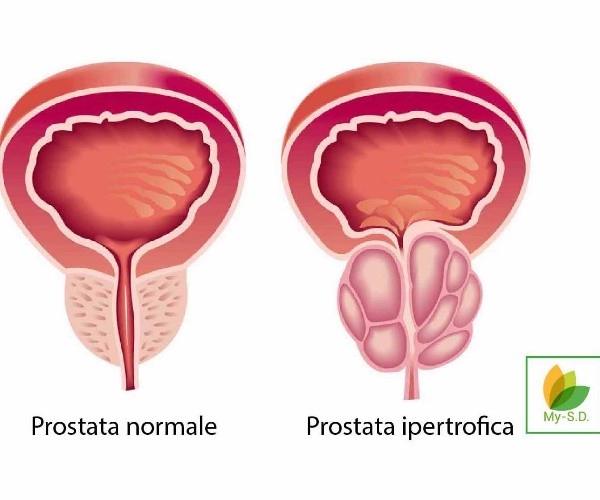
The prostate is a chestnut-shaped gland, several centimeters in diameter, found only in men; it is located in front of the rectum, below the bladder, and surrounds the first part

Psoriatic arthritis

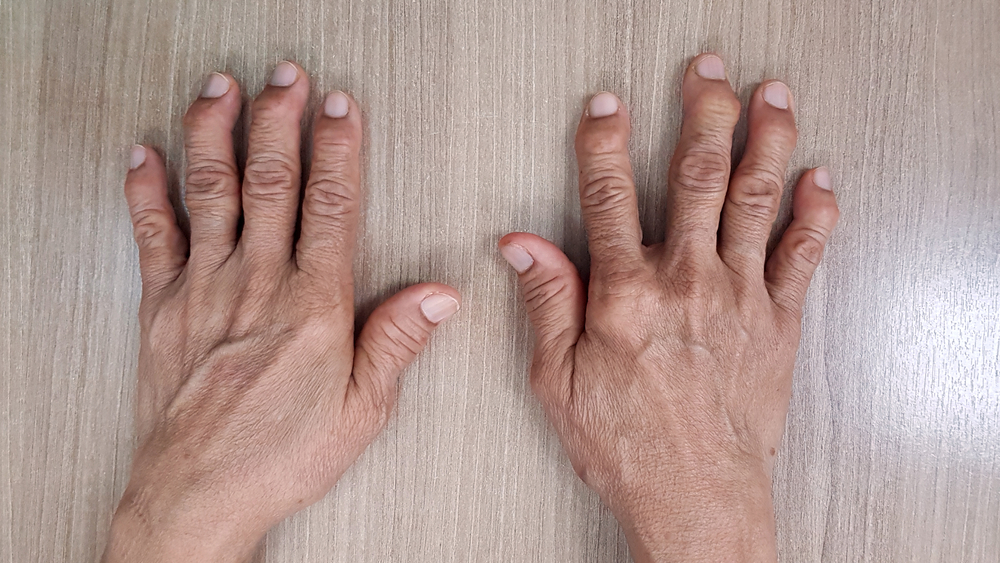
Psoriatic arthritis is a chronic autoimmune-based inflammatory disease that occurs in about 30% of people with psoriasis. Like other forms of arthritis, the disease predominantly affects the joints of the

Intestinal polyposis

Polyps are abnormal growths of tissue protruding to a mucous tonaca; they are pathological growths that, in the intestines, form especially in the colon and rectum. For the most part,

Heart failure

Heart failure corresponds to a condition in which the heart is unable to receive and/or pump blood with sufficient force to the lungs and the rest of the body, due

Bronchitis

The term bronchitis refers to an acute inflammation of the trachea and bronchi that generally arises as a result of a viral or, more rarely, bacterial infection. In overall healthy

Coronaropathy

The term coronary artery disease refers to chronic “distress” of the coronary arteries, the arteries that supply blood to the heart muscle, in most cases brought about by atherosclerotic pathology

Rheumatism

The term “rheumatism” refers to an extremely wide and varied group of disorders comprising more than one hundred rheumatic diseases that are very diverse in terms of causes, symptoms and

Meningitis

“M” for meningococcal meningitis. What is meant by meningitis? Although the term immediately evokes the meningococcal form, it should not be forgotten that “meningitis” means inflammation of the meninges, that

Esophagitis

Esophagitis is an acute or chronic inflammation that can damage the tissues of the esophagus, the stretch of the alimentary canal that connects the pharynx to the stomach. In mild

Hemorrhagic stroke

According to the official definition of the World Health Organization (WHO), stroke corresponds to a “sudden onset of signs and/or symptoms referable to local and/or global deficits in brain function,

FEATURED SPECIALISTS

  • Profile picture of Dott.ssa Federica Filigheddu
    active 5 years, 6 months ago

    Basic Doctors

    phone
  • Profile picture of Dr. Giandomenico Mascheroni
    active 5 years, 6 months ago

    Endocrinologists, Basic Doctors, Certifying Doctor

    • Via Petrarca 53 - Carnago
    phone
  • Profile picture of Dott.ssa Erminia Maria Ferrari
    active 5 years, 6 months ago

    Homeopathic Medicine, Basic Doctors, Pediatricians

    • Via San Carlo 3 - Castel Rozzone
    phone
  • Profile picture of Dott. Cristiano Crisafulli
    active 5 years, 6 months ago

    Diabetologist, Basic Doctors, Internist

    • Via Vittorio Emanuele II 181 - Acireale
    phone
  • Profile picture of Dr. Roberto Zaffaroni
    active 5 years, 6 months ago

    Basic Doctors, Therapist

    • Via San Francesco D' Assisi 5 - Varese
    phone

prenota il tuo viedeoconsulto in convenzione

Completa il form e sarai contatto dal personale medico specializzato

your advertising
exclusively ON
MY SPECIAL DOCTOR

complete the form and you will be contacted by one of our managers