







of

Meningitis

Meningite Foto

“M” for meningococcal meningitis.

What is meant by meningitis?

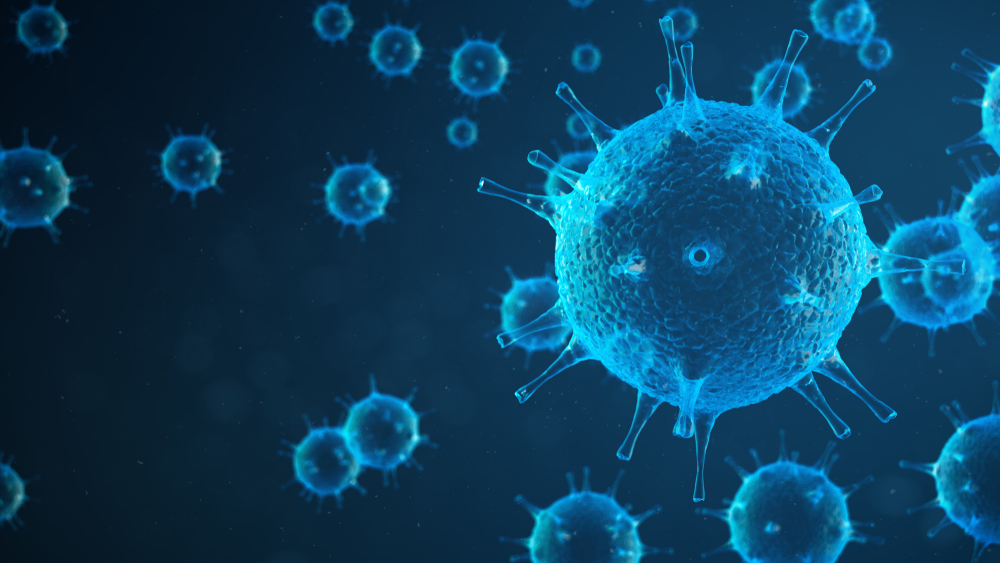
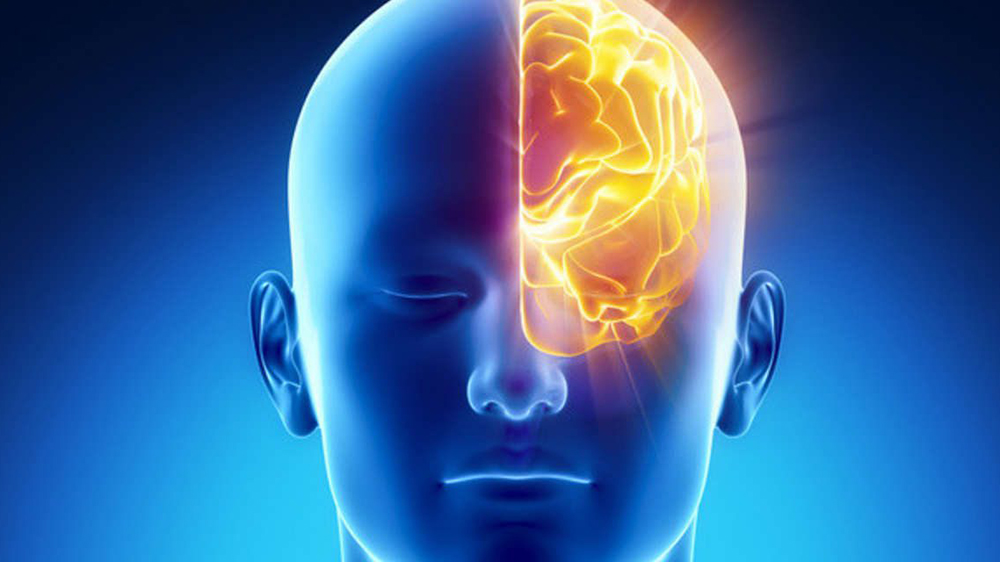
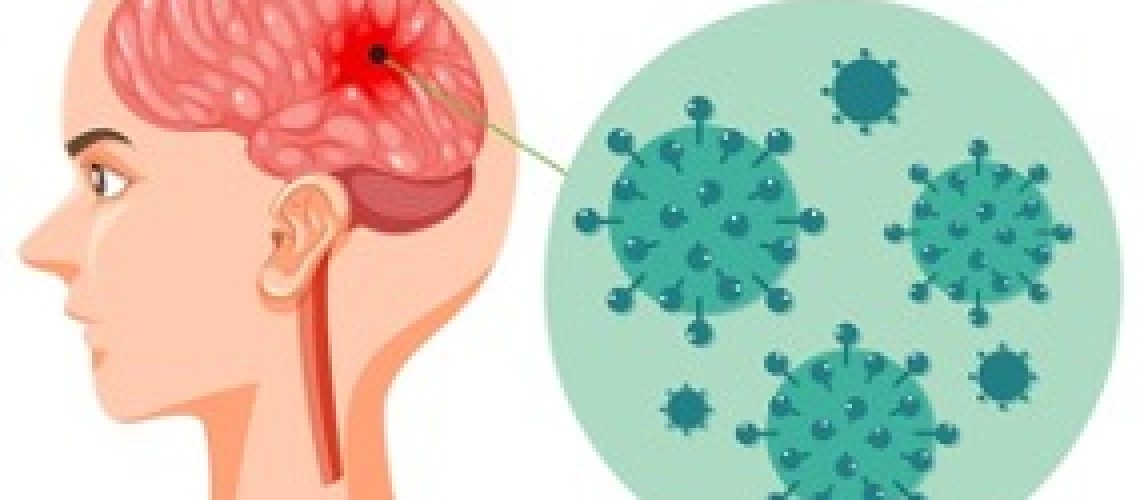
Although the term immediately evokes the meningococcal form, it should not be forgotten that “meningitis” means inflammation of the meninges, that is, the envelope, consisting of three leaflets, that lines the central nervous system. The meninges can also be affected by other microbial agents, either bacterial (e.g., pneumococcal, hemophilic) or viral or fungal, and also involved in traumatic events.
Why is meningitis so scary?

The practice conveys two important experiences or, if you prefer, two messages: first, it is more likely to be feared than a danger that one touches with one’s hands or that, even without seeing, one can sense or even imagine; second, it is difficult to place a value on prevention: if the majority of the population or at-risk individuals vaccinate, the expected effect is the absence (or near absence) of disease. But if this goal is achieved, it is not a foregone conclusion! If the strategies work, in fact, the problem does not emerge, and only a statistical estimate will be able to speculate how many cases have been avoided.
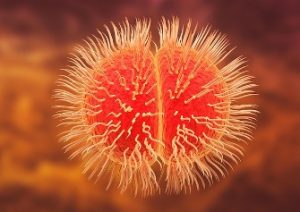
What characterizes bacterial (meningococcal) meningitis?

With regard to bacterial meningitis, what is most striking and frightening is its impact, which could be described as rapid and devastating: it affects healthy individuals of all ages, manifests insidiously, and leaves little time margin for intervention. This is due both to the behavior of perhaps the best known microorganism, meningococcus, and to the fact that the target is the nervous system, by far the most vulnerable organ. Not only that. Although there are fewer cases of meningitis each year than deaths from traffic accidents-and the figures have remained stable in recent years, so there is no justification for thinking of a health or social alarm-one in ten children goes on to die and more than one in three to suffer permanent and disabling consequences, including sensory neurological deficits (e.g., deafness, blindness), motor and cognitive impairments.ù

Who is most at risk?

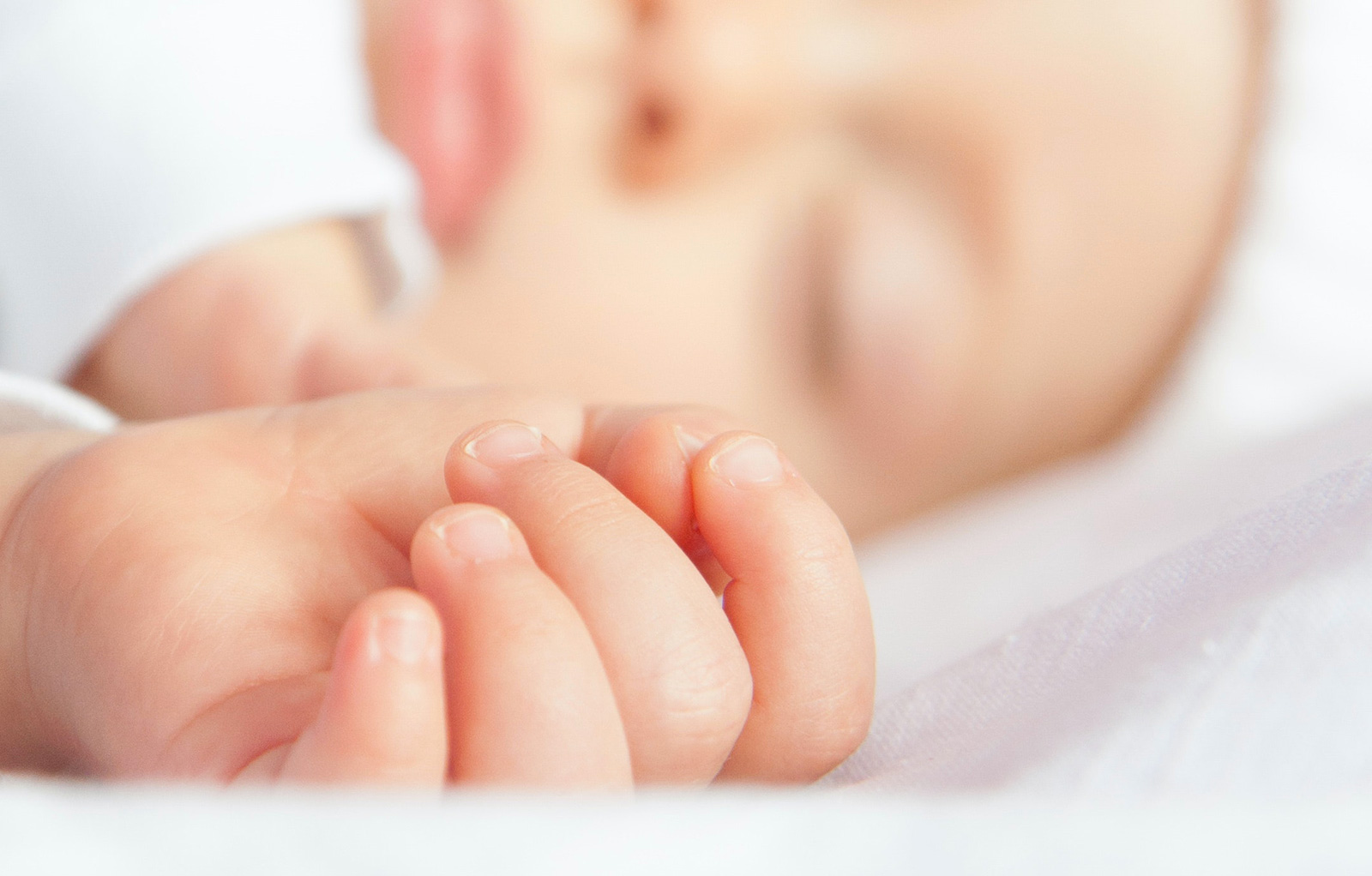
Those most susceptible to bacterial meningitis are infants (by the way, in the first year of life, hemophilus and pneumococcus are also relevant among the causes in addition to meningococcus), followed by adolescents. All age groups, however, should be considered at risk: cases have occurred in young people returning from a party, teachers, adults traveling to countries with high infection rates, and so on. However, there is a common denominator: close contact. Meningococcus, in fact, is transmitted if two individuals stand a few tens of centimeters apart, which explains why schools, oratories, gyms, discos, movie theaters and offices are the places where infection is most likely to occur.

Can home insulation be a prevention strategy?

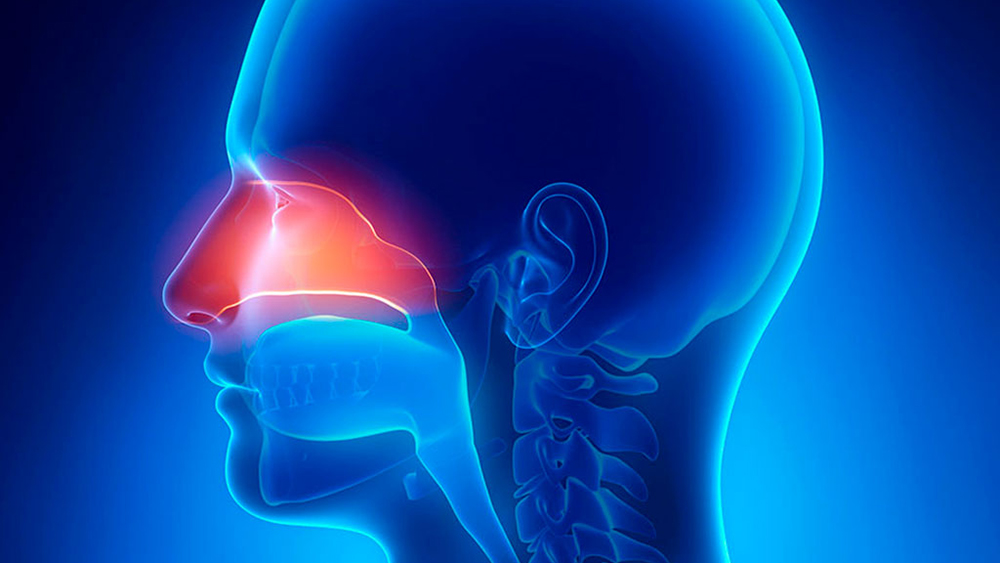
No! Where then did the meningococcus come from? Simple, from healthy carriers. About one in ten individuals unknowingly harbor it in their nasal passages. It is unclear why a germ in seemingly quiet conditions becomes active and gives rise to disease. Of the 13 different types of meningococcus that exist, only five (A, B, C, W135 and Y, of which B and C are the most common in Europe) cause meningitis and other serious illnesses. And specific vaccines are available against them, which among other things have been included in the current Vaccine Plan. Vaccination against meningococcal B is free for children during the 1st year of life: there are 3 doses at the 3rd, 4th, 6th month of life and 1 booster at the 13th month. Meningococcal C vaccination is free for children who have reached one year of age: the National Plan calls for a single administration between 13 and 15 months of age. Vaccination with tetravalent conjugate vaccine, against meningococcal A, C, W, Y, is free for adolescents: either as a booster for those who were already vaccinated against meningococcal C as children or for those who have never been vaccinated before.


Edited by Dr.Piercarlo Salari
Pediatrician and Scientific Disclosure

 

FEATURED SPECIALISTS

  • Profile picture of Dr. Squillante Gianni Erminio
    active 5 years, 7 months ago

    Acupuncturists, Homeopathic Medicine, Basic Doctors

    • Via Monterotondo 14 - Roma
    phone
  • Profile picture of Dott.ssa Emanuela Costantino
    active 5 years, 7 months ago

    Neurologists

    • Via Gallinara 2/B - Cagliari
    phone
  • Profile picture of Dott.ssa Cinzia Maria Zurra
    active 5 years, 7 months ago

    Basic Doctors, Aesthetic Doctors, Nutritionists

    • Viale Rimembranze 5 - Triuggio
    phone
  • Profile picture of Dott.ssa Carmela Tizziani
    active 5 years, 7 months ago

    Coroner, Certifying Doctor, Basic Doctors

    • Via Gaetano Bruno 25 - Napoli
    phone
  • Profile picture of Dott.ssa Irene Pistis
    active 5 years, 7 months ago

    Aesthetic Doctors, Basic Doctors, Certifying Doctor

    • Via della Reoubblica 461/3 - Vergato
    phone

RELATED ARTICLES

Restless leg syndrome

Patients who suffer from it report a sensation of discomfort in one or both legs (with involvement of the arms as well in severe cases) with an unavoidable need to

Brain aneurysm: what is it?

Cerebral aneurysm is a permanent protuberance, that is, a focal dilatation of an arterial vessel in the brain at which the wall stretches, thinning and forming a bubble. It can

Hip reparative surgery

There can be several surgical interventions to correct the hip disorder that vary based on the type and extent of the disorder. Surgery is necessary in cases of hip fracture.

Anorexia nervosa

Anorexia nervosa was included in DSM 5 (2013) in the broader diagnostic category called Nutrition and Eating Disorders. The main characteristic of this disorder is food refusal. The term anorexia (literally

Family dysautonomy

Involuntary nervous system dysfunction, or familial dysautonomia, is a genetic disorder that goes to groups of nerve cells, which are not properly developed and do not survive.

Sleep apnea, effects on sexuality

People suffering from sleep apnea look for possible solutions, worn out by the resulting consequences that significantly affect their quality of life.

Mental illness, what a struggle

Psychiatric disorders are not only mentally exhausting to manage. Depression and anxiety, for example, also weigh heavily on the physical level, making it difficult to perform everyday activities easily and

The family and the patient with bipolar disorder

Bipolar disorder not only disrupts the patient's life but also makes the lives of those around him difficult and sometimes painful. People affected by this disorder often have difficulty acknowledging their mental state to themselves.

RELATED PATHOLOGIES

Senile vascular dementia

Senile vascular dementia corresponds to a process of cognitive decline that goes beyond the physiological reduction in intellectual capacity associated with aging. In most cases, vascular dementia is related to

Emotional crisis

In current usage, the word “crisis” has a dramatic meaning, i.e., the transition from a condition of stability to a variability of previously assumed equilibria, holding homeostasis as the sole

Trigeminal neuralgia

The trigeminal nerve is the fifth of the twelve pairs of cranial nerves in the head; it is the nerve responsible for providing sensation to the face. One trigeminal nerve

Bulimia nervosa

Bulimia nervosa is a more widespread eating disorder than is generally believed and widely underdiagnosed, especially in its mild forms, which can go unnoticed unless those affected seek medical/psychiatric help

Glaucoma

Glaucoma is a serious eye disease that can cause blindness, mainly due to increased pressure inside the eye that damages the optic nerve. The disease can occur at any age,
Syncope

The term syncope refers to an episode of fainting, that is, a sudden loss of senses, which can affect people of any age and can be induced by a variety

Migraine

Migraine is a primary headache that is manifested by recurrent attacks of moderate to severe headaches, varying in duration from 4 to 72 hours, interspersed with symptom-free periods. Sometimes migraine

Insomnia

Insomnia is an extremely common sleep disorder that can affect people of all ages for different reasons and come in various forms and variations, all of which have in common

Tensive headache

Tension headache is a primary form of headache that is characterized by episodes of widespread pain throughout the head, of mild to moderate intensity, that does not worsen with physical

Anorgasmia

Anorgasmia is the syndrome by which we refer to the difficulty in having orgasms even after normal sexual stimulation. The intensity and frequency of orgasms in women are variables that

FEATURED SPECIALISTS

  • Profile picture of Dr. Giandomenico Mascheroni

    active 5 years, 7 months ago

    Endocrinologists, Basic Doctors, Certifying Doctor

    • Via Petrarca 53 - Carnago
    phone
  • Profile picture of Dott.ssa Izabella Sylwia Bartosiewicz

    active 5 years, 7 months ago

    Basic Doctors, Rheumatologists

    phone
  • Profile picture of Dr. Giuseppe Panico

    active 5 years, 7 months ago

    Dermatologists, Basic Doctors

    • Viale Prassilla 41 - Roma
    phone
  • Profile picture of Dr. Giuseppe Lepore

    active 5 years, 7 months ago

    Dermatologists, Basic Doctors, General Surgeons

    • 19 Via Manzoni Alessandro - Garbagnate Milanese
    phone
  • Profile picture of Dott.ssa Federica Filigheddu
    active 5 years, 7 months ago

    Basic Doctors

    phone

prenota il tuo viedeoconsulto in convenzione

Completa il form e sarai contatto dal personale medico specializzato

your advertising
exclusively ON
MY SPECIAL DOCTOR

complete the form and you will be contacted by one of our managers