



of

Colds: causes, symptoms and treatment

human-3269822_1280

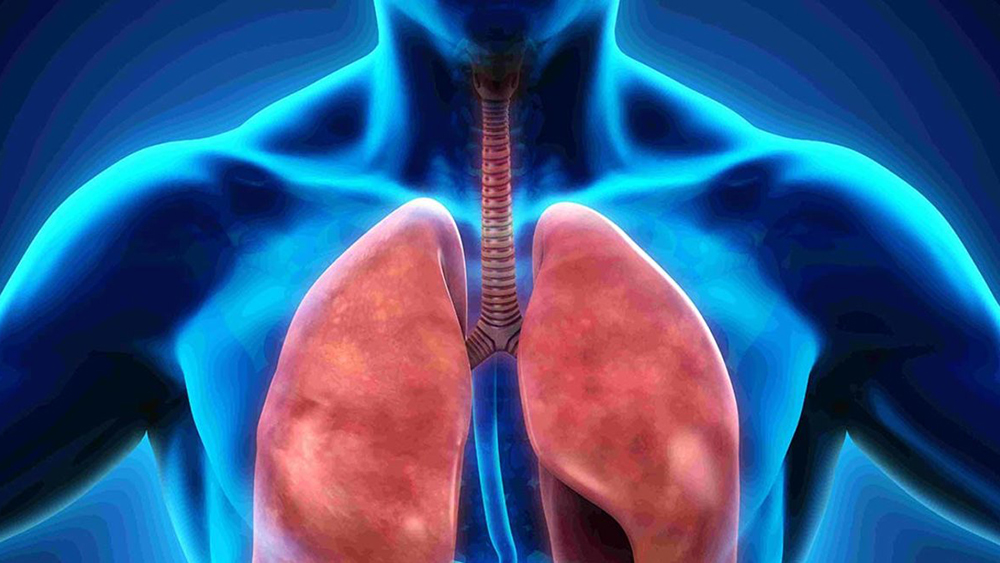
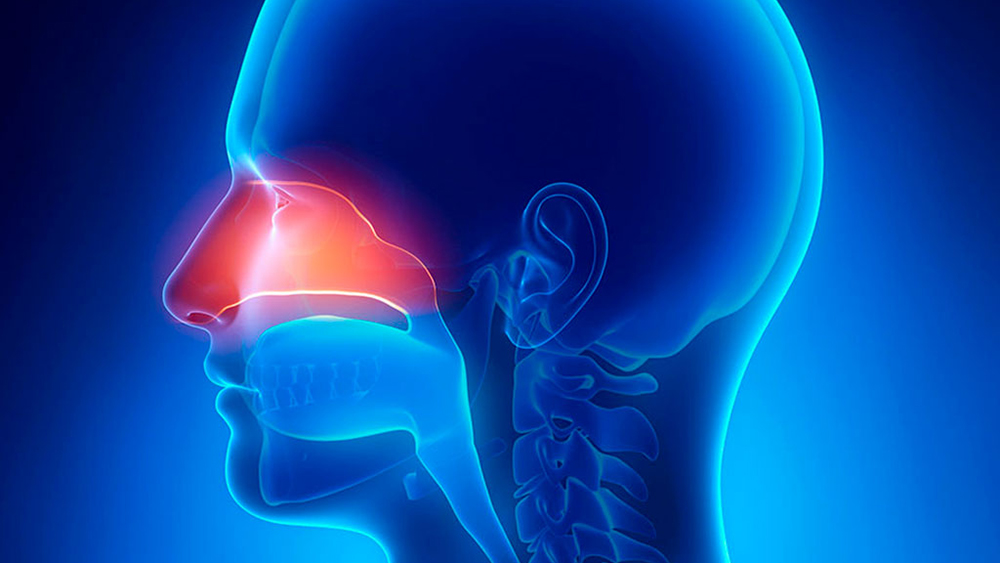
A cold is an acute respiratory infection of viral origin that primarily affects the nose and throat and may be accompanied by coughing. Once affected by the viruses, the nasal mucous membranes become inflamed, swell, and begin to produce mucus, usually fluid and clear, more or less abundant. Although they can be very bothersome, these manifestations should not be resisted because they are an expression of the attack that the immune system is making on the cold virus and, in fact, help to heal.

A cold is a harmless seasonal ailment that usually heals on its own within 3-7 days. It is very common among children, who may experience it repeatedly especially in the fall and winter months (reaching up to 7-10 episodes per year), but it also routinely affects adults (on average 2-3 times per year).

Disorders and symptoms

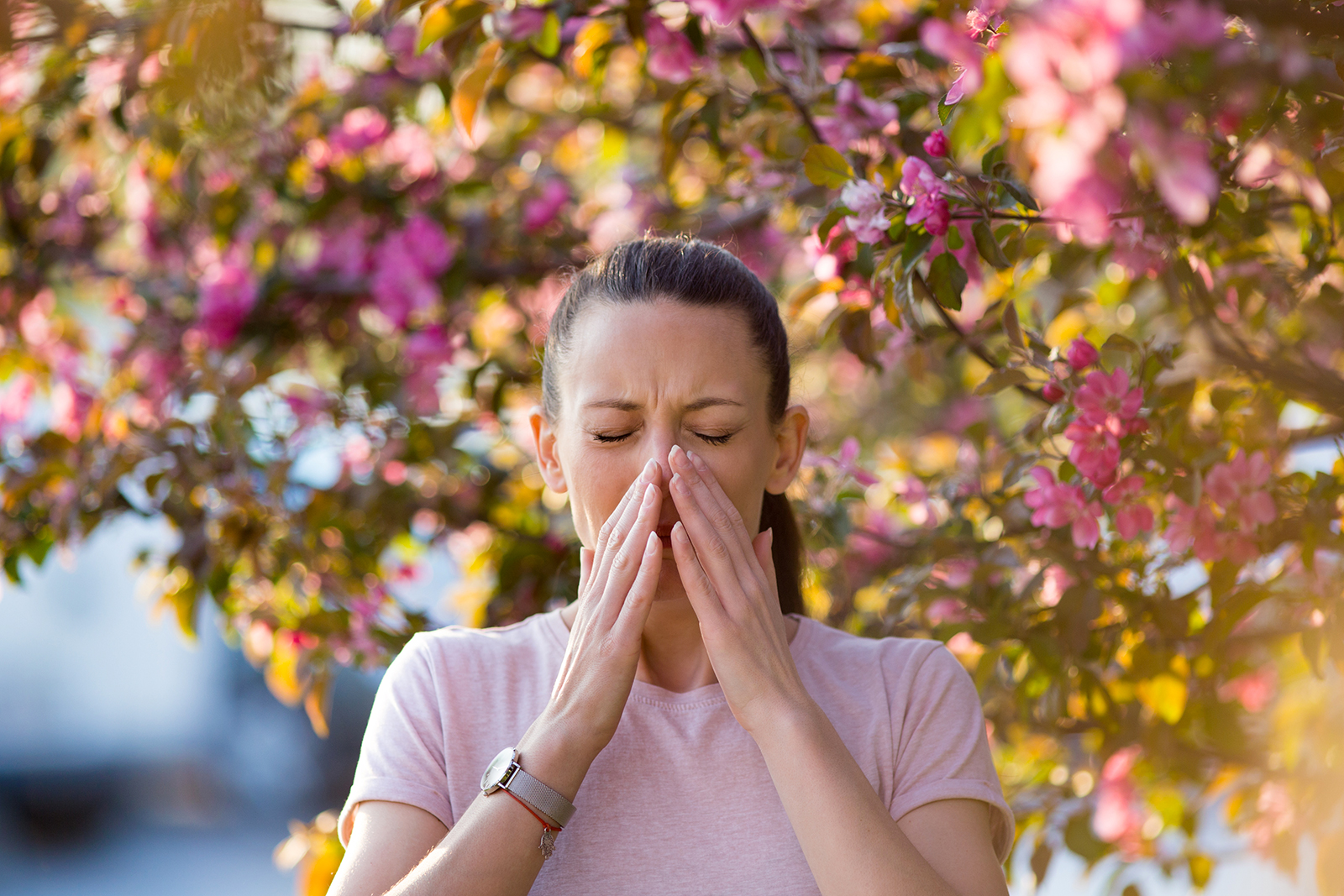
Characteristic symptoms of a cold include a dripping (rhinorrhea) and flushed nose, feeling stuffy and difficulty breathing through the nostrils, sneezing, sore throat, coughing, mild headache (especially in the middle of the forehead), sometimes a few lines of fever and modest general malaise.

In infants and younger children, recurrent colds can facilitate the onset of otitis, sinusitis, and more or less intense inflammation of the upper airways (pharyngitis, laryngitis, tracheitis, tonsillitis): all diseases that need to be managed with the help of the pediatrician and may sometimes require the use of antibiotics (always to be taken only on prescription).

Causes

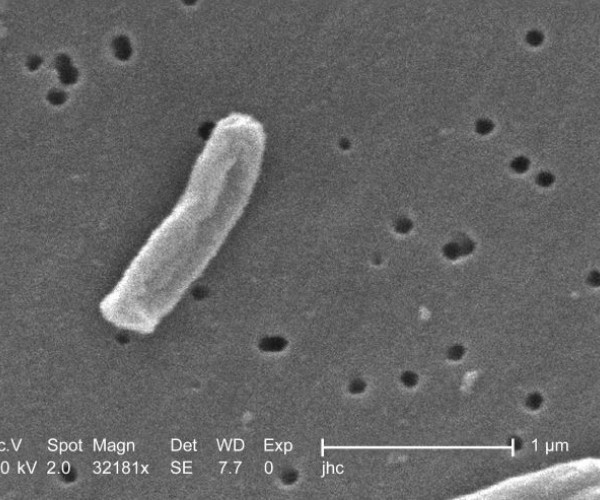
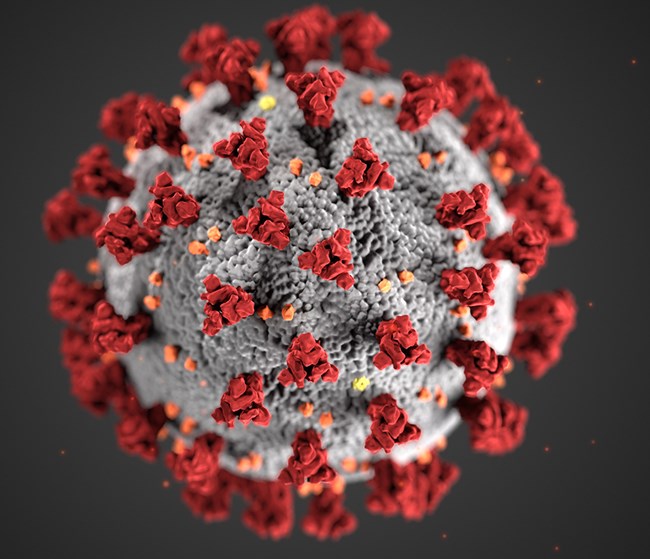
Causing colds are more than 200 types of viruses, mainly belonging to the rhinovirus and coronavirus classes, which are respiratorily transmitted and can infect humans at any time of the year.

Coronaviruses tend to multiply and cause colds especially from early fall to early spring, when the immune defenses of the respiratory system are reduced due to cold weather, temperature changes, smog and other unfavorable environmental factors.

Rhinoviruses spread best when the weather is milder (spring and summer), causing annoying “unseasonable” symptoms, which should not be confused with those of “allergic rhinitis.” The manifestations in the two cases are quite similar, but while rhinovirus colds last for a few days, the symptoms of allergic rhinitis tend to persist as long as allergens to which one is sensitive are present in the air.

To date, there is no vaccine to prevent colds. To reduce the risk of contracting it, some practical steps can be taken such as: wash your hands often, with soap and water or antiseptic gels; avoid touching your nose, mouth and eyes with hands that are not perfectly clean; avoid crowded enclosed places; stay away from people with cold symptoms; do not smoke; use disposable paper towels and throw them in the garbage immediately after blowing your nose or sneezing; ventilate the rooms in which you stay frequently, but without exposing yourself to air blasts or temperature changes; support your immune system by getting enough rest, exercising regularly, avoiding stress, eating healthy foods and taking adequate amounts of vitamins, zinc and minerals.

Diagnosis

Diagnosis of a cold is extremely simple and related to the finding of characteristic symptoms. Whether it affects a child or an adult, the common cold does not involve discomfort that requires medical attention. However, when the disorder is very intense and/or associated with coughing, when it affects a child in the early years of life or a frail elderly person, and when it persists for several days or recurs frequently, it is reasonable to undergo a medical examination to receive an accurate diagnosis and targeted treatment recommendations.

How to treat

Even a fairly intense cold gets better within a few days without special treatment. However, when the symptoms bother you a lot or prevent you from sleeping and concentrating, you can try to relieve them by resorting to decongestant nasal sprays, which relieve the inflammation of the mucous membrane of the nose, providing quick, if partial and temporary, relief.

Decongestant nasal sprays are contraindicated in children and in those with hypertension, glaucoma, diabetes, thyroid disorders, and during pregnancy and lactation. Even adults without these conditions, however, should try to use nasal sprays as little as possible so as not to risk prolonging the discomfort too long. The advice is to apply them no more than 3-4 times a day (1-2 sprays per nostril) and for up to 4-5 days.

Effective and harmless alternatives for clearing the noses of children and adults include nasal washes with sterile saline, aerosol, and suffumigation. Absolutely forbidden, on the other hand, is the use of antibiotics: against viruses, antibiotics are completely useless and their incorrect intake promotes the development of resistant bacteria that are increasingly difficult to fight.

FEATURED SPECIALISTS

  • Profile picture of Dott.ssa Emanuela Costantino
    active 5 years, 7 months ago

    Neurologists

    • Via Gallinara 2/B - Cagliari
    phone
  • Profile picture of Dr. Fabio Fabi
    active 5 years, 7 months ago

    Sports Doctors, Internist, Basic Doctors

    • Via Sarsina 147 - Roma
    phone
  • Profile picture of Dott.ssa Irene Pistis
    active 5 years, 7 months ago

    Aesthetic Doctors, Basic Doctors, Certifying Doctor

    • Via della Reoubblica 461/3 - Vergato
    phone
  • Profile picture of Dott.ssa Monica Calcagni
    active 5 years, 7 months ago

    Gynecologists, Aesthetic Doctors, Basic Doctors

    • Via Casilina 32 - Arce
    phone
  • Profile picture of Dr. Monica Gamba
    active 5 years, 7 months ago

    Aesthetic Doctors, Plastic Surgeons, Basic Doctors

    • Viale Radich 21/N - Grugliasco
    phone

RELATED ARTICLES

Viruses? They are not always harmful

Virus is not always synonymous with “harmful cause,” carrying negative effects. At least in the deep sea, where plankton viral infections are the engine of the food chain. The news

The first white paper on spinal muscular atrophy

Spinalmuscular atrophy (SMA) is one of those rare diseases, moreover chronic, for which treatment is finally looming from a clinical perspective. It affects about 1 in 10,000 infants, is characterized

Smartphone addiction is like a drug

The 21st century is marked by new technologies, smartphones and everything that revolves around these devices that are as useful as they are harmful. According to Erik Peper, professor of

Skin aging

When you talk about skin, one is quick to trace aging back to the simple Appearance of macroscopic changes: all the signs of the passage of years Instead, they are

RELATED PATHOLOGIES

Rhinitis

Like all medical terms ending in “ite,” rhinitis refers to a situation of inflammation that specifically affects the mucous membranes of the nose (from the Latin, rhino) and can have

Pleuritis

Pleurisy is a respiratory disease characterized by acute irritation and inflammation of the pleura, the two-layer membrane that surrounds the lungs and separates them from other organs and fluids in

Colds

A cold is an acute respiratory infection of viral origin that primarily affects the nose and throat and may be accompanied by coughing. Once affected by the viruses, the nasal

Chronic obstructive pulmonary disease (COPD)

According to the official definition, COPD is “a pathological condition of the respiratory system characterized by chronic and partially reversible airflow obstruction to which bronchial (chronic bronchitis), bronchiolar, (small airway

Pulmonary emphysema

Emphysema is a respiratory condition that is part of the clinical picture characteristic of chronic obstructive pulmonary disease (COPD) and is characterized by a progressive destruction of the lung septa

Tuberculosis

Tuberculosis is a chronic-onset infectious disease that primarily, but not only, affects the respiratory system. Dreaded until the 1940s in Western countries, tuberculosis was almost forgotten in the following decades,

Obstructive sleep apnea

Repetitive episodes of upper airway obstruction may occur during sleep, often accompanied by reduced oxygen saturation. Such episodes are accompanied in almost all cases by snoring. Apneas often end with

Bronchitis

The term bronchitis refers to an acute inflammation of the trachea and bronchi that generally arises as a result of a viral or, more rarely, bacterial infection. In overall healthy

Food allergies and intolerances

Physical reactions to certain foods are common, but for the most part they are caused by afood intolerance rather than a food allergy. A food intolerance can cause some of

Bronchial asthma

Bronchial asthma is a chronic respiratory disease brought about by persistent inflammation of the airways, particularly the bronchi, which generates hypersensitivity to a variety of stimuli that, when present, result

FEATURED SPECIALISTS

  • Profile picture of Dott. Gianlorenzo Casani
    active 5 years, 7 months ago

    Geriatrics, Certifying Doctor, Basic Doctors

    • Via Costantino Baroni 71/73 - Milano
    phone
  • Profile picture of Dr. Tiziana Volpe
    active 5 years, 7 months ago

    Gynecologists, Basic Doctors, Professional Counselor

    • Piazzale Jonio 50 - Roma
    phone
  • Profile picture of Dr. Domenico D'Angelo
    active 5 years, 7 months ago

    Otolaryngologists, Basic Doctors, Competent Doctor

    • Via Pola 5 - San Prisco
    phone
  • Profile picture of Dr. Squillante Gianni Erminio
    active 5 years, 7 months ago

    Acupuncturists, Homeopathic Medicine, Basic Doctors

    • Via Monterotondo 14 - Roma
    phone
  • Profile picture of Dott.ssa Emanuela Costantino
    active 5 years, 7 months ago

    Neurologists

    • Via Gallinara 2/B - Cagliari
    phone

prenota il tuo viedeoconsulto in convenzione

Completa il form e sarai contatto dal personale medico specializzato

your advertising
exclusively ON
MY SPECIAL DOCTOR

complete the form and you will be contacted by one of our managers