




Summary
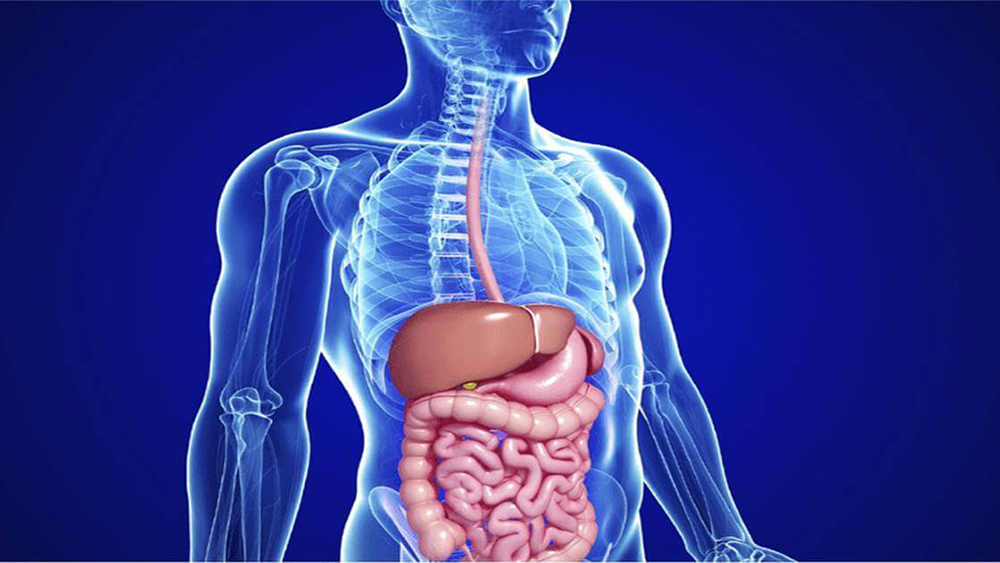
Celiac disease is a disease of the immune system that reacts to foods containing gluten, a protein found in wheat, rye and barley.
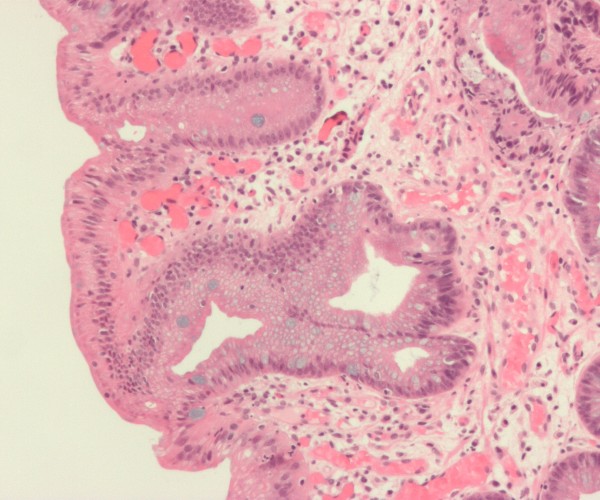
When eating gluten, the immune system attacks and damages the small intestine. This makes it difficult for the body to absorb nutrients.
Causes and risk factors
Quali sono le cause della celiachia? Beh non le si comprendono completamente. Si sa che è collegato ai geni e alla familiarità.
È più comune nelle persone che hanno alcune malattie autoimmuni come il diabete di tipo 1 o l’artrite reumatoide. È anche più comune nelle persone che hanno una malattia genetica come la sindrome di Down o la sindrome di Turner.
Symptoms
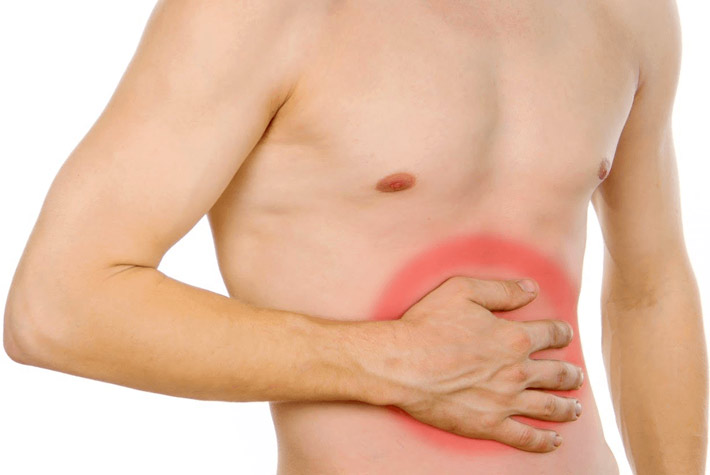
La celiachia può causare un’ampia gamma di sintomi. Questi possono variare da persona a persona. Alcuni hanno problemi digestivi come diarrea e costipazione, altri hanno perdita di peso o crescita ritardata.
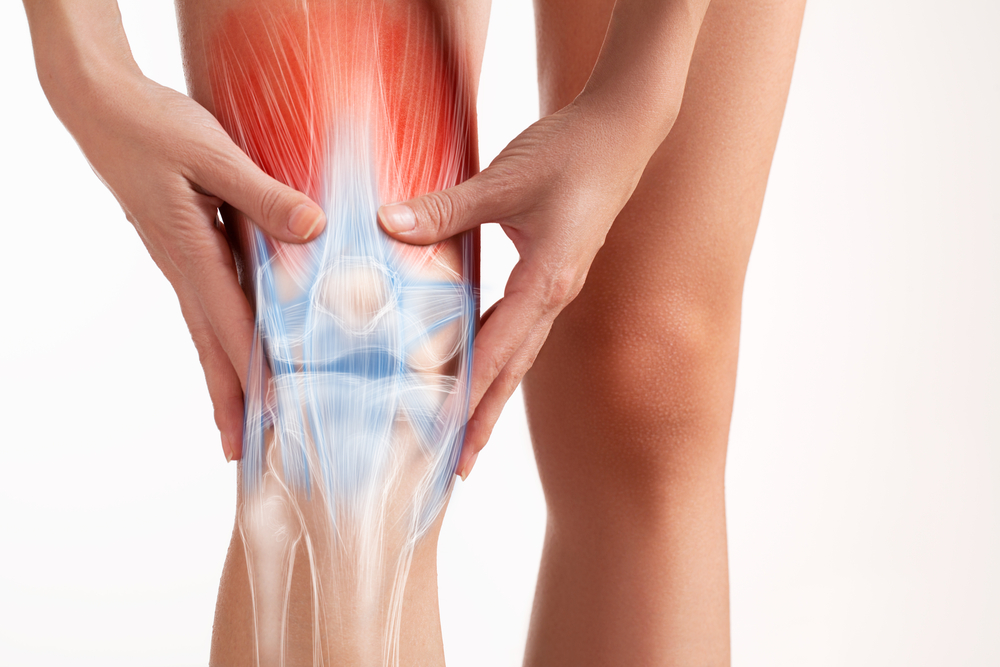
La malattia celiaca può far sentire stanco e irritabil o far sentire chi ne soffre ansioso o depresso, o può causare problemi a ossa, denti, pelle, capelli e articolazioni. Per un elenco completo dei sintomi, chiedere al proprio medico.
Management
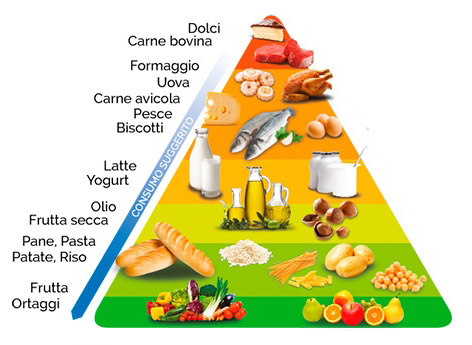
Coeliac disease must be treated with a strict gluten-free diet. Medication can also bring improvement, or benefit from vitamin and mineral supplements. A care plan can be drawn up by the treating physician.
Overview
This is an immune system disease. With it, yourimmune system reacts to foods that contain gluten.That’s a protein found in wheat, rye and barley.When you eat gluten, your immune system attacksand harms your small intestine. This makes it hardfor your body to absorb nutrients.
Causes and risk factors
What causes celiac disease? Well, we don’t fullyunderstand it. We know it’s linked to your genes.And, it runs in families. It’s more common in peoplewho have certain autoimmune diseases like type 1diabetes or rheumatoid arthritis. It’s also morecommon in people who have a genetic disorder likeDown syndrome or Turner’s syndrome.
Symptoms
Celiac disease can cause a wide range ofsymptoms. These can vary from person to person.Some have digestive problems, such as diarrheaand constipation. Some have weight loss ordelayed growth. It can cause you to feel tired andirritable. You may feel anxious or depressed. Celiacdisease can cause problems with bones, teeth,skin, hair and joints. For a full list of symptoms, askyour doctor.
Management
Celiac disease is managed with a strict gluten-freediet. Medications may help you, too. And, you maybenefit from vitamin and mineral supplements. Yourhealthcare provider will create a care plan that’sright for you.