





Summary
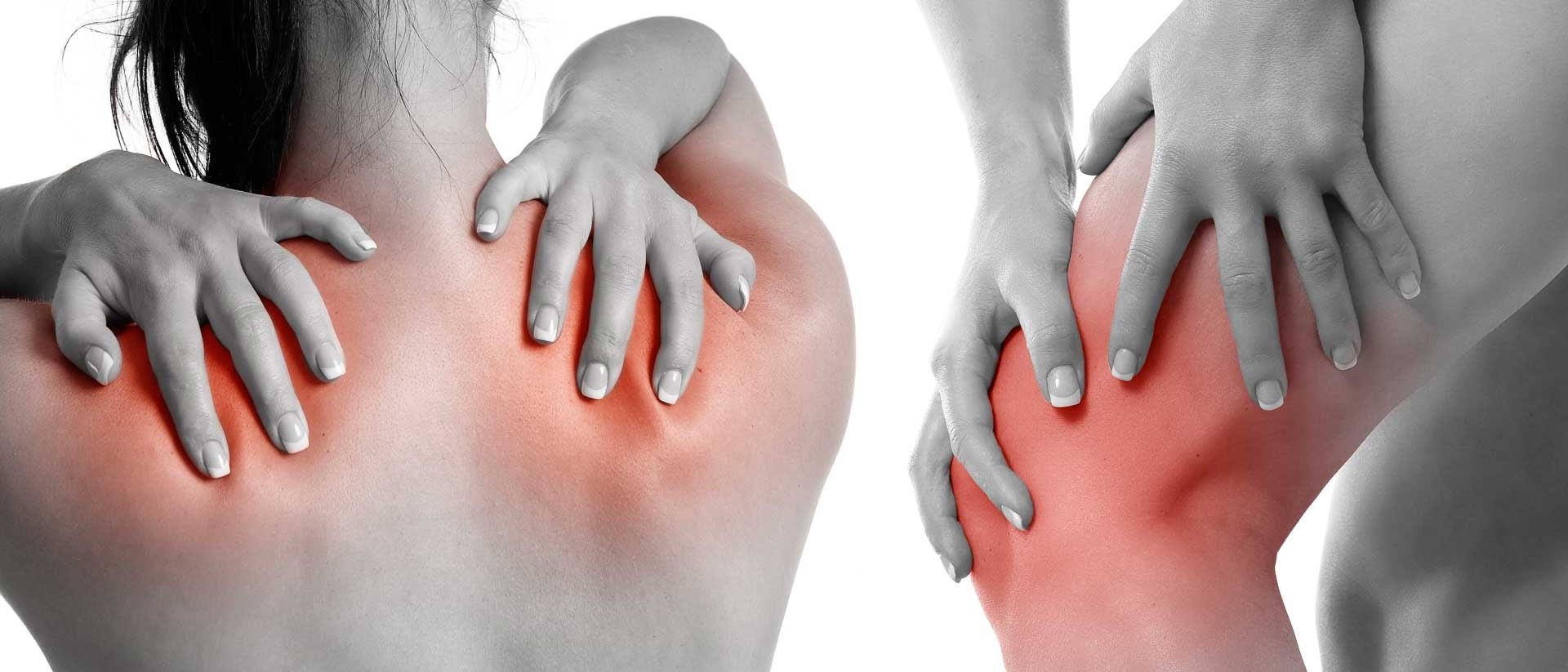
If you have pain that lasts for more than six months, then it is ‘chronic’ pain. This is different from the temporary pain that you experience when you injure yourself, for example. With chronic pain, it is possible to ignore the cause. Pain can affect the entire body and even the mind, causing problems that affect many aspects of one’s life. But there is hope. Here are some tips for managing chronic pain.
Medical treatment
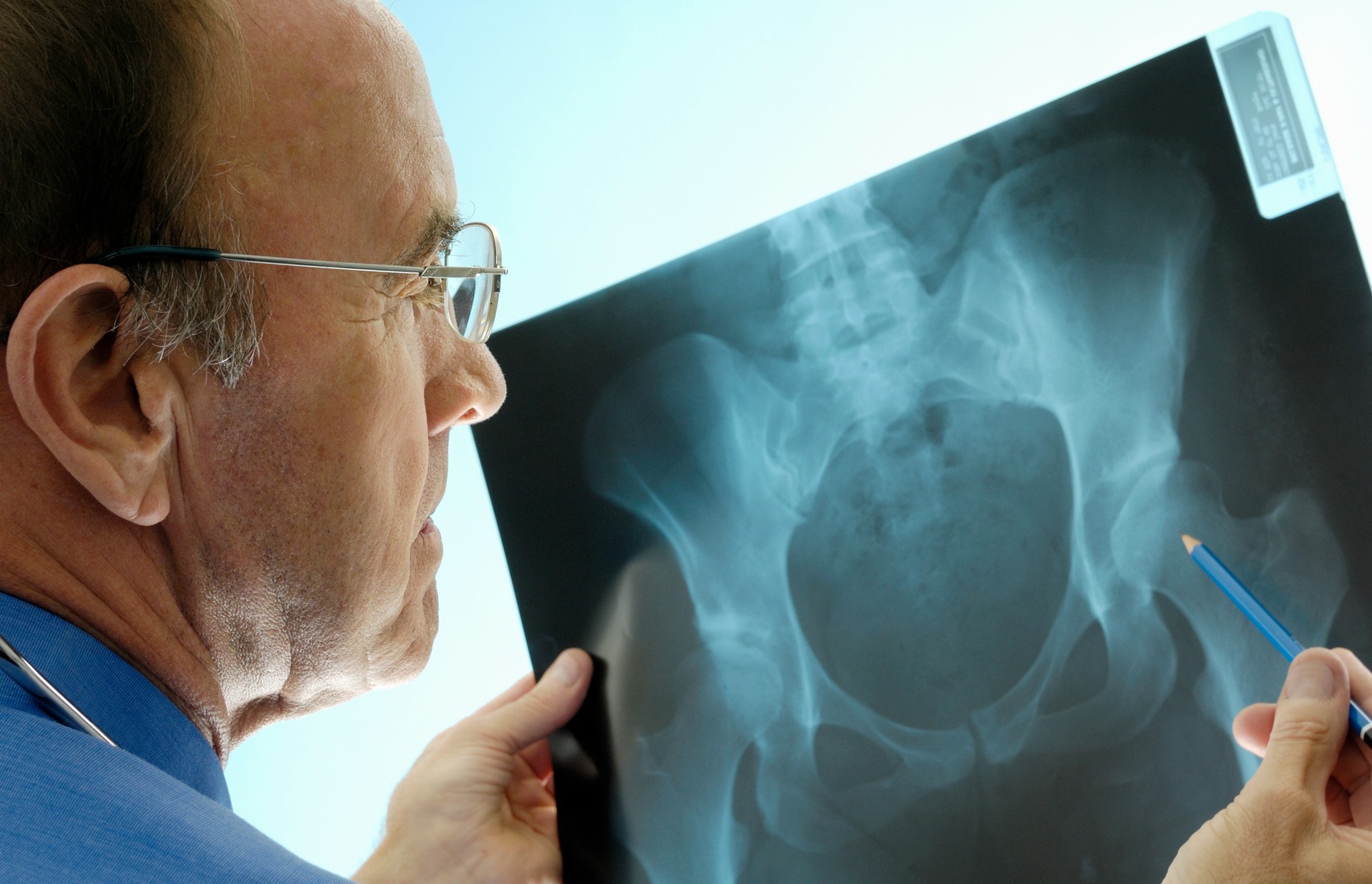
First, follow all the doctor’s advice: medication, physical therapy and even surgery can help. Then take note of the advice Do not miss any check-up appointments, take prescribed medication and constantly report to your doctor if something is not working in your care plan.
Taking care of your body
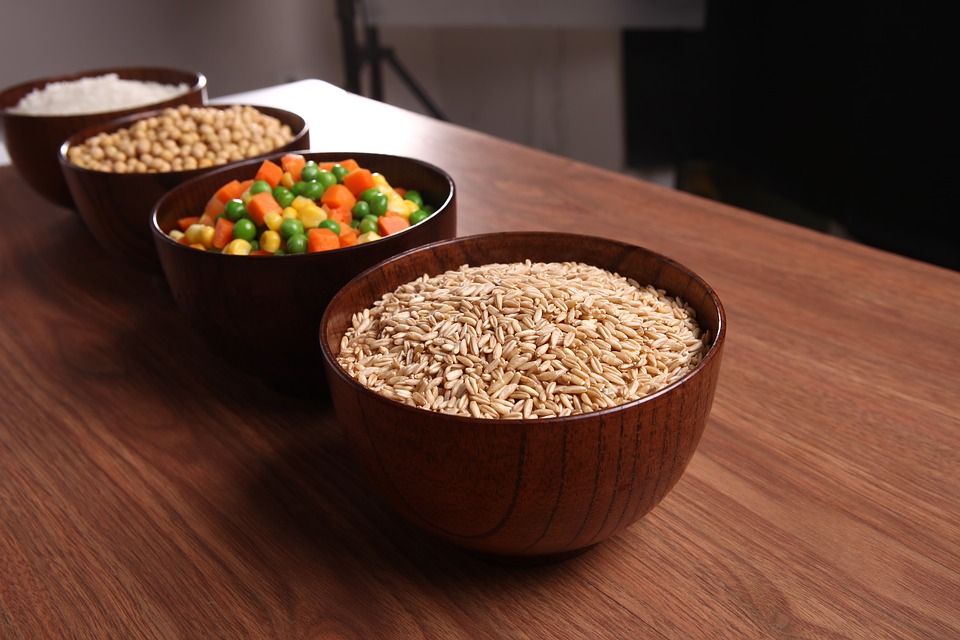
Stay as active and healthy as possible. Eat a healthy diet, get enough sleep and exercise every day. When you are active, your body releases endorphins, natural chemicals that help you feel good.
Reducing stress
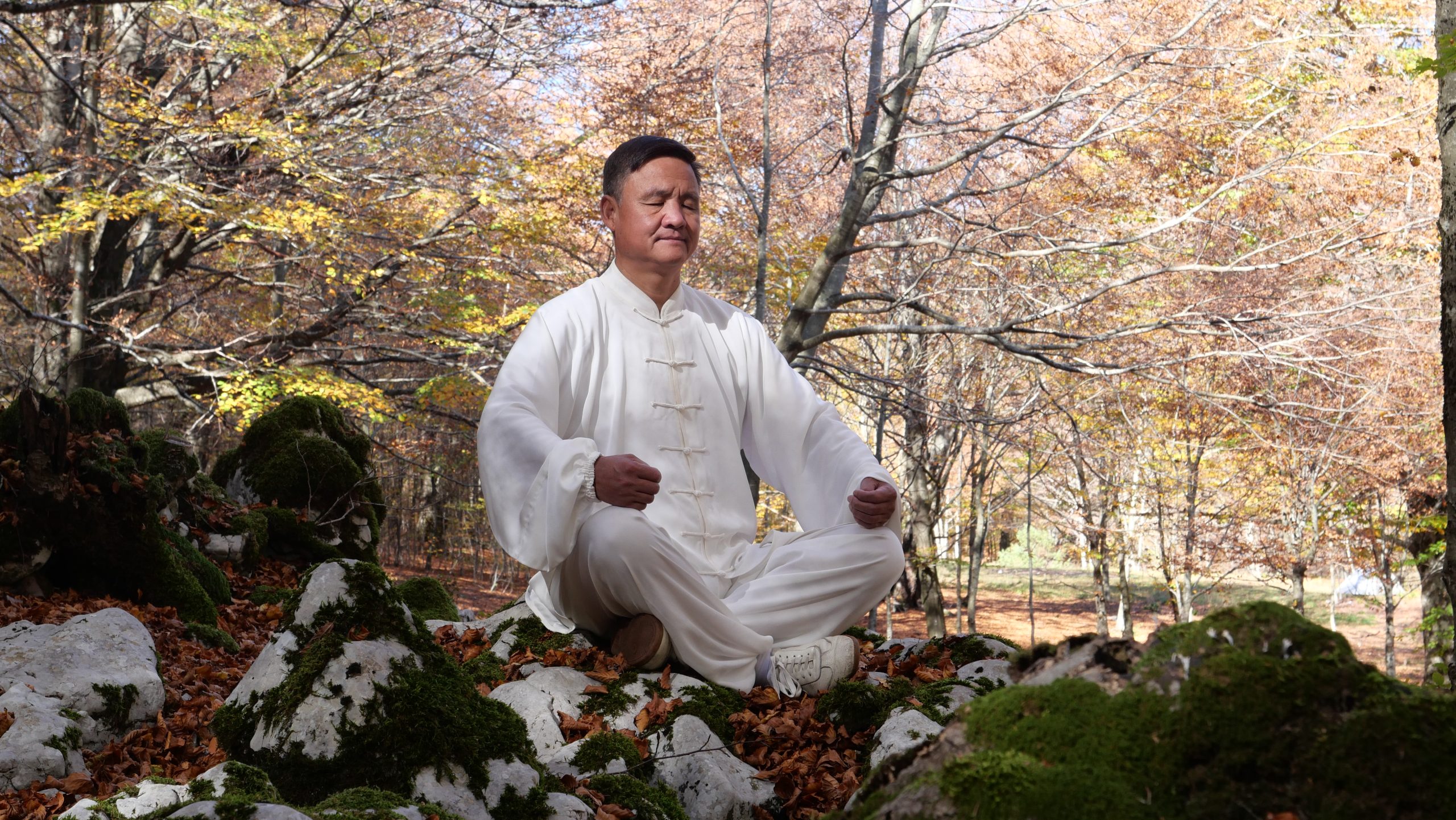
Taking care of one’s body is often not enough, physical and emotional pain are strongly connected, so one must take care of one’s mind. One of the best things to do is to reduce stress. Minimise the things that cause stress in your life. Delegate some of them to other people and know how to say no when necessary. If you still feel stressed, try breathing exercises, meditation or other relaxation techniques.
Conclusion
Taking an active role in treatment and following the doctor’s advice are the necessary steps to learn how to manage chronic pain and take back one’s life.
Overview
If you have pain that lasts for more than six months,you have “chronic” pain. It’s different from thetemporary pain you feel when you hurt yourself. With chronic pain, you may not know why you arehurting. Your pain may affect your whole body andyour mind, causing problems that ripple throughevery part of your life. But there is hope. Here aresome tips to help you manage chronic pain.
Medical treatment
First, follow all of your doctor’s recommendations.Medications, physical therapy and even surgerycan help. So listen to your doctor’s advice. Followthrough with your appointments. Take medicationsas directed, and speak up if your care plan isn’tworking.
Take care of your body
Stay as active and as healthy as possible. Eat ahealthy diet, get plenty of sleep and exercise a safeamount every day. When you’re active, your bodyreleases endorphins. These are natural chemicalsthat help you feel good.
Reduce stress
Often, taking care of your body is not enough.Physical and emotional pain are strongly linked. Sotake care of your mind, too. One of the best thingsyou can do is reduce your stress. Minimize thingsthat cause stress in your life. Hand some things offto other people. Learn to say no. If you still feel stress, try breathing exercises, meditation or otherrelaxation techniques.Take care of your emotional well-being.
Take care of your body
Stay as active and as healthy as possible. Eat ahealthy diet, get plenty of sleep and exercise a safe amount every day. When you’re active, your bodyreleases endorphins. These are natural chemicalsthat help you feel good.
Conclusion
If you take an active role in your care and followyour doctor’s advice, you can learn to managechronic pain and take back your life.