

of

Pacemaker implantation (endocardiac approach)

Summary

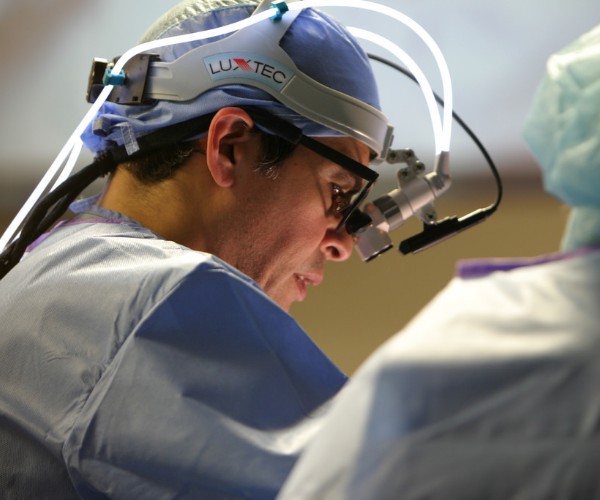
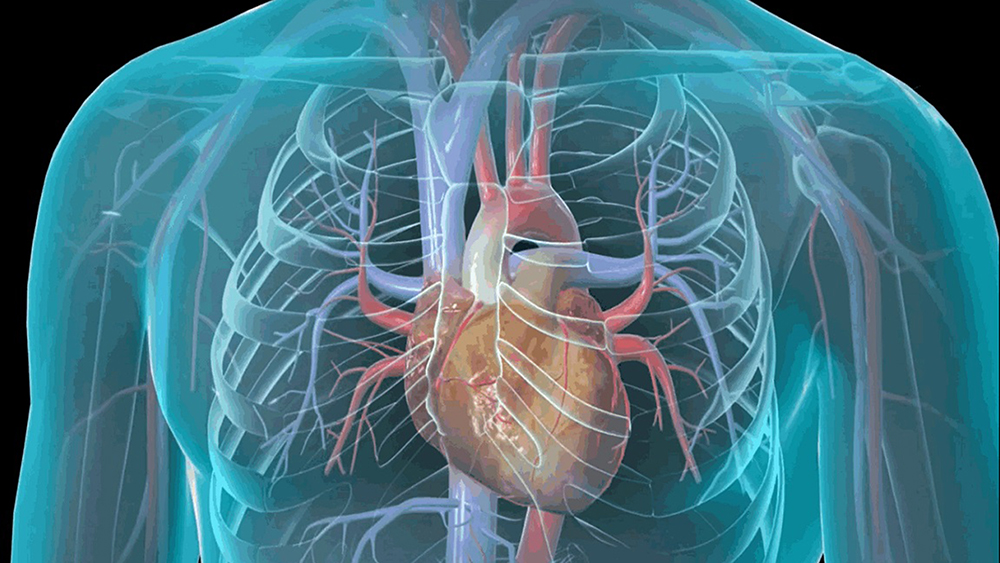
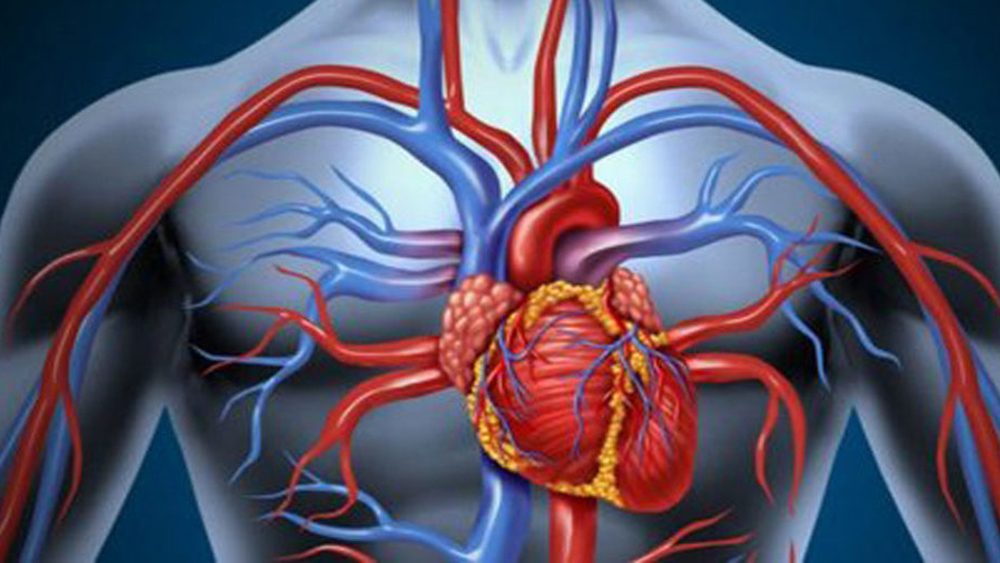
In this type of surgery, a pulse generator (called a pacemaker) is implanted in the chest to regulate the rhythm of the heart.

Preparation

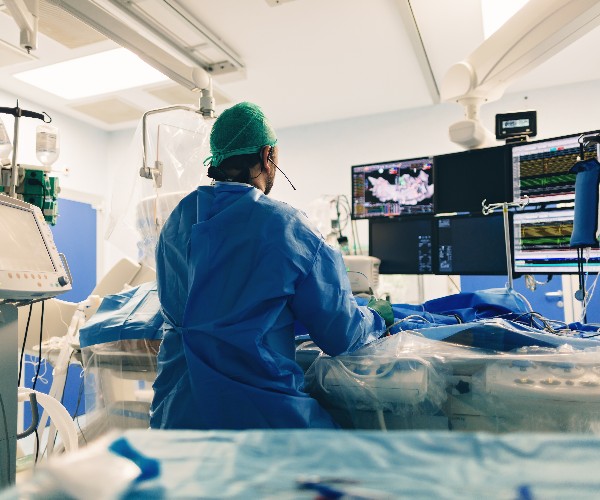
Preparation for the procedure involves positioning the patient as required for the procedure, while the insertion site on the chest is carefully anaesthetised.
The patient is administered a sedative, which will make him or her feel relaxed and sleepy, while several monitors are connected to the patient’s chest and body.
The surgical care team will closely observe the monitors with data to monitor the patient’s heart rate and blood pressure during the procedure.

Driving Implant

The doctor makes one or more small incisions to access a large vein in the chest in order to insert a lead, guiding it with careful precision into the heart with the help of a fluoroscope (a camera that creates a moving X-ray in real time).
Usually the lead is placed in the right ventricle of the heart. For some patients, two leads can be implanted (one in the right atrium and one in the right ventricle). This type of pacemaker is called a two-chamber pacemaker.

Testing the Guidance System

After the lead is in place, it is temporarily connected to a device that sends a series of impulses to the heart. This test is called ‘pacing’ and allows the doctor to ensure that the lead is working properly.

Pacemaker implantation

When the test has been performed, the test device is disconnected and the lead is connected to the pacemaker. The physician creates a small pocket under the skin of the chest and slides the pacemaker into this pocket. Once activated, the pacemaker will generate electrical impulses and send these signals through the leads and into the heart.

End of the procedure and subsequent treatment

When the implantation is complete, the doctor closes the incisions he had made and then adjusts the pacemaker settings with an external programming device to fine-tune the heart rhythm. The patient will remain in the hospital overnight so that the heart can be cautiously monitored closely.


Overview

In this procedure, an impulse generator (called apacemaker) is implanted in the chest to regulate therhythm of the heart.

Preparation

In preparation for the procedure, the patient ispositioned and the insertion site on the chest isanesthetized. The patient is given a sedative. This will make the patient feel relaxed and drowsy.Several monitors are attached to the patient’s chestand body. The surgical care team will closely watchthese monitors to track the patient’s heart rhythmand blood pressure during the procedure.

Implanting the Lead

The physician creates one or more small incisionsto access a large vein in the chest. The physicianinserts a lead into this vein and carefully guides itinto the heart with the help of a fluoroscope (acamera that creates a real-time moving x-ray).Typically, the lead is placed in the heart’s rightventricle. For some patients, two leads may beimplanted (one in the right atrium and one in theright ventricle). This type of pacemaker is called adual-chamber pacemaker.

Testing the Lead

After the lead is in position, the lead is temporarilyconnected to a device that sends a series ofimpulses to the heart. This test is called “pacing.” Itallows the physician to ensure the lead is workingproperly.

Implanting the Pacemaker

When the test is complete, the testing device isdisconnected and the lead is attached to thepacemaker. The physician creates a small pocketbeneath the skin of the chest and slips thepacemaker into this pocket. Once the pacemaker isactivated, it will generate electrical impulses andsend these signals through the leads and into theheart.

End of Procedure and Aftercare

When the implantation is complete, the physiciancloses the incisions. The physician may adjust thesettings of the pacemaker with an externalprogramming device to fine-tune the heart’s rhythm.The patient will remain in the hospital overnight sothe heart can be closely monitored.

FEATURED SPECIALISTS

  • Profile picture of Dott.ssa Ilaria Berto
    active 5 years, 10 months ago

    Basic Doctors, Acupuncturists, Aesthetic Doctors

    • Via Antonio Corradini 1 - Este
    phone
  • Profile picture of Studio Medico San Pellegrino
    active 5 years, 7 months ago

    Sports Doctors, Basic Doctors

    Spread the word!

    Recommend this special

    doctor to a friend

    message phone house
    visit
    video
    consulting
    WhatsApp conferences
    and webinars
  • Profile picture of Dott.ssa Izabella Sylwia Bartosiewicz
    active 5 years, 10 months ago

    Basic Doctors, Rheumatologists

    phone
  • Profile picture of Dr. Monica Gamba
    active 5 years, 10 months ago

    Aesthetic Doctors, Plastic Surgeons, Basic Doctors

    • Viale Radich 21/N - Grugliasco
    phone
  • Profile picture of Dott. Franco Cicerchia

    active 5 years, 10 months ago

    Ophthalmologists, Acupuncturists, Basic Doctors

    • Via Alcide de Gasperi 39 - Palestrina
    phone

RELATED PATHOLOGIES

Aortic aneurysm

An aortic aneurysm refers to permanent dilatation of a well-defined segment of the aorta, the largest artery in the body that receives blood directly from the left ventricle and distributes

Intracranial hypertension

Increased pressure within the head box may be related to cerebral edema or the presence of an intracranial expansive lesion, an obstruction of CSF circulation, or the association of these

Peripheral arteriopathy obliterans

Peripheral arteriopathy obliterans is a vascular disease that affects the arteries, especially those in the legs, preventing the muscles and tissues from receiving adequate blood supply, resulting in symptoms of

Cardiac arrhythmias

The group of cardiac arrhythmias includes all conditions characterized by an alteration in the rhythm of contraction of the heart, either in excess or in defect or associated with irregularities

Heart failure (acute)

Acute Heart Failure (AHF) is a potentially life-threatening clinical condition that can result from the worsening of an already diagnosed chronic heart failure (heart failure) or represent its onset event.

Deep vein thrombosis (DVT)

Deep vein thrombosis (DVT) occurs when a clot (thrombus) forms within a vein and completely or partially occludes it, blocking or restricting blood flow in that vessel. In principle, any

Aortic valvulopathy

When the aortic valve does not properly perform its function of pumping blood into the heart, an aortic disease condition occurs that also involves the left ventricle. Aortic valve disease

Atherosclerosis

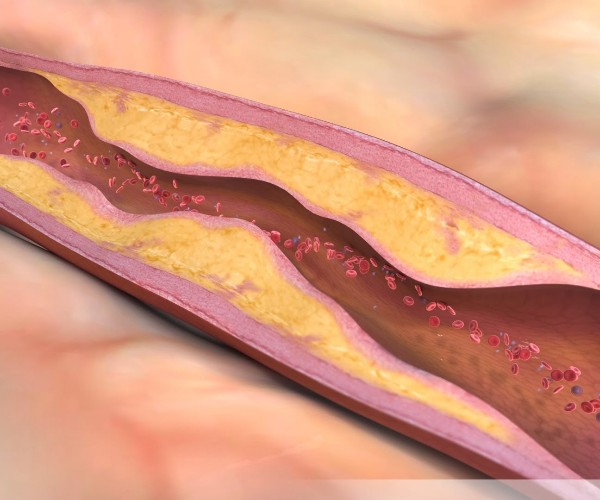
Atherosclerosis is a pathological process that leads to the progressive formation of localized deposits composed mainly of fat and cholesterol and platelets (atheromas or atherosclerotic plaques) within the walls of

Coronaropathy

The term coronary artery disease refers to chronic “distress” of the coronary arteries, the arteries that supply blood to the heart muscle, in most cases brought about by atherosclerotic pathology

Lymphedema

1/10 – What is lymphedema Lymphedema is a chronic pathological condition mainly manifested by swelling of a region of the body due to the accumulation of lymph in the tissues.

Obstructive sleep apnea

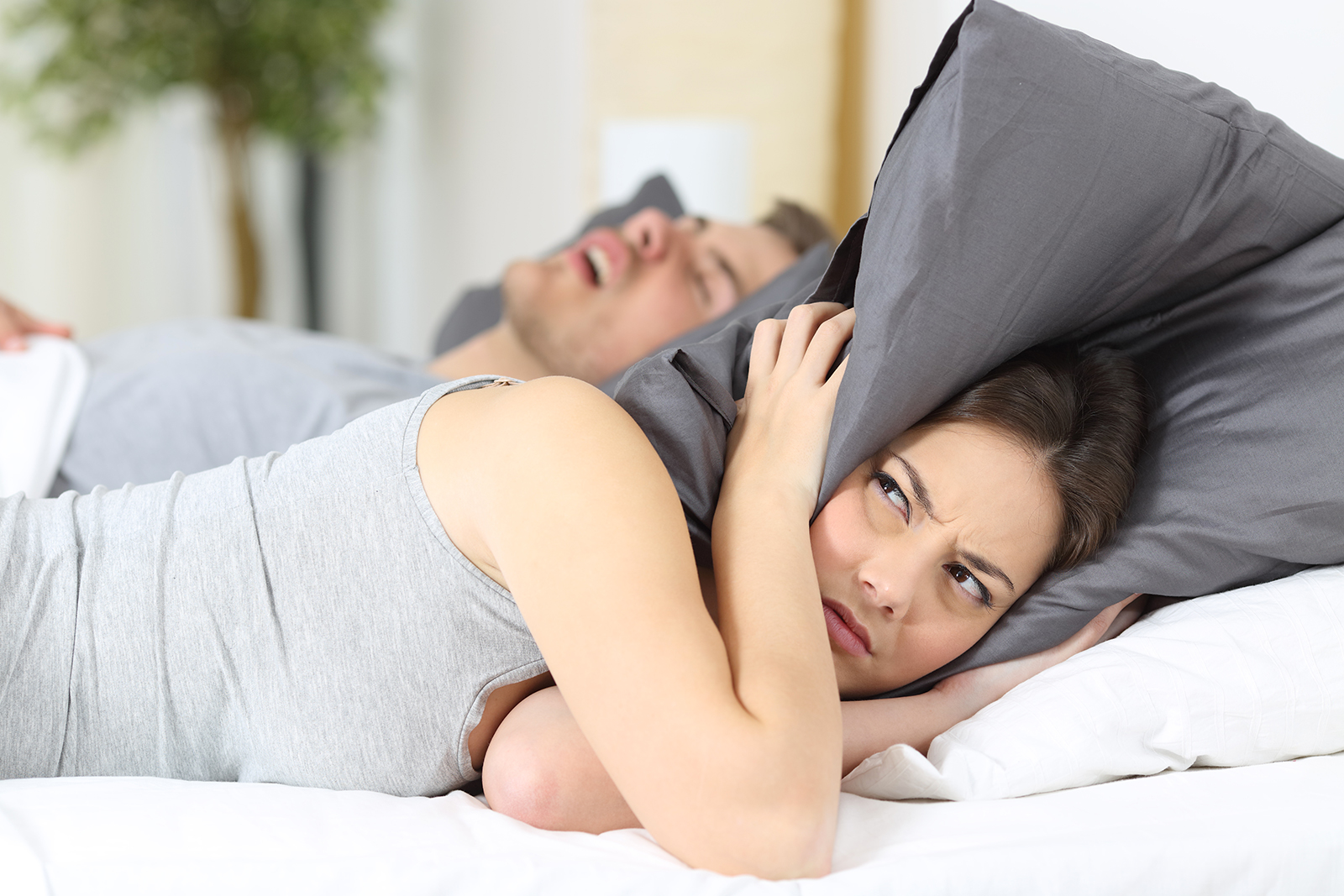
Repetitive episodes of upper airway obstruction may occur during sleep, often accompanied by reduced oxygen saturation. Such episodes are accompanied in almost all cases by snoring. Apneas often end with

Ablation of atrial fibrillation

Atrial fibrillation (AF) ablation surgery is a surgical procedure aimed at eliminating the source of the cardiac arrhythmia through the selective destruction of small portions of the cardiac tissue present

RELATED ARTICLES

Coma: what to do?

The Coma is the morbid condition characterized by loss of consciousness with reduced o absent responsiveness to sensory stimuli and preservation of function vegetative. Four levels of coma are distinguished:

Intuitive skills

Due to the presence of many recurring patterns, the physician is able to pick up clues to make a diagnosis or plan an intervention. So many decisions are made through

Drug excipients: inactive, but not for all

The excipients, that is, “biologically inert” substances added to a drug to improve their taste, color, absorption efficiency, mode and time of action in the body, are generally considered safe

Poisonous plants, but not bad ones

To defend themselves against pests, several plant species have learned in the course of evolution to produce defensive substances of various kinds, which can also create more or less serious

Traffic accidents: when technology is a risk

Traffic accidents are among the leading causes of death globally, especially among young and healthy people. Distraction from driving associated with the use of technology is a proven aggravating factor,

Stress as a source of survival

Very often in work contexts it is possible for uncomfortable situations to arise, also related to mental illness. This negatively affects the worker’s well-being through increased cigarette consumption or alcohol

Thomas H. Davenport. The craft of thinking.

Thomas H. Davenport ‘s goal is to improve the performance and outcomes of Knowledge Workers. Work should be a source of satisfaction, and through the enhancement of human capital it

FEATURED SPECIALISTS

  • Profile picture of Dr. Lucia Catalano
    active 5 years, 10 months ago

    Gynecologists, Senologists, Basic Doctors

    • Via Belluno 1 - Roma
    phone
  • Profile picture of Dr. Giuseppe Lepore
    active 5 years, 10 months ago

    Dermatologists, Basic Doctors, General Surgeons

    • 19 Via Manzoni Alessandro - Garbagnate Milanese
    phone
  • Profile picture of Dr. Lorenzo Cerreoni
    active 5 years, 10 months ago

    Aesthetic Doctors, Basic Doctors

    • Via Macero Sauli 52 - Forlì
    phone
  • Profile picture of Dr. Squillante Gianni Erminio
    active 5 years, 10 months ago

    Acupuncturists, Homeopathic Medicine, Basic Doctors

    • Via Monterotondo 14 - Roma
    phone
  • Profile picture of Dr. Domenico D'Angelo
    active 5 years, 10 months ago

    Otolaryngologists, Basic Doctors, Competent Doctor

    • Via Pola 5 - San Prisco
    phone

prenota il tuo viedeoconsulto in convenzione

Completa il form e sarai contatto dal personale medico specializzato

your advertising
exclusively ON
MY SPECIAL DOCTOR

complete the form and you will be contacted by one of our managers