

of

Drug excipients: inactive, but not for all

farmaci

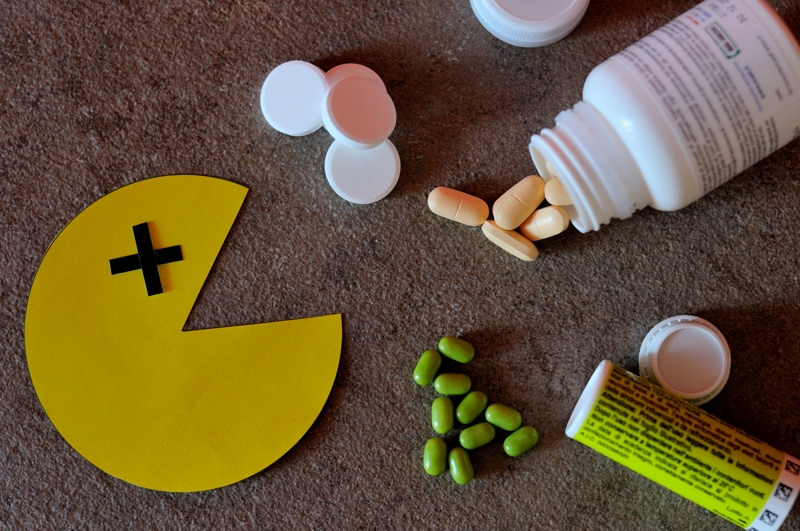
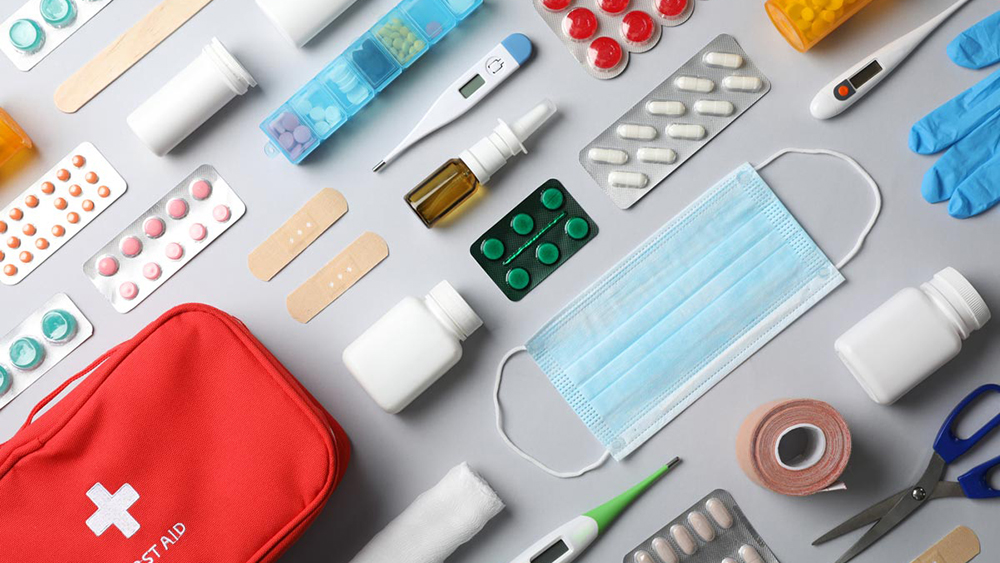
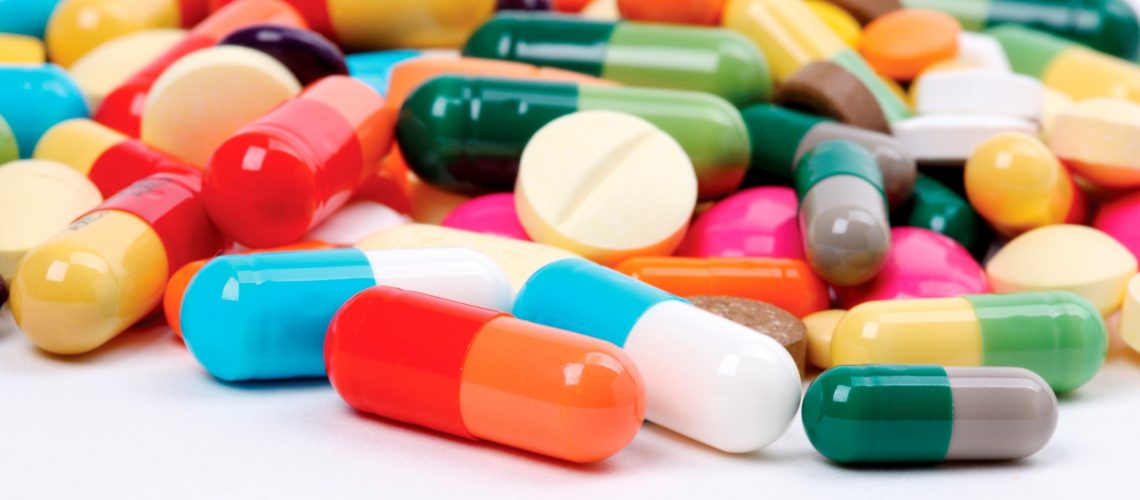
The excipients, that is, “biologically inert” substances added to a drug to improve their taste, color, absorption efficiency, mode and time of action in the body, are generally considered safe and harmless for those taking them, following favorable outcomes of countless tests conducted over decades and extensive use in clinical practice.

However, what is true for many people is not true for everyone. A recent research conducted in collaboration between two prestigious U.S. research centers, the Massachusetts Institute of Technology and the Brigham and Women’s Hospital – Harvard Medical School of Boston, indeed indicates that many of the theoretically “inactive” compounds contained in a tablet, capsule, effervescent powder or syrup may, in fact, be the source of intolerances, allergic reactions and hypersensitivity in susceptible patients.

In most cases these are not serious reactions, often being limited to headaches, gastrointestinal complaints, itching or other dermatological manifestations. However, these drawbacks may lead to discontinuation or discontinuation of necessary treatment (reducing its effectiveness) or may worsen the underlying disease they are supposed to treat, especially in people who are more frail and debilitated or who have to take many different medications at once, such as the elderly.

For example, an excipient that causes gastrointestinal discomfort such as nausea or diarrhea may prevent adequate nutrition or absorption of needed nutrients in the intestines, while an “inactive” compound that induces nighttime itching may hinder rest and promote fatigue and a sense of malaise during the day.

Unfortunately, although all substances contained in a drug are listed by law in the package insert, it is not so easy for either the person taking it or the prescribing physician to have a full understanding of the associated risks, since the dosages of individual excipients are not reported and many compounds become potentially harmful only as a result of accumulation with continued use and not after one or a few intakes.

Moreover, for most of the drugs containing the same active ingredients (i.e., compounds actually endowed with therapeutic activity) there are countless different formulations containing different excipient mixes, which have further multiplied since the introduction of equivalent drugs. How to solve the situation?

According to the researchers, action needs to be taken mainly on two fronts: at the level of pharmaceutical companies, efforts should be made to develop new formulations of drugs in use, paying close attention to avoidance of excipients not necessary potentially allergenic/sensitizing (dyes, flavors, lactose, gluten, lecithins, FODMAP sugars, etc.); at the legislative level, forcing Indicate more precisely all excipients used in the package inserts.

A third and no less important aspect concerns the rational and conscious use of medications by patients, who should use medicines of any kind (over-the-counter or prescription) only in cases of actual need, respecting the directions given by the doctor or found on the package insert regarding timing and dosage, and reporting to the doctor or pharmacist any unanticipated adverse reaction, to enable more timely pharmacovigilance.

Source

Reker D et al. “Inactive” ingredients in oral medications. Science Translational Medicine 2019;11(483):eaau6753. doi10.1126/scitranslmed.aau6753 (http://stm.sciencemag.org/content/11/483/eaau6753.abstract)

FEATURED SPECIALISTS

  • Profile picture of Dott.ssa Carmela Tizziani
    active 5 years, 7 months ago

    Coroner, Certifying Doctor, Basic Doctors

    • Via Gaetano Bruno 25 - Napoli
    phone
  • Profile picture of Dr. Giovanni Arrichiello
    active 5 years, 7 months ago

    Gynecologists, Basic Doctors

    • Corso Regina Margherita 260 - Torino
    phone
  • Profile picture of Dott.ssa Francesca Vittorelli
    active 5 years, 7 months ago

    Therapist, Acupuncturists, Basic Doctors

    • Corso Andrea Palladio 134 - Vicenza
    phone
  • Profile picture of Dott.ssa Anna Puccio
    active 5 years, 7 months ago

    Gynecologists, Basic Doctors

    • Via Vincenzo Ponsati 69 - Volvera
    phone
  • Profile picture of Dr. Domenico D'Angelo
    active 5 years, 7 months ago

    Otolaryngologists, Basic Doctors, Competent Doctor

    • Via Pola 5 - San Prisco
    phone

RELATED ARTICLES

Cardiac Arrest

DESCRIPTION Cardiac arrest consists of the cessation of mechanical cardiac activity resulting in the blockage of blood circulation. The resulting interruption of blood flow to vital organs, particularly the brain

Risk factors, complications and prevention of salmonellosis

Normally, salmonella infection does not pose a life-threatening risk for healthy adults, but it can pose a life-threatening risk for those categories of patients such as infants or young children, elderly or transplant patients, pregnant women, or in patients undergoing surgery.

The itching of the ear

The ear can also be the source of an itching disorder , so much so that it forces us to unadvisable and rudimentary scratching to find a modicum of relief, a

Complications in bipolar disorder

From the clinical point of view, it should be mentioned that sometimes bipolar disorder may be accompanied by some pre-existing conditions that may aggravate an already quite serious condition, with more intense symptoms, for which the applied therapy may yield results of lesser effectiveness. But which ones are the most present?

RELATED PATHOLOGIES

Cushing’s disease

“Disease” or “Cushing’s syndrome,” sometimes referred to as “hypercortisolism,” is a condition characterized by a variable set of characteristic symptoms induced by the body’s exposure to excessive levels of glucocorticoids

Hepatitis D

Hepatitis D is an acute inflammation of the liver brought on by Hepatitis D virus (HDV): a “defective” virus that requires the simultaneous presence of hepatitis B virus (HBV) in

Metabolic syndrome

Metabolic syndrome is not really a disease, but a complex condition defined by the simultaneous presence of known cardiovascular risk factors such as obesity (especially of the “central” type, i.e.,

Xerostomia

Xerostomia, also known as “dry Imouth” or “dry mouth,” refers to a condition in which the salivary glands do not produce enough saliva to keep the mouth wet.   Saliva

Hiatal hernia

Hiatal hernia occurs when the upper part of the stomach bulges through the diaphragm, the large muscle that separates the abdomen and chest. The diaphragm has a small opening (hiatus)

Syncope

The term syncope refers to an episode of fainting, that is, a sudden loss of senses, which can affect people of any age and can be induced by a variety

Neurovegetative dystonia

If you have the patience to interview a family doctor whose outpatient clinic is always very crowded, you will find that a good portion of patients are afflicted with a

Hypothyroidism

Hypothyroidism is a condition brought about by the insufficient production of thyroid hormones, tetraiodothyronine or thyroxine (T4) and tridothyronine (T3), by the thyroid gland, resulting in reduced overall metabolic efficiency

Ventricular hypertrophy

Ventricular hypertrophy is a condition characterized by thickening and a loss of elasticity of the walls of the left ventricle (i.e., the left lower chamber of the heart), which thus

Otitis

Otitis are inflammatory processes that can affect different parts of the ear. The two most common forms are otitis externa, which involves the pinna and the first portion of the

FEATURED SPECIALISTS

  • Profile picture of Dott.ssa Ilaria Berto
    active 5 years, 7 months ago

    Basic Doctors, Acupuncturists, Aesthetic Doctors

    • Via Antonio Corradini 1 - Este
    phone
  • Profile picture of Dr. Sergio Ettore Salteri
    active 5 years, 7 months ago

    Basic Doctors, Chiropractors, Posturologists

    • Via Vial di Romans 8 - Cordenons
    phone
  • Profile picture of Dott.ssa Francesca Vittorelli
    active 5 years, 7 months ago

    Therapist, Acupuncturists, Basic Doctors

    • Corso Andrea Palladio 134 - Vicenza
    phone
  • Profile picture of Dott.ssa Maria Grazia Caruana
    active 5 years, 7 months ago

    Aesthetic Doctors, Basic Doctors

    • Viale Prassilla 41 - Roma
    phone
  • Profile picture of Dott.ssa Irene Pistis
    active 5 years, 7 months ago

    Aesthetic Doctors, Basic Doctors, Certifying Doctor

    • Via della Reoubblica 461/3 - Vergato
    phone

prenota il tuo viedeoconsulto in convenzione

Completa il form e sarai contatto dal personale medico specializzato

your advertising
exclusively ON
MY SPECIAL DOCTOR

complete the form and you will be contacted by one of our managers