


of

Chronic kidney disease, genetic analysis promises better therapeutic approaches

malattia-renale

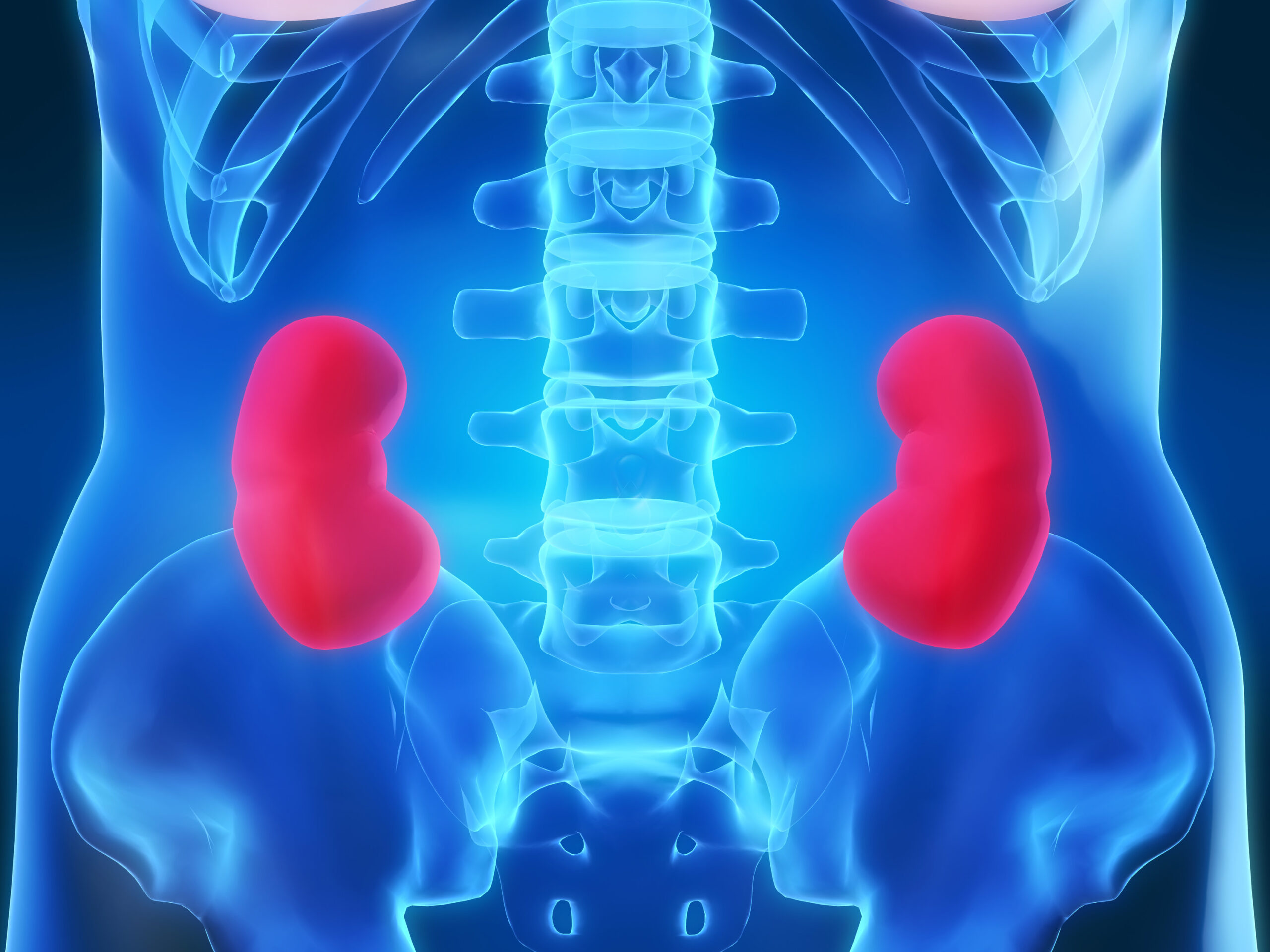
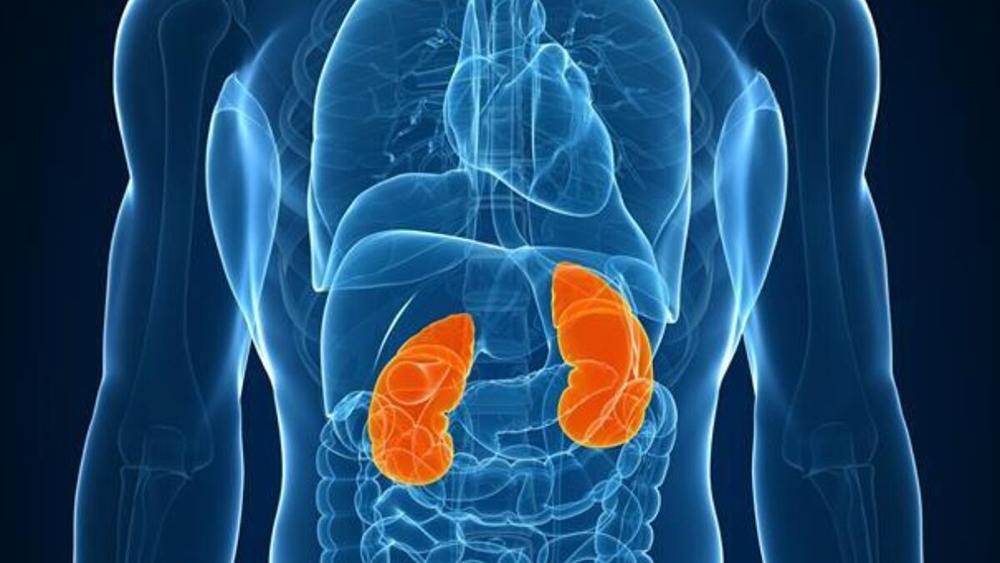
Chronic kidney disease is often clinically silent, and conventional clinical data alone do not allow differentiation of disease subtypes, but the results of a recent study supports the use of genetic analysis to improve its diagnosis and treatment.

In clinical practice, diagnosis and monitoring of chronic kidney disease are based on clinical parameters and only rarely involve renal biopsy. However, in many cases the disease occurs in a “silent” form and is difficult to discriminate using clinical data alone.

Thus, in many individuals, the precise cause of progressive damage to the kidneys remains unknown and the diagnosis is made late, reducing the opportunity for early therapeutic intervention; moreover, few of the current treatment approaches are individualized, but according to the study published in the New England Journal of Medicine, genetic testing could help overcome these critical issues.

The authors performed exome sequencing (the set of all portions of the genome that “code” for proteins) of 3,315 patients with chronic kidney disease due to different causes and reported a 9.3 percent rate of diagnostic genetic variants, comprising 66 monogenic sites already known to be associated with kidney disorders.

This study,” reads an editorial in Nature Reviews Nephrology. highlights the potential of genetic testing for adults with chronic kidney disease and end-stage renal disease (Esrd). Discovering the underlying genetics of different forms of kidney disease will serve to improve diagnostic accuracy and develop new approaches according to “precision medicine.” Obtaining a genetic diagnosis for a patient with chronic kidney disease could improve clinical management, including choice of therapy, and enable targeted disease surveillance. Deepening the genetic basis could also reveal new biological mechanisms associated with the disease and lead to defining new therapeutic targets that could benefit a large number of patients.”

Groopman, EE et al. Diagnostic utility of exome sequencing for kidney disease. N Engl J Med. 2019 Jan 10;380(2):142-151.

FEATURED SPECIALISTS

  • Profile picture of Dr. Antonio Varriale
    active 5 years, 8 months ago

    Aesthetic Doctors, Dentists, Basic Doctors

    • Via Grotta dell Olmo 20 - Giugliano in Campania
    phone
  • Profile picture of Dr. Giandomenico Mascheroni
    active 5 years, 8 months ago

    Endocrinologists, Basic Doctors, Certifying Doctor

    • Via Petrarca 53 - Carnago
    phone
  • Profile picture of Dott.ssa Carmela Tizziani
    active 5 years, 8 months ago

    Coroner, Certifying Doctor, Basic Doctors

    • Via Gaetano Bruno 25 - Napoli
    phone
  • Profile picture of Dott. Gianlorenzo Casani
    active 5 years, 8 months ago

    Geriatrics, Certifying Doctor, Basic Doctors

    • Via Costantino Baroni 71/73 - Milano
    phone
  • Profile picture of Dr. Squillante Gianni Erminio
    active 5 years, 8 months ago

    Acupuncturists, Homeopathic Medicine, Basic Doctors

    • Via Monterotondo 14 - Roma
    phone

RELATED ARTICLES

Wasps, bees, hornets: avoiding complications

Wasp and other insect bites are common. Generally, most people recover quickly and without complications, but others, because they are allergic, can face serious complications. But caution and prevention can protect our vacations.

The most common diseases of the oral cavity

It is important to make a distinction between those stomatomucoses that can be traced to local etiological factors and stomatomucoses that are the local manifestation of general systemic diseases of

Diving, the basic rules

The human body, while moving through water, swimming or diving, knows that it poses a constant danger since it cannot survive under this element except with reserves of air. Never dive alone.

Sinusitis: how to recognize it

Sinusitis is an inflammation of the mucosa lining the sinuses. In fact, it is estimated that it may affect 8.4 percent of the population in Italy, 9 percent in Europe

Hypertensive emergency: what to do?

Hypertensive emergency is characterized by an acute rise in blood pressure to dangerous values or in patients at risk. The most frequent emergency situations are related to several symptoms: Hypertensive

The empowerment of the diabetic patient

When we talk about empowerment, we are basically talking about a slow and progressive process of health literacy, that is, an action of spreading a social concept of health, where all people have the right, but also the duty, to be well informed about health issues and the diseases that affect them.

RELATED PATHOLOGIES

Psoriatic arthritis

Psoriatic arthritis is a chronic autoimmune-based inflammatory disease that occurs in about 30% of people with psoriasis. Like other forms of arthritis, the disease predominantly affects the joints of the

Goiter thyroid volume

Goiter corresponds to the more or less bulky, protruding swelling that appears in the central anterior part of the neck mainly in people who are iodine-deficient for prolonged periods, due

Heart failure (acute)

Acute Heart Failure (AHF) is a potentially life-threatening clinical condition that can result from the worsening of an already diagnosed chronic heart failure (heart failure) or represent its onset event.

Cardiac arrest

Cardiac arrest corresponds to the interruption of the heart’s contraction and pumping action, resulting from a sudden and drastic alteration in its electrical activity (ventricular fibrillation). Cardiac arrest is an

Cardiac arrhythmias

The group of cardiac arrhythmias includes all conditions characterized by an alteration in the rhythm of contraction of the heart, either in excess or in defect or associated with irregularities

Esophagitis

Esophagitis is an acute or chronic inflammation that can damage the tissues of the esophagus, the stretch of the alimentary canal that connects the pharynx to the stomach. In mild

Fainting

Fainting is a simple term in common use that is used to describe a loss of consciousness that can occur at any time in life for countless reasons, more or

Diabetic foot

Diabetic foot is a complex condition that develops as a complication of advanced uncontrolled diabetes and is the leading cause of nontraumatic amputation in the Western adult population. Very prevalent

Rheumatism

The term “rheumatism” refers to an extremely wide and varied group of disorders comprising more than one hundred rheumatic diseases that are very diverse in terms of causes, symptoms and

Kidney cancer

As with all cancers, the causes of adenocarcinoma and renal sarcomas lie in a series of genetic mutations that allow a group of cells to acquire new characteristics and begin

FEATURED SPECIALISTS

  • Profile picture of Dr. Tiziana Volpe
    active 5 years, 8 months ago

    Gynecologists, Basic Doctors, Professional Counselor

    • Piazzale Jonio 50 - Roma
    phone
  • Profile picture of Dr. Fabio Fabi
    active 5 years, 8 months ago

    Sports Doctors, Internist, Basic Doctors

    • Via Sarsina 147 - Roma
    phone
  • Profile picture of Dott.ssa Irene Pistis
    active 5 years, 8 months ago

    Aesthetic Doctors, Basic Doctors, Certifying Doctor

    • Via della Reoubblica 461/3 - Vergato
    phone
  • Profile picture of Dott. Sandro Morganti
    active 5 years, 8 months ago

    Orthopedists, Basic Doctors, Osteopaths

    • Via Foligno 6 - Roma
    phone
  • Profile picture of Dott. Cristiano Crisafulli
    active 5 years, 8 months ago

    Diabetologist, Basic Doctors, Internist

    • Via Vittorio Emanuele II 181 - Acireale
    phone

prenota il tuo viedeoconsulto in convenzione

Completa il form e sarai contatto dal personale medico specializzato

your advertising
exclusively ON
MY SPECIAL DOCTOR

complete the form and you will be contacted by one of our managers