

of

Diabetic foot

Summary

This term is used to describe foot problems caused by diabetes. These problems can be difficult to treat.

Causes

Diabetes changes the body in several ways, some of which can result in diabetic foot. Diabetes can damage the nervous system to such an extent that the feet lose sensitivity and do not feel hot, cold or painful sensations. One can injure one’s foot without realising it. Diabetes can also damage the circulatory system, causing poor blood flow to the feet and can make it more difficult for the body to fight the disease. With diabetes, it is possible to miss a small cut or sore on the foot, which could then become seriously infected.

Symptoms

Symptoms associated with nervous and circulatory problems may include new or persistent sensations of pain or numbness. The skin might become hard and shiny. Hair growth on the legs and feet may decrease, and there could be difficulty walking, along with swelling, redness, and warm skin.
Open wounds may develop, accompanied by fever and chills, or you might notice red streaks spreading across the skin away from the area of infection.

Treatment

Treatment options depend on the severity of the issues. A healthier lifestyle can help manage diabetes. Benefits may come from changing footwear and improving foot hygiene.
Inspecting the feet daily and having regular check-ups can help address minor problems before they become more serious. Your primary care doctor can develop a care plan tailored to your needs.


Overview

This term is used to describe foot problems thatstem from diabetes. These problems can be difficultto treat.

Causes

Diabetes changes your body in ways that cancause diabetic foot. It can damage your nervoussystem, which can cause you to lose feeling in yourfeet. You may not feel hot, cold or painfulsensations. You could injure your foot withoutrealizing it. Diabetes can also damage yourcirculatory system. This results in poor blood flow toyour feet. It makes it harder for your body to fight offdisease. With diabetes, you may not notice a smallcut or sore on your foot, and it can becomeseverely infected.

Symptoms

Symptoms associated with nerve and circulationproblems may include sensations of pain or new orlasting numbness. Your skin may become hard andshiny. Hair may stop growing on your legs and feet.You may have trouble walking. If you have a footinfection, you may have swelling, redness andwarm skin. You may develop open sores. You mayhave fever and chills. You may notice red streakson your skin that spread away from the infection.

Treatment

Treatment options depend on the severity of yourproblems. A healthier lifestyle can help keep yourdiabetes in control. You may benefit from a changein footwear and from better foot hygiene. Inspectyour feet daily, and have regular foot exams to takecare of minor problems before they become majorones. Your healthcare provider can create a careplan that is right for your needs.

FEATURED SPECIALISTS

  • Profile picture of Dott. Franco Cicerchia
    active 5 years, 10 months ago

    Ophthalmologists, Acupuncturists, Basic Doctors

    • Via Alcide de Gasperi 39 - Palestrina
    phone
  • Profile picture of Dr. Giovanni Arrichiello
    active 5 years, 10 months ago

    Gynecologists, Basic Doctors

    • Corso Regina Margherita 260 - Torino
    phone
  • Profile picture of Dr. Roberto Zaffaroni
    active 5 years, 10 months ago

    Basic Doctors, Therapist

    • Via San Francesco D' Assisi 5 - Varese
    phone
  • Profile picture of Dott.ssa Federica Filigheddu
    active 5 years, 10 months ago

    Basic Doctors

    phone
  • Profile picture of Dr. Giuseppe Lepore
    active 5 years, 10 months ago

    Dermatologists, Basic Doctors, General Surgeons

    • 19 Via Manzoni Alessandro - Garbagnate Milanese
    phone

RELATED PATHOLOGIES

Mitral valve repair

Repair of an insufficient/deteriorated mitral valve can be done: Removing the malfunctioning segments of the valve leaflets; implanting “synthetic cords” (which replace the broken or “stretched” natural ones of the

Atrial fibrillation

Atrial fibrillation is the most common heart rhythm disorder in the Western world. In the United States it affects about three million people; in Italy, an estimated 600-700 thousand people

Intracranial hypertension

Increased pressure within the head box may be related to cerebral edema or the presence of an intracranial expansive lesion, an obstruction of CSF circulation, or the association of these

Shock, medical emergency

It may happen that the circulation of blood through the body undergoes a sudden change giving rise to a condition of physiological shock, with decreased flow and crisis on the

Heart failure (acute)

Acute Heart Failure (AHF) is a potentially life-threatening clinical condition that can result from the worsening of an already diagnosed chronic heart failure (heart failure) or represent its onset event.

Atherosclerosis

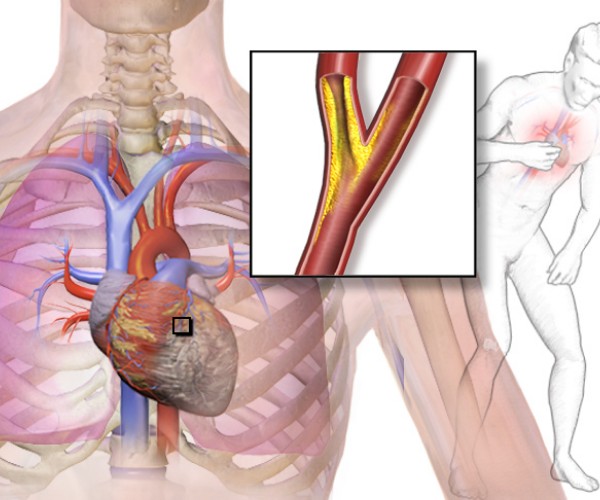
Atherosclerosis is a pathological process that leads to the progressive formation of localized deposits composed mainly of fat and cholesterol and platelets (atheromas or atherosclerotic plaques) within the walls of

Carotid stenosis

Carotid artery stenosis corresponds to a narrowing of the caliber of the carotid arteries, which are the main blood vessels supplying the brain with oxygen- and nutrient-rich blood (particularly glucose),

Coronaropathy

The term coronary artery disease refers to chronic “distress” of the coronary arteries, the arteries that supply blood to the heart muscle, in most cases brought about by atherosclerotic pathology

Ventricular hypertrophy

Ventricular hypertrophy is a condition characterized by thickening and a loss of elasticity of the walls of the left ventricle (i.e., the left lower chamber of the heart), which thus

Cardiac arrest

Cardiac arrest corresponds to the interruption of the heart’s contraction and pumping action, resulting from a sudden and drastic alteration in its electrical activity (ventricular fibrillation). Cardiac arrest is an

Heart failure

Heart failure corresponds to a condition in which the heart is unable to receive and/or pump blood with sufficient force to the lungs and the rest of the body, due

Angina pectoris

Referred to by the Latin name for its main manifestation, a weight-like or vice-like tightness in the chest, angina pectoris is not a disease per se, but the consequence of

RELATED ARTICLES

The 10 reasons to take a spa bath

Spas are one of the most effective natural remedies for treating certain diseases. Indeed, since time immemorial, man has immersed his body in thermal waters, both for the relax and

Esophagus at risk with hot drinks

“Don’t drink the water too cold, or you’ll get a stomachache!” How many times have we heard this from mothers and grandmothers? Definitely, many. No one, however, has warned us

Acupuncture against menopausal discomfort

Recognized for a couple of decades by the National Health Service as an effective medical practice against various types of pain and to help those suffering from anxiety, insomnia, or

Mercury Poisoning

Mercury when ingested has no effect in the body. The tiny droplets of mercury react with hydrochloric acid in the stomach to form chloride. Instead, when mercury comes into contact

Anti Covid-19 thermoscanner

It is one of the items that came to the fore as a result of the Covid 19 outbreak, the remote thermoscanner, this kind of thermometer in the shape of

Medications: mistakes to avoid

Some would never want to take them; others would want a pill to cure every ailment and would not leave home without an emergency kit in their bag. In few

Hypertension

Increased blood pressure is a widespread condition in industrialized countries, and its prevalence in people of all age groups and sexes also depends on the current lifestyle, which is characterized

Maybe it’s the drugs?

Some medications can cause drowsiness or even fatigue, precisely because they can promote sleep apnea. In particular are some drugs that relax muscles, muscle relaxants, some sedatives, and some antidepressants.

FEATURED SPECIALISTS

  • Profile picture of Dr. Giuseppe Panico
    active 5 years, 10 months ago

    Dermatologists, Basic Doctors

    • Viale Prassilla 41 - Roma
    phone
  • Profile picture of Dott. Franco Cicerchia
    active 5 years, 10 months ago

    Ophthalmologists, Acupuncturists, Basic Doctors

    • Via Alcide de Gasperi 39 - Palestrina
    phone
  • Profile picture of Dott.ssa Erminia Maria Ferrari
    active 5 years, 10 months ago

    Homeopathic Medicine, Basic Doctors, Pediatricians

    • Via San Carlo 3 - Castel Rozzone
    phone
  • Profile picture of Dr. Giandomenico Mascheroni
    active 5 years, 10 months ago

    Endocrinologists, Basic Doctors, Certifying Doctor

    • Via Petrarca 53 - Carnago
    phone
  • Profile picture of Dott.ssa Francesca Vittorelli
    active 5 years, 10 months ago

    Therapist, Acupuncturists, Basic Doctors

    • Corso Andrea Palladio 134 - Vicenza
    phone

prenota il tuo viedeoconsulto in convenzione

Completa il form e sarai contatto dal personale medico specializzato

your advertising
exclusively ON
MY SPECIAL DOCTOR

complete the form and you will be contacted by one of our managers