


of

Omega 3 and 6: fatty acids friendly to the body

omega-3

Not all fats are harmful and enemies of the body: there are two that are particularly important indeed essential: linoleic acid (also known as Omega6) and alpha-linolenic acid (Omega3), which are essential for keeping the human body in good health.

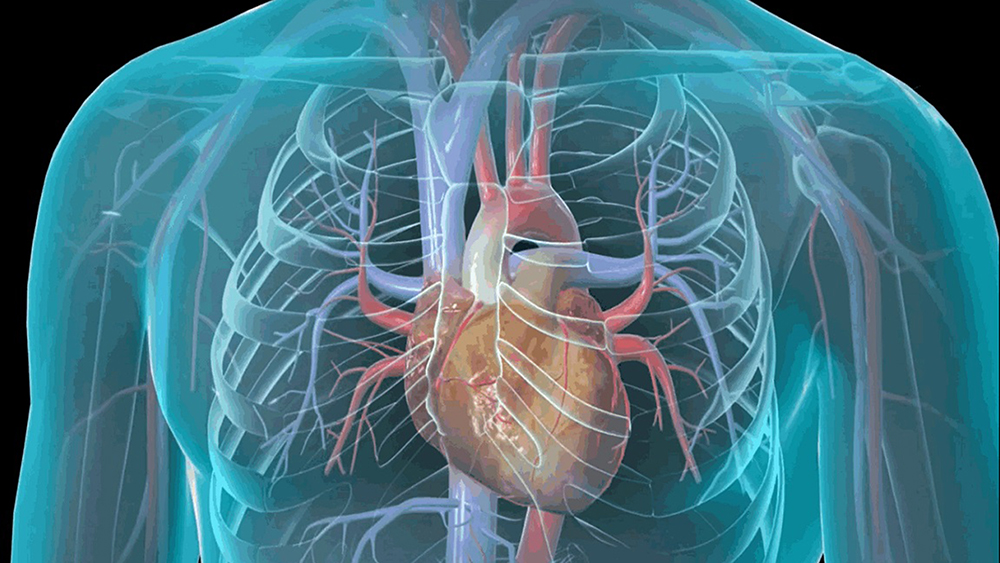
Let’s take a closer look at what these so-called essential fats actually are and why they are so important for the human body. From Omega3 and 6 (also known as vitamin F) the body is able to synthesize other fatty acids of the Omega3 family or the Omega6 series. These fatty acids are critical for growth, hemoglobin synthesis, coagulation, capillary fragility (in fact, they promote vessel elasticity), energy production, a decrease in bad cholesterol (LDL), total cholesterol, and triglycerides, and cellular and mitochondrial membrane health. They also possess anti-inflammatory, antithrombotic and antiatherogenic action.

Essential fatty acids, as the human body is unable to synthesize them on its own, must necessarily be introduced into the body through a targeted and conscious diet, also to counteract the cardiovascular diseases that our friends are capable of fighting. Let’s also try to find out the other benefits that a proper intake of essential fatty acids can bring to the human physique.

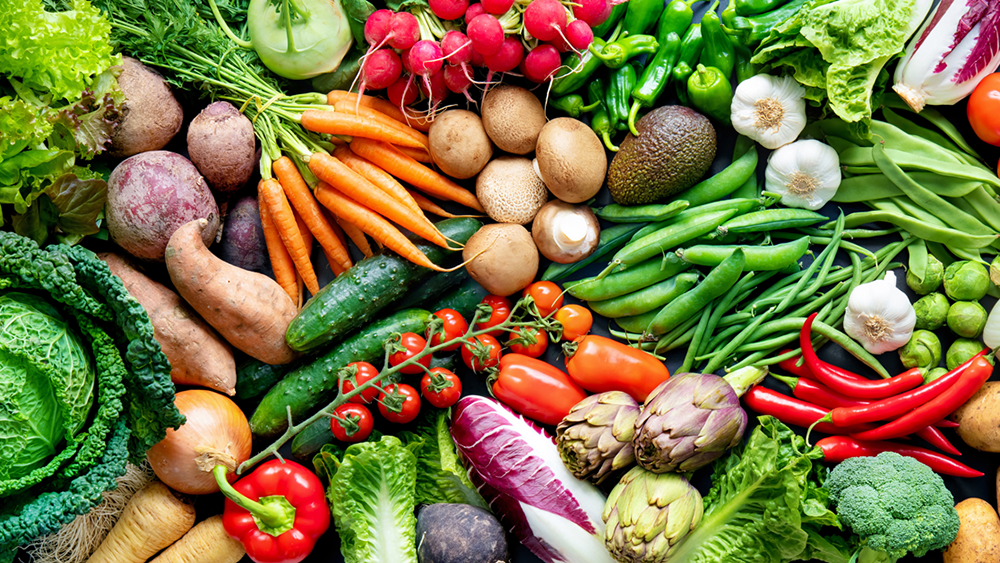
Omegas, in particular, extend life. According to some scientific studies, adequate consumption of Omega3 would significantly reduce the risk of mortality; Omega3 would prevent depression, be useful in the fight against cancer diseases such as breast cancer, help defeat annoying migraines and colitis, and accentuate the natural shine of hair. Enemies of stress and fatigue, linoleic acid and alpha linolenic acid protect the heart, the entire cardiovascular system, and even the skin. Let us now see what the preferred sources of these fatty acids are. Nature provides us with numerous plant-based foods that contain large amounts of Omega3. For example, we can find a good source of Omega3 in flaxseeds, walnuts, flaxseed oil, soybeans, tofu, algae, chia seeds, pumpkin seeds, and dark green leafy vegetables. Ideally, you should take one to two servings a day of Omega3, keeping in mind that one serving is equivalent to 3 walnuts (i.e., 30 grams, enough intake for the entire day), one teaspoon of flaxseed oil or three teaspoons of flaxseed (important is to grind them to promote proper intake).

Vegetable oils, on the other hand, are great mines of Omega-6, particularly olive oil, sesame oil, sunflower oil, corn, peanut oil, wheat germ and in the controversial palm oil. Legumes, nuts and cereals also support linoleic acid intake. Having ascertained, then, that essential fatty acids are very important for the human body, there is, however, one clarification to keep in mind in order not to incur undesirable effects on our health. Omega3 cannot transform into Omega6, just as the reverse is not possible; yet both acids use the same enzymatic system to create derivatives of their respective families. Here then, to avoid damage to the body’s health, care must be taken so that an exaggerated intake of Omega3 does not interfere with the formation of Omega6, as well as the reverse.

In particular, scientific studies in recent years have pointed out that it is increasingly important not to consume large amounts of Omega6, which could increase the formation of “harmful” eicosanoids for health. Omega6s are not to be demonized, so it is not the case that we should start yet another witch hunt by following current fads, but there is a possibility that they may become harmful if consumed in excess of Omega3s. According, then, to health professionals, the Omega3/Omega6 ratio should be 1:2 or 1:4 and not 1:10 as it stands today. Omega-6-rich vegetable oils, by the way, are one of the basic ingredients in many packaged and industrially used sweet and savory baked goods: the risk, therefore, of consuming excessive and disproportionate amounts of linoleic acid is real. The important thing is to follow a healthy and proper diet, being very careful to take in those essential doses of Omega3s that are healthy and essential for our bodies.

by Raw Style

FEATURED SPECIALISTS

  • Profile picture of Dr. Tiziana Volpe
    active 5 years, 8 months ago

    Gynecologists, Basic Doctors, Professional Counselor

    • Piazzale Jonio 50 - Roma
    phone
  • Profile picture of Dott.ssa Irene Pistis
    active 5 years, 8 months ago

    Aesthetic Doctors, Basic Doctors, Certifying Doctor

    • Via della Reoubblica 461/3 - Vergato
    phone
  • Profile picture of Dr. Sergio Ettore Salteri
    active 5 years, 8 months ago

    Basic Doctors, Chiropractors, Posturologists

    • Via Vial di Romans 8 - Cordenons
    phone
  • Profile picture of Dr. Fabio Fabi
    active 5 years, 8 months ago

    Sports Doctors, Internist, Basic Doctors

    • Via Sarsina 147 - Roma
    phone
  • Profile picture of Dr. Giandomenico Mascheroni
    active 5 years, 8 months ago

    Endocrinologists, Basic Doctors, Certifying Doctor

    • Via Petrarca 53 - Carnago
    phone

RELATED ARTICLES

Risk factors, complications and prevention of salmonellosis

Normally, salmonella infection does not pose a life-threatening risk for healthy adults, but it can pose a life-threatening risk for those categories of patients such as infants or young children, elderly or transplant patients, pregnant women, or in patients undergoing surgery.

Sports practice in diabetes and glycemic syndromes

The modern orientation toward physical activity and sports, including competitive sports, in diabetic disease is to no longer consider diabetes as an impediment to experiencing and enjoying sports and exercise.

Libra stuck? Here are some mistakes to avoid

How many mistakes people make when they decide to go on a diet and lose weight! But which ones in particular are those that block the scale and are responsible for keeping those extra pounds from dropping off that compromise fitness and health?

A healthy diet against depression (preview)

A recent article published in the journal The Lancet, titled “Nutritional Psychiatric: where to next?” hypothesizes a direct relationship between nutrition and depression in the individual. In fact, according to

Food investigations

Assessment of an individual’s energy and nutrient intake plays a very important role in evaluating the state of nutrition. Taking food is considered a form of “behavior,” which can sometimes

Origins of Cranberry: The American cranberry

John Josselyn, an English traveler and writer, described the colony founded by the Pilgrim Fathers and the local customs and traditions in his books. In her 1663 diary, Josselyn related

RELATED PATHOLOGIES

Food allergies and intolerances

Physical reactions to certain foods are common, but for the most part they are caused by afood intolerance rather than a food allergy. A food intolerance can cause some of

Inguinal hernia

A hernia is the leakage of a viscera from the cavity that normally contains it, through an anatomical orifice or channel. In inguinal hernia, the pedicle exits the abdomen through

Barrett’s Esophagus

Barrett’s esophagus is a serious complication of gastroesophageal reflux disease. In Barrett’s esophagus, the normal tissue lining the esophagus-the tube that carries food from the mouth to the stomach-is transformed

Cholecystitis

Cholecystitis is an inflammation of the gallbladder wall. The inflammatory process, once initiated, generates changes at both microscopic and macroscopic levels, evolving from simple congestion, through a suppuration phase, to

Constipation

IConstipation is a condition of the digestive system in which an individual produces stool that is difficult to expel. In most cases, this occurs because the colon has absorbed too

Diarrhea

Diarrhea is a defecation disorder characterized by increased emission of a daily amount of stool greater than 200 g with decreased stool consistency and increased frequency of bowel discharge. In

Salmonellosis

Salmonella infection or salmonellosis is a bacterial infection that affects theintestines. This bacterium inhabits the intestinal tract of animals andhumans and escapes to the outside with theexpulsion of feces. It

Hepatitis A

Hepatitis A is the most common acute inflammation of the liver worldwide and is caused by the virus of the same name, which accidentally entered the body through contaminated food

Dyspepsia

Dyspepsia means “difficult digestion” and is the medical term often used to refer to indigestion, which instead has a more general meaning and encompasses a multitude of different disorders of

Hepatitis D

Hepatitis D is an acute inflammation of the liver brought on by Hepatitis D virus (HDV): a “defective” virus that requires the simultaneous presence of hepatitis B virus (HBV) in

FEATURED SPECIALISTS

  • Profile picture of Dr. Giovanni Arrichiello
    active 5 years, 8 months ago

    Gynecologists, Basic Doctors

    • Corso Regina Margherita 260 - Torino
    phone
  • Profile picture of Dott.ssa Carmela Tizziani
    active 5 years, 8 months ago

    Coroner, Certifying Doctor, Basic Doctors

    • Via Gaetano Bruno 25 - Napoli
    phone
  • Profile picture of Dr. Antonio Varriale
    active 5 years, 8 months ago

    Aesthetic Doctors, Dentists, Basic Doctors

    • Via Grotta dell Olmo 20 - Giugliano in Campania
    phone
  • Profile picture of Dott. Domenico Napolitano
    active 5 years, 8 months ago

    Gynecologists, Basic Doctors, Aesthetic Doctors

    • Viale Orazio Flacco 5 - Bari
    phone
  • Profile picture of Dott.ssa Erminia Maria Ferrari
    active 5 years, 8 months ago

    Homeopathic Medicine, Basic Doctors, Pediatricians

    • Via San Carlo 3 - Castel Rozzone
    phone

prenota il tuo viedeoconsulto in convenzione

Completa il form e sarai contatto dal personale medico specializzato

your advertising
exclusively ON
MY SPECIAL DOCTOR

complete the form and you will be contacted by one of our managers