


of

Dyspepsia

Dispepsia

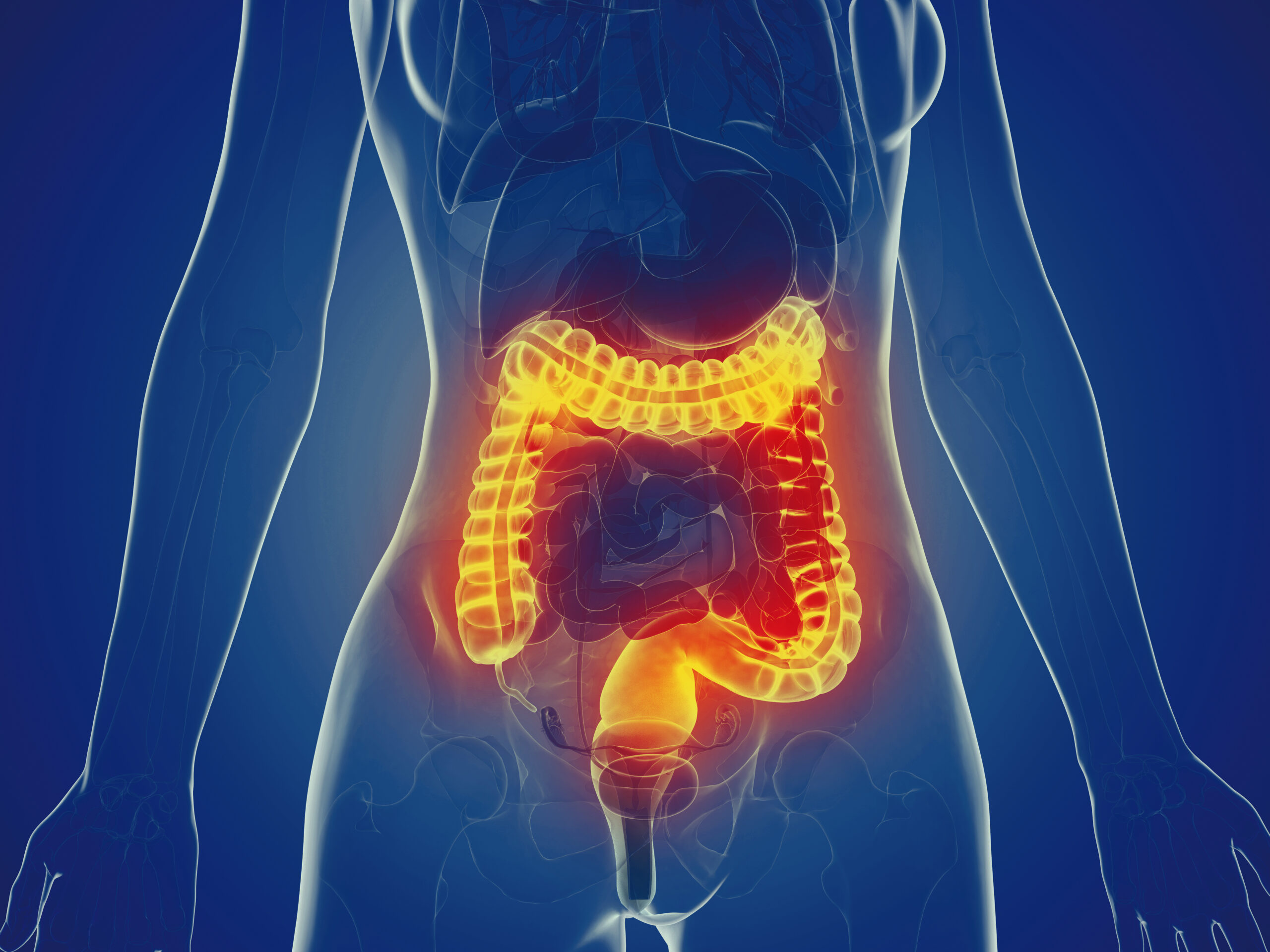
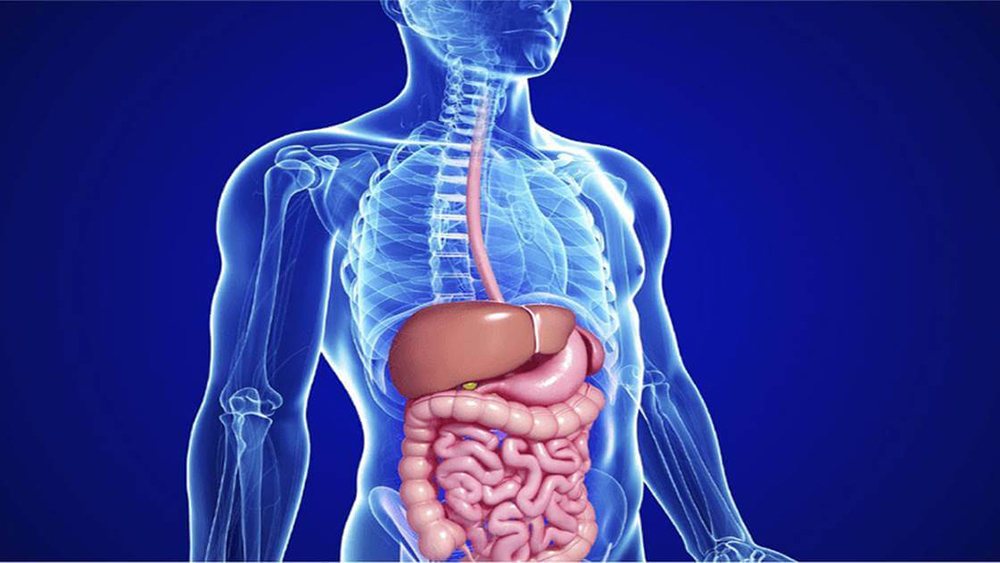
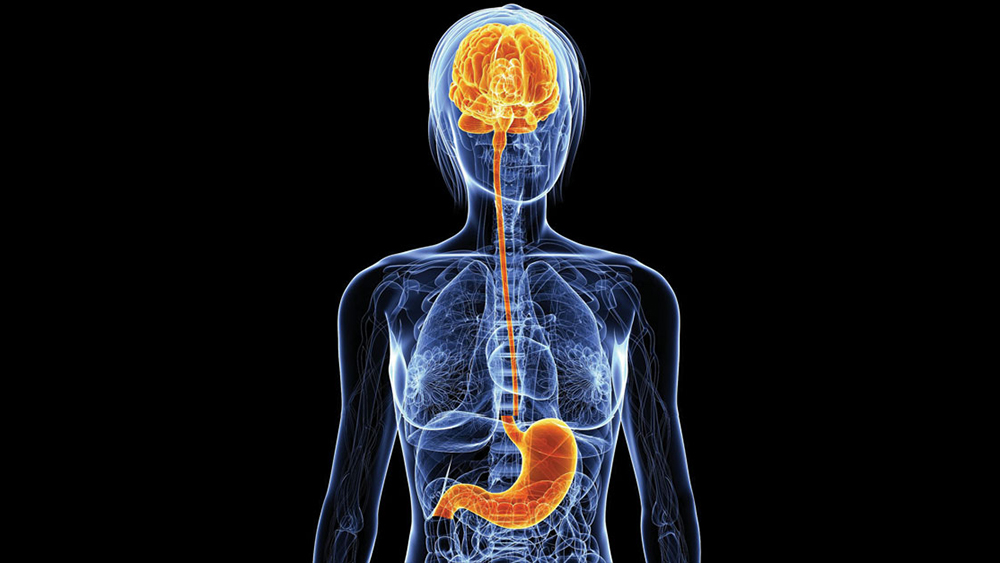
Dyspepsia means “difficult digestion” and is the medical term often used to refer to indigestion, which instead has a more general meaning and encompasses a multitude of different disorders of the upper abdomen.

Unlike simple episodic indigestion, the symptoms of dyspepsia, although not constantly present, tend to disappear and recur frequently over long periods.
Dyspepsia is a pathological condition characterized by localized pain or discomfort in the epigastrium, more or less associated with a sense of fullness and anorexia.
We speak of organic, or secondary, dyspepsia when it is a consequence of other pathological conditions and thus distinguish it from functional dyspepsia, so called because in this case the presence of an organic, biochemical, or structural cause cannot be recognized.

FEATURED SPECIALISTS

  • Profile picture of Dott.ssa Ilaria Berto

    Basic Doctors, Acupuncturists, Aesthetic Doctors

    • Via Antonio Corradini 1 - Este
    phone
  • Profile picture of Dott. Massimo Carotenuto

    General Surgeons, Basic Doctors

    • Via Lepanto 95 - Pompei
    phone
  • Profile picture of Dr. Giandomenico Mascheroni

    Endocrinologists, Basic Doctors, Certifying Doctor

    • Via Petrarca 53 - Carnago
    phone
  • Profile picture of Dott.ssa Anna Puccio

    Gynecologists, Basic Doctors

    • Via Vincenzo Ponsati 69 - Volvera
    phone
  • Profile picture of Dott.ssa Carmela Tizziani

    Coroner, Certifying Doctor, Basic Doctors

    • Via Gaetano Bruno 25 - Napoli
    phone

RELATED ARTICLES

Heavy metals and metalloids: iron

Metallic iron does not give toxicity problems, although there are people with congenital defects in matabolism, for whom it behaves like a poison. Iron salts are pharmaceuticals for the treatment

Risk factors, complications and prevention of salmonellosis

Normally, salmonella infection does not pose a life-threatening risk for healthy adults, but it can pose a life-threatening risk for those categories of patients such as infants or young children, elderly or transplant patients, pregnant women, or in patients undergoing surgery.

Pancreatic cancer

The pancreas is an elongated glandular organ, about 18-20 cm long, located deep in the abdomen, between the stomach and the spine. It is divided into three parts: the largest

Arsenic Poisoning

Although arsenic is not a metal but a metalloid, it is widespread in nature and prolonged exposure causes a carcinogenic effect. Arsenic derivatives are used within industries as pesticides or

Nutrition during pregnancy

During pregnancy , women must meet their own needs and those of their unborn child by following proper nutrition. The balanced diet will be able to ensure that the child

RELATED PATHOLOGIES

Crohn’s disease

Crohn’s disease is a chronic inflammatory bowel disease. It causes inflammation of the digestive tract and, in different people, may involve different areas of the digestive tract. The inflammation caused

Constipation

IConstipation is a condition of the digestive system in which an individual produces stool that is difficult to expel. In most cases, this occurs because the colon has absorbed too

Meteorism

Meteorism is a gastrointestinal disorder characterized by abdominal distension caused by excessive production or accumulation of gas in the stomach or intestines. Intestinal gas is usually not noticed until it

Celiac disease

Celiac disease is an autoimmune disease that can occur in genetically predisposed people in whom the ingestion of gluten results in damage to the small intestine. It is estimated to

Hiatal hernia

Hiatal hernia occurs when the upper part of the stomach bulges through the diaphragm, the large muscle that separates the abdomen and chest. The diaphragm has a small opening (hiatus)

Hepatitis E

Hepatitis E is an uncommon inflammation of the liver in Western countries, brought about by 4 possible variants of the Hepatitis E virus (HEV) that accidentally entered the body through

Diverticulitis

Diverticula are small pockets that can form in the lining of the digestive system. They usually occur more frequently in the lower part of thelarge intestine (colon). Diverticula are common,

Food allergies and intolerances

Physical reactions to certain foods are common, but for the most part they are caused by afood intolerance rather than a food allergy. A food intolerance can cause some of

Hepatitis D

Hepatitis D is an acute inflammation of the liver brought on by Hepatitis D virus (HDV): a “defective” virus that requires the simultaneous presence of hepatitis B virus (HBV) in

Appendicitis

Appendicitis is an inflammation of the appendix, a tubular formation that is part of the large intestine, which in the past was not given a specific purpose; however, its role

FEATURED SPECIALISTS

  • Profile picture of Dott.ssa OLGA PETROVSKAIA

    Pain therapists, Basic Doctors, Therapist

    • Via Giulio Romano 3 - Valle Martella
    phone
  • Profile picture of Dott. Flavio Della Croce

    Psychotherapists, Basic Doctors

    • Via Sacconi 1 - Borgonovo Val Tidone
    phone
  • Profile picture of Dott. Domenico Napolitano

    Gynecologists, Basic Doctors, Aesthetic Doctors

    • Viale Orazio Flacco 5 - Bari
    phone
  • Profile picture of Dott.ssa Francesca Vittorelli

    Therapist, Acupuncturists, Basic Doctors

    • Corso Andrea Palladio 134 - Vicenza
    phone
  • Profile picture of Dr. Fabio Fabi

    Sports Doctors, Internist, Basic Doctors

    • Via Sarsina 147 - Roma
    phone

prenota il tuo videoconsulto in convenzione

Completa il form e sarai contattato dal personale medico specializzato

your advertising
exclusively ON
MY SPECIAL DOCTOR

complete the form and you will be contacted by one of our managers