



of

Customized cardiovascular risk calculators

dolore-toracico

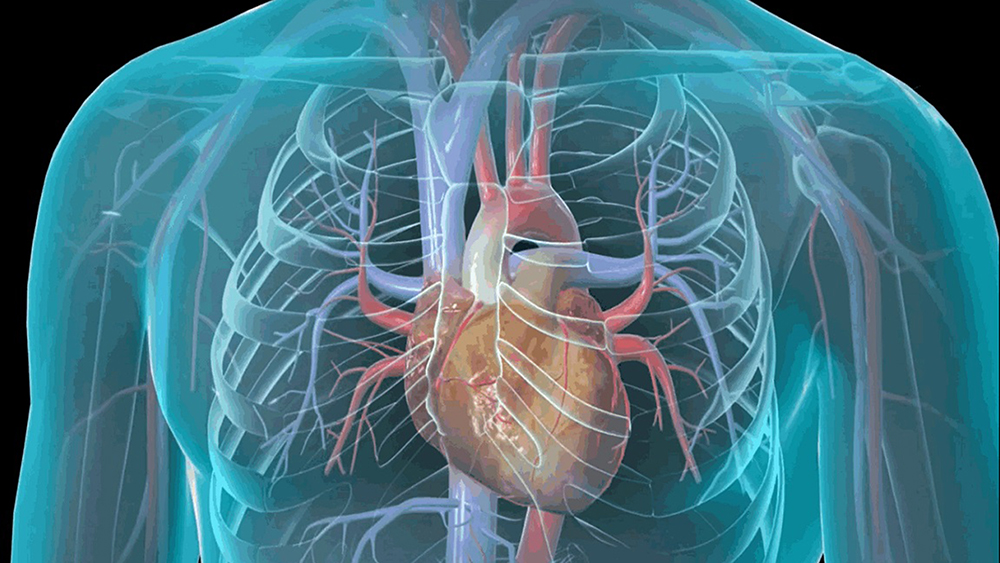
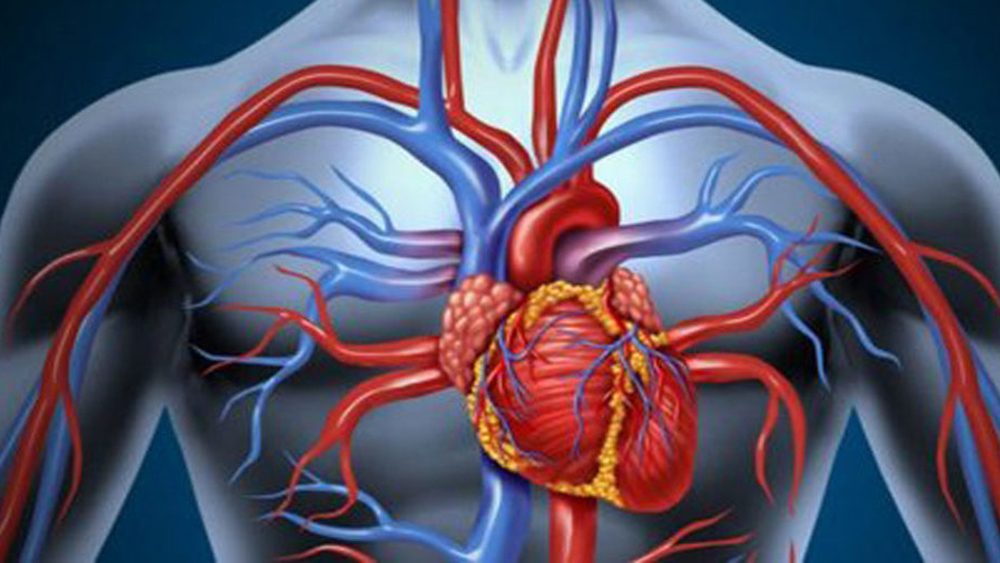
For more than two decades now, cardiologists have been developing algorithms to calculate the cardiovascular risk, i.e., the probability that a person may be a victim of a heart attack or brain stroke over the next 5-10 years and plan, based on the outcome, preventive and therapeutic strategies aimed at minimizing it.

Hand in hand with the improvement of knowledge, algorithms have been periodically reviewed and refined to make the estimate of the increasingly precise risk, but until now the calculation system used was essentially unambiguous and internationally shared. At most, it was provided for the use of somewhat different parameters in Europe and the United States, in view of the different average characteristics of the population and of the different preventive approaches.

Based on the teachings of personalized medicine, it is now understood that in order to properly assess cardiovascular risk and optimize lifestyle guidance and drug therapies it is crucial to employ different calculators in different categories of patients, taking into account age (in particular, above or below 70 years of age), the presence of type 2 diabetes (a disease that multiplies the risk of cardiovascular disease 2 to 4 times that of unaffected persons), concomitant cardiovascular disease (e.g., atrial fibrillation or heart failure), or a history of acute events (myocardial infarction or stroke/TIA), as well as additional diseases (such as rheumatoid arthritis) and the therapies needed to treat them, which can increase overall cardiovascular risk.

To facilitate physicians and patients in accessing and properly using these algorithms, an international group of experts belonging to several clinical and academic centers and scientific societies in the cardiovascular area have developed U-PREVENT : a freely searchable website (in English and Dutch) by all persons interested in calculating their own cardiovascular risk, that of a family member or, in the case of physicians, of the patients they follow.

For patients, having a simple system to know their cardiovascular risk is important in order to understand when it is appropriate to see their doctor and to be encouraged to faithfully follow his or her preventive and treatment advice. But the U-PREVENT system is even more useful for physicians, as the indications provided by the algorithm are based on the integration of all the best scientific evidence obtained in clinical and epidemiological studies and allow the best strategy to be defined for each patient, on a personalized basis, to protect him or her from cardiovascular events.

In addition to calculating the 5- or 10-year cardiovascular risk, U-PREVENT can be exploited to estimate the preventive effect of major drug therapies (in particular, antihypertensive, cholesterol-lowering, and antithrombotic drugs, in the case of nondiabetic persons), thus enabling physicians to assess which treatments single or in combination may better protect the patient in later years and to what extent.

In addition, the site provides sources from the literature and material educational to support a better understanding of computers, their use and their meaning, broken down according to user profiles, that is, patient, physician or researcher. If to spontaneously use U-PREVENT is the patient and the result shows a nonnegligible cardiovascular risk, the advice is to always consult with your physician for an interpretation competent of the outcome and any appropriate further investigation.

Source

Rossello X et al. Risk prediction tools in cardiovascular disease prevention. Eur J Prev Cardiol 2019; doi:10.1177/2047487319846715 (https://www.escardio.org/The-ESC/Press-Office/Press-releases/Predicting-how-long-you-can-live-in-good-health)

FEATURED SPECIALISTS

  • Profile picture of Dott. Gianlorenzo Casani
    active 5 years, 8 months ago

    Geriatrics, Certifying Doctor, Basic Doctors

    • Via Costantino Baroni 71/73 - Milano
    phone
  • Profile picture of Dott.ssa Federica Filigheddu
    active 5 years, 8 months ago

    Basic Doctors

    phone
  • Profile picture of Dr. Giuseppe Panico
    active 5 years, 8 months ago

    Dermatologists, Basic Doctors

    • Viale Prassilla 41 - Roma
    phone
  • Profile picture of Dott.ssa Carmela Tizziani
    active 5 years, 8 months ago

    Coroner, Certifying Doctor, Basic Doctors

    • Via Gaetano Bruno 25 - Napoli
    phone
  • Profile picture of Dr. Giovanni Arrichiello
    active 5 years, 8 months ago

    Gynecologists, Basic Doctors

    • Corso Regina Margherita 260 - Torino
    phone

RELATED ARTICLES

Psychosomatic itching

Itching can sometimes be psychosomatic in nature, caused by severe states of anxiety or stress. Psychosomatic itching is localized to a specific location on the body, not resulting from internal

Complications in bipolar disorder

From the clinical point of view, it should be mentioned that sometimes bipolar disorder may be accompanied by some pre-existing conditions that may aggravate an already quite serious condition, with more intense symptoms, for which the applied therapy may yield results of lesser effectiveness. But which ones are the most present?

Chronic obstructive pulmonary disease: what is it?

Chronic obstructive pulmonary disease (COPD) is a disease of the respiratory system characterized by irreversible airway obstruction, varying in severity. The disease (known in English as Copd, Chronic obstructive pulmonary

Epithelioma: causes and symptoms

Epitheliomas, although malignant tumors, rarely produce metastases. Thus, their malignancy is mainly expressed in the area of onset, and their surgical removal is almost always resolving. They are divided into

Poisoning from petroleum derivatives

Petroleum derivatives consist of aliphatic hydrocarbons, which may contain a small amount of aromatic hydrocarbons. Many petroleum derivatives may also contain a small percentage of organic lead. At the time

Skin, let’s treat it with care

The skin is our largest organ and the body’s first line of defense against viruses, bacteria, chemicals, pollution and environmental factors. It performs essential functions such as regulation of body

Hypermetropia: what it is and how to treat it

Hypermetropia indicates a visual defect, which causes blurred vision of near objects and sharp vision of distant objects. It is possible that the patient with hypermetropia may not realize it

RELATED PATHOLOGIES

Shock, medical emergency

It may happen that the circulation of blood through the body undergoes a sudden change giving rise to a condition of physiological shock, with decreased flow and crisis on the

Atrial fibrillation

Atrial fibrillation is the most common heart rhythm disorder in the Western world. In the United States it affects about three million people; in Italy, an estimated 600-700 thousand people

Heart failure

Heart failure corresponds to a condition in which the heart is unable to receive and/or pump blood with sufficient force to the lungs and the rest of the body, due

Cellulite

Cellulite is an inflammatory-based alteration of the fat-rich subcutaneous tissue(panniculus adiposus), triggered by fluid stagnation due to poor venous and lymphatic circulation (lymph is a fluid that flows in channels

Angina pectoris

Referred to by the Latin name for its main manifestation, a weight-like or vice-like tightness in the chest, angina pectoris is not a disease per se, but the consequence of

Peripheral arteriopathy obliterans

Peripheral arteriopathy obliterans is a vascular disease that affects the arteries, especially those in the legs, preventing the muscles and tissues from receiving adequate blood supply, resulting in symptoms of

Hypertension

According to the ESH-ESC guidelines, hypertension is defined by the finding of systolic (maximum) blood pressure values ≥ 140 mmHg and/or diastolic (minimum) blood pressure values ≤ 90 mmHg. The

Aortic valvulopathy

When the aortic valve does not properly perform its function of pumping blood into the heart, an aortic disease condition occurs that also involves the left ventricle. Aortic valve disease

Carotid stenosis

Carotid artery stenosis corresponds to a narrowing of the caliber of the carotid arteries, which are the main blood vessels supplying the brain with oxygen- and nutrient-rich blood (particularly glucose),

Jugular stenosis

Jugular stenosis corresponds to a narrowing of the lumen of the jugular veins, which are the main blood vessels that collect oxygen-poor blood from the brain and return it to

FEATURED SPECIALISTS

  • Profile picture of Dr. Antonio Varriale
    active 5 years, 8 months ago

    Aesthetic Doctors, Dentists, Basic Doctors

    • Via Grotta dell Olmo 20 - Giugliano in Campania
    phone
  • Profile picture of Dott. Franco Cicerchia
    active 5 years, 8 months ago

    Ophthalmologists, Acupuncturists, Basic Doctors

    • Via Alcide de Gasperi 39 - Palestrina
    phone
  • Profile picture of Dott. Cristiano Crisafulli
    active 5 years, 8 months ago

    Diabetologist, Basic Doctors, Internist

    • Via Vittorio Emanuele II 181 - Acireale
    phone
  • Profile picture of Dott. Massimo Carotenuto
    active 5 years, 8 months ago

    General Surgeons, Basic Doctors

    • Via Lepanto 95 - Pompei
    phone
  • Profile picture of Dott.ssa Erminia Maria Ferrari
    active 5 years, 8 months ago

    Homeopathic Medicine, Basic Doctors, Pediatricians

    • Via San Carlo 3 - Castel Rozzone
    phone

prenota il tuo viedeoconsulto in convenzione

Completa il form e sarai contatto dal personale medico specializzato

your advertising
exclusively ON
MY SPECIAL DOCTOR

complete the form and you will be contacted by one of our managers