


of

Drug excipients: inactive, but not for all

farmaci

The excipients, that is, “biologically inert” substances added to a drug to improve their taste, color, absorption efficiency, mode and time of action in the body, are generally considered safe and harmless for those taking them, following favorable outcomes of countless tests conducted over decades and extensive use in clinical practice.

However, what is true for many people is not true for everyone. A recent research conducted in collaboration between two prestigious U.S. research centers, the Massachusetts Institute of Technology and the Brigham and Women’s Hospital – Harvard Medical School of Boston, indeed indicates that many of the theoretically “inactive” compounds contained in a tablet, capsule, effervescent powder or syrup may, in fact, be the source of intolerances, allergic reactions and hypersensitivity in susceptible patients.

In most cases these are not serious reactions, often being limited to headaches, gastrointestinal complaints, itching or other dermatological manifestations. However, these drawbacks may lead to discontinuation or discontinuation of necessary treatment (reducing its effectiveness) or may worsen the underlying disease they are supposed to treat, especially in people who are more frail and debilitated or who have to take many different medications at once, such as the elderly.

For example, an excipient that causes gastrointestinal discomfort such as nausea or diarrhea may prevent adequate nutrition or absorption of needed nutrients in the intestines, while an “inactive” compound that induces nighttime itching may hinder rest and promote fatigue and a sense of malaise during the day.

Unfortunately, although all substances contained in a drug are listed by law in the package insert, it is not so easy for either the person taking it or the prescribing physician to have a full understanding of the associated risks, since the dosages of individual excipients are not reported and many compounds become potentially harmful only as a result of accumulation with continued use and not after one or a few intakes.

Moreover, for most of the drugs containing the same active ingredients (i.e., compounds actually endowed with therapeutic activity) there are countless different formulations containing different excipient mixes, which have further multiplied since the introduction of equivalent drugs. How to solve the situation?

According to the researchers, action needs to be taken mainly on two fronts: at the level of pharmaceutical companies, efforts should be made to develop new formulations of drugs in use, paying close attention to avoidance of excipients not necessary potentially allergenic/sensitizing (dyes, flavors, lactose, gluten, lecithins, FODMAP sugars, etc.); at the legislative level, forcing Indicate more precisely all excipients used in the package inserts.

A third and no less important aspect concerns the rational and conscious use of medications by patients, who should use medicines of any kind (over-the-counter or prescription) only in cases of actual need, respecting the directions given by the doctor or found on the package insert regarding timing and dosage, and reporting to the doctor or pharmacist any unanticipated adverse reaction, to enable more timely pharmacovigilance.

Source

Reker D et al. “Inactive” ingredients in oral medications. Science Translational Medicine 2019;11(483):eaau6753. doi10.1126/scitranslmed.aau6753 (http://stm.sciencemag.org/content/11/483/eaau6753.abstract)

FEATURED SPECIALISTS

  • Profile picture of Dott.ssa Erminia Maria Ferrari
    active 5 years, 8 months ago

    Homeopathic Medicine, Basic Doctors, Pediatricians

    • Via San Carlo 3 - Castel Rozzone
    phone
  • Profile picture of Dr. Giandomenico Mascheroni
    active 5 years, 8 months ago

    Endocrinologists, Basic Doctors, Certifying Doctor

    • Via Petrarca 53 - Carnago
    phone
  • Profile picture of Dr. Roberto Zaffaroni
    active 5 years, 8 months ago

    Basic Doctors, Therapist

    • Via San Francesco D' Assisi 5 - Varese
    phone
  • Profile picture of Dr. Giuseppe Lepore
    active 5 years, 8 months ago

    Dermatologists, Basic Doctors, General Surgeons

    • 19 Via Manzoni Alessandro - Garbagnate Milanese
    phone
  • Profile picture of Studio Medico San Pellegrino
    active 5 years, 5 months ago

    Sports Doctors, Basic Doctors

    Spread the word!

    Recommend this special

    doctor to a friend

    message phone house
    visit
    video
    consulting
    WhatsApp conferences
    and webinars

RELATED ARTICLES

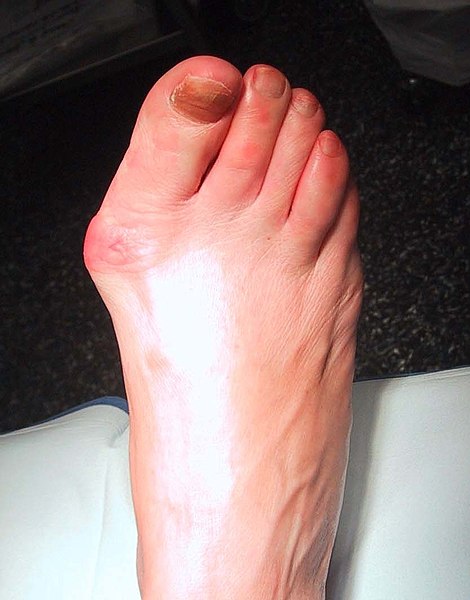
Hallux valgus: how to treat it

Hallux valgus is a deformity of the first toe, which appears deviated laterally toward the other toes, with simultaneous medial protrusion of the first metatarsal bone. This bony deformity is

Family dysautonomy

Involuntary nervous system dysfunction, or familial dysautonomia, is a genetic disorder that goes to groups of nerve cells, which are not properly developed and do not survive.

Rhinitis: what it is and how to treat it

The term rhinitis indicates a general irritation and inflammation of the nasal mucosa. There are three main types of rhinitis: infectious rhinitis, allergic rhinitis, and non-allergic rhinitis (or vasomotor rhinitis).

Thyroid slowed down?

The thyroid is a small gland that is responsible for regulating metabolism, that is, the rate at which food intake is converted into energy. If thyroid activity slows down too

Treatment of amblyopia – lazy eye

The term amblyopia, or more commonly “lazy eye,” denotes that condition in which there is a greater reduction in visual acuity (i.e., quality of vision) in one eye than in

The mechanism of hunger and insulin

When insulin is not absorbed, it means there is resistance to its action, and then glucose levels remain high. This results in the body needing greater amounts of insulin to reduce glycemic levels.

Muscle strengthening that saves the knee

When the knee is under load, fatigued in supporting the weight and movements of the body, it can manifest its suffering with pain in walking, but sometimes also in a stationary position.

RELATED PATHOLOGIES

Lactose intolerance

People with lactose intolerance are unable to fully digest the sugar in milk. The condition, which is also called lactose malabsorption, is usually harmless, but its symptoms can be uncomfortable.

Cellulite

Cellulite is an inflammatory-based alteration of the fat-rich subcutaneous tissue(panniculus adiposus), triggered by fluid stagnation due to poor venous and lymphatic circulation (lymph is a fluid that flows in channels

Heart failure (acute)

Acute Heart Failure (AHF) is a potentially life-threatening clinical condition that can result from the worsening of an already diagnosed chronic heart failure (heart failure) or represent its onset event.

Chronic fatigue syndrome (CFS)

the fatigue syndrome or chronic fatigue (CFS), now also referred to by associating the acronymME/CFS (myalgicencephalomyelitis/chronic fatiguesyndrome), is a rather complex condition that manifests as a condition of intense fatigue

Dry eye

Dry eye syndrome sets in when the superficial tear film that protects, irrigates, and nourishes the outer layers of the eye, particularly the cornea and conjunctiva, is too poor or

Adenoid

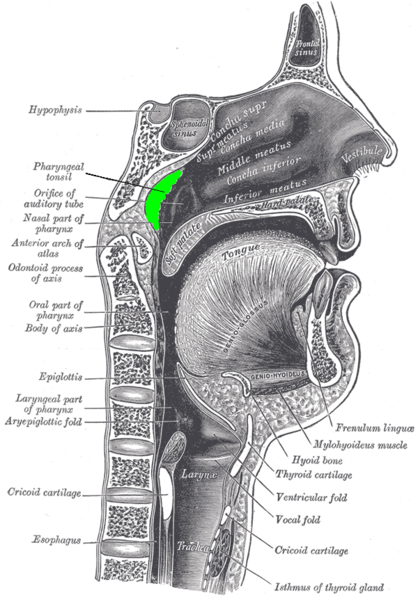
Adenoids are masses of lymphatic tissue that help the body fight infection. The adenoids are located in the pharynx, just behind the nose; along with the tonsils, they are the

Nasal polyposis

Nasal polyps are soft, painless, noncancerous growths that form on the lining of the nasal cavity or paranasal sinuses and as, they increase in volume, can cause respiratory obstruction. They

Labyrinthitis

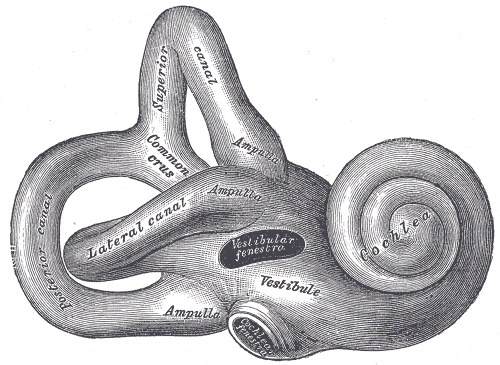
Labyrinthitis refers to an inflammation of the inner ear structure called the labyrinth. Sometimes the term labyrinthitis refers to other inner ear problems that are not referable to inflammation but

Ankylosing spondylitis

It can be described as a form of arthritis with inflammation in the spine that causes pain and over time, especially if left untreated, can cause a kind of attachment-fusion

Anxiety

Anxiety or, more precisely, “generalized anxiety disorder,” as stated in the “Statistical Diagnostic Manual of Mental Disorders-DSM 5.” It is a psychiatric illness characterized by: intense and persistent worry and

FEATURED SPECIALISTS

  • Profile picture of Dr. Antonio Varriale
    active 5 years, 8 months ago

    Aesthetic Doctors, Dentists, Basic Doctors

    • Via Grotta dell Olmo 20 - Giugliano in Campania
    phone
  • Profile picture of Dr. Virgilio De Bono
    active 5 years, 8 months ago

    Aesthetic Doctors, Basic Doctors, Dermatologists

    • Via Ripense 4 - Roma
    phone
  • Profile picture of Dr. Tiziana Volpe
    active 5 years, 8 months ago

    Gynecologists, Basic Doctors, Professional Counselor

    • Piazzale Jonio 50 - Roma
    phone
  • Profile picture of Dott.ssa Francesca Vittorelli
    active 5 years, 8 months ago

    Therapist, Acupuncturists, Basic Doctors

    • Corso Andrea Palladio 134 - Vicenza
    phone
  • Profile picture of Dr. Domenico D'Angelo
    active 5 years, 8 months ago

    Otolaryngologists, Basic Doctors, Competent Doctor

    • Via Pola 5 - San Prisco
    phone

prenota il tuo viedeoconsulto in convenzione

Completa il form e sarai contatto dal personale medico specializzato

your advertising
exclusively ON
MY SPECIAL DOCTOR

complete the form and you will be contacted by one of our managers