



of

Mycosis: the fungi of the skin

micosi

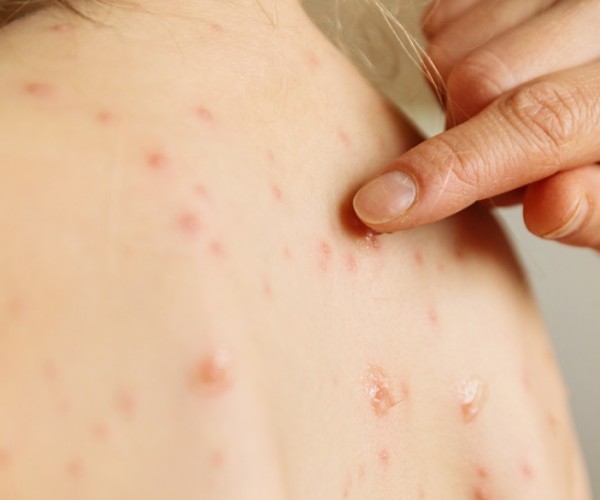
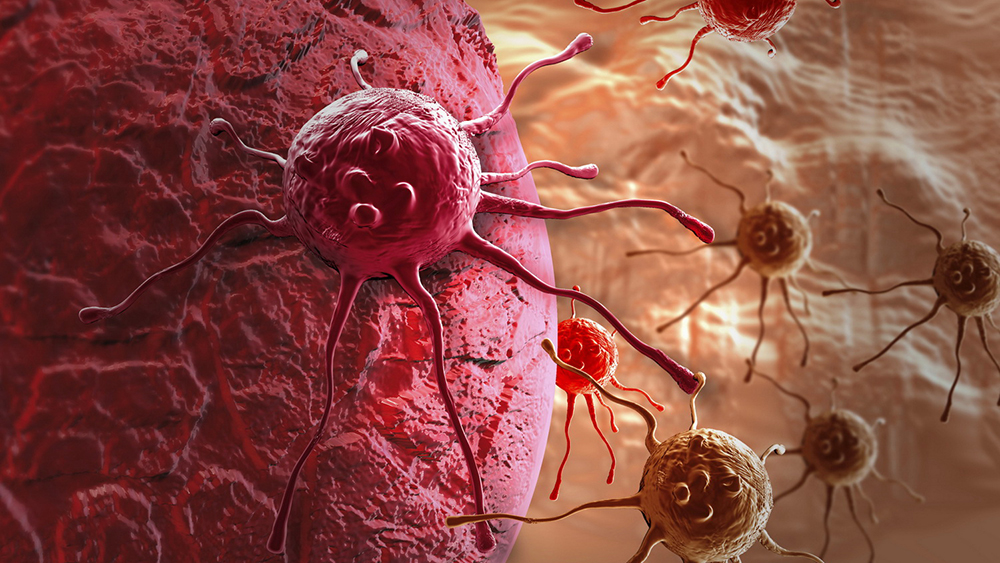
Mycoses are infections generated by fungi that, like bacteria, can reproduce in the human body.

Specifically addressed below are the benign type forms, which, often, do not present any symptoms and are more frequent in the summer period. For this reason, we will try to clarify well:

– What are mycoses and who are those most at risk?

– How and where can mycoses be contracted?

– Treating mycosis: how to intervene?

What are mycoses and who are those most at risk?

Mycoses are infections that can affect the skin, hair, nails, and mucous membranes, and can be classified into the following categories:

  • Superficial, that is, mycoses affecting the skin, scalp, or nails
  • Subcutaneous, which are more invasive infections that penetrate within the dermis and subcutaneous tissues
  • Systemic, that is, mycoses that affect internal organs or the blood, and, therefore, very dangerous
  • Opportunistic, which are infections that can be very serious and mainly affect people with immune system deficiencies

Mycoses can be, therefore, also very serious, invading mucous membranes and internal organs. They particularly occur in patients with reduced immunological defenses, such as in organ transplant recipients or patients undergoing chemotherapy. Chemotherapeutics decrease white blood cells, which are an initial barrier against the invasion of microorganisms, including fungi. Cortisone treatments in particular can promote fungal infections.

Read more.

FEATURED SPECIALISTS

  • Profile picture of Dott. Cristiano Crisafulli
    active 5 years, 6 months ago

    Diabetologist, Basic Doctors, Internist

    • Via Vittorio Emanuele II 181 - Acireale
    phone
  • Profile picture of Dott. Flavio Della Croce
    active 5 years, 6 months ago

    Psychotherapists, Basic Doctors

    • Via Sacconi 1 - Borgonovo Val Tidone
    phone
  • Profile picture of Dott.ssa Maria Grazia Caruana
    active 5 years, 6 months ago

    Aesthetic Doctors, Basic Doctors

    • Viale Prassilla 41 - Roma
    phone
  • Profile picture of Dr. Tiziana Volpe
    active 5 years, 6 months ago

    Gynecologists, Basic Doctors, Professional Counselor

    • Piazzale Jonio 50 - Roma
    phone
  • Profile picture of Dott.ssa Emanuela Costantino
    active 5 years, 6 months ago

    Neurologists

    • Via Gallinara 2/B - Cagliari
    phone

RELATED ARTICLES

Lung disorders: pleurisy

Viral pleurisy is a viral infection of the pleura (the thin, transparent, two-layered membrane that covers the lungs), which, typically, causes chest pain on breathing or with coughing. Viral pleurisy

Hepatitis E: liver disease

Hepatitis E is caused by an RNA virus transmitted by the fecal-oral route and causes symptoms typical of viral hepatitis, including poor appetite, malaise, and jaundice. Fulminant hepatitis and death

Inflammation of adenoids

Adenoids are made up of lymphatic tissue and are located at the top of the throat, behind and above the tonsils, at the point where the nasal cavities connect right

Peripheral arteriopathy obliterans: what is it?

Peripheral arteriopathy obliterans or peripheral arterial occlusive disease is a medical condition in which there is a localized obstructive lesion downstream of the renal arteries, with hypoperfusion of the lower

Bad habits that cause back pain

When back pain is present too many times in our daily lives, after doing all the clinical investigations to rule out specific diseases, we need to question our habits, canceling or changing those that could be the cause.

Kaposi’s disease: what is it?

Kaposi’s sarcoma is a rare type of cancer caused by a virus, called HHV8, belonging to the herpes virus family. It can affect both the skin and internal organs. Approximately

Excessive salivation: what to do?

Excessive salivation or hypersalivation may be the result of other problems such as infection, oral mucosal affection, or poisoning, but it may also not result from a previous condition but

RELATED PATHOLOGIES

Milky crust

Milk scab, technically referred to as “neonatal seborrheic dermatitis” or pityriasis capitis, is a transient and essentially harmless dermatologic disorder that affects the scalp of many infants and infants.

Acne

The term acne is derived from the Greek word acmé or acné, meaning foam or summit, and denotes a skin disease that is widespread in the young population, characterized by

Syphilis

Syphilis is a sexually transmitted disease (STD) caused by the bacterium Treponema pallidum and characterized by three successive stages of increasing severity (primary, secondary, and advanced syphilis), with slow and

Vitiligo

Vitiligo is a skin disease with unknown causes, characterized by the presence of skin patches that are lighter in color (or completely devoid of pigmentation) than the typical coloration of

Bullous epidermolysis

Epidermolysis bullosa (EB) corresponds to a group of rare and disabling genetic diseases characterized by the appearance of blisters and lesions on the skin and in the inner mucous membranes,

Suppurative hydrosadenitis

Hydrosadenitis suppurativa (HS, Hidradenitis Suppurativa), also called acne inversa or Verneuil’s disease, is a chronic inflammatory disease of the skin characterized by the appearance of subcutaneous nodules (cysts), single or

Furunculosis

Furunculosis is a dermatitis characterized by the presence of clusters of furuncles that tend to develop on the neck, buttocks, face and arms. It is generally due to skin infection

Atopic dermatitis

Atopic dermatitis or “atopic eczema” is a chronic inflammatory skin disease, associated with pruritus, that typically begins in the early years of life, then persisting throughout the pediatric years and

Hemorrhoids

Hemorrhoids are vascular structures of the anus and lower rectum that serve to maintain fecal continence. If they become swollen or inflamed, they become pathological and cause a syndrome known

Kaposi’s disease

Kaposi’s disease or syndrome is an infrequent multifocal malignant neoplastic form involving mainly the skin, viscera, and mucous membranes. Epidemic Kaposi’s disease (AIDS-related). Iatrogenic Kaposi’s disease: immunosuppressive drugs are responsible.

FEATURED SPECIALISTS

  • Profile picture of Dr. Virgilio De Bono
    active 5 years, 6 months ago

    Aesthetic Doctors, Basic Doctors, Dermatologists

    • Via Ripense 4 - Roma
    phone
  • Profile picture of Dott.ssa OLGA PETROVSKAIA
    active 5 years, 6 months ago

    Pain therapists, Basic Doctors, Therapist

    • Via Giulio Romano 3 - Valle Martella
    phone
  • Profile picture of Dott. Massimo Carotenuto
    active 5 years, 6 months ago

    General Surgeons, Basic Doctors

    • Via Lepanto 95 - Pompei
    phone
  • Profile picture of Studio Medico San Pellegrino
    active 5 years, 3 months ago

    Sports Doctors, Basic Doctors

    Spread the word!

    Recommend this special

    doctor to a friend

    message phone house
    visit
    video
    consulting
    WhatsApp conferences
    and webinars
  • Profile picture of Dott.ssa Maria Grazia Caruana
    active 5 years, 6 months ago

    Aesthetic Doctors, Basic Doctors

    • Viale Prassilla 41 - Roma
    phone

prenota il tuo viedeoconsulto in convenzione

Completa il form e sarai contatto dal personale medico specializzato

your advertising
exclusively ON
MY SPECIAL DOCTOR

complete the form and you will be contacted by one of our managers