


of

Skin, let’s treat it with care

pelle

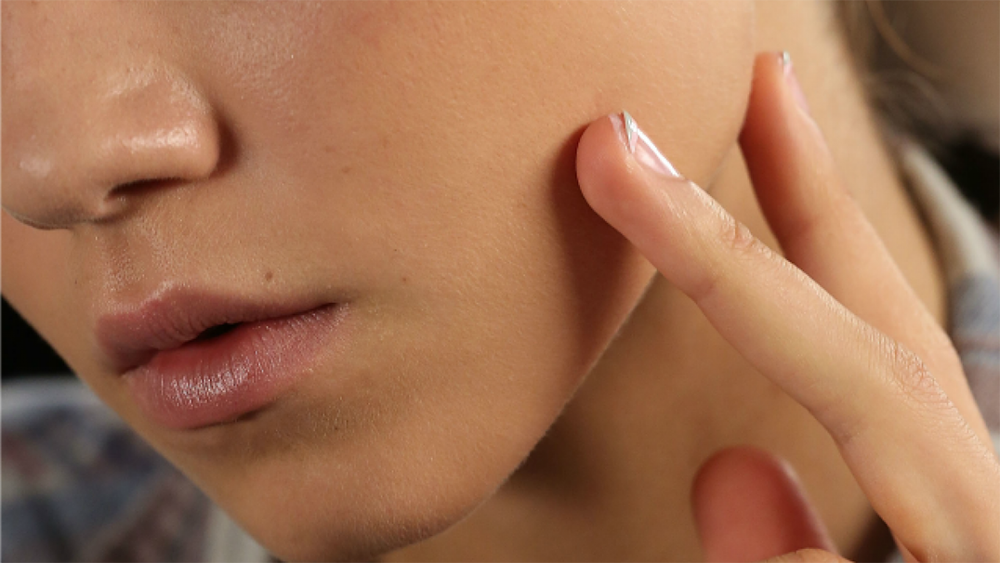
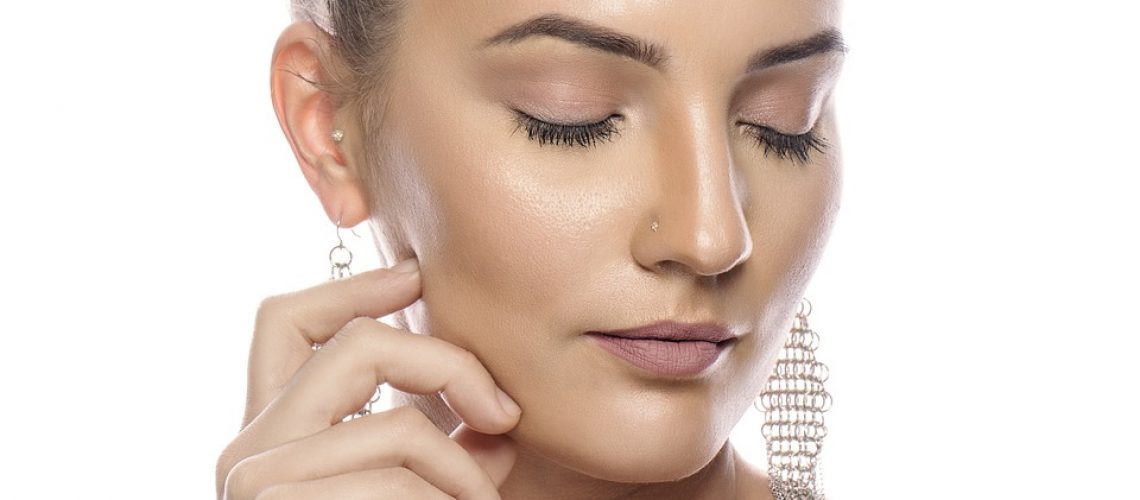
The skin is our largest organ and the body’s first line of defense against viruses, bacteria, chemicals, pollution and environmental factors. It performs essential functions such as regulation of body temperature and sensation, regeneration and storage of nutrients in its cells that migrate into the blood vessels when needed.

Products and treatments are certainly helpful in keeping it in good condition, but what really preserves and supports its structure, health and optimal function are the vitamins, minerals and other nutrients we can provide through the foods we consume.

The most important micronutrients for healthy skin are antioxidants found in fruits, vegetables, and raw cocoa, and are part of it in addition to bioflavonoids, vitamins A, C, E, and minerals such as selenium. But for our skin also needs B vitamins, zinc, copper, silica not to forget essential fatty acids and sources of protein and vitamin D that we get from exposure to sunlight (of course not prolonged).

Antioxidant compounds help reduce the effects of environmental damage caused by sun exposure and pollution by protecting the skin from free radicals, unstable molecules that can damage cells and accelerate the appearance of signs of aging.

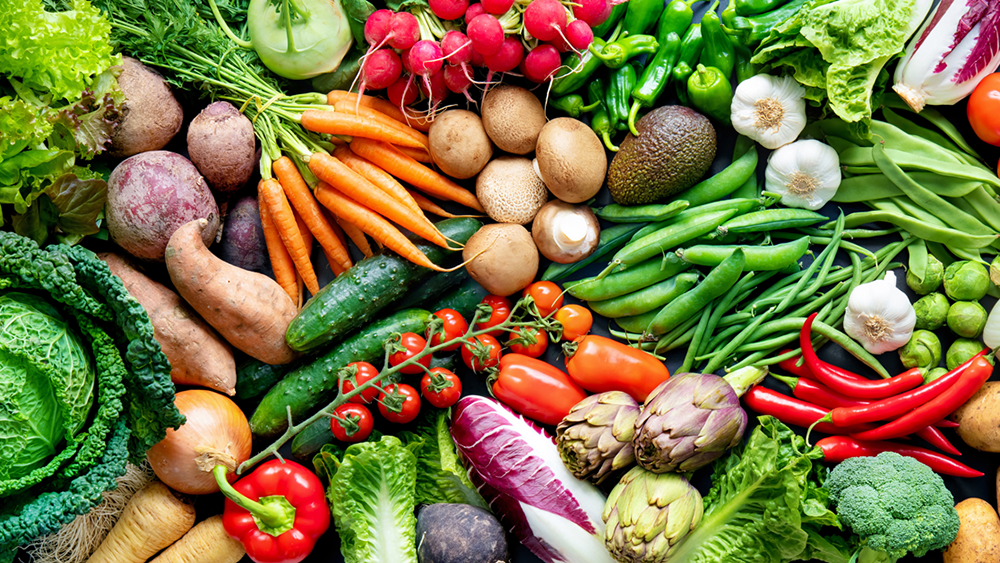
Be sure to enrich your diet with sources of vitamin A and carotenoids found in carrots, pumpkin, sweet potatoes, green leafy vegetables, red peppers, tomatoes, apricots, mangoes and peaches. Vitamin A can slow skin cell turnover and increase collagen deposition, slowing its depletion associated with aging.

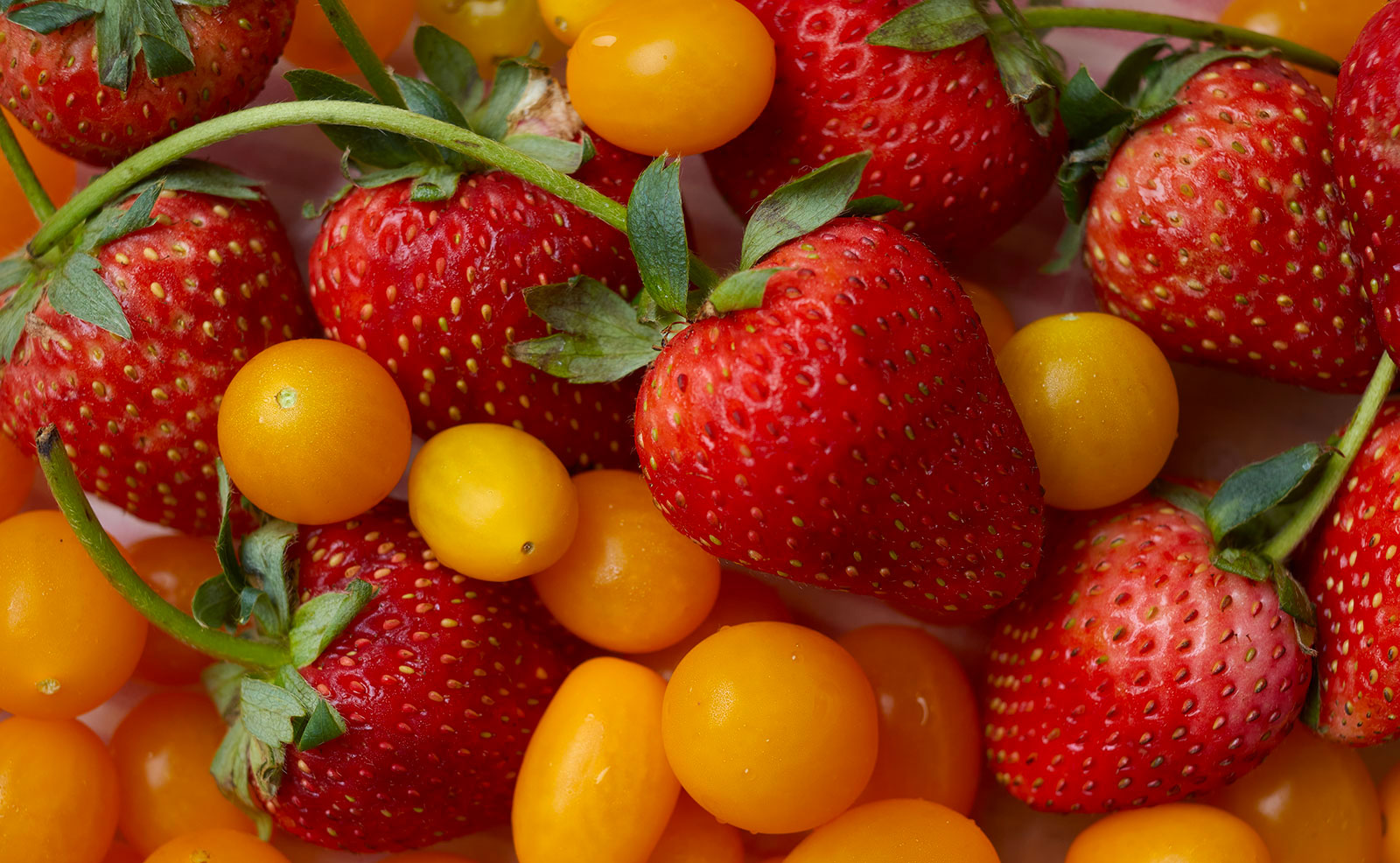
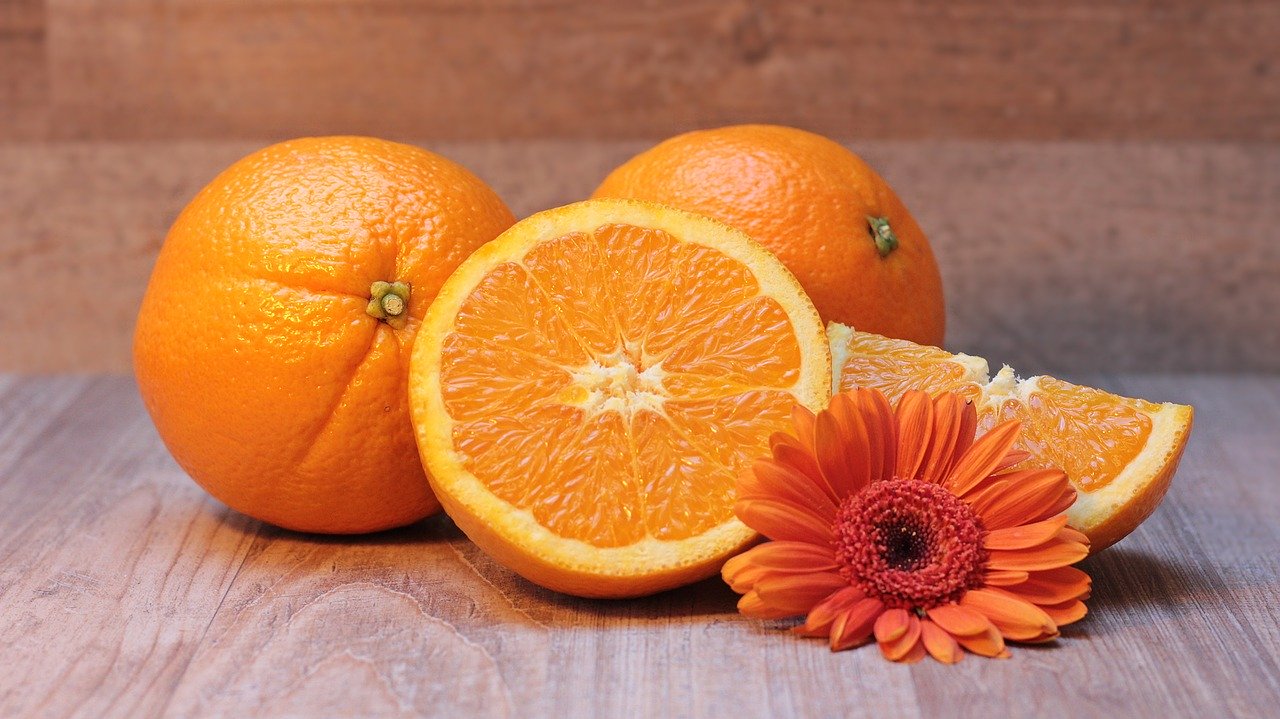
Vitamin C in which peppers, kiwis, strawberries, oranges, papaya, broccoli, tomatoes, peas, and cabbage are rich is known to be a powerful antioxidant that not only protects the skin from free radical damage, but is also necessary for the collagen production, a structural protein that, together with elastin and keratin, gives the skin structure and elasticity.

Almonds, hazelnuts, sunflower seeds, spinach, avocados, sweet potatoes, wheat germ and green leafy vegetables, on the other hand, are sources of vitamin E, another essential nutrient for producing collagen because it acts together with vitamin C to stimulate its formation. It is also one of the main antioxidants in the skin and protects cell membranes from damage from UV rays and environmental toxins.

And another of the important antioxidants is selenium, found in brazil nuts, wheat germ, bran, brewer’s yeast, onions, and broccoli, which helps maintain skin elasticity.

Whole grains, dried fruits, oilseeds, and leafy green vegetables are all sources of B vitamins, which are crucial in fighting free radicals. B2 is very useful in dry skin, B3 stimulates collagen synthesis, helping to keep the skin hydrated and elastic, B6 regulates sebum production, and B5 and B8 are essential for skin hydration.

And some of the minerals such as zinc, copper, and silica are necessary for cell renewal, formation of skin structure, and nourishment and protection of skin cells. Legumes, whole grains, cocoa, miso, nutritional yeast, broccoli, and green beans are sources of zinc while copper can be found in sesame seeds, sunflower seeds, cashews, mushrooms, tempeh, chickpeas, lentils, walnuts, and green leafy vegetables. In contrast, bananas, oats, leeks, green beans, wheat, and brown rice are sources of silica.

One of the main components of cell membranes are essential fatty acids that keep them elastic and hydrated, reducing dryness and leaving the skin looking smoother and plumped. Chia and flax seeds, walnuts, green leafy vegetables, hemp seeds, algae and vegetable oils are rich in it. And don’t forget to include plant sources of protein in your meals such as legumes, nuts, seeds, seaweed, green leafy vegetables and whole grains. The major structural proteins in hair, skin, and nails such as collagen, elastin, and keratin all contain different combinations of amino acids, and some of these are essential, which means they must be obtained from the diet because our bodies cannot self-produce them.

All these foods that are sources of nutrients for our skin as well as being eaten with gusto can be used for DIY beauty treatments. You can make a face mask by mixing avocado pulp, cocoa powder and turmeric or papaya pulp, coconut yogurt and turmeric to moisturize, soften and make the skin glow. Create a body scrub with ground oats, olive oil and sugar or ground coffee, cocoa powder and coconut oil to give softness. And for hair care, massage in a couple of tablespoons of coconut or avocado oil, leaving overnight, then rinsing in the morning with shampoo.

Source: Crudostyle

FEATURED SPECIALISTS

  • Profile picture of Dott.ssa Federica Filigheddu
    active 5 years, 8 months ago

    Basic Doctors

    phone
  • Profile picture of Dr. Giuseppe Panico
    active 5 years, 8 months ago

    Dermatologists, Basic Doctors

    • Viale Prassilla 41 - Roma
    phone
  • Profile picture of Dr. Domenico D'Angelo
    active 5 years, 8 months ago

    Otolaryngologists, Basic Doctors, Competent Doctor

    • Via Pola 5 - San Prisco
    phone
  • Profile picture of Dott.ssa Cinzia Maria Zurra
    active 5 years, 8 months ago

    Basic Doctors, Aesthetic Doctors, Nutritionists

    • Viale Rimembranze 5 - Triuggio
    phone
  • Profile picture of Dott.ssa Carmela Tizziani
    active 5 years, 8 months ago

    Coroner, Certifying Doctor, Basic Doctors

    • Via Gaetano Bruno 25 - Napoli
    phone

RELATED ARTICLES

Anal fissures: symptoms and causes

Anal fissure is a wound, usually a linear or oval-shaped ulceration, several millimeters long and located at the level of the outer muco-cutaneous margin of the anus. It can occur

Genital herpes

Genital herpes is a sexually transmitted disease caused by human herpes virus 1 or 2. Causes ulcerative genital lesions. Diagnosis is clinical with laboratory confirmation by culture tests, PCR (polymerase

Time change: the effects on the gut

The transition from daylight saving time to daylight saving time and vice versa causes some transient discomfort for many people, especially in terms of resynchronization of sleep-wake rhythms and mealtimes,

Uveitis of the eye

Uveitis is a generic term describing a group of inflammatory diseases that cause swelling, inflammation, and damage to ocular tissues; the term originates from the fact that these conditions often

Great physicians of antiquity: Galen

Galen, (he was born in Pergamon in 129 A.D. ,and died in 201) devoted his life to the knowledge and dissemination of Medicine in the Greek world, passing on his knowledge until the beginning of the Renaissance.

Bruises: what to do?

Contusions form when a blunt object strikes certain parts of the body, rupturing subcutaneous blood vessels. There is no discharge of blood, and usually the bruises are swollen and painful,

RELATED PATHOLOGIES

Furunculosis

Furunculosis is a dermatitis characterized by the presence of clusters of furuncles that tend to develop on the neck, buttocks, face and arms. It is generally due to skin infection

Suppurative hydrosadenitis

Hydrosadenitis suppurativa (HS, Hidradenitis Suppurativa), also called acne inversa or Verneuil’s disease, is a chronic inflammatory disease of the skin characterized by the appearance of subcutaneous nodules (cysts), single or

Allergic rhinitis

Allergic rhinitis is aninflammation of the mucosa lining the inner cavities of the nose (nasal mucosa).

Acne

The term acne is derived from the Greek word acmé or acné, meaning foam or summit, and denotes a skin disease that is widespread in the young population, characterized by

Genital herpes

Genital herpes is the most common sexually transmitted infectious disease characterized by ulceration in the population. It can affect both men and women (more often), is transmitted by direct contact

Dermatitis

The term dermatitis refers to a fairly heterogeneous group of skin diseases, largely characterized by more or less pronounced inflammation and induced by a wide variety of causes (irritation, allergic

Hemorrhoids

Hemorrhoids are vascular structures of the anus and lower rectum that serve to maintain fecal continence. If they become swollen or inflamed, they become pathological and cause a syndrome known

Psoriasis

Psoriasis is a chronic skin condition characterized by the appearance of characteristic thickened, flaky, inflamed patches on well-defined, more or less extensive skin areas. The disease affects 0.1-3.0% of the

Food allergies and intolerances

Physical reactions to certain foods are common, but for the most part they are caused by afood intolerance rather than a food allergy. A food intolerance can cause some of

Gonorrhea

Gonorrhea is one of the most prevalent sexually transmitted diseases (STDs) worldwide, in both sexes, starting as early as adolescence; if not recognized and treated appropriately quickly, it can lead

FEATURED SPECIALISTS

  • Profile picture of Dr. Tiziana Volpe
    active 5 years, 8 months ago

    Gynecologists, Basic Doctors, Professional Counselor

    • Piazzale Jonio 50 - Roma
    phone
  • Profile picture of Dott. Sandro Morganti
    active 5 years, 8 months ago

    Orthopedists, Basic Doctors, Osteopaths

    • Via Foligno 6 - Roma
    phone
  • Profile picture of Dott. Massimo Carotenuto
    active 5 years, 8 months ago

    General Surgeons, Basic Doctors

    • Via Lepanto 95 - Pompei
    phone
  • Profile picture of Dr. Sergio Ettore Salteri
    active 5 years, 8 months ago

    Basic Doctors, Chiropractors, Posturologists

    • Via Vial di Romans 8 - Cordenons
    phone
  • Profile picture of Dott.ssa Maria Grazia Caruana
    active 5 years, 8 months ago

    Aesthetic Doctors, Basic Doctors

    • Viale Prassilla 41 - Roma
    phone

prenota il tuo viedeoconsulto in convenzione

Completa il form e sarai contatto dal personale medico specializzato

your advertising
exclusively ON
MY SPECIAL DOCTOR

complete the form and you will be contacted by one of our managers