


of

Quarantine: impact and psychological costs

quarantena

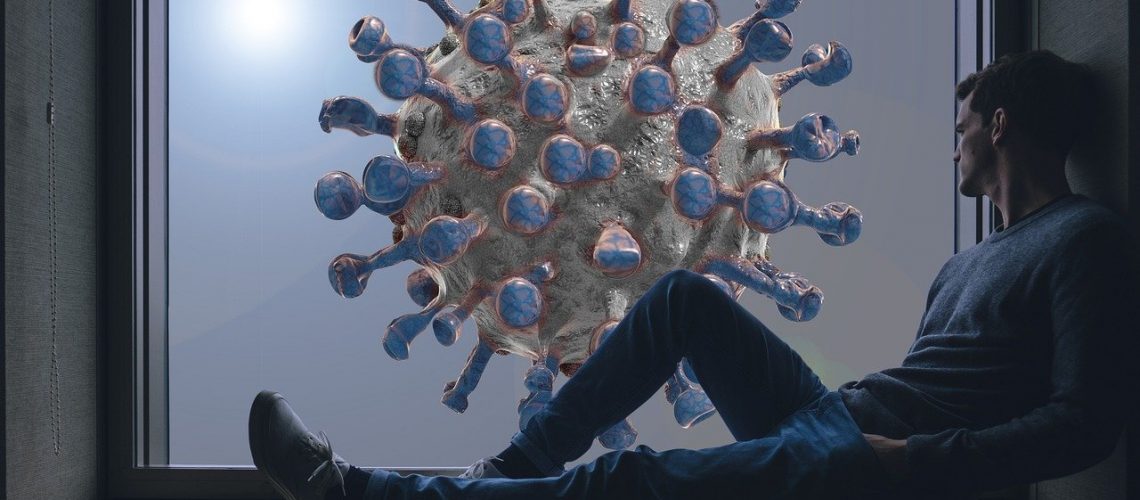
The Lancet Journal published a very recent review regarding the impact and cost in psychological terms from quarantine.

Consideration was given to 24 papers done between 2004 and 2020 in various countries (Canada, China, South Korea, Sweden, Liberia, Taiwan) on the effects of quarantine adopted during epidemics (SARS, Ebola, Equine Influenza) .

The symptomatic effects of quarantine, stressors and factors that should be taken into consideration to cushion its negative effects were examined.

Quarantine represents an exceptional and unpleasant experience: generalized uncertainty and about the state of illness, restriction of freedom, removal from loved ones and living habits, and boredom can induce particular psychological reactions if not actual symptoms.

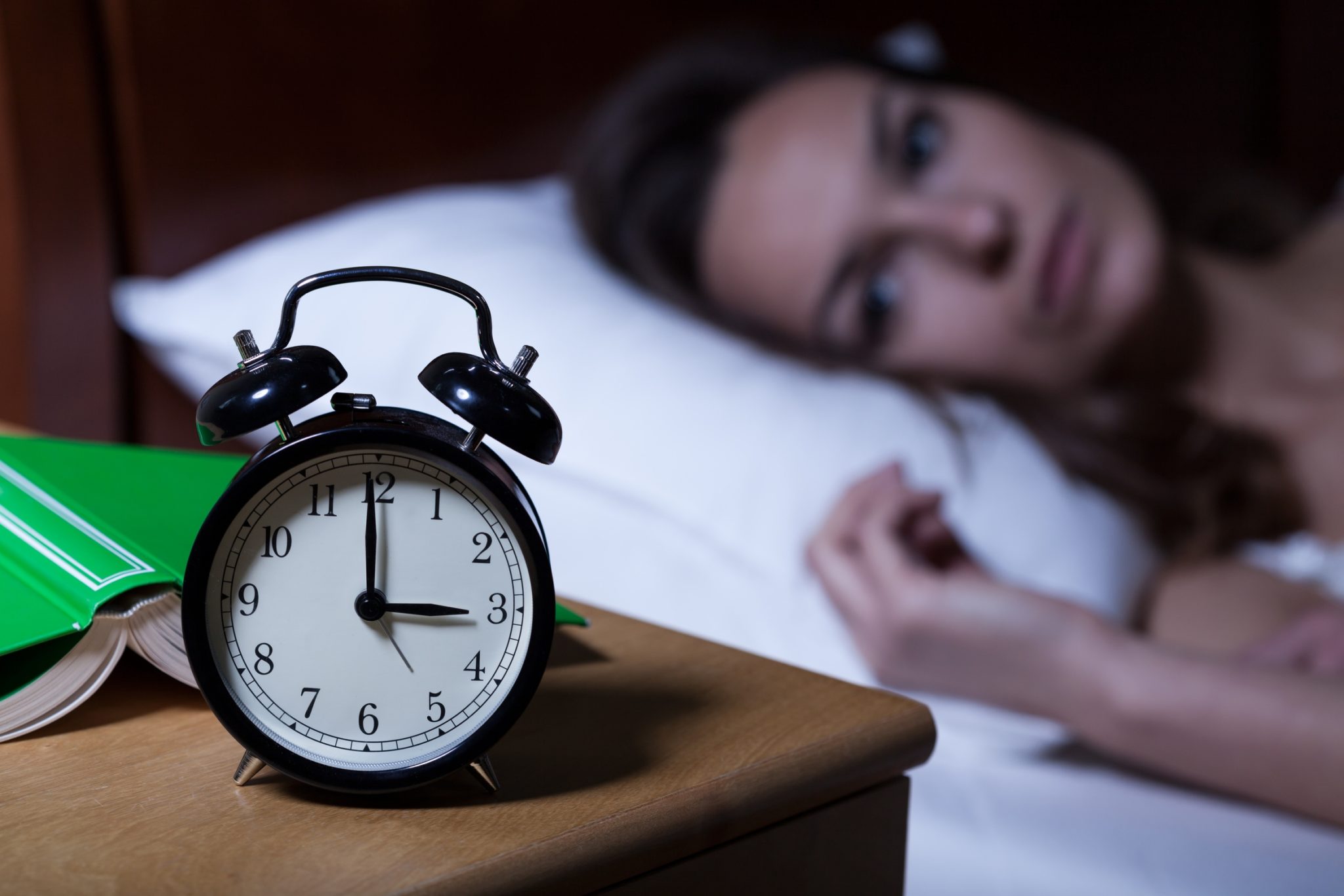
Thus, generalized psychological disorders (irritability, nervousness, low mood), emotional difficulties (sadness, fear, anger, confusion, guilt) symptoms (insomnia, anxiety, depression, stress, post-traumatic stress symptoms) are evidenced. Suicides and legal actions are reported in low numbers.

Of particular interest is the fact that healthcare workers placed in quarantine appear to activate avoidance behaviors, such as minimizing direct contact with patients.

The elements that contribute to raising the stress level can be summarized as follows:

  • prolonged quarantine (longer quarantine periods are more associated with posttraumatic stress symptoms and avoidance and anger behaviors)
  • inadequate information (information should always have clear logic to avoid confusion about the purpose of quarantine)
  • fears of infection (unclear and insufficient guidelines on actions to be taken are associated with anxiety and insecurity. In fact, people in quarantine often fear being infected or infecting others and catastrophically evaluate any physical symptoms))
  • inadequate supplies (both in terms of health care supplies and supplies are a source of frustration and, even after quarantine is over, are associated with anxiety and anger)
  • financial losses (financial worries associated with the forced inactivity) are, even several months after the end of quarantine, a source of anger and anxiety
  • stigma (in the case of the Ebola outbreak in Senegal, for example, several health workers reported tensions that arose in their families who, as a result of involvement in the quarantine, began to consider their work too dangerous)
  • distress (resulting from frustration and boredom arising from confinement, loss of routine, reduced physical and social contact, and a sense of isolation from the world).

A specific discussion should address psychological distress in quarantined health care workers, although there is conflicting evidence that this group is at higher risk for distress.

While it is true that during the quarantine period the negative psychological effect is not surprising, the fact that it may be detected months or years later, albeit in a small number of studies, is worth considering. This is to prepare, as an integral part of the quarantine planning process, the most effective mitigation measures.

The length of the quarantine should not change; even a small extension is likely to frustrate the whole system and exponentially increase frustration and demoralization.

Resources should be guaranteed

A dedicated online service run by health professionals that can provide instructions on what to do if symptoms of illness develop would help and reassure people, lowering feelings such as fear, worry, and anger.

Work from home should be organized and encouraged both to avoid the anxieties connected with financial losses and to avoid boredom.

People in quarantine should be informed about what they can do to avoid boredom and given practical advice on stress management and coping techniques by providing meaningful activities.

Specific support groups may be helpful

It is safe to assume that people with pre-existing mental health instability need additional support during quarantine.

Specific management support would be needed for health workers to facilitate their return to work.

Appealing to altruism and the social bond that binds a community still and always serves to make sense of a restrictive and generalized measure like quarantine.

FEATURED SPECIALISTS

  • Profile picture of Dr. Giandomenico Mascheroni
    active 5 years, 6 months ago

    Endocrinologists, Basic Doctors, Certifying Doctor

    • Via Petrarca 53 - Carnago
    phone
  • Profile picture of Dott.ssa Irene Pistis
    active 5 years, 6 months ago

    Aesthetic Doctors, Basic Doctors, Certifying Doctor

    • Via della Reoubblica 461/3 - Vergato
    phone
  • Profile picture of Dott. Cristiano Crisafulli
    active 5 years, 6 months ago

    Diabetologist, Basic Doctors, Internist

    • Via Vittorio Emanuele II 181 - Acireale
    phone
  • Profile picture of Dr. Squillante Gianni Erminio
    active 5 years, 6 months ago

    Acupuncturists, Homeopathic Medicine, Basic Doctors

    • Via Monterotondo 14 - Roma
    phone
  • Profile picture of Dr. Lorenzo Cerreoni
    active 5 years, 6 months ago

    Aesthetic Doctors, Basic Doctors

    • Via Macero Sauli 52 - Forlì
    phone

RELATED ARTICLES

Humans and animals, close but with caution

While it is now well established that pets, especially dogs and cats do not generally pose a real risk of infection, it still pays to be vigilant that they themselves are not attacked by parasites or ticks.

Stress as a source of survival

Very often in work contexts it is possible for uncomfortable situations to arise, also related to mental illness. This negatively affects the worker’s well-being through increased cigarette consumption or alcohol

Emotional skills

The learning of emotional skills requires a different methodology, since it assumes adequate knowledge of one’s emotional world and the development of interpersonal skills. The role of emotions is very

RELATED PATHOLOGIES

Anxiety

Anxiety or, more precisely, “generalized anxiety disorder,” as stated in the “Statistical Diagnostic Manual of Mental Disorders-DSM 5.” It is a psychiatric illness characterized by: intense and persistent worry and

Transient ischemic attack

Transient ischemic attack (TIA) is a mild form of ischemic cerebral stroke or “mini-stroke,” which occurs when the cerebral circulation is partially impaired by the presence of narrowing or occlusion

Epilepsy

Epilepsy is a chronic neurological disorder of the central nervous system, characterized by recurrent acute attacks (seizures), unpredictable in frequency, intensity and duration, interspersed with periods of well-being in which

Neurovegetative dystonia

If you have the patience to interview a family doctor whose outpatient clinic is always very crowded, you will find that a good portion of patients are afflicted with a

Cerebral aneurysm

A cerebral aneurysm is a vascular malformation that presents as a small spherical protrusion or bulge along the wall of an artery present in the brain. Its presence is risky

Fainting

Fainting is a simple term in common use that is used to describe a loss of consciousness that can occur at any time in life for countless reasons, more or

Headache

Headache, the so-called “headache,” is probably the most common form of pain. It is chronic or recurrent pain affecting various structures of the head, such as arterial and venous vessels,

Obstructive sleep apnea

Repetitive episodes of upper airway obstruction may occur during sleep, often accompanied by reduced oxygen saturation. Such episodes are accompanied in almost all cases by snoring. Apneas often end with

Parkinson’s disease

Parkinson’s disease is an aging-related neurodegenerative disorder of the central nervous system, affecting about 2.5% of people over 70 years of age, which is mainly characterized by resting tremor in

Peyronie’s or curved penis disease

Peyronie ‘s disease is a condition resulting from an abnormality of the penis due to fibrous scar tissue that appears on the penis changing its shape during erection, which becomes

FEATURED SPECIALISTS

  • Profile picture of Dott.ssa Francesca Vittorelli
    active 5 years, 6 months ago

    Therapist, Acupuncturists, Basic Doctors

    • Corso Andrea Palladio 134 - Vicenza
    phone
  • Profile picture of Dr. Lorenzo Cerreoni
    active 5 years, 6 months ago

    Aesthetic Doctors, Basic Doctors

    • Via Macero Sauli 52 - Forlì
    phone
  • Profile picture of Dr. Tiziana Volpe
    active 5 years, 6 months ago

    Gynecologists, Basic Doctors, Professional Counselor

    • Piazzale Jonio 50 - Roma
    phone
  • Profile picture of Dott.ssa Anna Puccio
    active 5 years, 6 months ago

    Gynecologists, Basic Doctors

    • Via Vincenzo Ponsati 69 - Volvera
    phone
  • Profile picture of Dott.ssa Cinzia Maria Zurra
    active 5 years, 6 months ago

    Basic Doctors, Aesthetic Doctors, Nutritionists

    • Viale Rimembranze 5 - Triuggio
    phone

prenota il tuo viedeoconsulto in convenzione

Completa il form e sarai contatto dal personale medico specializzato

your advertising
exclusively ON
MY SPECIAL DOCTOR

complete the form and you will be contacted by one of our managers