

of

Kidney stones

Summary

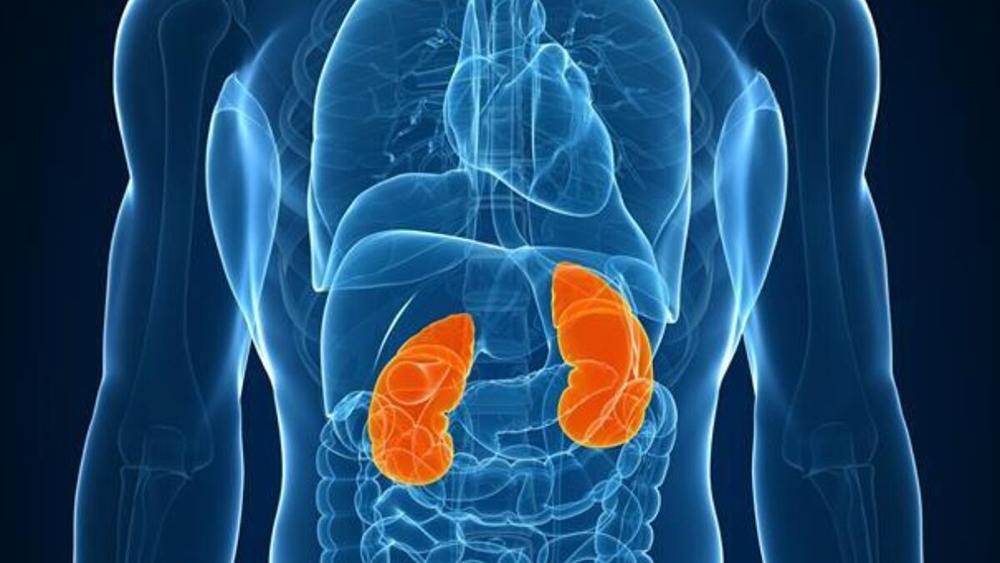
These are mineral deposits that form in the kidneys (the organs that filter blood to produce urine). They can cause excruciating pain, but generally do not cause physical damage to the body.

Causes and risk factors

Kidney stones develop when minerals and salts in the blood combine and crystallize. There are many different types of stones that can form from various substances.
Certain factors can increase the risk of kidney stones. The risk is higher if you consume a lot of salt, sugar, or protein, and if you don’t drink enough water. The risk is also greater if you have a personal or family history of kidney stones, are obese, or have certain medical conditions and comorbidities.

Symptoms

It is possible to have kidney stones and not experience any symptoms.
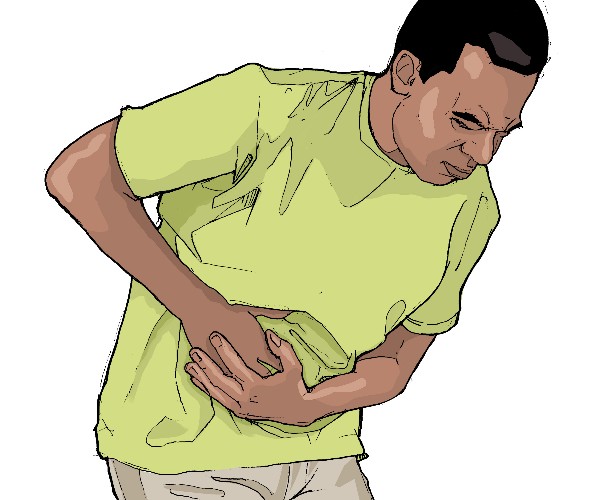
Some small stones may pass through the urinary flow unnoticed, but if a large stone breaks off from the kidney and gets stuck in the urinary tract, the pain can become intense and unbearable, resulting in sharp pain in the side and back, which then spreads to the abdomen and groin.
The pain may come in waves, while there is a frequent urge to urinate, which is often difficult and painful. The urine may appear cloudy or contain blood, and may have a bad odor. Fever and chills may also occur.

Treatment

Treatment options depend on the individual’s needs. Medications for pain management and drinking plenty of water can help facilitate the passage of the stone through the urinary tract.
A medication that helps relax the body may also be beneficial to assist in the expulsion of the stone.
If there are further difficulties, the stone may be broken into smaller pieces using a technique called shockwave lithotripsy, where sound waves are directed at the stone to break it up.
In some cases, the blocked stone may need to be surgically removed or extracted with a catheter inserted through the urethra. The doctor can create a care plan tailored to the patient’s needs.


Overview

These are mineral deposits. They form in yourkidneys (the organs that filter your blood to produceurine). They can cause excruciating pain, buttypically they don’t cause physical harm to yourbody.

Causes and Risk Factors

Kidney stones develop when minerals and saltsfrom your blood stick together and crystallize. Thereare many different types of stones, and they canform from different substances. Certain factors canincrease your risk for kidney stones. Your risk ishigher if you eat a lot of salt, sugar or protein, and ifyou don’t drink enough water. You have a higherrisk if you have a personal or a family history ofkidney stones. You have a higher risk if you areobese. And, certain diseases and medicalconditions can increase your risk.

Symptoms

You can have stones in your kidneys and not haveany symptoms. Small stones can pass out of yourbody through your urine stream without younoticing. But when a large stone leaves your kidneyand gets stuck in your urinary tract, it can causesevere pain. You may feel sharp pain in your sideand back. This can spread to your abdomen andgroin. The pain may come in waves. You may feel afrequent urge to urinate, and urinating may bepainful and difficult. Your urine may be bloody orcloudy. It may smell bad. You may develop a feverand chills.

Treatment

Treatment options depend on your needs. You maybenefit from medications to control your pain, andby drinking lots of water to help pass the stone fromyour body. You may benefit from a medication thathelps your body relax to pass the stone. If thesearen’t helpful, your stone can be broken into smallerpieces with a treatment that bombards the stonewith sound waves that are passed through yourbody. A stone that is stuck may need to beremoved surgically or with a scope inserted throughyour urethra. Your healthcare provider can create acare plan that is right for your needs.

FEATURED SPECIALISTS

  • Profile picture of Dott.ssa Izabella Sylwia Bartosiewicz
    active 5 years, 8 months ago

    Basic Doctors, Rheumatologists

    phone
  • Profile picture of Dott.ssa Irene Pistis
    active 5 years, 8 months ago

    Aesthetic Doctors, Basic Doctors, Certifying Doctor

    • Via della Reoubblica 461/3 - Vergato
    phone
  • Profile picture of Dr. Roberto Zaffaroni
    active 5 years, 8 months ago

    Basic Doctors, Therapist

    • Via San Francesco D' Assisi 5 - Varese
    phone
  • Profile picture of Dott.ssa Maria Grazia Caruana
    active 5 years, 8 months ago

    Aesthetic Doctors, Basic Doctors

    • Viale Prassilla 41 - Roma
    phone
  • Profile picture of Dr. Giuseppe Panico
    active 5 years, 8 months ago

    Dermatologists, Basic Doctors

    • Viale Prassilla 41 - Roma
    phone

RELATED PATHOLOGIES

Renal calculosis

Kidney stones is a widespread disease in industrialized countries, including Italy, especially among adult men, who are affected about twice as often as women. Kidney stones are solid structures of

Benign prostatic hypertrophy

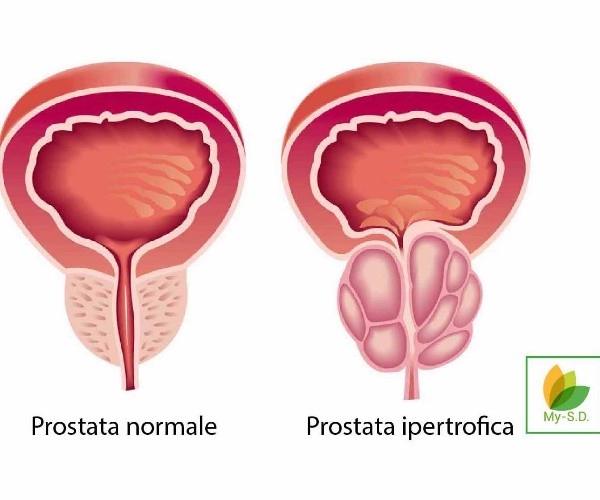
The prostate is a chestnut-shaped gland, several centimeters in diameter, found only in men; it is located in front of the rectum, below the bladder, and surrounds the first part

Anorgasmia

Anorgasmia is the syndrome by which we refer to the difficulty in having orgasms even after normal sexual stimulation. The intensity and frequency of orgasms in women are variables that

Varicocele

Varicocele is a venous malformation that results from loss of tone and elasticity of the veins that collect blood from the testis and carry it upward into the large venous

Endometriosis

Endometriosis is a condition characterized by intense menstrual pain that goes beyond the common discomforts associated with flow. This is a very common condition among women of childbearing age that

Hemorrhoids

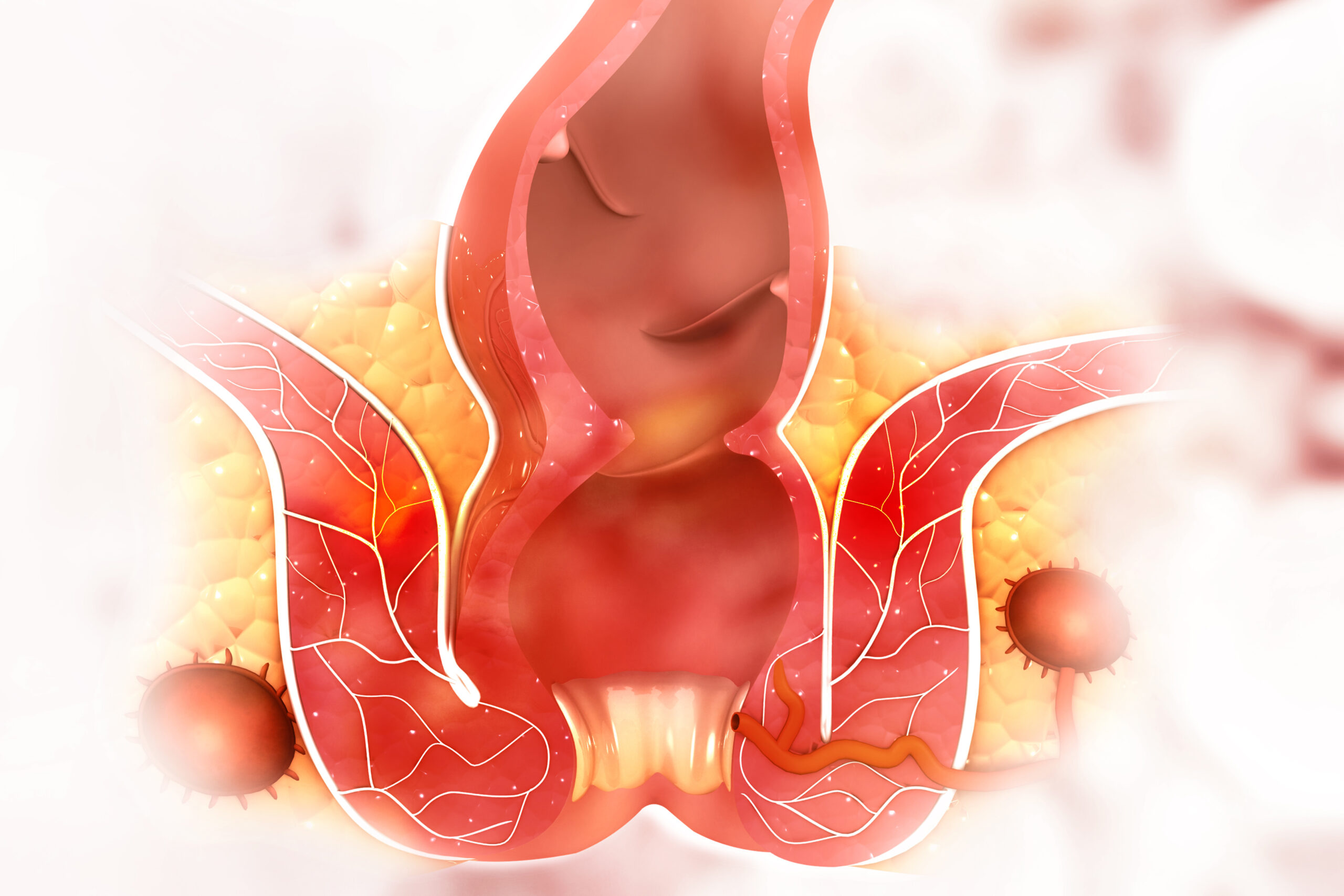
Hemorrhoids are vascular structures of the anus and lower rectum that serve to maintain fecal continence. If they become swollen or inflamed, they become pathological and cause a syndrome known

Breast cancer

Breast cancer is the most common malignancy in the female population everywhere, albeit with different prevalence depending on geographic area, ethnicity, and lifestyle habits, and accounts for about 30% of

Polycystic ovary syndrome

Polycystic ovary syndrome or PCOS (Polycystic ovary syndrome) is a fairly common hormonal disorder among women of childbearing age, so defined because it is related to the presence at the

Salmonellosis

Salmonella infection or salmonellosis is a bacterial infection that affects theintestines. This bacterium inhabits the intestinal tract of animals andhumans and escapes to the outside with theexpulsion of feces. It


Medically assisted procreation (MAP)

Medically assisted procreation (MAP) encompasses a range of techniques directed at compensating for situations of infertility in couples, which may depend on the man or the woman. Couple infertility is

Dyspareunia

Dyspareunia is defined as persistent genital pain that occurs in women shortly before or during intercourse and sometimes still present after intercourse has ended. Painful intercourse can occur for reasons

Urinary incontinence

Urinary incontinence is a condition related to muscular or neurological deficits at the level of the pelvic floor (consisting of the muscle bundles that close the base of the abdomen),

RELATED ARTICLES

Keratitis: symptoms, causes and treatment

Keratitis is an inflammation of the cornea, that delicate and precious transparent membrane that lines and protects the front of our eye. What is keratitis caused by? Are there individuals

Main types of poisoning: salicylates

The most common type of poisoning is from aspirin, a drug that contains acetylsalicylic acid. Aspirin tablets are very popular among adults intent on poisoning. In the body, salicylates exert

Inflammation of adenoids

Adenoids are made up of lymphatic tissue and are located at the top of the throat, behind and above the tonsils, at the point where the nasal cavities connect right

Sex education : let’s address the issue

Talking about sex? Sure, but with whom? For years, we have witnessed the unfortunate back-and-forth between family and school, with neither taking responsibility for addressing the sensitive topic in depth

Excessive salivation: what to do?

Excessive salivation or hypersalivation may be the result of other problems such as infection, oral mucosal affection, or poisoning, but it may also not result from a previous condition but

Acute hemiplegia in children

Symptoms of acute hemiplegia may be hemianesthesia, hemianopsia and aphasia. The onset of symptoms is sudden and peaks within a few hours. The onset of hemiplegia may be preceded or

Infectious diseases: tetanus

Tetanus is an acute noncontagious infectious disease caused by the bacterium Clostridium tetani. It is a Gram-positive bacillus that grows only in the absence of oxygen (i.e., it is anaerobic),

Kaposi’s disease: what is it?

Kaposi’s sarcoma is a rare type of cancer caused by a virus, called HHV8, belonging to the herpes virus family. It can affect both the skin and internal organs. Approximately

FEATURED SPECIALISTS

  • Profile picture of Dr. Giuseppe Lepore
    active 5 years, 8 months ago

    Dermatologists, Basic Doctors, General Surgeons

    • 19 Via Manzoni Alessandro - Garbagnate Milanese
    phone
  • Profile picture of Dott.ssa OLGA PETROVSKAIA
    active 5 years, 8 months ago

    Pain therapists, Basic Doctors, Therapist

    • Via Giulio Romano 3 - Valle Martella
    phone
  • Profile picture of Dr. Giovanni Arrichiello
    active 5 years, 8 months ago

    Gynecologists, Basic Doctors

    • Corso Regina Margherita 260 - Torino
    phone
  • Profile picture of Dr. Lorenzo Cerreoni
    active 5 years, 8 months ago

    Aesthetic Doctors, Basic Doctors

    • Via Macero Sauli 52 - Forlì
    phone
  • Profile picture of Dr. Domenico D'Angelo
    active 5 years, 8 months ago

    Otolaryngologists, Basic Doctors, Competent Doctor

    • Via Pola 5 - San Prisco
    phone

prenota il tuo viedeoconsulto in convenzione

Completa il form e sarai contatto dal personale medico specializzato

your advertising
exclusively ON
MY SPECIAL DOCTOR

complete the form and you will be contacted by one of our managers