




of

Rosacea: drinking coffee reduces the risk of being affected by it

rosacea

Adding to the long list of scientific insights that have demonstrated health benefits associated with coffee consumption, a new study published in JAMA Dermatology reports that women who regularly drink non-decaffeinated coffee have a reduced likelihood of being affected by rosacea.

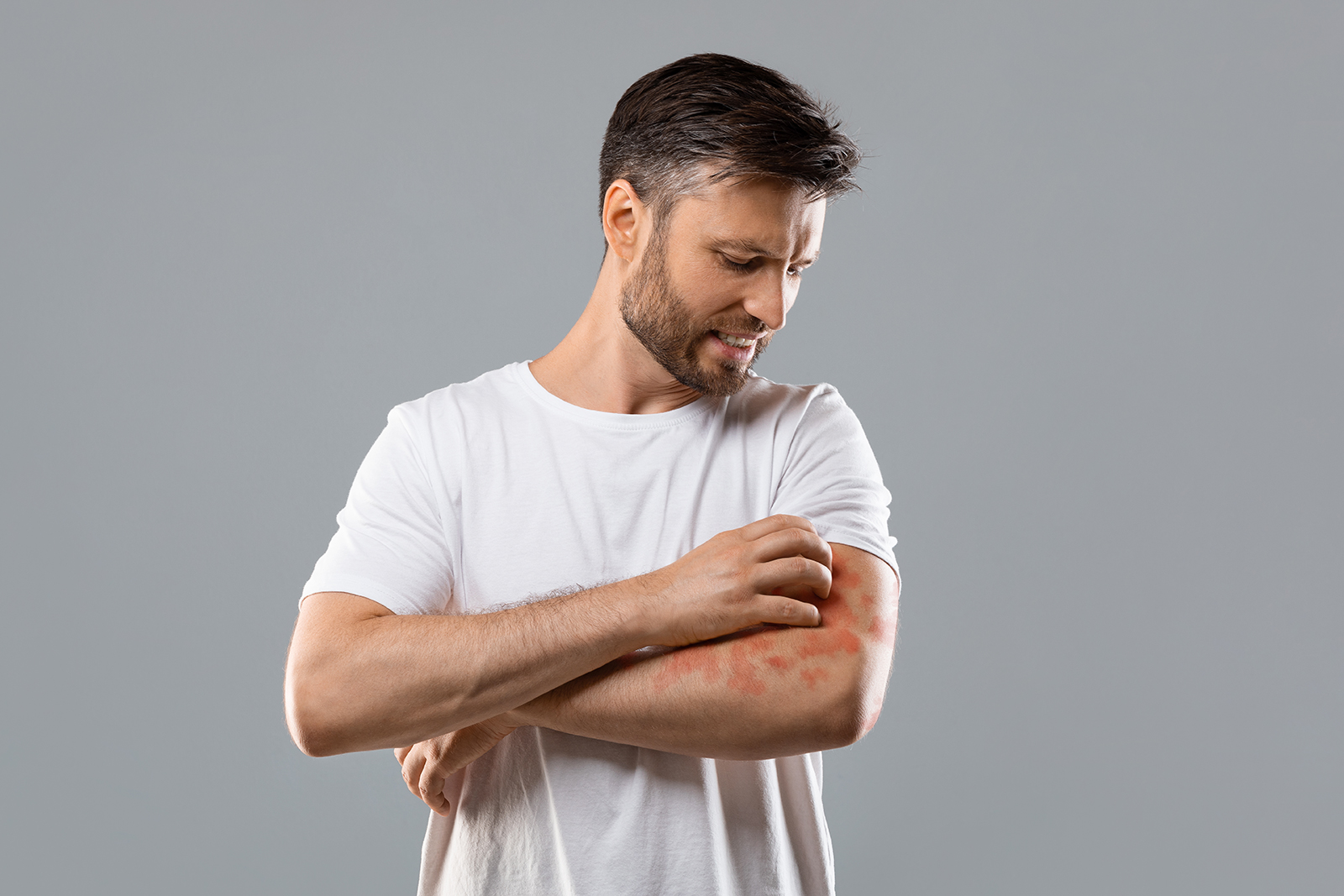
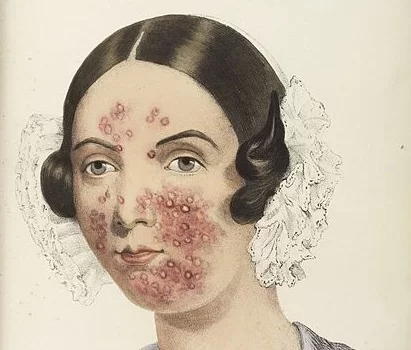
It is a pathological skin disorder, usually affecting the central area of the face and manifested by erythema and inflammatory lesions similar to those produced by acne.

Researchers at Brown University in Providence, Rhode Island, correlated the protective effect with the amount of coffee consumed: those who drink at least four cups a day are 23 percent less likely to contract rosacea than those who do not drink coffee.

The authors of the research, led by Professor of Dermatology and Epidemiology Wen-Qing Li, analyzed data produced by an earlier cohort study that had collected dietary and medical information from tens of thousands of nurses between the 1990s and early 2000s in order to examine risk factors for major diseases.

For their statistical analysis, Li and his colleagues included information on caffeine intake reported by each subject, collected between 1991 and the final follow-up in June 2005. To reduce the risk of confounding factors as much as possible, the team adjusted the calculations to account for the influence of smoking, alcohol intake, body mass index, and physical activity level, all of which have been linked to the onset of rosacea.

It was thus shown that the
caffeine
contained in other beverages or chocolate is not associated with a reduction in rosacea, as well as the decaffeinated coffee. Therefore, the authors speculate that only the unique combination of caffeine and other bioactive compounds found in coffee can counteract rosacea symptoms through vasoconstrictive and anti-inflammatory mechanisms, although this will need to be confirmed by future research.

Li S et al. Association of Caffeine Intake and Caffeinated Coffee Consumption With Risk of Incident Rosacea In Women. JAMA Dermatol. 2018 Oct 17.

FEATURED SPECIALISTS

  • Profile picture of Dott. Cristiano Crisafulli
    active 5 years, 8 months ago

    Diabetologist, Basic Doctors, Internist

    • Via Vittorio Emanuele II 181 - Acireale
    phone
  • Profile picture of Dott. Flavio Della Croce
    active 5 years, 8 months ago

    Psychotherapists, Basic Doctors

    • Via Sacconi 1 - Borgonovo Val Tidone
    phone
  • Profile picture of Dr. Squillante Gianni Erminio
    active 5 years, 8 months ago

    Acupuncturists, Homeopathic Medicine, Basic Doctors

    • Via Monterotondo 14 - Roma
    phone
  • Profile picture of Dr. Tiziana Volpe
    active 5 years, 8 months ago

    Gynecologists, Basic Doctors, Professional Counselor

    • Piazzale Jonio 50 - Roma
    phone
  • Profile picture of Dr. Virgilio De Bono
    active 5 years, 8 months ago

    Aesthetic Doctors, Basic Doctors, Dermatologists

    • Via Ripense 4 - Roma
    phone

RELATED ARTICLES

Nutrition in developmental age

During the first few years of life, the pediatrician is responsible for monitoring the child‘s nutrition . For 6- to 12-year-olds, proper nutrition is very important to ensure normal growth.

Hepatitis B: causes and treatment

Hepatitis B is a highly contagious disease caused by the virus of the same name, also known as HBV, which is transmitted through blood or through bodily fluids (semen, vaginal

Chronic renal failure and nutrition

When we talk about chronic renal failure , we refer to the progressive decline in glomerular function, with reduced filtering capacity of the kidney. The diseases that promote the occurrence

Functional gastrointestinal disorders

Medicine, accustomed as it is to conventions and classifications, distinguishes diseases into organic and functional. The former are those associated with actual damage: this is the case, for example, with

Risk factors, complications and prevention of salmonellosis

Normally, salmonella infection does not pose a life-threatening risk for healthy adults, but it can pose a life-threatening risk for those categories of patients such as infants or young children, elderly or transplant patients, pregnant women, or in patients undergoing surgery.

RELATED PATHOLOGIES

Angioma

Angiomas, also called “hemangiomas,” are benign vascular malformations involving arterial or venous capillaries and can affect anywhere on the body, but they tend to appear most often on the skin

Allergic rhinitis

Allergic rhinitis is aninflammation of the mucosa lining the inner cavities of the nose (nasal mucosa).

Cellulite

Cellulite is an inflammatory-based alteration of the fat-rich subcutaneous tissue(panniculus adiposus), triggered by fluid stagnation due to poor venous and lymphatic circulation (lymph is a fluid that flows in channels

Herpes simplex

Herpes simplex is a disorder of an infectious nature caused by the virus of the same name (Herpes simplex virus – HSV type 1 or 2) and characterized by the

Hemorrhoids

Hemorrhoids are vascular structures of the anus and lower rectum that serve to maintain fecal continence. If they become swollen or inflamed, they become pathological and cause a syndrome known

Mycosis

Cutaneous mycoses are a fairly large and diverse group of dermatologic conditions determined by the colonization of the epidermis by microorganisms such as Malassezia furur (responsible for pityriasis versicolor), dermatophyte

Bullous epidermolysis

Epidermolysis bullosa (EB) corresponds to a group of rare and disabling genetic diseases characterized by the appearance of blisters and lesions on the skin and in the inner mucous membranes,

Food allergies and intolerances

Physical reactions to certain foods are common, but for the most part they are caused by afood intolerance rather than a food allergy. A food intolerance can cause some of

Kaposi’s disease

Kaposi’s disease or syndrome is an infrequent multifocal malignant neoplastic form involving mainly the skin, viscera, and mucous membranes. Epidemic Kaposi’s disease (AIDS-related). Iatrogenic Kaposi’s disease: immunosuppressive drugs are responsible.

Melanoma

1/6 – Melanoma Melanoma is a malignant tumor that originates from melanocytes, cells that contain the pigment, called melanin, responsible for skin coloration. It can develop in the skin all

FEATURED SPECIALISTS

  • Profile picture of Dott.ssa Floriana Di Martino
    active 5 years, 8 months ago

    Aesthetic Doctors, Basic Doctors

    • Piazza della Rinascita 13 - Pescara
    phone
  • Profile picture of Dr. Roberto Zaffaroni
    active 5 years, 8 months ago

    Basic Doctors, Therapist

    • Via San Francesco D' Assisi 5 - Varese
    phone
  • Profile picture of Dott. Cristiano Crisafulli
    active 5 years, 8 months ago

    Diabetologist, Basic Doctors, Internist

    • Via Vittorio Emanuele II 181 - Acireale
    phone
  • Profile picture of Dr. Squillante Gianni Erminio
    active 5 years, 8 months ago

    Acupuncturists, Homeopathic Medicine, Basic Doctors

    • Via Monterotondo 14 - Roma
    phone
  • Profile picture of Dr. Fabio Fabi
    active 5 years, 8 months ago

    Sports Doctors, Internist, Basic Doctors

    • Via Sarsina 147 - Roma
    phone

prenota il tuo viedeoconsulto in convenzione

Completa il form e sarai contatto dal personale medico specializzato

your advertising
exclusively ON
MY SPECIAL DOCTOR

complete the form and you will be contacted by one of our managers