



of

Fruits, vegetables and vitamin D: perfect tan and well-being

ABBRONZATURA1400X600

Every year, you know, before summer even arrives you try to get to the beach with a perfect tan. Lamps, special oils and creams are used, all to achieve the much-desired amber color that gives our skin an exotic and fascinating touch. However, not many people know that in order to achieve the tan we have always dreamed of, whatwe eat is crucial. Some foods in fact promote the production of
melanin
, the substance responsible for making our skin tan. In addition to giving our skin a much sought-after coloration, the sun is also essential for the synthesis of vitamin D, a very important element for the well-being of our body.

Recommended foods

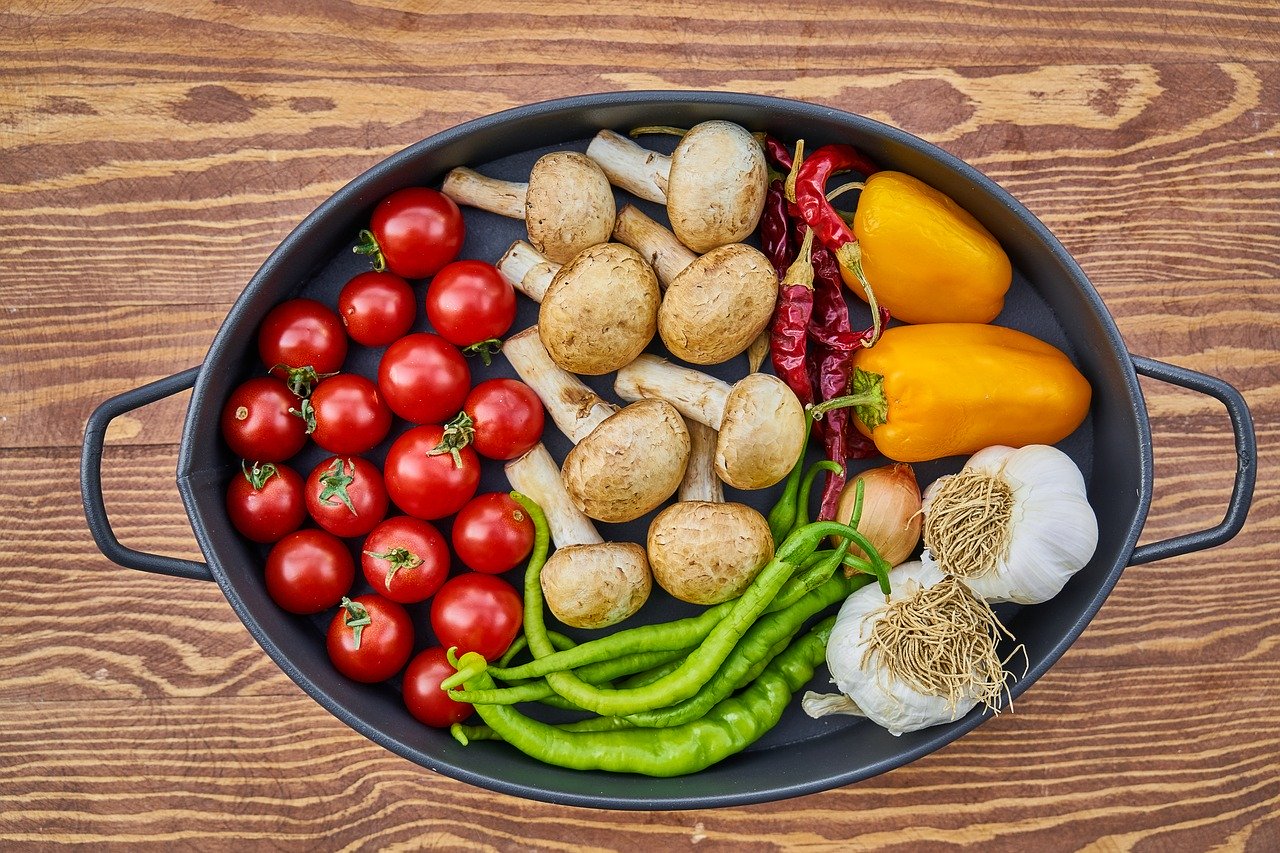
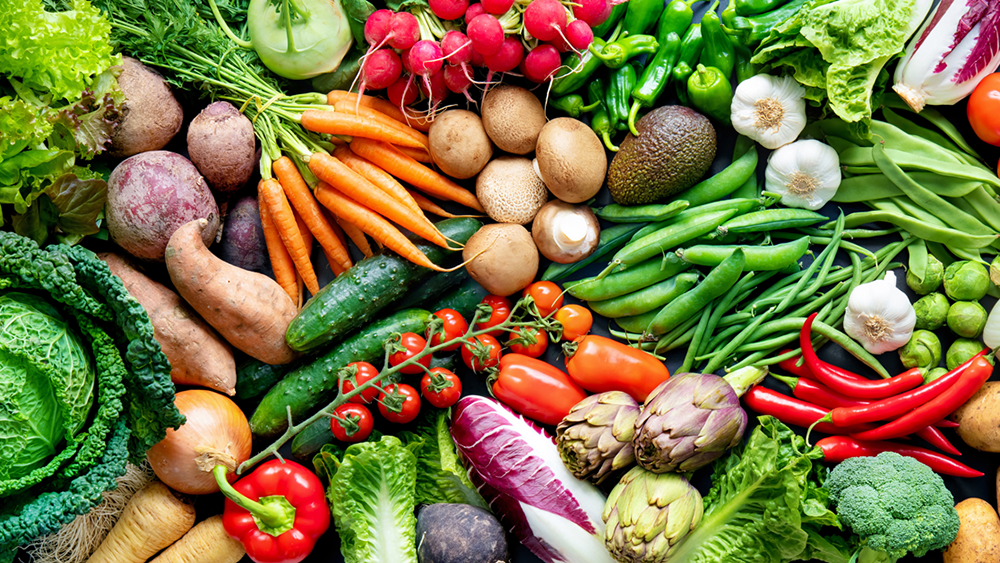
Of all the foods that promote melanin production, first among them are definitely carrots, the “tan queens.” In fact, carrots are rich in vitamin A, which is responsible for activating melanin. Suffice it to say that in just 100 grams of carrot pulp there are 1,200 micrograms of vitamin A, more than twice the amount found in any other food. Spinach, radicchio and apricots follow in the next places in the ranking. Other fruits that promote tanning include melons, peaches, watermelons and cherries. While instead among vegetables, lettuce, celery peppers and tomatoes are the most suitable. Most of these foods, distinguished by their red/orange color, contain beta-carotene, a precursor to vitamin A.

The benefits of the sun

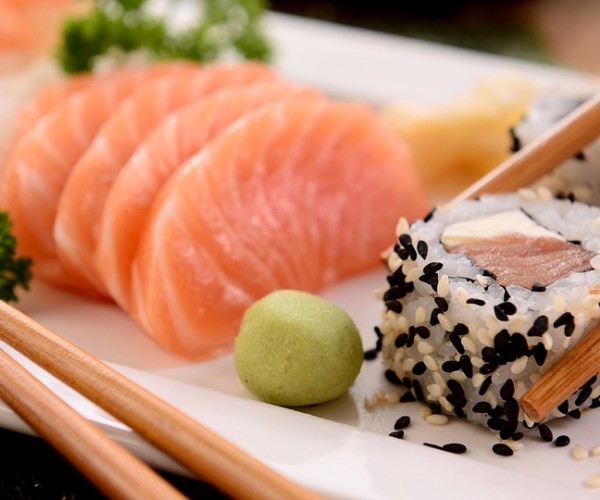
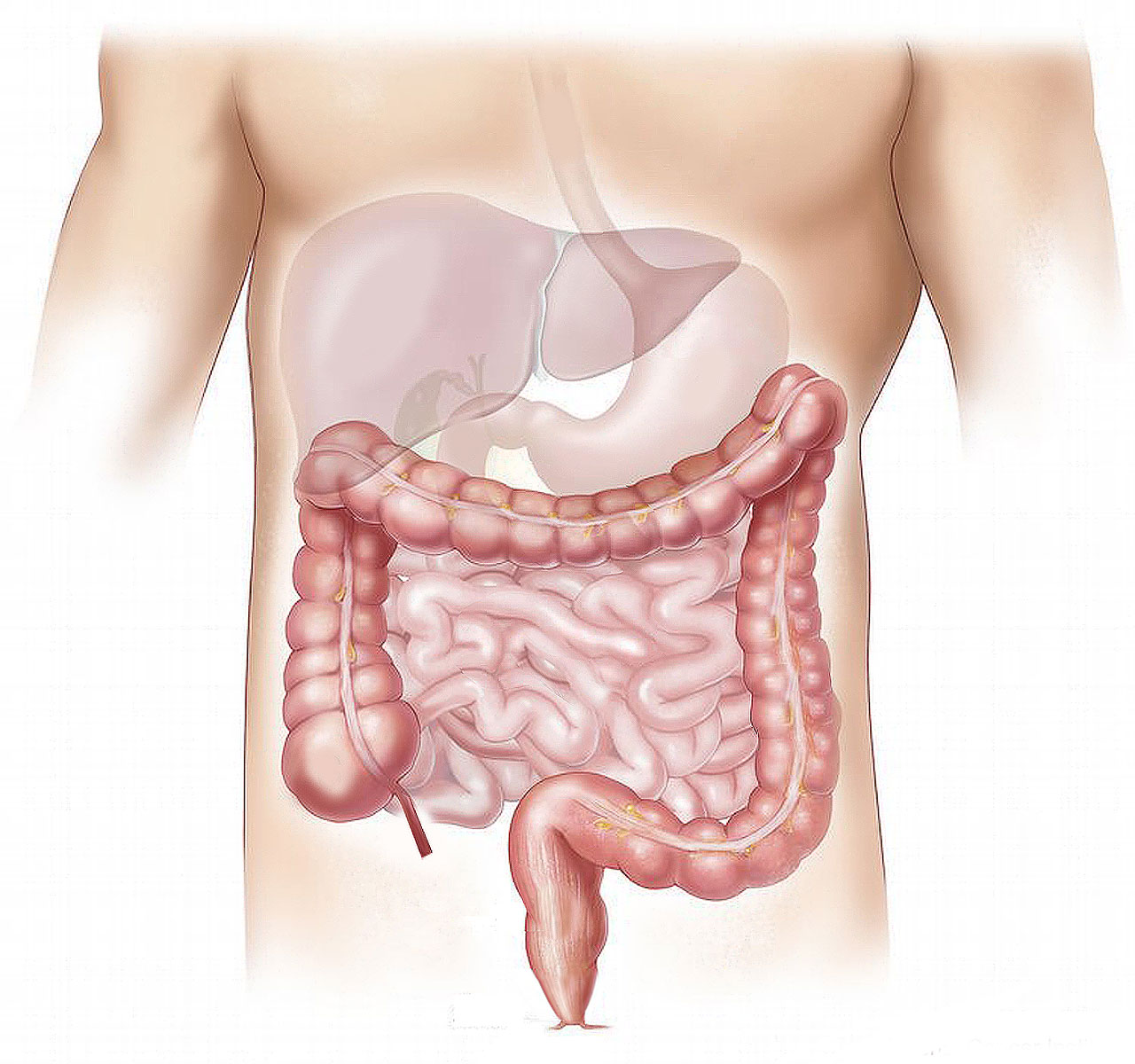
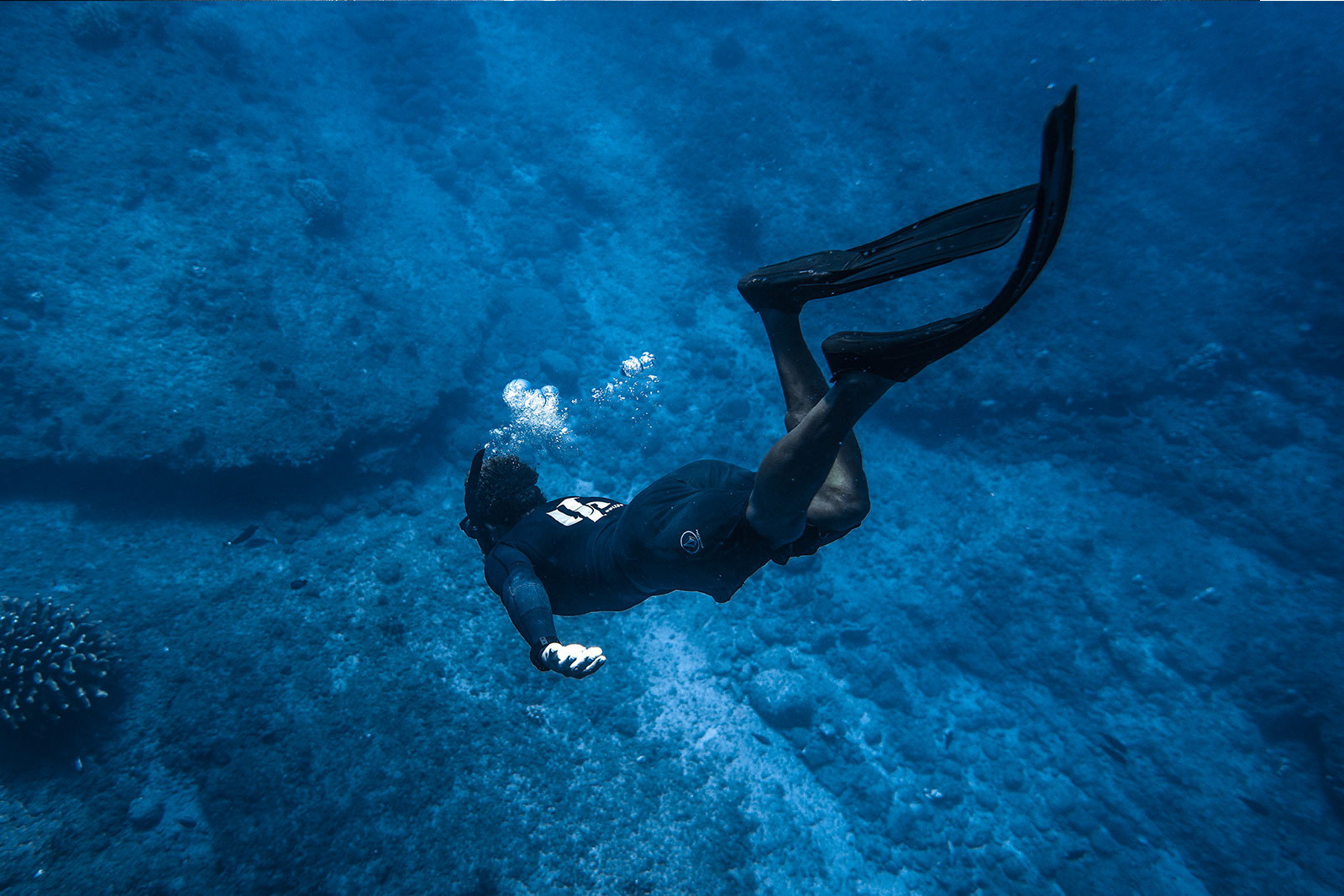
In addition to tanning, the sun turns out to be really very important for the production of vitamin D, an essential substance for our bodies. It is in fact synthesized as a result of exposure to the sun’s rays, and is a valuable ally for the well-being of young and old alike. First of all, vitamin D prevents rickets as it strengthens bone structure, improves the immune system making it more effective, prevents diabetes, and seems to have a positive impact on neurodegenerative diseases (such as Parkinson’s and Alzheimer”s). In addition, the relationship between vitamin D and cancer is being investigated. Indeed, it would appear that vitamin D has a preventive and counterproductive function for colon cancer. For these reasons, it is warmly recommended to take vitamin D, especially in the winter months where exposure to the sun is certainly less than in the summer months, either through physician-suggested supplements or through diet. In fact, it is possible to find vitamin D in milk, salmon, tuna, eggs and cheese.

The real source of vitamin D, however, as already mentioned, is the sun, which is therefore useful not only in achieving the tan we have always wanted (thanks in part to the help of the foods mentioned above) but also in promoting the synthesis of this valuable substance that is indispensable for our health.

FEATURED SPECIALISTS

  • Profile picture of Dott.ssa Anna Puccio
    active 5 years, 8 months ago

    Gynecologists, Basic Doctors

    • Via Vincenzo Ponsati 69 - Volvera
    phone
  • Profile picture of Dr. Antonio Varriale
    active 5 years, 8 months ago

    Aesthetic Doctors, Dentists, Basic Doctors

    • Via Grotta dell Olmo 20 - Giugliano in Campania
    phone
  • Profile picture of Dr. Virgilio De Bono
    active 5 years, 8 months ago

    Aesthetic Doctors, Basic Doctors, Dermatologists

    • Via Ripense 4 - Roma
    phone
  • Profile picture of Dr. Squillante Gianni Erminio
    active 5 years, 8 months ago

    Acupuncturists, Homeopathic Medicine, Basic Doctors

    • Via Monterotondo 14 - Roma
    phone
  • Profile picture of Dr. Giovanni Arrichiello
    active 5 years, 8 months ago

    Gynecologists, Basic Doctors

    • Corso Regina Margherita 260 - Torino
    phone

RELATED ARTICLES

What to eat while breastfeeding

A woman breastfeeding her baby needs energy requirements corresponding to the milk produced. A weight loss of 0.5 kg per month in the six months following delivery is taken into

Cow’s milk protein allergy

This is an adverse reaction to milk protein in hypersensitive individuals. If no imunological mechanism is recognized, it will be called intolerance. Milk intake should be stopped immediately and objective

Food investigations

Assessment of an individual’s energy and nutrient intake plays a very important role in evaluating the state of nutrition. Taking food is considered a form of “behavior,” which can sometimes

Drinking cranberry

So many cocktails imported from the United States contain cranberry juice. The alcohol content is variable, depending on the ingredients each bartender offers. Classic cocktail standards are those approved by

RELATED PATHOLOGIES

Milky crust

Milk scab, technically referred to as “neonatal seborrheic dermatitis” or pityriasis capitis, is a transient and essentially harmless dermatologic disorder that affects the scalp of many infants and infants.

Suppurative hydrosadenitis

Hydrosadenitis suppurativa (HS, Hidradenitis Suppurativa), also called acne inversa or Verneuil’s disease, is a chronic inflammatory disease of the skin characterized by the appearance of subcutaneous nodules (cysts), single or

Melanoma

1/6 – Melanoma Melanoma is a malignant tumor that originates from melanocytes, cells that contain the pigment, called melanin, responsible for skin coloration. It can develop in the skin all

Furunculosis

Furunculosis is a dermatitis characterized by the presence of clusters of furuncles that tend to develop on the neck, buttocks, face and arms. It is generally due to skin infection

Chickenpox

Chickenpox to date remains the most prevalent vaccine-preventable disease in our country. It is transmitted airborne, person-to-person, through Pflugge droplets or by direct contact with skin lesions of patients with

Acne

The term acne is derived from the Greek word acmé or acné, meaning foam or summit, and denotes a skin disease that is widespread in the young population, characterized by

Herpes simplex

Herpes simplex is a disorder of an infectious nature caused by the virus of the same name (Herpes simplex virus – HSV type 1 or 2) and characterized by the

Allergic rhinitis

Allergic rhinitis is aninflammation of the mucosa lining the inner cavities of the nose (nasal mucosa).

Bullous epidermolysis

Epidermolysis bullosa (EB) corresponds to a group of rare and disabling genetic diseases characterized by the appearance of blisters and lesions on the skin and in the inner mucous membranes,

Food allergies and intolerances

Physical reactions to certain foods are common, but for the most part they are caused by afood intolerance rather than a food allergy. A food intolerance can cause some of

FEATURED SPECIALISTS

  • Profile picture of Dr. Sergio Ettore Salteri
    active 5 years, 8 months ago

    Basic Doctors, Chiropractors, Posturologists

    • Via Vial di Romans 8 - Cordenons
    phone
  • Profile picture of Dott.ssa Anna Puccio
    active 5 years, 8 months ago

    Gynecologists, Basic Doctors

    • Via Vincenzo Ponsati 69 - Volvera
    phone
  • Profile picture of Dr. Domenico D'Angelo
    active 5 years, 8 months ago

    Otolaryngologists, Basic Doctors, Competent Doctor

    • Via Pola 5 - San Prisco
    phone
  • Profile picture of Dott. Cristiano Crisafulli
    active 5 years, 8 months ago

    Diabetologist, Basic Doctors, Internist

    • Via Vittorio Emanuele II 181 - Acireale
    phone
  • Profile picture of Dott. Domenico Napolitano
    active 5 years, 8 months ago

    Gynecologists, Basic Doctors, Aesthetic Doctors

    • Viale Orazio Flacco 5 - Bari
    phone

prenota il tuo viedeoconsulto in convenzione

Completa il form e sarai contatto dal personale medico specializzato

your advertising
exclusively ON
MY SPECIAL DOCTOR

complete the form and you will be contacted by one of our managers