


of

Can glaucoma be prevented?

Nervo-ottico-e1603791269212

The most significant prevention of glaucoma lies in having an eye examination at the onset of the first complaints or specific symptoms of eye disease.
It is a good idea to have the eyes checked by an ophthalmic specialist even at long intervals of time (5-7-10 years) and even though no particular visual disturbances are experienced, so that any changes in the physiological functions of the eyes can be prevented in time.

If you then have disorders related to the quality of vision, the eyeball, the cornea or in general perception of the outside world then prevention will be more effective if you also undergo checkups annually or or every two years, also taking into account the age group you are in.
These periodic checkups are able to detect glaucoma in its early stages , which in the logic of treatment represent the best chance to prevent a progressive depletion of vision, or at least its slowing down, preventing the disease from leading those affected to blindness.

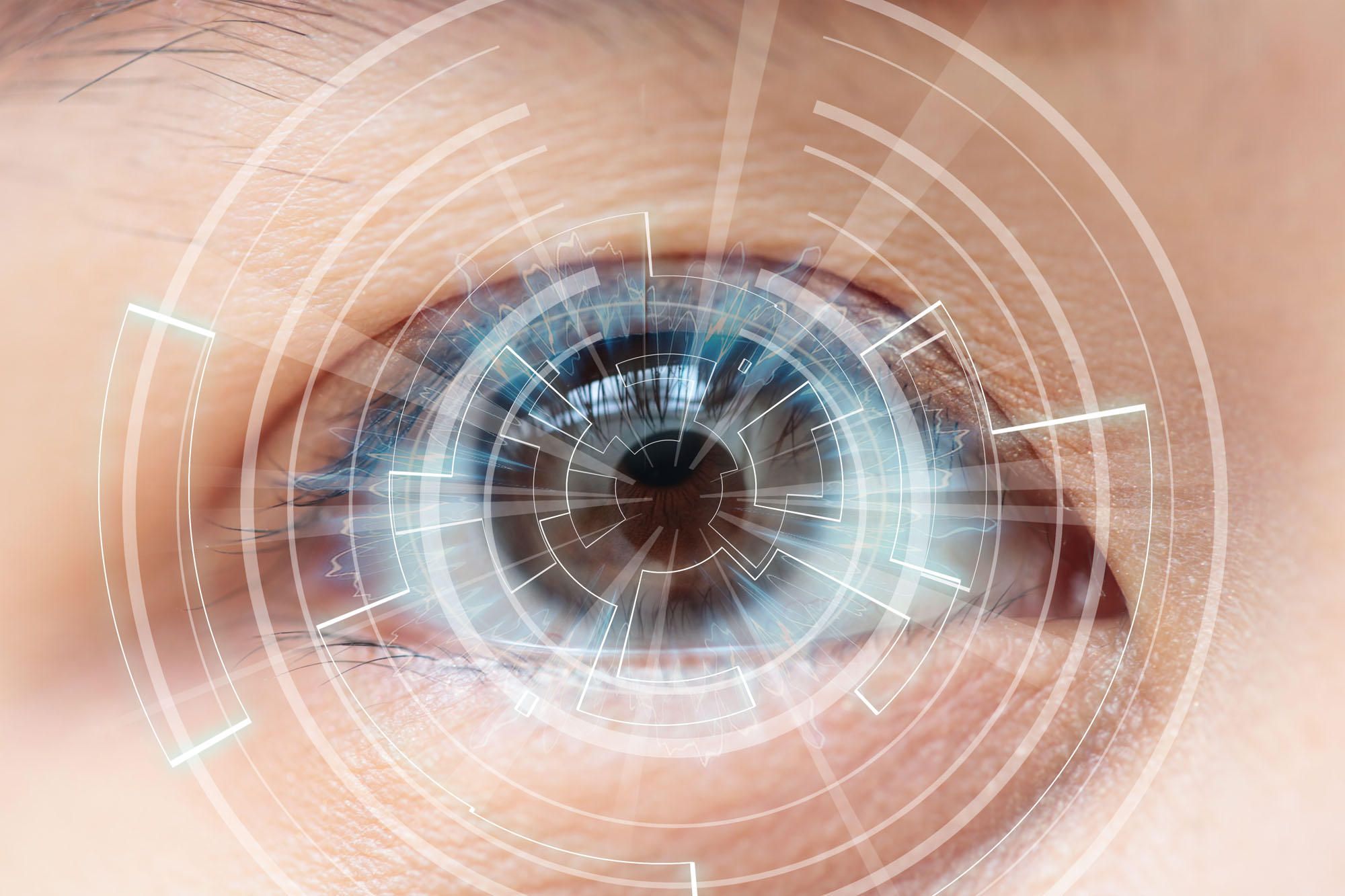
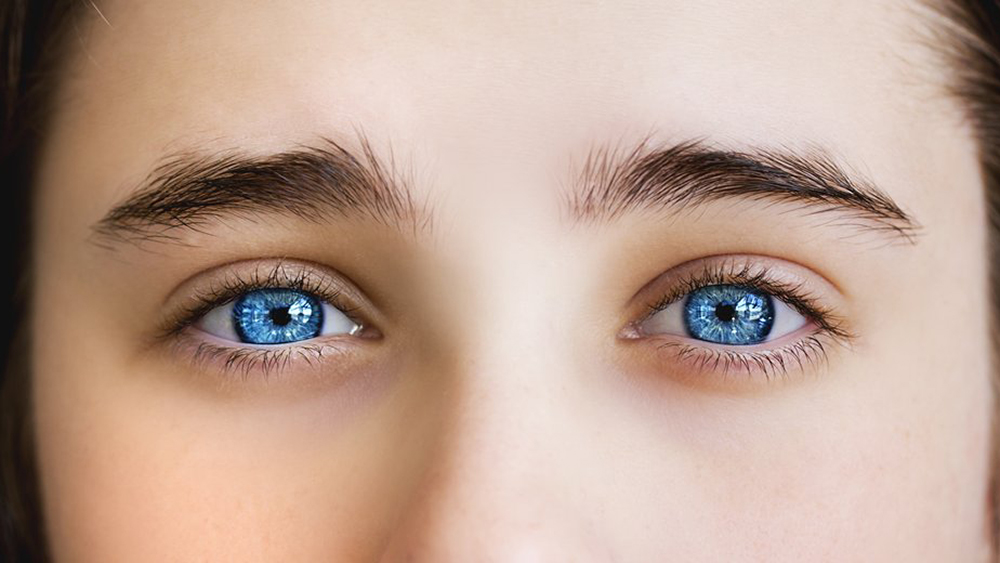
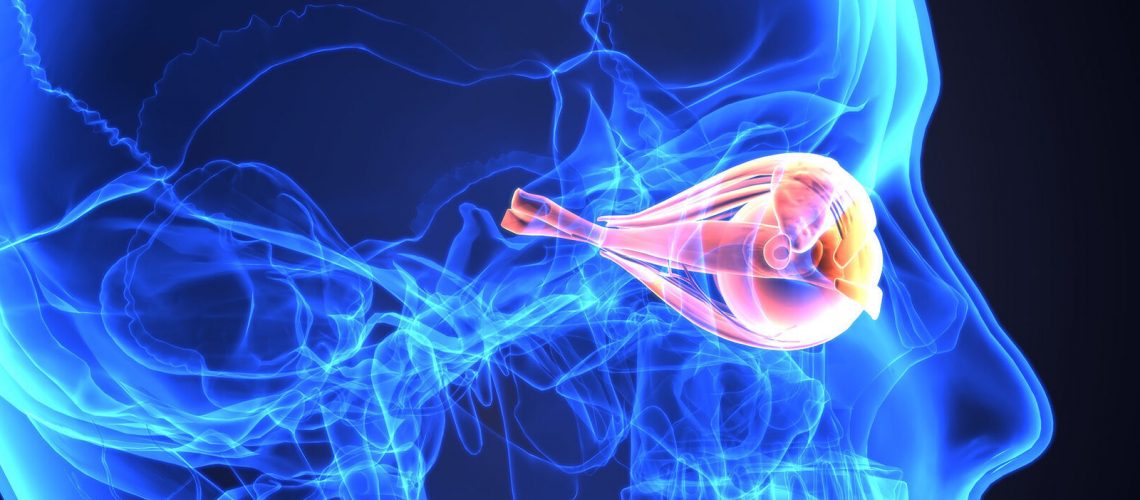
Glaucoma, by the effect of intraocular pressure gradually damages the optic nerve, wearing down its fiber.

If there is a history of the disease in one’s family then constant periodic monitoring and especially drug treatment that will safely counteract the advance of the disease is advisable.
Still referring to what their ophthalmologist recommends as actions aimed at containing or slowing down the effects of the disease, under detailed instructions the glaucoma sufferer can practice some eye exercises aimed at strengthening the movement of the eye and also its functions.

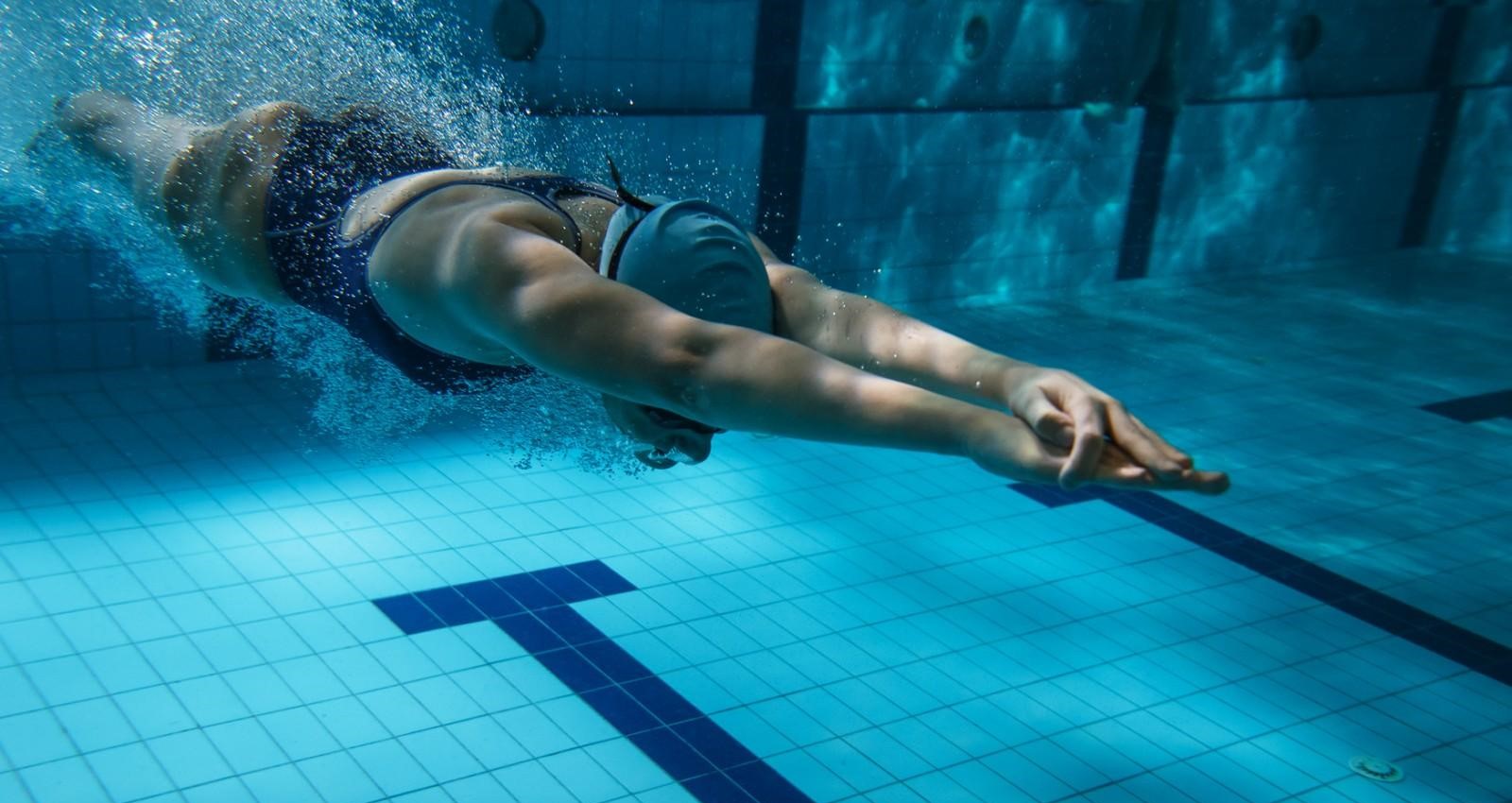
Moderate physical activity such as walking or swimming can also contribute to an overall improvement in circulation and a reduction in intraocular pressure, but avoid exercises that require the head to be lowered relative to the body (such as some yoga positions), which can bring more blood to the head.

Once the specialist has prescribed the patient an appropriate glaucoma drug therapy, often based on eye drops aimed at decreasing the pressure within the eye and thus protecting the optic nerve structure, it is important that under no circumstances should therapy be discontinued, even when no specific symptoms are experienced.
Continuity and regularity of therapy can ensure protection for the optic nerve and good management of the disease.

It is advisable to avoid exposing one’s eyes to the risk of injuries both such as those caused by light and exposure to the sun Wearing protective eyewear, and also from possible sports injuries, which could further damage the visual apparatus.

FEATURED SPECIALISTS

  • Profile picture of Dott. Cristiano Crisafulli
    active 5 years, 7 months ago

    Diabetologist, Basic Doctors, Internist

    • Via Vittorio Emanuele II 181 - Acireale
    phone
  • Profile picture of Dott. Gianlorenzo Casani
    active 5 years, 7 months ago

    Geriatrics, Certifying Doctor, Basic Doctors

    • Via Costantino Baroni 71/73 - Milano
    phone
  • Profile picture of Dott.ssa Ilaria Berto
    active 5 years, 7 months ago

    Basic Doctors, Acupuncturists, Aesthetic Doctors

    • Via Antonio Corradini 1 - Este
    phone
  • Profile picture of Dott. Franco Cicerchia
    active 5 years, 7 months ago

    Ophthalmologists, Acupuncturists, Basic Doctors

    • Via Alcide de Gasperi 39 - Palestrina
    phone
  • Profile picture of Dr. Giandomenico Mascheroni
    active 5 years, 7 months ago

    Endocrinologists, Basic Doctors, Certifying Doctor

    • Via Petrarca 53 - Carnago
    phone

RELATED ARTICLES

Bruxism: teeth grinding

Bruxism is a behavior that consists of rubbing associated with clenching of the teeth of the upper two arches on the lower in an involuntary and especially violent manner. This

RELATED PATHOLOGIES

Cataracts

Cataract is an eye condition brought about by opacification of the lens of the eye, the lens that is passed through by light directed to the retina and essential for

Morton’s neuroma

Morton’s neuroma consists of a thickening of the tissue surrounding a nerve tract present in the sole of the foot at the anterior (forefoot) support area, usually at the base

Trigeminal neuralgia

The trigeminal nerve is the fifth of the twelve pairs of cranial nerves in the head; it is the nerve responsible for providing sensation to the face. One trigeminal nerve

Alzheimer’s disease

Alzheimer’s disease is the most common and severe degenerative disease of the brain, characterized by a progressive decline in cognitive functions (in particular, memory and language) associated with aging. It

Shock, medical emergency

It may happen that the circulation of blood through the body undergoes a sudden change giving rise to a condition of physiological shock, with decreased flow and crisis on the

Cerebral aneurysm

A cerebral aneurysm is a vascular malformation that presents as a small spherical protrusion or bulge along the wall of an artery present in the brain. Its presence is risky

Sleep and mood disorders

Sleep disorders and mood disorders are linked by a double thread and articulately affect each other. Decades of studies and clinical-practical experience, both in the field of Sleep Medicine and

Tensive headache

Tension headache is a primary form of headache that is characterized by episodes of widespread pain throughout the head, of mild to moderate intensity, that does not worsen with physical

Restless leg syndrome

Restless legs syndrome is a chronic disorder characterized by the onset of a feeling of general leg discomfort, which occurs when the legs are kept still even for short periods

Bruxism

Bruxism is a condition in which you grind your teeth: it can happen, unconsciously, in a waking state or, more often, during sleep. People who clench or grind their teeth

FEATURED SPECIALISTS

  • Profile picture of Dr. Monica Gamba
    active 5 years, 7 months ago

    Aesthetic Doctors, Plastic Surgeons, Basic Doctors

    • Viale Radich 21/N - Grugliasco
    phone
  • Profile picture of Dott.ssa Carmela Tizziani
    active 5 years, 7 months ago

    Coroner, Certifying Doctor, Basic Doctors

    • Via Gaetano Bruno 25 - Napoli
    phone
  • Profile picture of Dott. Cristiano Crisafulli
    active 5 years, 7 months ago

    Diabetologist, Basic Doctors, Internist

    • Via Vittorio Emanuele II 181 - Acireale
    phone
  • Profile picture of Dott.ssa Ilaria Berto
    active 5 years, 7 months ago

    Basic Doctors, Acupuncturists, Aesthetic Doctors

    • Via Antonio Corradini 1 - Este
    phone
  • Profile picture of Dott. Gianlorenzo Casani
    active 5 years, 7 months ago

    Geriatrics, Certifying Doctor, Basic Doctors

    • Via Costantino Baroni 71/73 - Milano
    phone

prenota il tuo viedeoconsulto in convenzione

Completa il form e sarai contatto dal personale medico specializzato

your advertising
exclusively ON
MY SPECIAL DOCTOR

complete the form and you will be contacted by one of our managers