

of

Spontaneous chronic urticaria

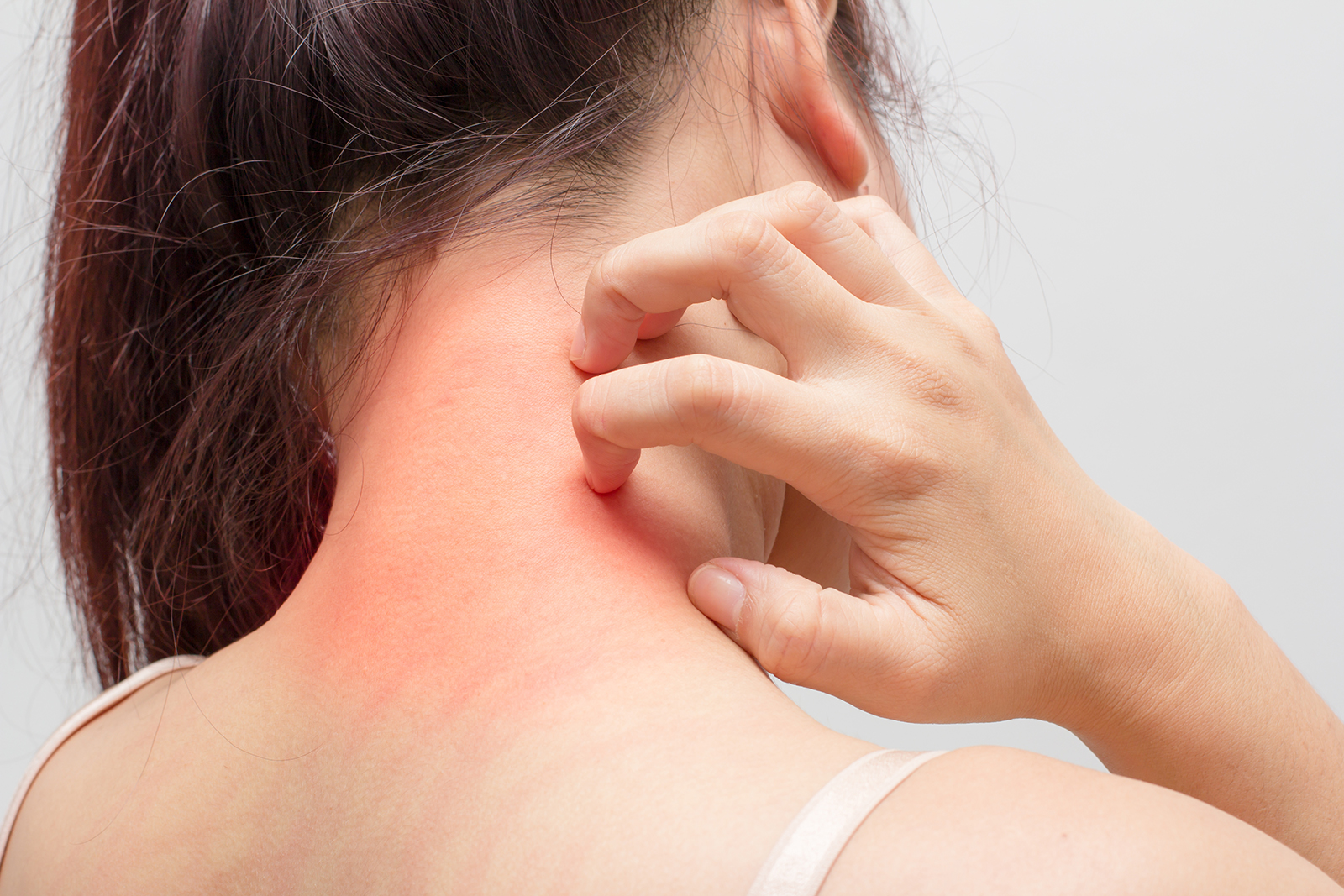
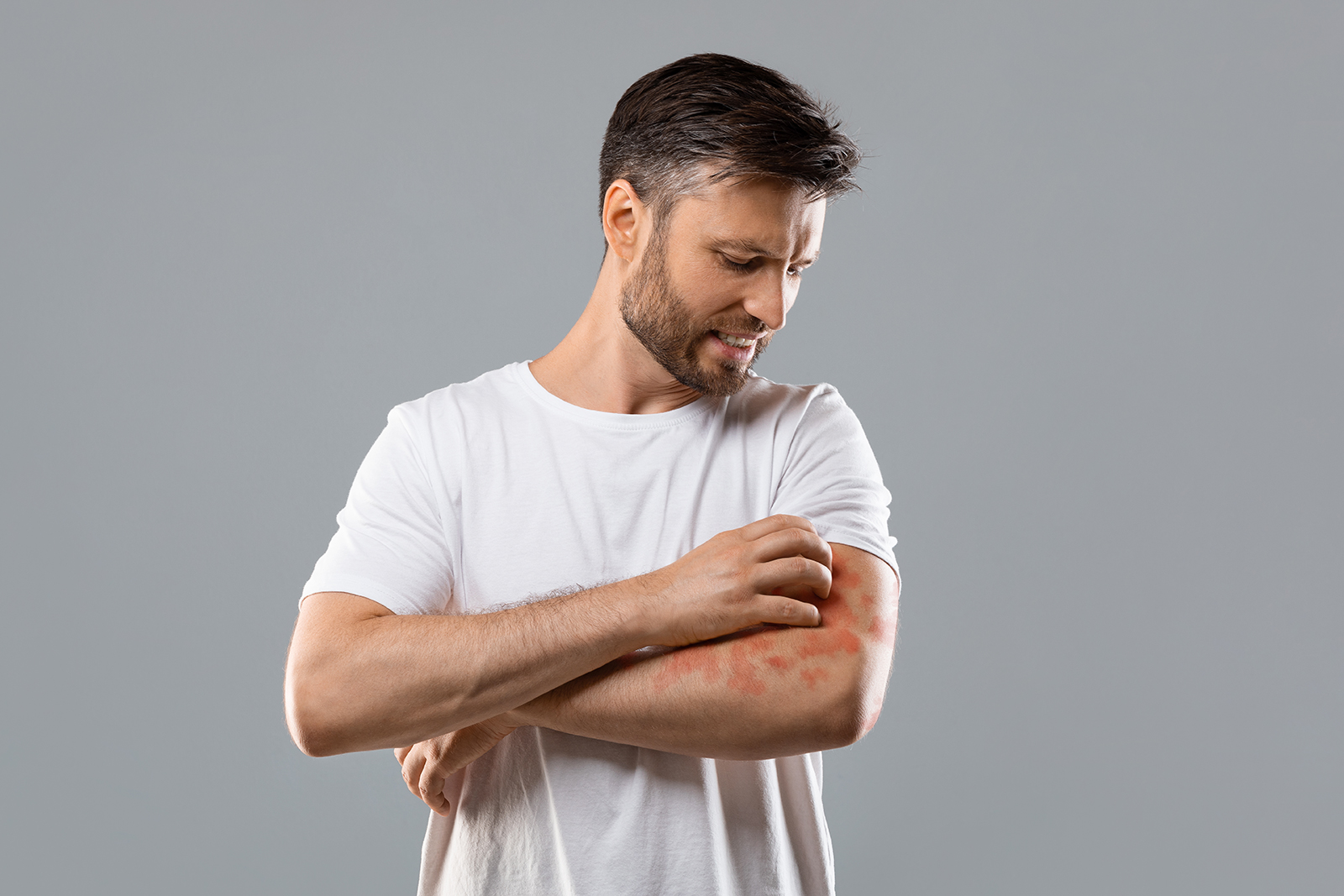
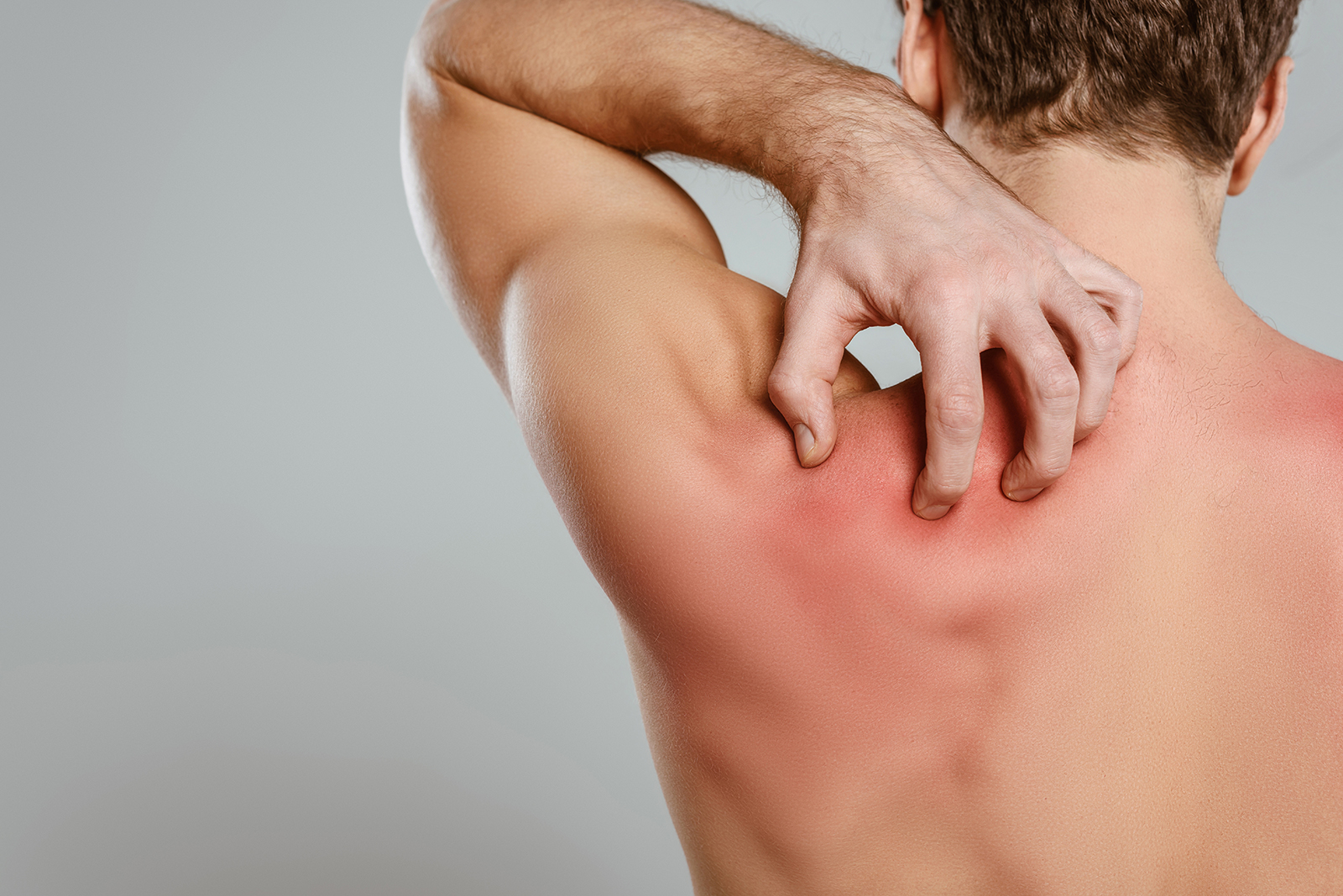
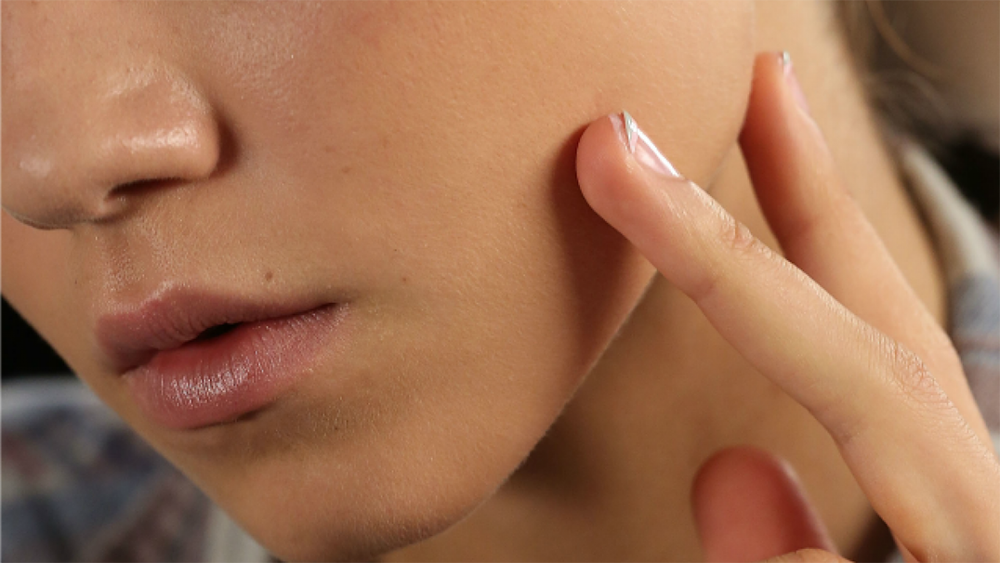
Pomphi, itching (often nocturnal) and swelling of certain parts of the body, sometimes disfiguring, with no known cause and disappearing only to recur suddenly and unpredictably. These are the symptoms of the chronic spontaneous urticaria, a particular form of urticaria unrelated to allergic factors that mainly affects individuals between the ages of 20 and 40 years (women twice as frequently), though it can appear at any time of life, and lasts on average for 3-4 years but sometimes even for decades. Although it affects 1 percent of the population, it is underestimated in both frequency and impact, leading to repercussions on school and work performance, social relationships, and psychological well-being.

This problem negatively affects quality of life to a greater extent than patients with even more serious skin problems, such as psoriasis. The presence of autoimmune diseases, especially thyroid disease, such as Hashimoto’s thyroiditis present in 10% of cases, celiac disease, and type 1 diabetes appears to correlate with an increased risk of chronic spontaneous urticaria. For the reasons explained above, it is easy to see why recognition of the disease is often delayed.

Diagnosis and treatment

The diagnostic pathway first proceeds with the search for any pathology associated with urticaria. Second step is to try to avoid factors that can aggravate urticaria, such as stress and especially the use of nonsteroidal anti-inflammatory drugs capable of inducing a flare-up or aggravation of urticaria in 20-30% of patients. The pharmacological approach involves the use of second-generation antihistamines at standard dosage, which can be doubled or quadrupled if symptoms persist after 2-4 weeks of therapy.

As a next step, omalizumab, a biologic drug that can improve symptoms in many cases and probably change the course of the disease, is used. If necessary, the fourth line of treatment relies on immunosuppressants, such as cyclosporine A, and the fifth on montelukast, an antileukotrienic. Unlike other chronic diseases, there is still no national patient registry and an organized network of services, and there are still numerous interregional disparities and limits to the Health Service’s coverage of treatment with antihistamines (in fact, they are reimbursed only at the standard dosage) and omalizumab, which is provided in the treatment plan for only 6 months.

FEATURED SPECIALISTS

  • Profile picture of Dr. Giovanni Arrichiello
    active 5 years, 10 months ago

    Gynecologists, Basic Doctors

    • Corso Regina Margherita 260 - Torino
    phone
  • Profile picture of Dott.ssa Cinzia Maria Zurra
    active 5 years, 10 months ago

    Basic Doctors, Aesthetic Doctors, Nutritionists

    • Viale Rimembranze 5 - Triuggio
    phone
  • Profile picture of Dott.ssa Maria Grazia Caruana
    active 5 years, 10 months ago

    Aesthetic Doctors, Basic Doctors

    • Viale Prassilla 41 - Roma
    phone
  • Profile picture of Dott. Cristiano Crisafulli
    active 5 years, 10 months ago

    Diabetologist, Basic Doctors, Internist

    • Via Vittorio Emanuele II 181 - Acireale
    phone
  • Profile picture of Dott.ssa Francesca Vittorelli
    active 5 years, 10 months ago

    Therapist, Acupuncturists, Basic Doctors

    • Corso Andrea Palladio 134 - Vicenza
    phone

RELATED ARTICLES

Resuscitation

IThe moment a motionless person is seen, it is necessary to test the person ‘s sensitivity by shaking the body slightly and giving small blows. Immediately afterwards, it is important

Family dysautonomy

Involuntary nervous system dysfunction, or familial dysautonomia, is a genetic disorder that goes to groups of nerve cells, which are not properly developed and do not survive.

Protect sleep by avoiding bad habits

It is known to all that good physical and mental fitness can depend on many factors, but certainly sleep is one of the foundational factors of well-being.

How long does tendonitis last?

Tendons are the fibrous connective tissue structures by which muscles connect to bones (or in some cases, to the skin, as is the case with facial muscles, for example). There

Sexual Habits: Outercourse, non-penetrative sex

Sexual partners may move toward outcourse for a variety of reasons of a practical, ideological, moral, or religious nature, to limit the risk of pregnancy, as a matter of sexual preference , as an alternative to menstruation, or for medical impediments that advise against penetration at a given time.

Time change: the effects on the gut

The transition from daylight saving time to daylight saving time and vice versa causes some transient discomfort for many people, especially in terms of resynchronization of sleep-wake rhythms and mealtimes,

Epileptic seizure: what to do?

The seizures are self-limiting and very often do not allow a rapid intervention. It is necessary, therefore, to keep some pointers in mind: Preventing lessons that the patient might unintentionally

Bacterial infections and international travel

Having to undertake a trip, whether for business or leisure, it is necessary to gather detailed information about the places one intends to visit, considering the map of countries where the risk of exposure to "traveler's diseases" is highest.

Heart attack (or stroke)

A heart attack occurs when the blood supply is severely reduced or interrupted. Symptoms include tightness and pain in the center of the chest, pain radiating to the shoulders, neck,

Gas Colic: annoyance, disorder, or disease?

If the gas in the digestive system remains compressed and Its pathway is obstructed that is when the pain appears, which may present itself as mild and short-lived or as persistent, strong, and increasing, at least until the gas is expelled.

RELATED PATHOLOGIES

Genital herpes

Genital herpes is the most common sexually transmitted infectious disease characterized by ulceration in the population. It can affect both men and women (more often), is transmitted by direct contact

Furunculosis

Furunculosis is a dermatitis characterized by the presence of clusters of furuncles that tend to develop on the neck, buttocks, face and arms. It is generally due to skin infection

Warts

Warts are benign formations that can appear on the skin anywhere on the body as a result of infection by one of the viruses of the human papilloma family or

Dermatitis

The term dermatitis refers to a fairly heterogeneous group of skin diseases, largely characterized by more or less pronounced inflammation and induced by a wide variety of causes (irritation, allergic

Acne

The term acne is derived from the Greek word acmé or acné, meaning foam or summit, and denotes a skin disease that is widespread in the young population, characterized by

Herpes simplex

Herpes simplex is a disorder of an infectious nature caused by the virus of the same name (Herpes simplex virus – HSV type 1 or 2) and characterized by the

Atopic dermatitis

Atopic dermatitis or “atopic eczema” is a chronic inflammatory skin disease, associated with pruritus, that typically begins in the early years of life, then persisting throughout the pediatric years and

Candidiasis

Candida Albicans and other related species can result in different types of infections. Cutaneous candidiasis include the condition of eroded skin between the toes, balanines the mycosis of the nails,

Peyronie’s or curved penis disease

Peyronie ‘s disease is a condition resulting from an abnormality of the penis due to fibrous scar tissue that appears on the penis changing its shape during erection, which becomes

Epithelioma

Epithelioma is a tumor due to abnormal growth of epithelium, which corresponds to the tissue that lines the surface of all hollow structures and organs in the human body (from

FEATURED SPECIALISTS

  • Profile picture of Dott.ssa Izabella Sylwia Bartosiewicz
    active 5 years, 10 months ago

    Basic Doctors, Rheumatologists

    phone
  • Profile picture of Dr. Virgilio De Bono
    active 5 years, 10 months ago

    Aesthetic Doctors, Basic Doctors, Dermatologists

    • Via Ripense 4 - Roma
    phone
  • Profile picture of Dott. Giovanni Adamo
    active 5 years, 10 months ago

    Angiologists, Basic Doctors

    • Provincia di Ragusa - Ragusa
    phone
  • Profile picture of Dott. Domenico Napolitano
    active 5 years, 10 months ago

    Gynecologists, Basic Doctors, Aesthetic Doctors

    • Viale Orazio Flacco 5 - Bari
    phone
  • Profile picture of Dr. Roberto Zaffaroni
    active 5 years, 10 months ago

    Basic Doctors, Therapist

    • Via San Francesco D' Assisi 5 - Varese
    phone

prenota il tuo viedeoconsulto in convenzione

Completa il form e sarai contatto dal personale medico specializzato

your advertising
exclusively ON
MY SPECIAL DOCTOR

complete the form and you will be contacted by one of our managers