





What is the‘best time to conduct activitiesà physics? What about going to sleep? Resting in the early afternoon is a‘healthy habit? Questions to which he canò give an answer the knowledge of our biological clock or, rather, circadian rhythm, which in chronobiology è a 24-hour rhythm.
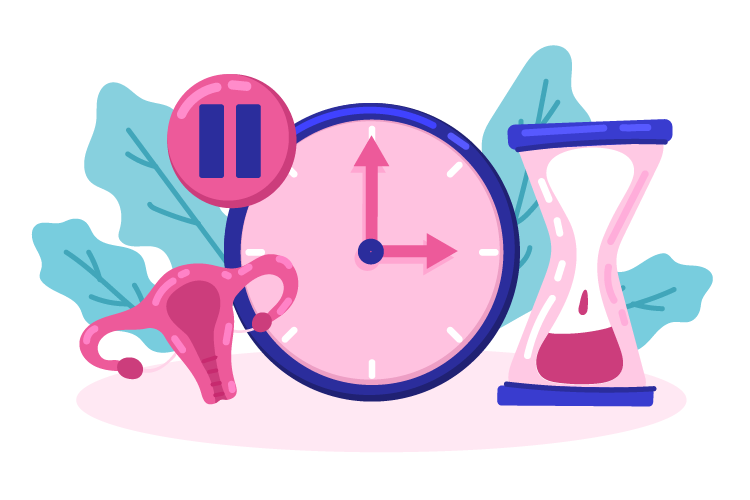
The lemma “circadian” is borrowed from the Latin language and is the union of two words: circa and diem which translated stand for “around the day.” According to scientists at McGill University and Concordia University, the circadian rhythm would be regulated by light-activated brain action and would be linked to the habits of each individual. It is the stimuli that come from outside, thus, primarily sunlight and environmental temperature, that modify and regulate the circadian rhythm, that is, the tuning to the natural succession of day and night, which is precisely a 24-hour cycle. This rhythm is then calibrated according to each person’s individual characteristics and thus gender, age, hormonal fluctuations. Any change in this cycle would lead to problems related to insomnia, sleepiness, lack of attention and concentration, and poor mood. Annoyances of no small magnitude, which go to affect the state of our body’s health and the way we cope with daily activities. Today’s society and the current lifestyle that the vast majority of the population follows lead us to think that we can prolong each day’s actions well into the night, failing to perceive that we are actually fatiguing the physical body, which needs to regenerate itself according to the routines proper to the circadian rhythm.
What component regulates our biological clock?
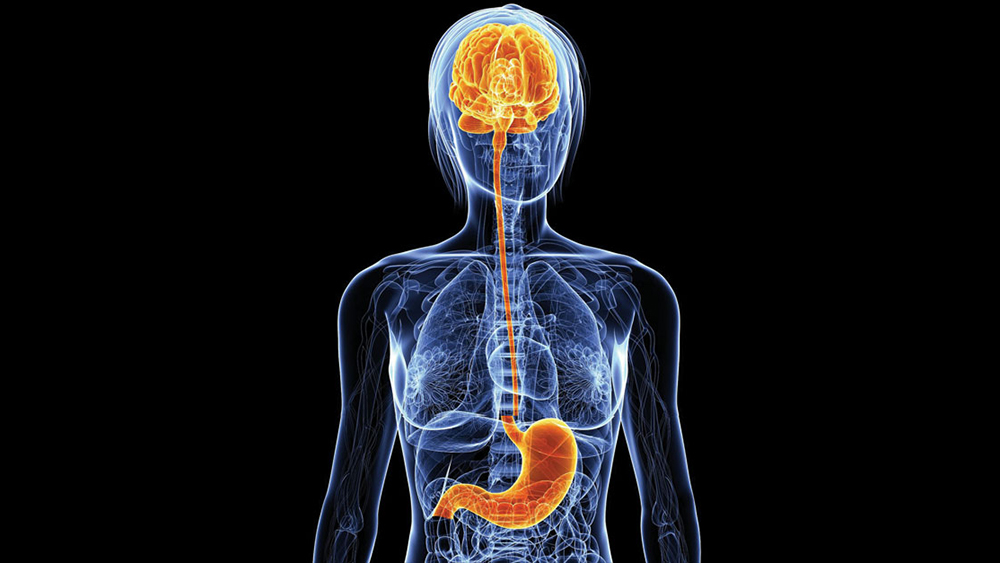
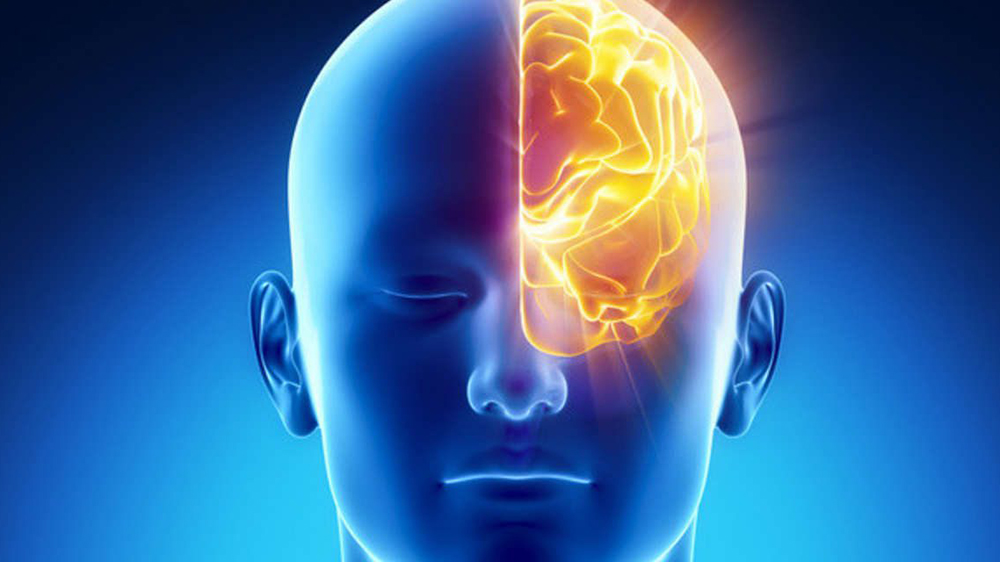
This is a collection of cells in the brain, the so-called suprachiasmatic nucleus, which resides in the hypothalamus. This complex, thanks to sunlight-sensitive cells located in the retina of the eye, picks up information about the level of external brightness, thereby adapting the body’s biological rhythm over the 24 hours of the day. According to the scanning of this cycle, there are activities and actions to be taken at specific times of the day in order to have full respect for the biological clock according to the circadian rhythm precisely. Let us consider the various phases that govern our daily life.
We usually get up in the morning in a 6 to 8 a.m. time slot, at a time when the body stops producing melatonin (sleep-regulating hormone) to increase cortisol (causes a state of alertness). However, if the mind is already projected to the office, the body is not of the same opinion because, especially in winter, the darkness and low temperatures outside invite the body to rest again. This is why it is not recommended to do intense physical exercises as soon as you wake up. Once it kicks in, however, cortisol peaks and, until lunchtime, concentration levels are at their highest: this is the ideal time of day for performing demanding office tasks, those activities that require mnemonic effort and special attention. After that, drowsiness due to the digestive phase takes over: the body focuses precisely on this process, and the production of orexin, a protein essential for maintaining an adequate waking condition, is temporarily suspended. Those who have the opportunity can safely rest or engage in light activities that do not involve special attention. Absolutely not recommended to sleep instead in the 3 to 6 p.m. time slot, when it is good to devote oneself to bodily well-being by engaging in sports activities. It is during this period that the heart and lungs work most effectively: the muscles are most toned, and so it is ideal to focus on exercises that require some manual dexterity; not just the gym, but also DIY for example. At the end of the time devoted to sports and chores, we sit down at the table for dinner: it is best to feed ourselves with foods that are not too caloric, thus with dishes low in fats and sugars that the organs have more difficulty digesting as we approach the time of night rest. Do not recommend large binges then. According to studies conducted by Professor Stachin Panda of the Salk Institute in La Jolla, California, meals should be taken between 8 and 10 hours during the day-this would improve metabolic health. Therefore, ideally, the last meal should be eaten not too late. When finished eating, the
brain
begins to produce melatonin, to promote sleep: a particular bodily process begins, in which the physique prepares for rest; in the time slot up to midnight, it is not advisable to engage in intense physical activities that cause an increase in heart rate, and it is also inadvisable to linger in front of bright screens, from smartphones, to tablets and computers because the brightness of such devices affects melatonin production. Once in bed, the body and its organs relax, and the brain eliminates the day’s toxins; those who are awake in the midnight to 3 a.m. time slot are unable to achieve high levels of concentration and alertness; the alertness threshold is minimized. Obviously, it is not recommended to apply oneself to activities that require a major mental commitment. The latter part of the day, which extends until the time of awakening, sees the body temperature at its lowest, while melatonin production is slowly decreasing to allow awakening. Better not to engage in physical activities and spend these moments on recovering energy to face a new day the next day.
Our body is a wonderful machine that regularly follows its own biological clock, marked by the circadian rhythm. Following these small directions will only benefit the mental and physical well-being of our bodies and minds, respecting the rhythms suggested by nature as much as possible.
Source: Ilaria Cofanelli of Crudostyle