



of

Depression and schizophrenia can also be treated with physical activity

attivit-fisica

European Psychiatric Association (EAP) recommendations for harnessing the benefits of regular movement in the treatment of major depression and schizophrenia, in addition to medication and psychotherapy.

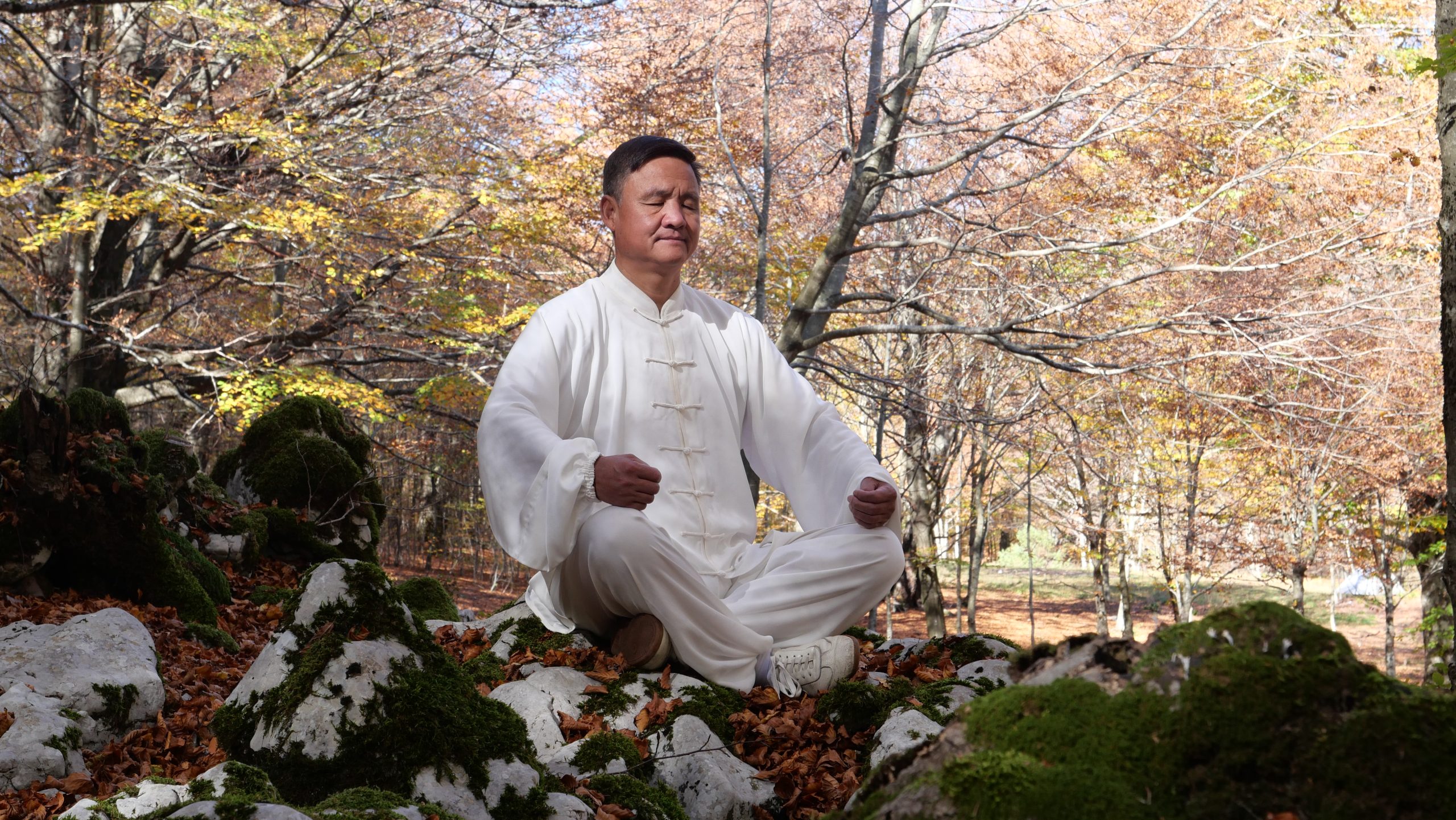
Physical activity, especially of the aerobic type, is useful and should be practiced regularly not only to improve well-being and health on various fronts, but also as a genuine adjunctive therapy effective in the treatment of severe psychiatric illnesses such as major depression or schizophrenia. This conclusion was reached by theEuropean Psychiatric Association (EAP) after an extensive review of studies conducted over the past decades to assess the metabolic, cardiovascular, psychological, and cognitive impact of structured and monitored exercise in the general population without clinically relevant mental disorders or suffering from more or less significant psychological distress.

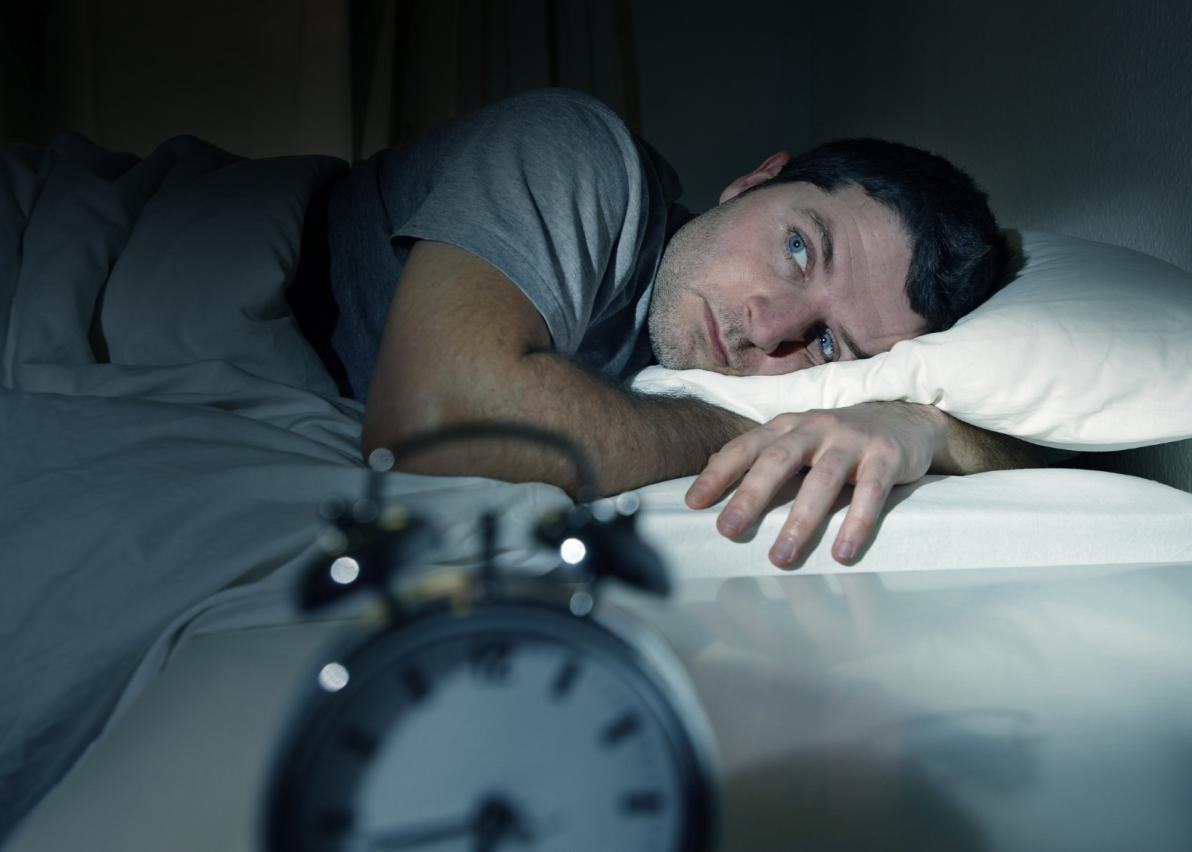
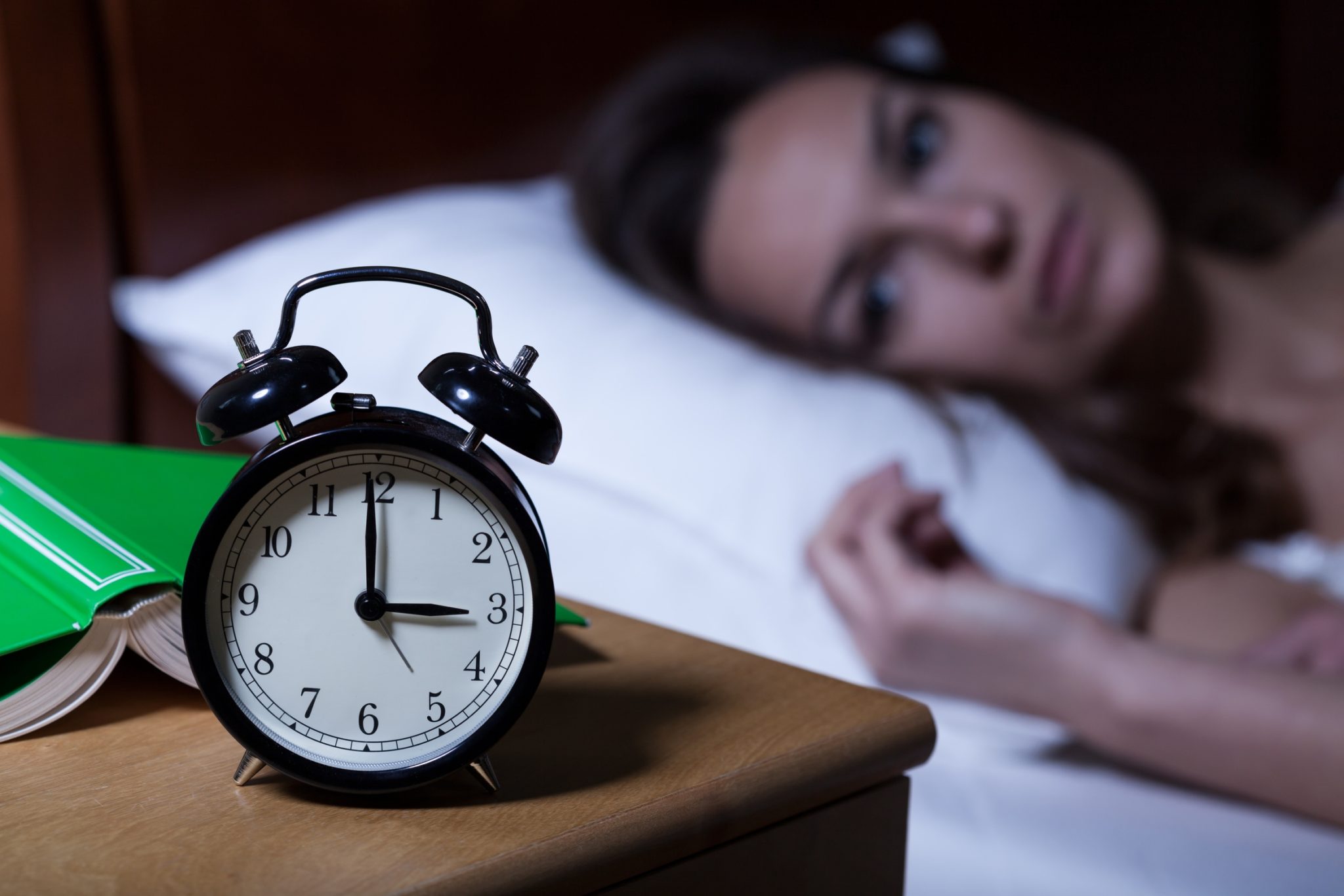
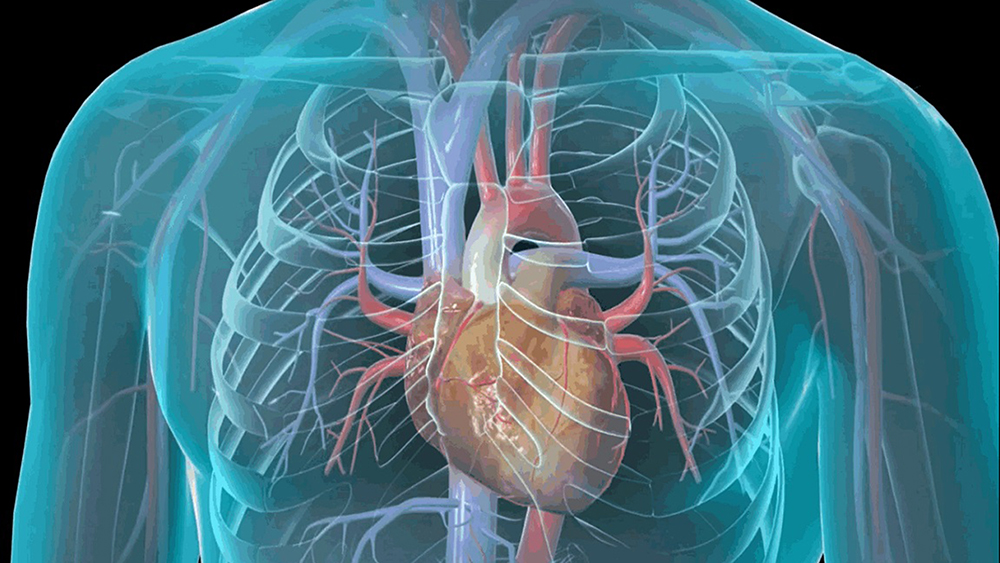
Based on the available evidence, the achievable benefits would relate to both reducing the risk of developing hypertension and other acute and chronic cardiovascular diseases, diabetes, and overweight, depletion of bone mass, and osteoporosis (all conditions promoted by the tendency of those suffering from major depression and schizophrenia to be sedentary and by some of the drugs essential to treat them) both the alleviation of psychiatric symptoms and the improvement of physical, mental, and intellectual function, with possible slowing of cognitive decline that may set in over time and favorable repercussions on overall quality of life. Not to mention, the beneficial effects of movement on nighttime sleep: an aspect often compromised in those suffering from psychiatric illnesses, the normalization of which is essential to support treatment and prevent flare-ups of symptoms.

To reap maximum benefits, people with mild-to-moderate major depression should engage in aerobic physical activity or a mixture of aerobic and resistance training at least 2-3 times a week, for about 45-60 minutes per session. In the absence of studies indicating the superiority of one form of movement over the other, one can choose the discipline one prefers, depending on age and individual physical potential. For example, activities such as free exercise, running, bicycling, gym exercises, etc. are perfect. As long as they are performed under the supervision of a competent instructor.

In the case of schizophrenia, the EAP recommends that at least 150 total minutes of moderate-vigorous physical activity per week be included as part of an individualized multidisciplinary treatment plan, including drug therapy, psycho-behavioral interventions, and functional rehabilitation. Again, it is crucial that trained personnel, who can interact positively with patients and support their motivation for regular and properly executed movement (a feat that is often difficult even in the case of people without psychiatric illnesses) coordinate the training sessions.

Of course, one should not expect miracles from the physical activity and it is certainly not possible to use it as a total replacement for the conventional therapies provided for major depression and schizophrenia, but the additional benefit it can provide is proven and deserves to be exploited as far as possible, to support a better recovery of the body’s overall balance.

Recommendations similar to regular exercise also apply to those who, while not diagnosed with specific psychiatric disorders, tend to experience depressive symptoms, nervousness, mood instability, or sleep disturbances at one or more times of the year (particularly in autumn-winter or during seasonal changes): the benefits will not be missed.

Source

Stubbs B et al. EPA guidance on physical activity as a treatment for severe mental illness: a meta-review of the evidence and Position Statement from the European Psychiatric Association (EPA), supported by the International Organization of Physical Therapists in Mental Health (IOPTMH). Eur Psychiatry. 2018;54:124-144. doi:10.1016/j.eurpsy.2018.07.004.

FEATURED SPECIALISTS

  • Profile picture of Dr. Lucia Catalano
    active 5 years, 6 months ago

    Gynecologists, Senologists, Basic Doctors

    • Via Belluno 1 - Roma
    phone
  • Profile picture of Dott.ssa Emanuela Costantino
    active 5 years, 6 months ago

    Neurologists

    • Via Gallinara 2/B - Cagliari
    phone
  • Profile picture of Dott. Giovanni Adamo
    active 5 years, 6 months ago

    Angiologists, Basic Doctors

    • Provincia di Ragusa - Ragusa
    phone
  • Profile picture of Dott. Cristiano Crisafulli
    active 5 years, 6 months ago

    Diabetologist, Basic Doctors, Internist

    • Via Vittorio Emanuele II 181 - Acireale
    phone
  • Profile picture of Dr. Virgilio De Bono
    active 5 years, 6 months ago

    Aesthetic Doctors, Basic Doctors, Dermatologists

    • Via Ripense 4 - Roma
    phone

RELATED ARTICLES

Quarantine: impact and psychological costs

The Lancet Journal published a very recent review regarding the impact and cost in psychological terms from quarantine. Consideration was given to 24 papers done between 2004 and 2020 in

Anorexia nervosa

Anorexia nervosa was included in DSM 5 (2013) in the broader diagnostic category called Nutrition and Eating Disorders. The main characteristic of this disorder is food refusal. The term anorexia (literally

Cognitive-emotional fitness

To promote and foster personal growth, it is necessary to enhance the effectiveness of the mind in the multiplicity of its functions. Cognitive-emotional fitness aims to help a person refine

Diseases caused by excessive alcohol consumption

There can be many disorders and diseases that alcohol abuse is capable of directly causing or can contribute to. When excess alcohol accumulates, it reaches the bloodstream affecting organs and their vital activities.

Fibromyalgia

What is fibromyalgia? Fibromyalgia is a lifelong condition that affects millions of people worldwide. People who suffer from it have sore and stiff muscles, but no abnormalities show up on

RELATED PATHOLOGIES

Meniere’s Syndrome

Meniere’s syndrome is a balance disorder characterized by recurrent and unpredictable “attacks” involving the onset of intense dizziness, associated with reduced hearing, whistling and buzzing. Each attack is heralded by

Alcoholism

Alcoholism is a real disease because of the way it presents itself, the disorders it causes, and the symptoms it gives the patient. The term Alcoholism is used when disorders

Brain tumors

Brain tumors are rare cancers that can be primary, that is, originate in the brain, or form as secondary metastases of neoplasms in other organs, such as lung or breast

Cerebral aneurysm

A cerebral aneurysm is a vascular malformation that presents as a small spherical protrusion or bulge along the wall of an artery present in the brain. Its presence is risky

Panic attack

What is meant by a panic attack? It is understood as the sudden manifestation of a strong fear accompanied by an equally intense physical symptomatology despite the absence of an

Head trauma

A head injury, also called “concussion” in medical terms, consists of the violent collision of the head against a hard surface or, conversely, of a blunt object against the cranial

Postpartum depression

Postpartum depression is a mood disorder characterized by symptoms overlapping with those of major depression and differing from the latter essentially in that it occurs in women a few weeks

Epilepsy

Epilepsy is a chronic neurological disorder of the central nervous system, characterized by recurrent acute attacks (seizures), unpredictable in frequency, intensity and duration, interspersed with periods of well-being in which

Peyronie’s or curved penis disease

Peyronie ‘s disease is a condition resulting from an abnormality of the penis due to fibrous scar tissue that appears on the penis changing its shape during erection, which becomes

Panic attack disorder

Panic attack disorder is a psychiatric disorder characterized by episodes of sudden and intense fear, anguish, and feeling of imminent death or strong fear for one’s safety, which leads those

FEATURED SPECIALISTS

  • Profile picture of Dott. Franco Cicerchia
    active 5 years, 6 months ago

    Ophthalmologists, Acupuncturists, Basic Doctors

    • Via Alcide de Gasperi 39 - Palestrina
    phone
  • Profile picture of Dr. Vittorio Margutti
    active 5 years, 6 months ago

    Orthopedists, Basic Doctors

    • Via Marco Simone Poli 1 - Guidonia Montecelio
    phone
  • Profile picture of Dr. Domenico D'Angelo
    active 5 years, 6 months ago

    Otolaryngologists, Basic Doctors, Competent Doctor

    • Via Pola 5 - San Prisco
    phone
  • Profile picture of Dr. Virgilio De Bono
    active 5 years, 6 months ago

    Aesthetic Doctors, Basic Doctors, Dermatologists

    • Via Ripense 4 - Roma
    phone
  • Profile picture of Studio Medico San Pellegrino
    active 5 years, 3 months ago

    Sports Doctors, Basic Doctors

    Spread the word!

    Recommend this special

    doctor to a friend

    message phone house
    visit
    video
    consulting
    WhatsApp conferences
    and webinars

prenota il tuo viedeoconsulto in convenzione

Completa il form e sarai contatto dal personale medico specializzato

your advertising
exclusively ON
MY SPECIAL DOCTOR

complete the form and you will be contacted by one of our managers