

of

DEPRESSION: the end of the supremacy of drugs

pexels-photo-1389104
From the myth of happy pills to integrated care

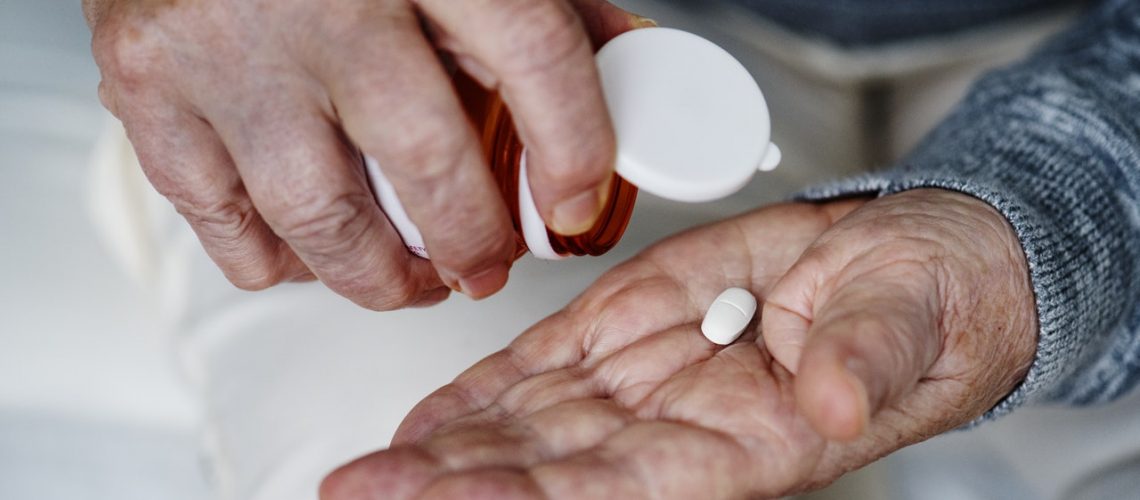
“Like most people I thought antidepressants worked”-so begins the book by Irving Kirsch, professor of psychology at Harvard and Plymouth, now available in Italian from Tecniche Nuove Editions under the title “Antidepressant drugs: the collapse of a myth. From happy pills to integrated care“. Page after page, with the force of numbers, Kirsch clarifies how he came to the conclusion that antidepressant drugs, when compared with placebo, have a modest degree of efficacy, documentable only in severe forms of depression, which on the other hand are a small minority of the manifestations of the disease. The book since it was published in England has sparked an uproar that is still in full swing.

They took the field, on the one hand, Marcia Angell, former editor of the New England Journal of Medicine, who took her cue from the book to draw an unapologetic analysis of American psychiatry judged to be on the bandwagon of the pharmaceutical industry (in the last 20 years antidepressant consumption has increased by 400 percent!), and on the other hand Peter D. Kramer, the head of the taskforce in charge of drafting the fifth edition of the DSM, the Diagnostic Manual of International Psychiatry, who defended antidepressants. In the middle is Thomas Insel, director of the National Institute of Mental Health, who stated in Psychiatric Times that in fact the difference with placebo is found only in severe forms of depression, so it is true that many people do not respond to drug treatment. According to the meta-analysis that Kirsch presents in the book, the difference between medication and placebo ranges from 16 to 18 percent in favor of medication, with a reduction of just two points on the Hamilton scale, which is the instrument for measuring depressive symptomatology. In short, little stuff, among other things full of side effects, that does not justify pivoting the treatment of depression into drug treatment.

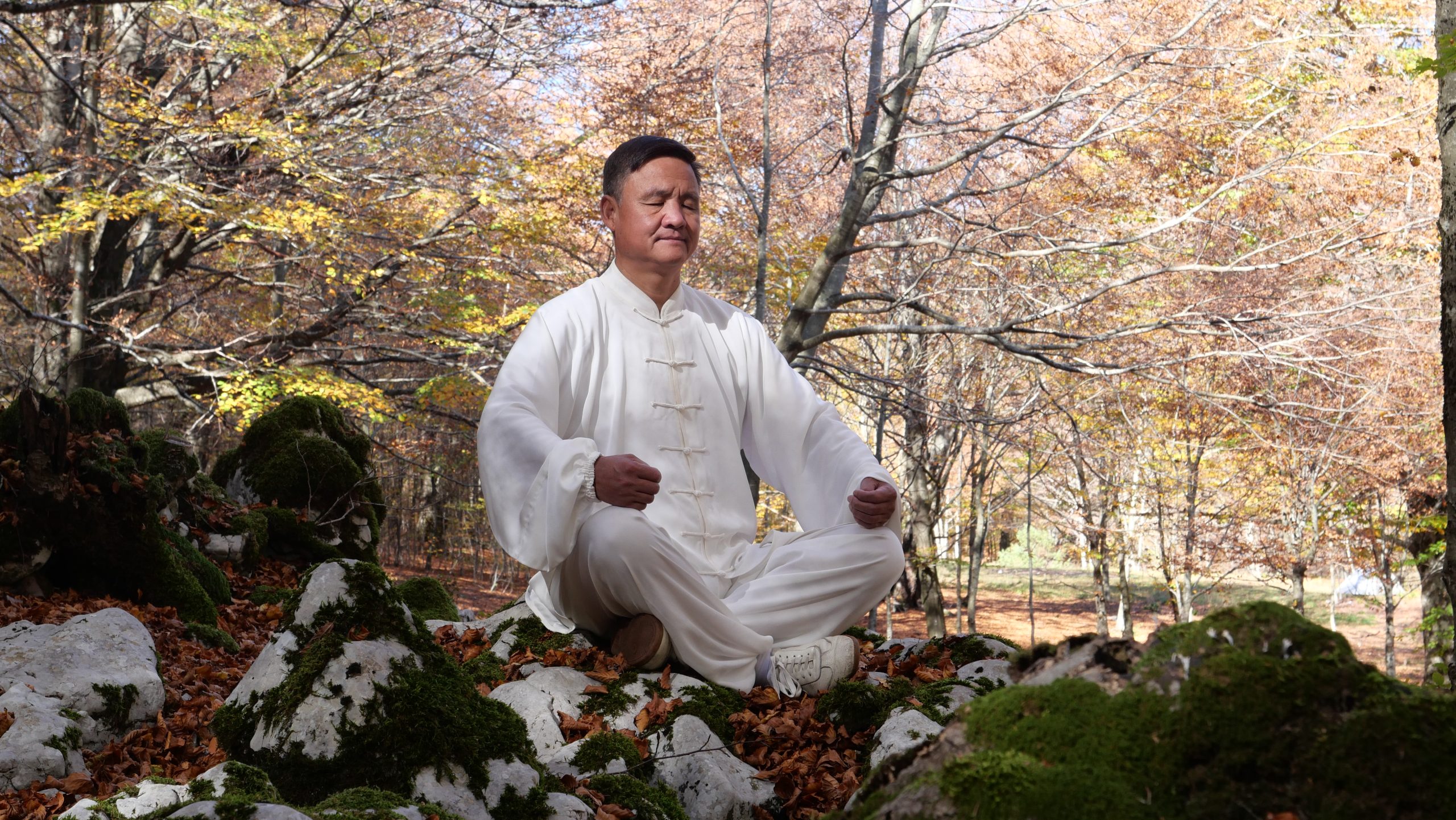
In the final chapter Kirsch summarizes existing alternative approaches: psychotherapy, meditation, physical activity, herbal medicine. In late July, an international research group of which Kirsch is a member, in Plos published a detailed Systematic Review of more than 100 controlled studies examining the effectiveness of psychopharmacology, psychotherapy and alternative therapies. The data confirm that there is no difference between medication and psychotherapy and that while there is a (modest) difference between them and placebo, there is no statistically significant difference with alternative therapies (physical activity and acupuncture). Some positive difference in effectiveness can be seen from the combination of medication and psychotherapy. In short, integration of care is the way to go. Kirsch will speak about this in Milan at the Depression Conference organized for Nov. 24 by the Italian Society of Psychoneuroendocrinoimmunology (www.sipnei.it ). In this framework, meditation also proves to be a useful tool.

A recent study of ours submitted for publication to a qualified international journal and presented in the second edition of Meditation Psyche and Brain, New Techniques-shows that a short 4-day course reduces depressive symptoms by almost three times. The study, carried out by an interdisciplinary team including Sipnei psychologists and researchers and faculty members from the Faculties of Medicine in Ancona and Pharmacy in Urbino, was conducted on 125 people participating in our courses: The strong reduction in anxious-depressive symptoms seen at the end of the course is coupled with an equally sharp reduction and regulation of the discharge of cortisol, the main stress hormone.

by Francesco Bottaccioli

FEATURED SPECIALISTS

  • Profile picture of Dr. Giandomenico Mascheroni
    active 5 years, 6 months ago

    Endocrinologists, Basic Doctors, Certifying Doctor

    • Via Petrarca 53 - Carnago
    phone
  • Profile picture of Dott. Domenico Napolitano
    active 5 years, 6 months ago

    Gynecologists, Basic Doctors, Aesthetic Doctors

    • Viale Orazio Flacco 5 - Bari
    phone
  • Profile picture of Dott. Cristiano Crisafulli
    active 5 years, 6 months ago

    Diabetologist, Basic Doctors, Internist

    • Via Vittorio Emanuele II 181 - Acireale
    phone
  • Profile picture of Dr. Giuseppe Panico
    active 5 years, 6 months ago

    Dermatologists, Basic Doctors

    • Viale Prassilla 41 - Roma
    phone
  • Profile picture of Dott.ssa Ilaria Berto
    active 5 years, 6 months ago

    Basic Doctors, Acupuncturists, Aesthetic Doctors

    • Via Antonio Corradini 1 - Este
    phone

RELATED ARTICLES

OSAS – Obstructive Sleep Apnea Syndrome

From the English Obstructive Sleep Apnoea Syndrome or. Obstructive Sleep Apnea Syndrome. . This is a condition related to repetitive partial or complete obstruction of the first airway at the

Protect sleep by avoiding bad habits

It is known to all that good physical and mental fitness can depend on many factors, but certainly sleep is one of the foundational factors of well-being.

Short-term and long-term memory

Memory is a function of the central nervous system that enables all animal beings to be able to make the best use of knowledge from experience: thus, old and new

Neurodevelopmental disorders and autism

As we know, neurodevelopmental disorders are increasing dramatically, and we find ourselves every day, both as professionals in the field and as people, considering all the clinical and human implications.

Diseases caused by excessive alcohol consumption

There can be many disorders and diseases that alcohol abuse is capable of directly causing or can contribute to. When excess alcohol accumulates, it reaches the bloodstream affecting organs and their vital activities.

Complications in bipolar disorder

From the clinical point of view, it should be mentioned that sometimes bipolar disorder may be accompanied by some pre-existing conditions that may aggravate an already quite serious condition, with more intense symptoms, for which the applied therapy may yield results of lesser effectiveness. But which ones are the most present?

Transient ischemic attack (TIA)

A transient ischemic attack (TIA stands for transient ischemic attack) is characterized by a temporary interruption or reduction in blood flow to the brain. It lasts a few minutes and

RELATED PATHOLOGIES

Meniere’s Syndrome

Meniere’s syndrome is a balance disorder characterized by recurrent and unpredictable “attacks” involving the onset of intense dizziness, associated with reduced hearing, whistling and buzzing. Each attack is heralded by

Headache

Headache or cephalalgia, whether occasional or recurrent, is one of the most common disorders among people of all ages and from all parts of the world, which, depending on the

Shock, medical emergency

It may happen that the circulation of blood through the body undergoes a sudden change giving rise to a condition of physiological shock, with decreased flow and crisis on the

Trigeminal neuralgia

The trigeminal nerve is the fifth of the twelve pairs of cranial nerves in the head; it is the nerve responsible for providing sensation to the face. One trigeminal nerve

Bipolar disorder

Bipolar disorder is a complex and delicate mood disorder to manage that leads sufferers to experience periods of depressed mood, characterized by symptoms similar to those of major depression, alternating

Alcoholism

Alcoholism is a real disease because of the way it presents itself, the disorders it causes, and the symptoms it gives the patient. The term Alcoholism is used when disorders

Migraine

Migraine is a primary headache that is manifested by recurrent attacks of moderate to severe headaches, varying in duration from 4 to 72 hours, interspersed with symptom-free periods. Sometimes migraine

Headache

Headache, the so-called “headache,” is probably the most common form of pain. It is chronic or recurrent pain affecting various structures of the head, such as arterial and venous vessels,

Parkinson’s disease

Parkinson’s disease is an aging-related neurodegenerative disorder of the central nervous system, affecting about 2.5% of people over 70 years of age, which is mainly characterized by resting tremor in

Neurovegetative dystonia

If you have the patience to interview a family doctor whose outpatient clinic is always very crowded, you will find that a good portion of patients are afflicted with a

FEATURED SPECIALISTS

  • Profile picture of Dott.ssa Ilaria Berto
    active 5 years, 6 months ago

    Basic Doctors, Acupuncturists, Aesthetic Doctors

    • Via Antonio Corradini 1 - Este
    phone
  • Profile picture of Dott. Gianlorenzo Casani
    active 5 years, 6 months ago

    Geriatrics, Certifying Doctor, Basic Doctors

    • Via Costantino Baroni 71/73 - Milano
    phone
  • Profile picture of Dott.ssa Izabella Sylwia Bartosiewicz
    active 5 years, 6 months ago

    Basic Doctors, Rheumatologists

    phone
  • Profile picture of Dr. Monica Gamba
    active 5 years, 6 months ago

    Aesthetic Doctors, Plastic Surgeons, Basic Doctors

    • Viale Radich 21/N - Grugliasco
    phone
  • Profile picture of Dott.ssa OLGA PETROVSKAIA
    active 5 years, 6 months ago

    Pain therapists, Basic Doctors, Therapist

    • Via Giulio Romano 3 - Valle Martella
    phone

prenota il tuo viedeoconsulto in convenzione

Completa il form e sarai contatto dal personale medico specializzato

your advertising
exclusively ON
MY SPECIAL DOCTOR

complete the form and you will be contacted by one of our managers