




of

5. Breathing

55-1

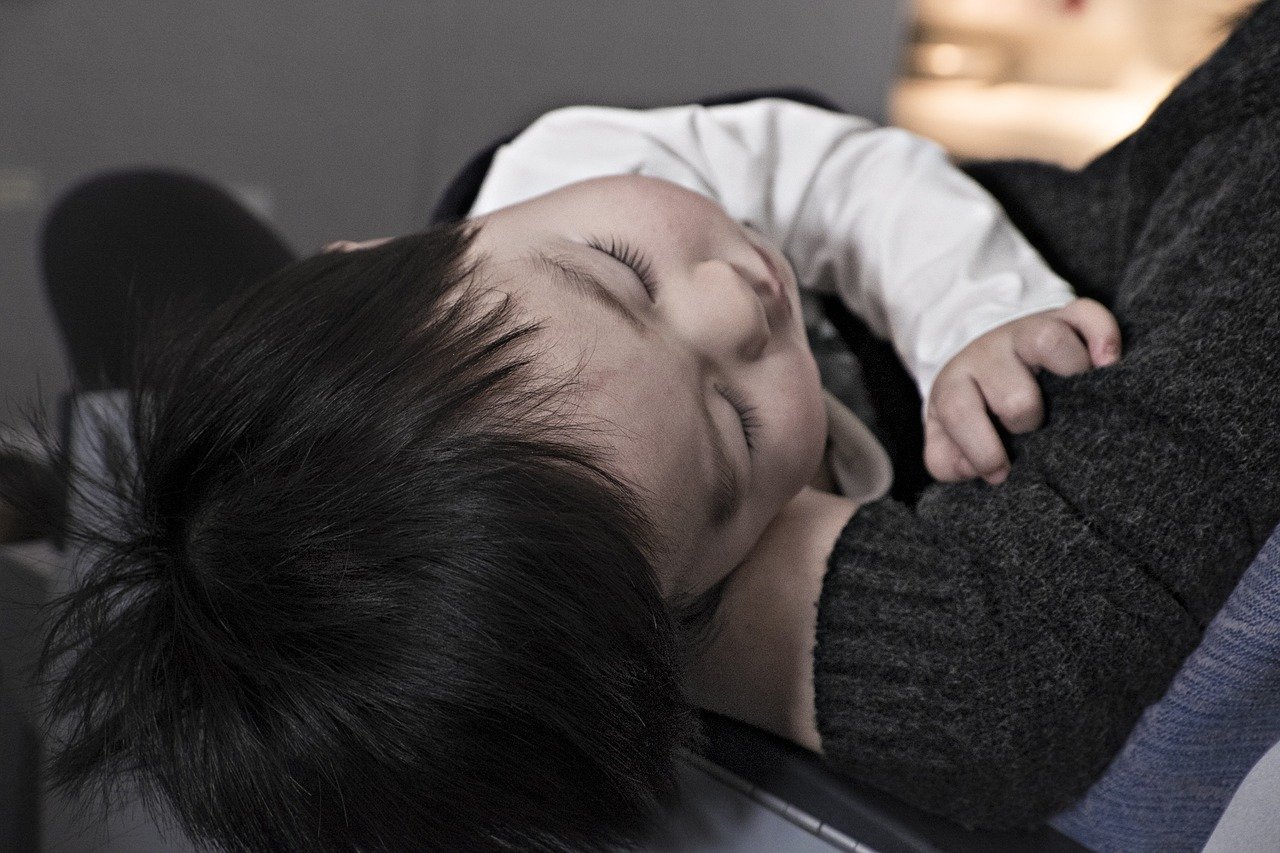
All of us, when we are born, know well what is the right way to breathe. If we observed a small baby resting on the changing table, we would immediately notice that he breathes by moving his belly.

If we were to do, instead, a survey of adults, a kind of sample test, and ask them to take a deep breath, observing 99% of the respondents, we would notice that, in the action of breathing, they relentlessly move their chests and some also noticeably raise their shoulders. This makes us realize how, as we grow up, life, anxieties, stress, inhibitions and conditioning pollute us to such an extent that we “forget” the right way to perform an action that is so natural and innate to us.

J. Mayol was the one who introduced yogic-derived breathing techniques to apnea.

In the past, many freedivers and freediving fishermen-some, admittedly, still do, having never taken a freediving course-used to hyperventilate for a few minutes at the surface before exploring the abyss. Today no one with any theoretical knowledge about this discipline breathes in such a way anymore. In fact, it has been seen thathyperventilation does not increase oxygen levels in the blood at all, but instead lowers the level of carbon dioxide in it. This causes a delay in the diver’s perception of his or her “air hunger,” and this is why, at times, the bodies of fishermen have been found in the “waiting” position as death has occurred without their realizing it. Many of these tragedies could perhaps have been avoided, however, if the first rule of safety at sea, which applies especially to fishermen, who are, as a rule, solitary hunters and reluctant for company: use the pair system and never venture out alone.

Finally, hyperventilation, which is a forced breathing action, is also not conducive to relaxation and instead raises the heart rate, resulting in a huge expenditure of oxygen and energy.

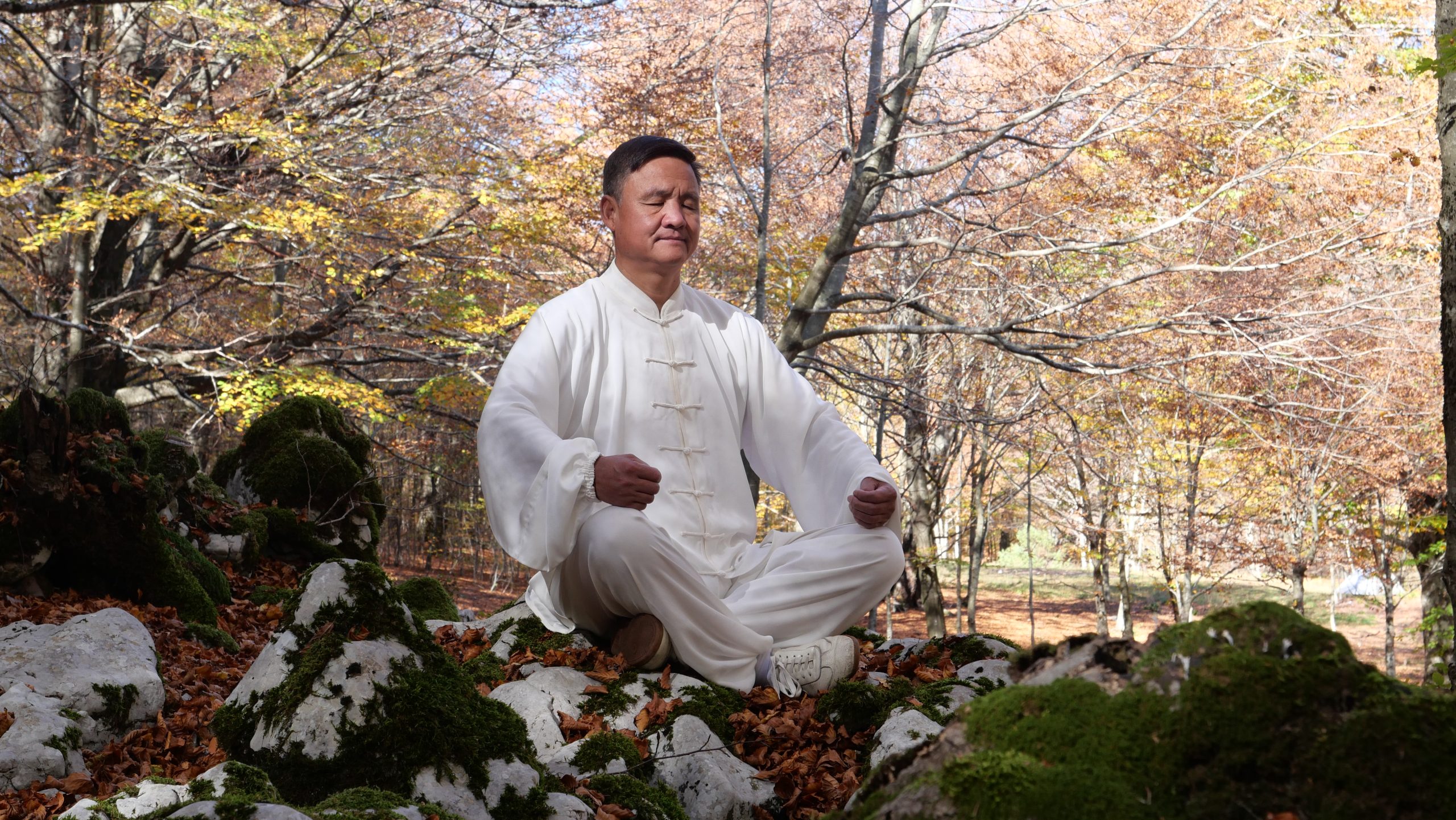
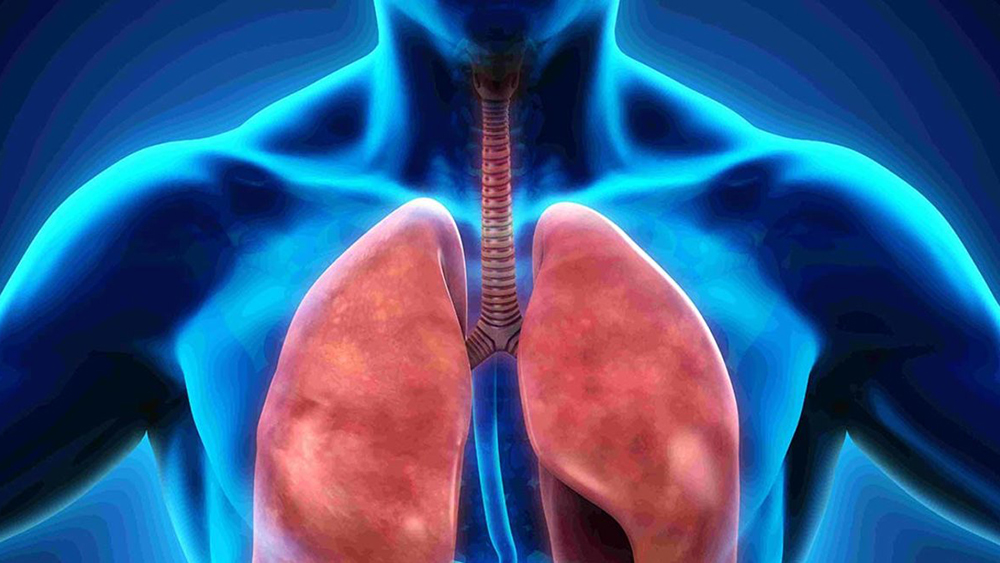
Today we use diaphragmatic breathing, which allows us to fill the widest part of our lungs well, the lower part, and that is what young children naturally use. It is important to “feel” the action we take when we breathe and to be able to follow the path the air takes, from the moment we inhale until it reaches the lungs. Being aware of the action we take. Mindful breathing also helps to relax.

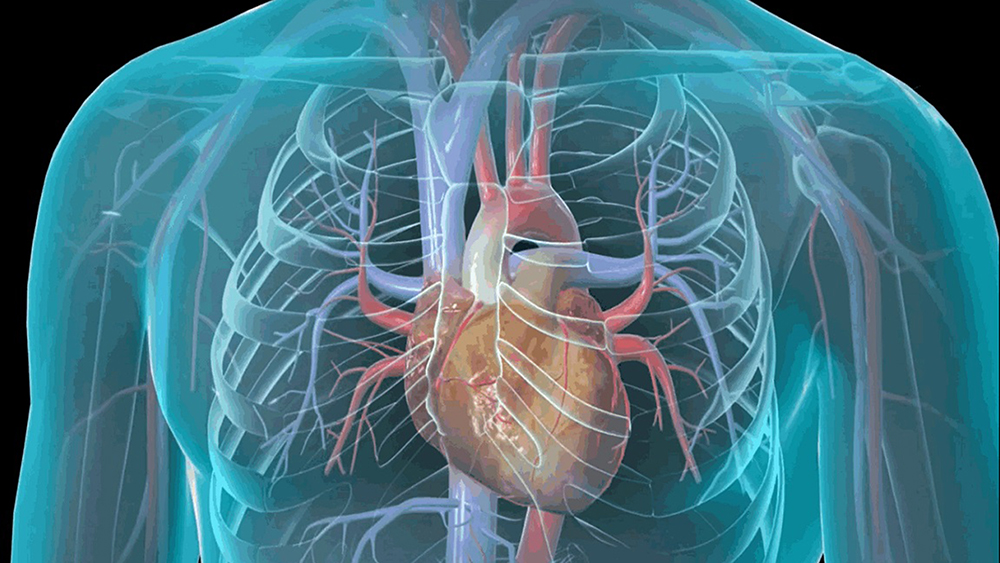
The diaphragm is the main muscle related to breathing. We could imagine it in the shape of an umbrella, the staff of which would represent our spine. When the umbrella is open, the diaphragm is up and we are exhaling; when it is closed, it is pulled down and we are, instead, inhaling. Smoothing the diaphragm and making it elastic is necessary to achieve beautiful full, wide and deep breaths.

You might first begin by visualizing only the upper part of the lungs, the thoracic part, and take a few breaths, lying comfortably on the floor and placing one hand on your chest and observing how it rises and falls with each act of breathing. Then you could visualize the breath only in the belly and perform the same operation. After that, take full breaths, following the belly-chest path in inhalation and chest-belly path in exhalation. It is obvious that you will get confused at first, but with practice you will prolong the duration of your breaths and the degree of relaxation with which you perform them, and you will begin to savor the benefits that come with it, apnea or not.


It is also a good idea to always keep in mind that in controlled breathing, exhalation should always be twice as much as inhalation. It means that if I count 1, 2 and 3 by inhaling, when I exhale I should count 1, 2, 3, 4, 5 and 6.

Finally, it is also possible to elasticize the rib cage, with ad hoc stretching exercises, taking into account that the last ribs, precisely those at the widest part of the lungs, are not fixed, but mobile: a flexible and elastic chest, allows the lungs to expand to the maximum

by Mariafelicia Carraturo
www.feliciacarraturo.it

FEATURED SPECIALISTS

  • Profile picture of Dott. Cristiano Crisafulli
    active 5 years, 7 months ago

    Diabetologist, Basic Doctors, Internist

    • Via Vittorio Emanuele II 181 - Acireale
    phone
  • Profile picture of Dott.ssa Federica Filigheddu
    active 5 years, 7 months ago

    Basic Doctors

    phone
  • Profile picture of Dott.ssa Irene Pistis
    active 5 years, 7 months ago

    Aesthetic Doctors, Basic Doctors, Certifying Doctor

    • Via della Reoubblica 461/3 - Vergato
    phone
  • Profile picture of Dott.ssa Izabella Sylwia Bartosiewicz
    active 5 years, 7 months ago

    Basic Doctors, Rheumatologists

    phone
  • Profile picture of Dott.ssa Maria Grazia Caruana
    active 5 years, 7 months ago

    Aesthetic Doctors, Basic Doctors

    • Viale Prassilla 41 - Roma
    phone

RELATED ARTICLES

3. Air, water, sun, plant life

Plant life is a complex recipe made possible by simple ingredients-carbon dioxide in the air, mineral salts in the soil, just enough water, light energy from the sun to activate

5. Breathing

All of us, when we are born, know well what is the right way to breathe. If we observed a small baby resting on the changing table, we would immediately

9. Compensation

With this maneuver, the apneist returns the eardrums to a neutral position, which, due to the external pressure, which reduces the volumes of the air zones of our body, would tend to introflex to the point of injury or rupture if they were not rebalanced. Ambient pressure, which increases with depth, causes a reduction in the volume of the aerial parts of our body (lesson 3), compensating the ears reconstitute the original volumes, keeping the eardrum in a neutral position.

Exercise helps improve memory

Doing physical activity, whether it is a simple workout or a real sport, certainly brings many health benefits to our bodies. However, in addition to the already mentioned positive effects

1. Equipment

Freediving is an environmental sport that is practiced in the water and, for this reason, requires specific equipment that gives us comfort and safety.

2. Origin of plants on earth

Today's extant plant forms reflect a complex evolutionary "work" that has taken place over more than 400 million years, during which plants have deployed cunning strategies to be able to adapt to various types of environments, managing to survive and reproduce even in the most climatically severe places.

Nordic Walking

By Roberto Vallabio, instructor Italian Nordic Walking School (SINW) Translated into Italian it means Nordic Walking and consists of walking with the help of special sticks. An aid that turns

RELATED PATHOLOGIES

Panic attack disorder

Panic attack disorder is a psychiatric disorder characterized by episodes of sudden and intense fear, anguish, and feeling of imminent death or strong fear for one’s safety, which leads those

Labyrinthitis

Labyrinthitis refers to an inflammation of the inner ear structure called the labyrinth. Sometimes the term labyrinthitis refers to other inner ear problems that are not referable to inflammation but

Endometriosis

Endometriosis is a condition characterized by intense menstrual pain that goes beyond the common discomforts associated with flow. This is a very common condition among women of childbearing age that

Alzheimer’s disease

Alzheimer’s disease is the most common and severe degenerative disease of the brain, characterized by a progressive decline in cognitive functions (in particular, memory and language) associated with aging. It

Atrial fibrillation

Atrial fibrillation is the most common heart rhythm disorder in the Western world. In the United States it affects about three million people; in Italy, an estimated 600-700 thousand people

De Quervain’s syndrome

De Quervain’s syndrome is a painful condition of the hand related to inflammation of the sheaths lining two tendons found on the medial (inner) side of the wrist that control

Adhesive capsulitis of the shoulder

Adhesive capsulitis is a medical condition of shoulder suffering from both stiffness and pain. It is also called “frozen shoulder syndrome” precisely because of the reduced mobility and pain.

Meniere’s Syndrome

Meniere’s syndrome is a balance disorder characterized by recurrent and unpredictable “attacks” involving the onset of intense dizziness, associated with reduced hearing, whistling and buzzing. Each attack is heralded by

Mycosis

Cutaneous mycoses are a fairly large and diverse group of dermatologic conditions determined by the colonization of the epidermis by microorganisms such as Malassezia furur (responsible for pityriasis versicolor), dermatophyte

Cushing’s disease

“Disease” or “Cushing’s syndrome,” sometimes referred to as “hypercortisolism,” is a condition characterized by a variable set of characteristic symptoms induced by the body’s exposure to excessive levels of glucocorticoids

FEATURED SPECIALISTS

  • Profile picture of Dr. Monica Gamba
    active 5 years, 7 months ago

    Aesthetic Doctors, Plastic Surgeons, Basic Doctors

    • Viale Radich 21/N - Grugliasco
    phone
  • Profile picture of Dott.ssa Izabella Sylwia Bartosiewicz
    active 5 years, 7 months ago

    Basic Doctors, Rheumatologists

    phone
  • Profile picture of Dott.ssa Carmela Tizziani
    active 5 years, 7 months ago

    Coroner, Certifying Doctor, Basic Doctors

    • Via Gaetano Bruno 25 - Napoli
    phone
  • Profile picture of Dr. Virgilio De Bono
    active 5 years, 7 months ago

    Aesthetic Doctors, Basic Doctors, Dermatologists

    • Via Ripense 4 - Roma
    phone
  • Profile picture of Dott.ssa Erminia Maria Ferrari
    active 5 years, 7 months ago

    Homeopathic Medicine, Basic Doctors, Pediatricians

    • Via San Carlo 3 - Castel Rozzone
    phone

prenota il tuo viedeoconsulto in convenzione

Completa il form e sarai contatto dal personale medico specializzato

your advertising
exclusively ON
MY SPECIAL DOCTOR

complete the form and you will be contacted by one of our managers