

of

Infant and toddler (digestive) comfort: a new concept

Comfort is synonymous with well-being. But what exactly does it mean? As is implicit in the manifesto of the Italian Society of Pediatrics published 3 years ago, well-being can be equated with the right of every child to have “a healthy life,” guaranteed by the “early acquisition of lifestyle healthy“, access to specialized care, prevention, and appropriate protection against of environmental risks and uncomfortable situations. In practice, however, well-being finds its own declination from time to time that suggests how much a disorder or even a seemingly physiological condition can take a physical and behavioral toll on the child and consequently on his or her family.

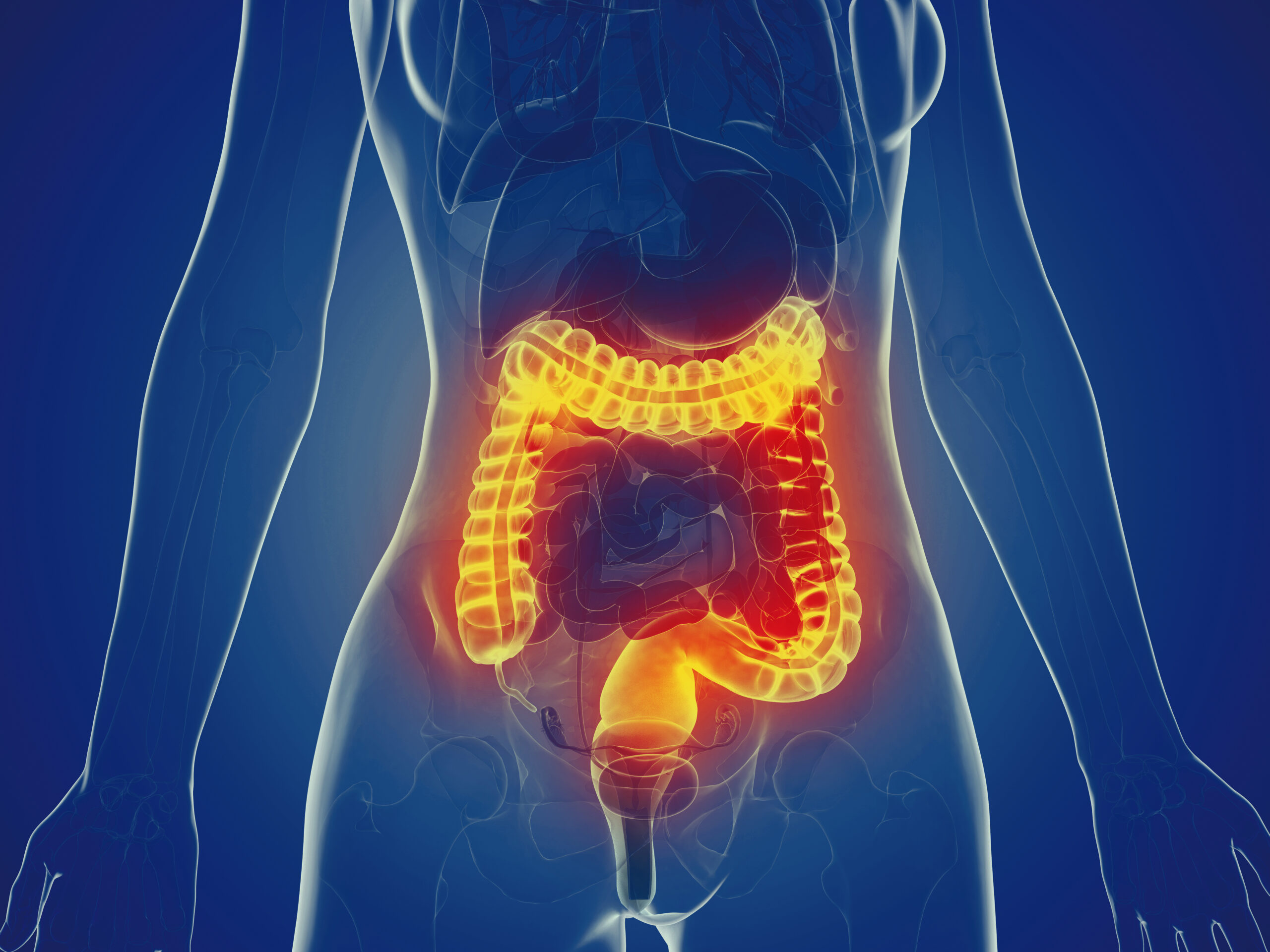
Digestive comfort

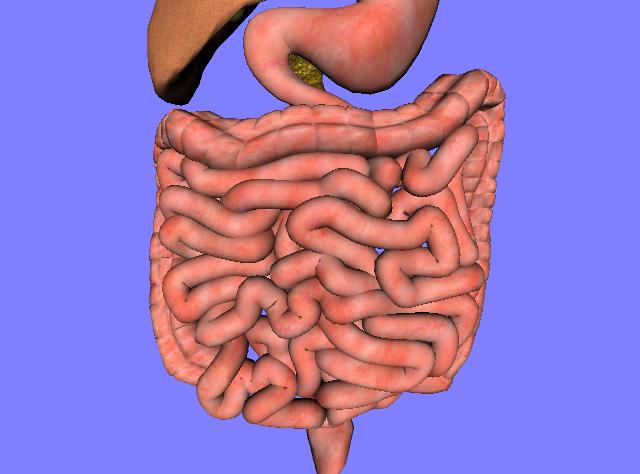
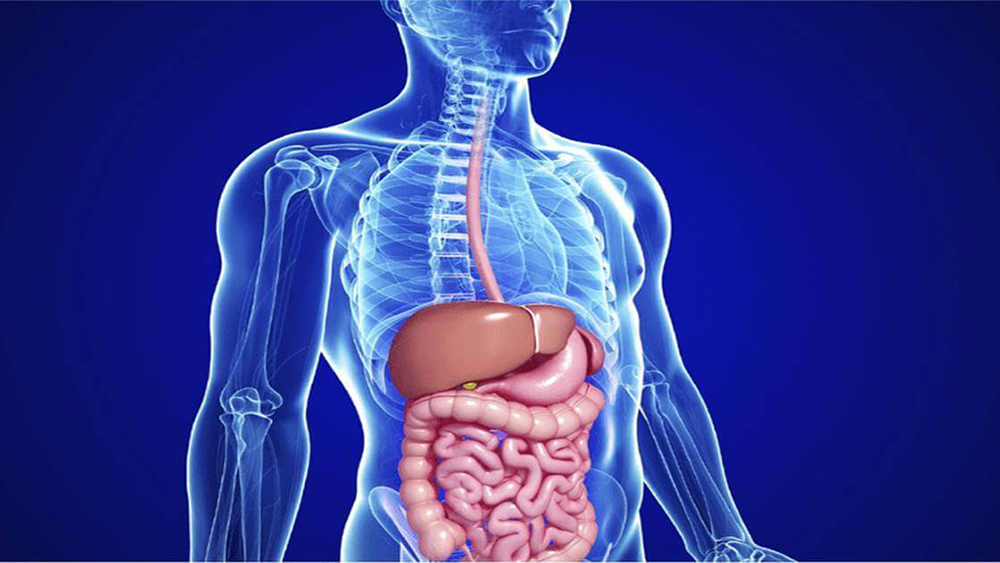
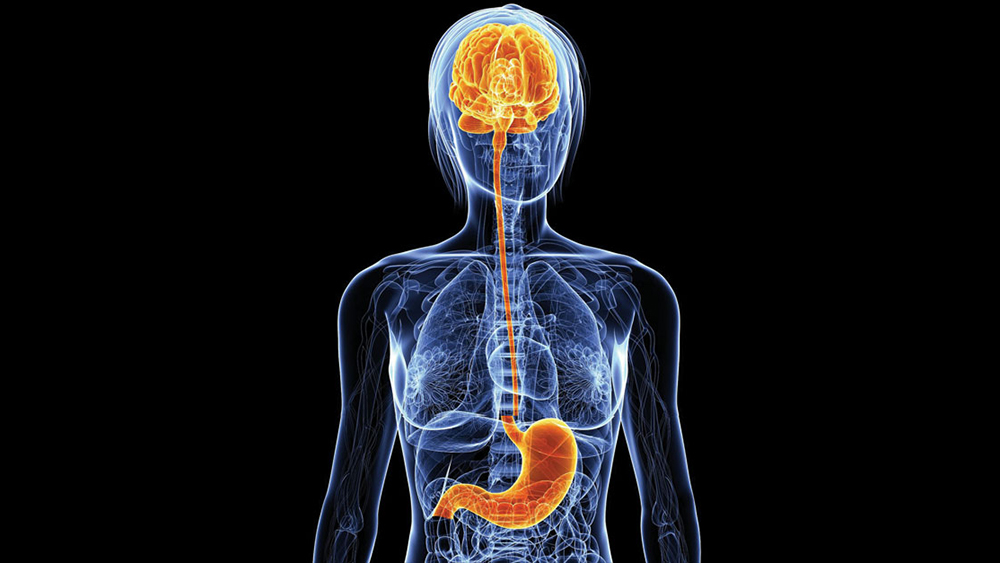
Thus, the concept of digestive “comfort” has been introduced in recent years, applied especially to the infant, who is notoriously prone to annoying gas colic. But what do parents need to know (and know how to observe)? The most common concern, but also the least alarming in the eyes of the pediatrician, is constipation, which, however, most of the time, is easily corrected by simple dietary measures (e.g., increasing water and fiber intake). Instead, it would be more important to pay attention to the child’s digestive behavior ( crying, for example, is a clue to suspicion), the ease, rather than the frequency, with which he or she evacuates, and the appearance of manifestations such as liquid discharges, copious gas emission, and discomfort.

All of these should be reported to the pediatrician on a timely basis, along with information about the child’s diet: this is because, especially in the first year of life, an allergy may manifest itself in an atypical manner, for example, with repeated episodes of acid reflux or marked abdominal bloating.

The risk of intolerance

Among the possible factors that can undermine digestive comfort from generally the age of one year and up is lactose intolerance: this is not an allergy but the inability to break down this sugar, which, accumulating in the intestine due to lack of absorption, ferments. In any case, digestive comfort is something that should always be assessed in the context of each child’s daily life, as it is closely integrated with his or her overall state of well-being. Parental attention is an invaluable support for the pediatrician in tracing the possible cause of the manifestations and identifying the most appropriate subsequent strategy.

FEATURED SPECIALISTS

  • Profile picture of Dr. Lucia Catalano
    active 5 years, 8 months ago

    Gynecologists, Senologists, Basic Doctors

    • Via Belluno 1 - Roma
    phone
  • Profile picture of Dr. Virgilio De Bono
    active 5 years, 8 months ago

    Aesthetic Doctors, Basic Doctors, Dermatologists

    • Via Ripense 4 - Roma
    phone
  • Profile picture of Dott.ssa Maria Grazia Caruana
    active 5 years, 8 months ago

    Aesthetic Doctors, Basic Doctors

    • Viale Prassilla 41 - Roma
    phone
  • Profile picture of Dott. Cristiano Crisafulli
    active 5 years, 8 months ago

    Diabetologist, Basic Doctors, Internist

    • Via Vittorio Emanuele II 181 - Acireale
    phone
  • Profile picture of Dr. Giovanni Arrichiello
    active 5 years, 8 months ago

    Gynecologists, Basic Doctors

    • Corso Regina Margherita 260 - Torino
    phone

RELATED ARTICLES

Acute abdomen: what to do?

At the time the acute abdomen occurs, surgical intervention is necessary. Abdominal pain is of different types depending on the etiology. General symptoms are visceral pain, pain from the peritoneum-parietal,

The different ages of pregnancy

What is the best age to get pregnant, the best time? Women, who have become mothers, will surely have different views, and different experiences are important to understand a little more about the complex world of pregnancy and its complex aspects.

What is hematemesis?

Hematemesis is the oral emission of blood with vomiting. Symptomatology and objective signs depend on etiology. In the case of massive hemorrhage, symptomatology and objectivity in hypovolemic shock will be

Cardiorespiratory arrest in children

In pediatric age often respiratory arrest precedes cardiac arrest. The causes can be of different nature: respiratory, cardiological, neurological, from shock, from drugs, metabolic imbalances, or environmental causes. The signs

The baby who cries and wails

The child who always complains and cries very often does not fall into a category that can be attributed to a specific etiology but rather falls into a number of different causes that need to be identified.

What to eat while breastfeeding

A woman breastfeeding her baby needs energy requirements corresponding to the milk produced. A weight loss of 0.5 kg per month in the six months following delivery is taken into

RELATED PATHOLOGIES

Celiac disease

Celiac disease is an autoimmune disease that can occur in genetically predisposed people in whom the ingestion of gluten results in damage to the small intestine. It is estimated to

Meteorism

Meteorism is a gastrointestinal disorder characterized by abdominal distension caused by excessive production or accumulation of gas in the stomach or intestines. Intestinal gas is usually not noticed until it

Gastroenteritis

Gastroenteritis is a disease characterized by inflammation of the gastrointestinal tract involving both the stomach and small intestine. If the large intestine is also involved, it is called gastroenterocolitis.

Dyspepsia

Dyspepsia means “difficult digestion” and is the medical term often used to refer to indigestion, which instead has a more general meaning and encompasses a multitude of different disorders of

Hepatitis B

Hepatitis B is a fairly common inflammation of the liver in all countries of the world, brought about by infection with Hepatitis B virus (HBV), which is the second leading

Malabsorption syndrome

The role of the small intestine is to complete the chemical breakdown of food and to absorb almost all nutrients. Malabsorption syndromes are a group of conditions united by the

Peptic ulcer

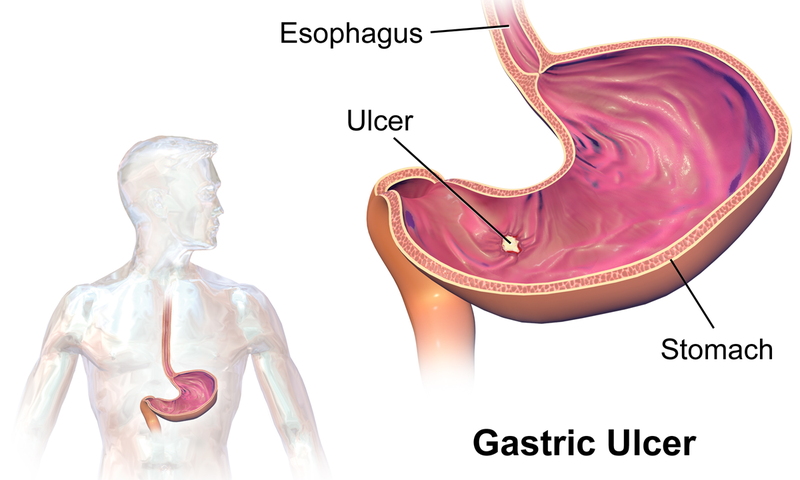
Peptic ulcer is an injury to the lining of the stomach, the first part of the small intestine, or occasionally the lower esophagus. An ulcer in the stomach is known

Appendicitis

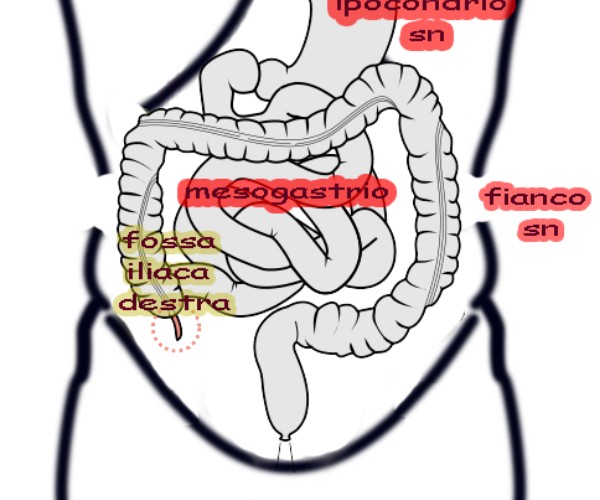
Appendicitis is an inflammation of the appendix, a tubular formation that is part of the large intestine, which in the past was not given a specific purpose; however, its role

Ulcerative colitis

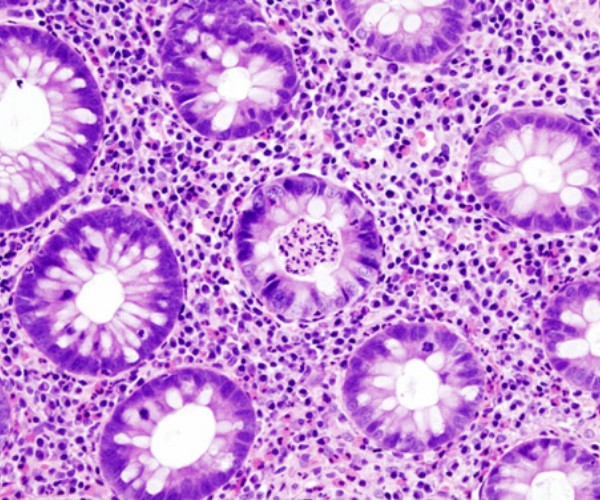
Ulcerative colitis is an inflammatory bowel disease that causes long-term inflammation and ulcers in the digestive tract. Ulcerative colitis affects the innermost lining of the large intestine (colon) and rectum.

Diverticulitis

Diverticula are small pockets that can form in the lining of the digestive system. They usually occur more frequently in the lower part of thelarge intestine (colon). Diverticula are common,

FEATURED SPECIALISTS

  • Profile picture of Dr. Giovanni Arrichiello
    active 5 years, 8 months ago

    Gynecologists, Basic Doctors

    • Corso Regina Margherita 260 - Torino
    phone
  • Profile picture of Dr. Domenico D'Angelo
    active 5 years, 8 months ago

    Otolaryngologists, Basic Doctors, Competent Doctor

    • Via Pola 5 - San Prisco
    phone
  • Profile picture of Dott.ssa Emanuela Costantino
    active 5 years, 8 months ago

    Neurologists

    • Via Gallinara 2/B - Cagliari
    phone
  • Profile picture of Dott. Giovanni Adamo
    active 5 years, 8 months ago

    Angiologists, Basic Doctors

    • Provincia di Ragusa - Ragusa
    phone
  • Profile picture of Dott. Gianlorenzo Casani
    active 5 years, 8 months ago

    Geriatrics, Certifying Doctor, Basic Doctors

    • Via Costantino Baroni 71/73 - Milano
    phone

prenota il tuo viedeoconsulto in convenzione

Completa il form e sarai contatto dal personale medico specializzato

your advertising
exclusively ON
MY SPECIAL DOCTOR

complete the form and you will be contacted by one of our managers