

of

Venous insufficiency

insufficienza-venosa-1

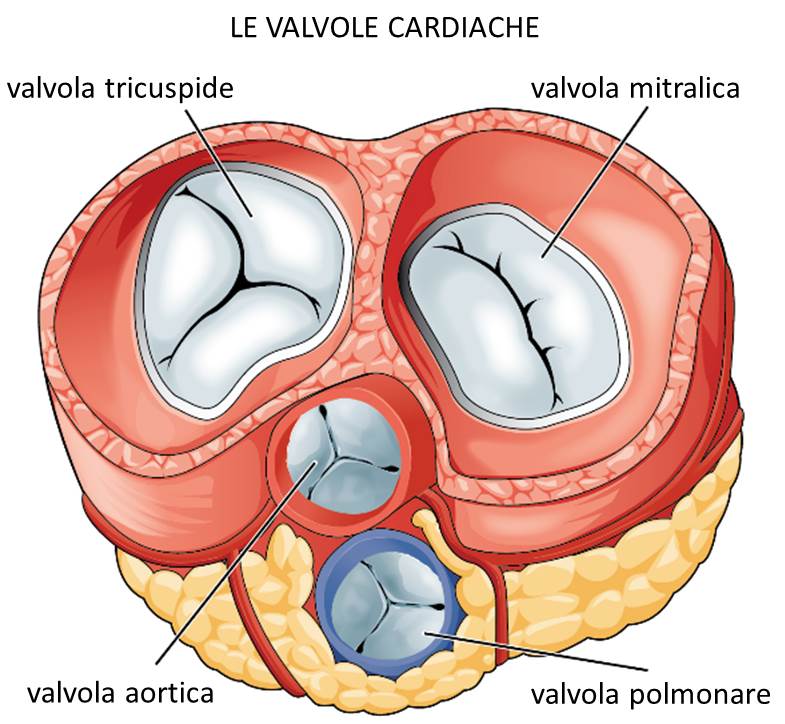
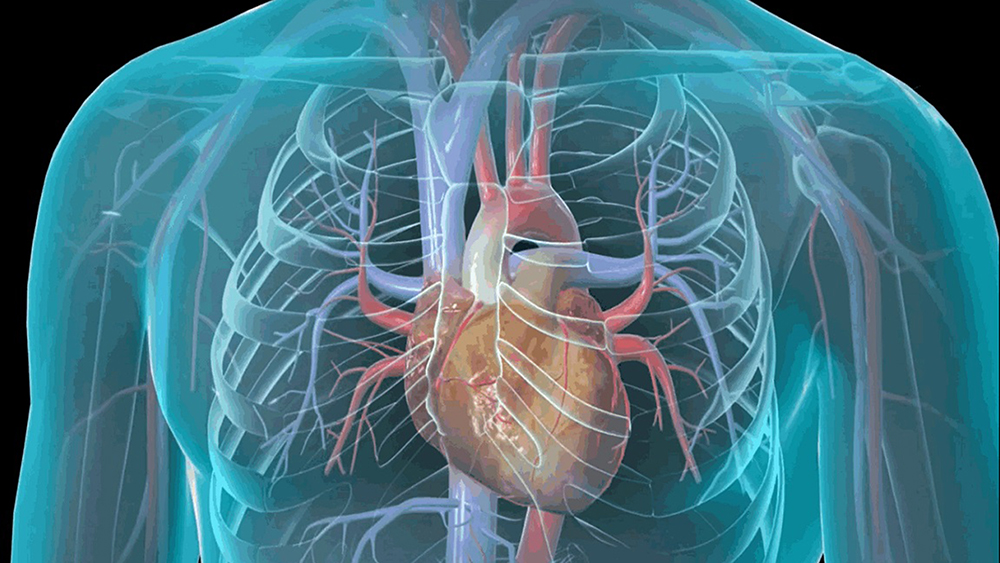
Venous insufficiency and associated vascular disorders, such as varicose veins and telangiectasias (superficial capillaries), mainly affect the venous vessels of the legs and arms and are mainly related to the decrease in vein wall tone associated with aging and promoted, in larger veins, by the partial failure of the semilunar valves.

Venous insufficiency can also affect young people, especially if they are women and if there is a family history of the disorder, but it becomes very common in both sexes from the age of 40. Based on available data, it is estimated that at least 40 percent of women and 25 percent of men over the age of 20 suffer from it.

The development of venous insufficiency is in part physiological and related to the loss of tone and elasticity of the walls of the veins and the “wearing out” of the semilunar valves (semilunar-shaped structures placed along the walls of the veins that have the function of promoting the upward flow of blood and its return from the periphery to the heart) present within them, which are naturally associated with aging.

However, the intensity and rapidity with which venous insufficiency problems set in are very different from person to person, depending on the presence and relevance of numerous endogenous and exogenous variables that significantly influence the likelihood of developing venous disorders of various types.

The main risk factors for venous insufficiency include:

  • familiarity: in 75% of cases, a person complaining of venous insufficiency belongs to a family in which there is at least one other person with varicose veins; this suggests that the cause of the disorder is at least partly genetic, but the identity of the specific genes involved is unknown;
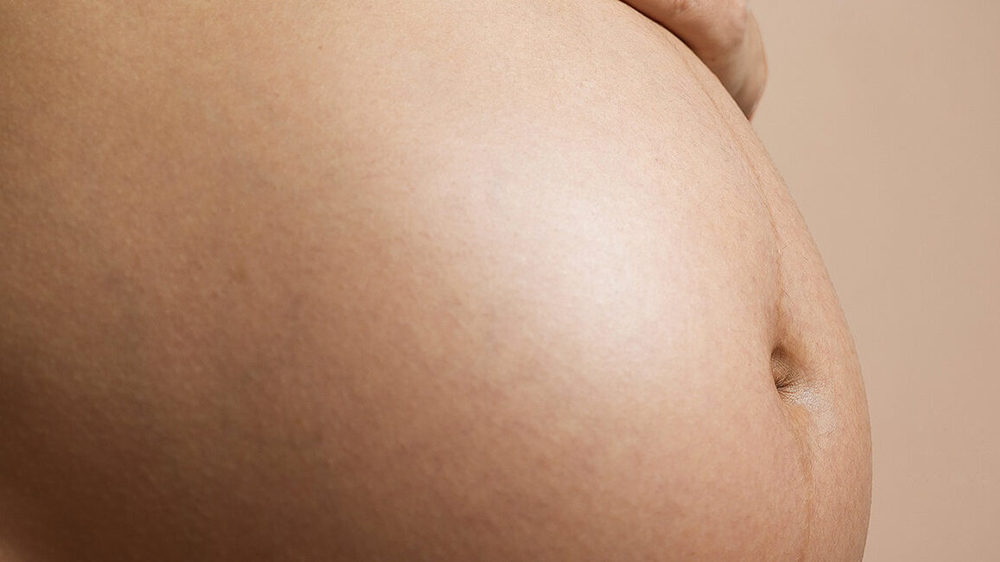
  • pregnancy: this is the main predisposing condition because of the weight gain and hormonal changes involved, both of which are detrimental to the health of leg veins;
  • hormonal changes associated with menopause and the use of oral contraceptives: these contribute to aggravating the symptoms of venous insufficiency and promote the occurrence of varicose veins;
  • smoking: it is harmful to the entire cardiovascular system; at the arterial level, it reduces the proportion of good cholesterol (HDL) and increases the formation of oxidizing agents and free radicals, promoting the atherosclerotic process; at the venous level, it can aggravate venous insufficiency by reducing the availability of vitamins and antioxidants;
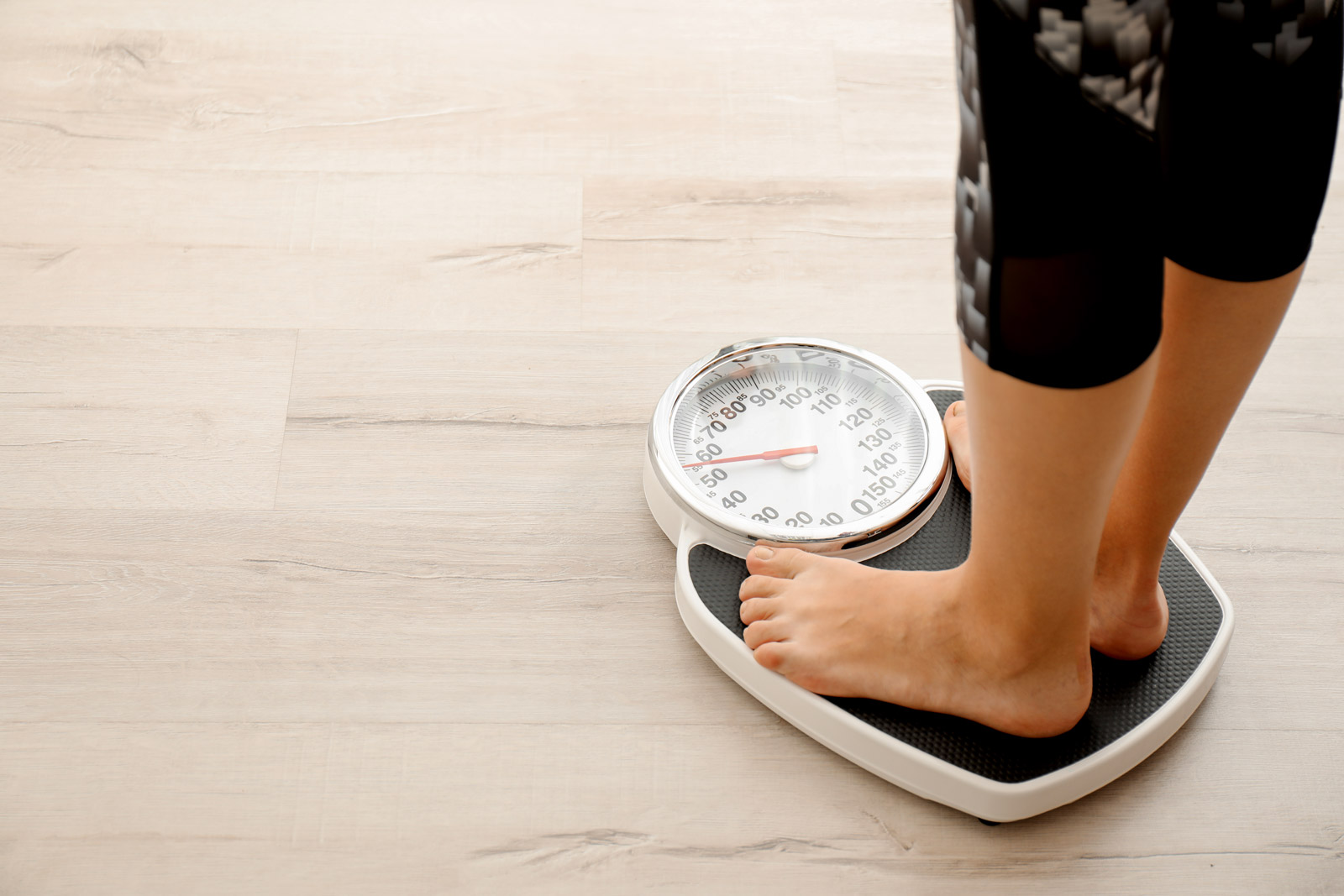
  • sedentariness and overweight/obesity: taken individually, and all the more so in combination, they significantly promote the development and worsening of venous insufficiency; the former because they prevent adequate muscular support for the walls of the veins, the latter because they exacerbate the work required of the veins to move blood back to the heart and lead to a general increase in systemic inflammation, which is harmful to the cardiovascular system.

FEATURED SPECIALISTS

  • Profile picture of Dott.ssa Maria Grazia Caruana
    active 5 years, 8 months ago

    Aesthetic Doctors, Basic Doctors

    • Viale Prassilla 41 - Roma
    phone
  • Profile picture of Dott.ssa Irene Pistis
    active 5 years, 8 months ago

    Aesthetic Doctors, Basic Doctors, Certifying Doctor

    • Via della Reoubblica 461/3 - Vergato
    phone
  • Profile picture of Dott.ssa Cinzia Maria Zurra
    active 5 years, 8 months ago

    Basic Doctors, Aesthetic Doctors, Nutritionists

    • Viale Rimembranze 5 - Triuggio
    phone
  • Profile picture of Dr. Monica Gamba
    active 5 years, 8 months ago

    Aesthetic Doctors, Plastic Surgeons, Basic Doctors

    • Viale Radich 21/N - Grugliasco
    phone
  • Profile picture of Dott.ssa Emanuela Costantino
    active 5 years, 8 months ago

    Neurologists

    • Via Gallinara 2/B - Cagliari
    phone

RELATED ARTICLES

Application of Pace-Maker

Each pace-maker consists of two basic parts: a pulse generator and one or two electrodes that are run from the generator to the heart muscle.

Family dysautonomy

Involuntary nervous system dysfunction, or familial dysautonomia, is a genetic disorder that goes to groups of nerve cells, which are not properly developed and do not survive.

Omega-3: some doubt about the benefits

Celebrated for about two decades as an extraordinary means of preventing cardiovascular disease (to the point of being prescribed as a true prophylactic therapy after a heart attack) and as

MEDICAL MANEUVERS

Cardiopulmonary resuscitation Circulation Use of the Defibrillator Data collected following monitoring and intravenous therapy Administration of cardiac viability maintenance drugs Treatment of Arrhythmias Treatment following cardiac arrest ADMINISTRATION OF DRUGS

DESCRIPTION

Cardiac arrest consists of the cessation of mechanical cardiac activity resulting in circulatory blockage of blood. interrupting the flow of blood to vital organs, causes the absence of oxygen and,

Cellulite: an aesthetic problem or also a clinical problem?

The outward appearance of "orange peel" or dimpled skin is considered a major cosmetic problem, to which the medical response is more oriented toward a consistent variety of specific treatments, rather than in-depth investigations of pathophysiological issues.

Application of Stents (Coronary Angioplasty)

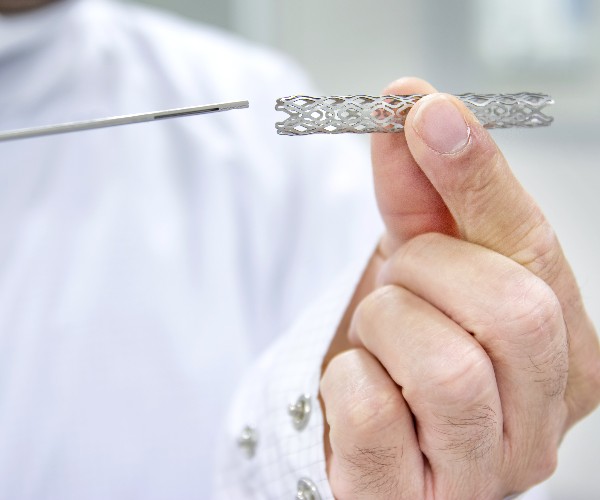
A coronary stent is a medical "device," that is, an instrument used in Coronary Angioplasty to clear the way for possible blockages in the coronary arteries by following invasive techniques having the goal of restoring regular blood circulation within the heart by ensuring its proper function.

The psychological aspects of Peyronie’s disease

All this naturally reverberates on the couple's relationship, with the triggering of bad moods, misunderstandings, etc. Especially if due to shame or an unestablished relationship, there is no communication between the partners in this regard.

RELATED PATHOLOGIES

Carotid stenosis

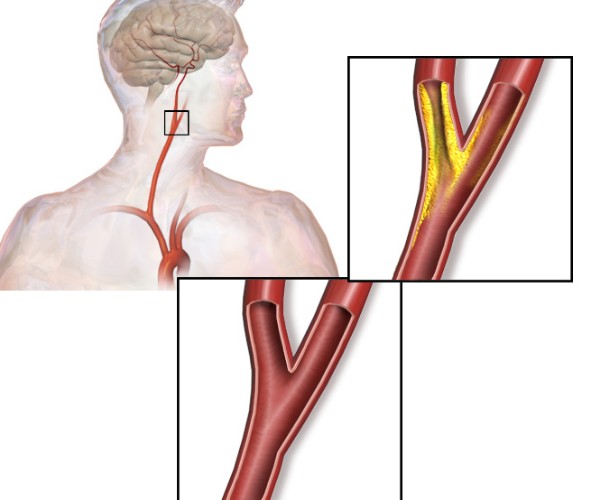
Carotid artery stenosis corresponds to a narrowing of the caliber of the carotid arteries, which are the main blood vessels supplying the brain with oxygen- and nutrient-rich blood (particularly glucose),

Deep vein thrombosis (DVT)

Deep vein thrombosis (DVT) occurs when a clot (thrombus) forms within a vein and completely or partially occludes it, blocking or restricting blood flow in that vessel. In principle, any

Mitral valve repair

Repair of an insufficient/deteriorated mitral valve can be done: Removing the malfunctioning segments of the valve leaflets; implanting “synthetic cords” (which replace the broken or “stretched” natural ones of the

Diseases of the heart valves

Heart valve diseases comprise a large group of structural alterations and dysfunctions, congenital or more often acquired, that prevent the valves that separate the different chambers of the heart (atria

Lymphedema

1/10 – What is lymphedema Lymphedema is a chronic pathological condition mainly manifested by swelling of a region of the body due to the accumulation of lymph in the tissues.

Coronaropathy

The term coronary artery disease refers to chronic “distress” of the coronary arteries, the arteries that supply blood to the heart muscle, in most cases brought about by atherosclerotic pathology

Heart failure (acute)

Acute Heart Failure (AHF) is a potentially life-threatening clinical condition that can result from the worsening of an already diagnosed chronic heart failure (heart failure) or represent its onset event.

Venous insufficiency

Venous insufficiency and associated vascular disorders, such as varicose veins and telangiectasias (superficial capillaries), mainly affect the venous vessels of the legs and arms and are mainly related to the

Cardiac Echodoppler

The echocardiogram, also known as echocardiography, is a diagnostic imaging technique based on the use of ultrasound, which is quick and easy to perform, harmless, painless, and low-cost, and because

Shock, medical emergency

It may happen that the circulation of blood through the body undergoes a sudden change giving rise to a condition of physiological shock, with decreased flow and crisis on the

FEATURED SPECIALISTS

  • Profile picture of Dott. Domenico Napolitano
    active 5 years, 8 months ago

    Gynecologists, Basic Doctors, Aesthetic Doctors

    • Viale Orazio Flacco 5 - Bari
    phone
  • Profile picture of Dott.ssa Erminia Maria Ferrari
    active 5 years, 8 months ago

    Homeopathic Medicine, Basic Doctors, Pediatricians

    • Via San Carlo 3 - Castel Rozzone
    phone
  • Profile picture of Dr. Antonio Varriale
    active 5 years, 8 months ago

    Aesthetic Doctors, Dentists, Basic Doctors

    • Via Grotta dell Olmo 20 - Giugliano in Campania
    phone
  • Profile picture of Dr. Monica Gamba
    active 5 years, 8 months ago

    Aesthetic Doctors, Plastic Surgeons, Basic Doctors

    • Viale Radich 21/N - Grugliasco
    phone
  • Profile picture of Dott.ssa Federica Filigheddu
    active 5 years, 8 months ago

    Basic Doctors

    phone

prenota il tuo viedeoconsulto in convenzione

Completa il form e sarai contatto dal personale medico specializzato

your advertising
exclusively ON
MY SPECIAL DOCTOR

complete the form and you will be contacted by one of our managers