





Summary
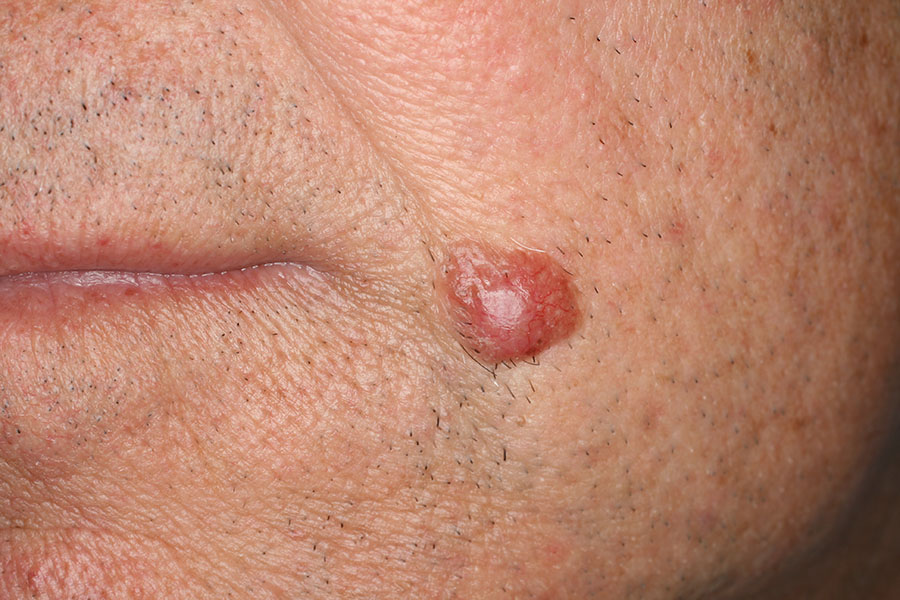
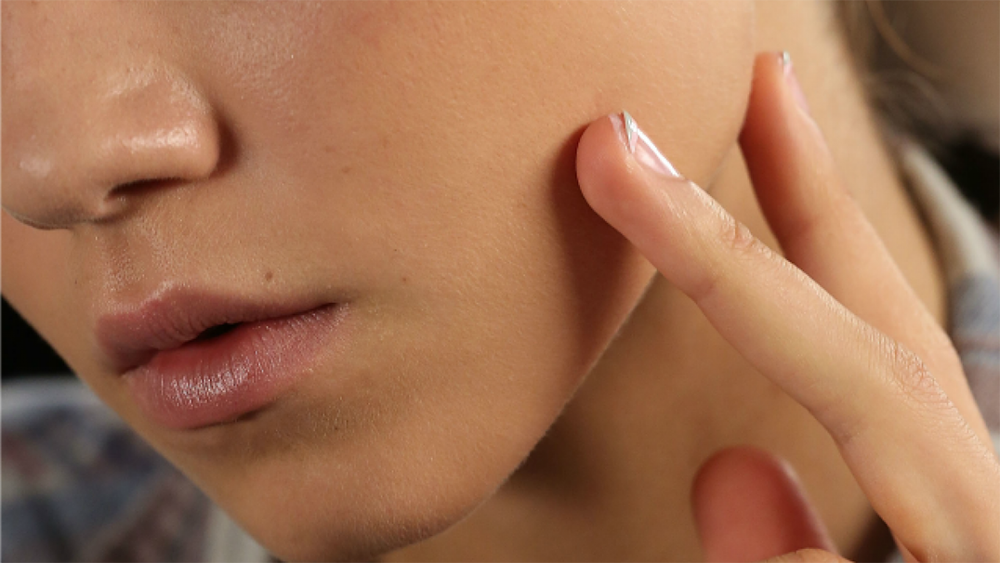
This skin condition is manifested by the formation of multiple spots on or just below the surface of the skin.
These blemishes commonly appear on the face, neck, chest, shoulders and back. Acne can affect anyone, but it most commonly affects teenagers and young adults.
Causes
L’acne si verifica quando le piccole aperture nella pelle, chiamate pori, vengono bloccate da cellule morte e sostanza oleosa.
Un poro ostruito provoca un accumulo di olio nelle ghiandole sebacee, che sono le ghiandole della pelle che producono sostanze oleose.
Quando la sostanza oleosa resta intrappolata si accumula all’interno delle ghiandole dove i batteri possono moltiplicarsi rapidamente, causando l’infiammazione dei tessuti circostanti.
Types of stains
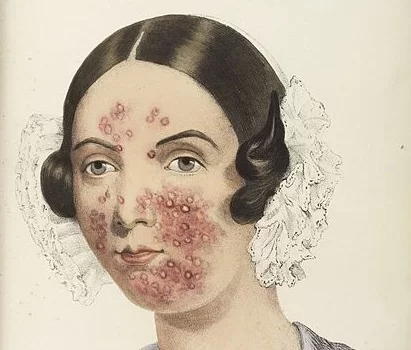
Acne spots can take the form of large pustules (called pimples) or small red bumps (called papules). A person with acne may develop small clogged pores (called blackheads) or small white bumps (called whiteheads). Small nodules or cysts may form under the skin.
Trigger
Acne breakouts can be triggered by the hormonal changes of puberty or pregnancy. Acne can also be caused by certain medications or by a diet rich in dairy products or carbohydrates.
Acne is not caused by eating fatty or sugary foods or by dirt on the skin.
Treatment
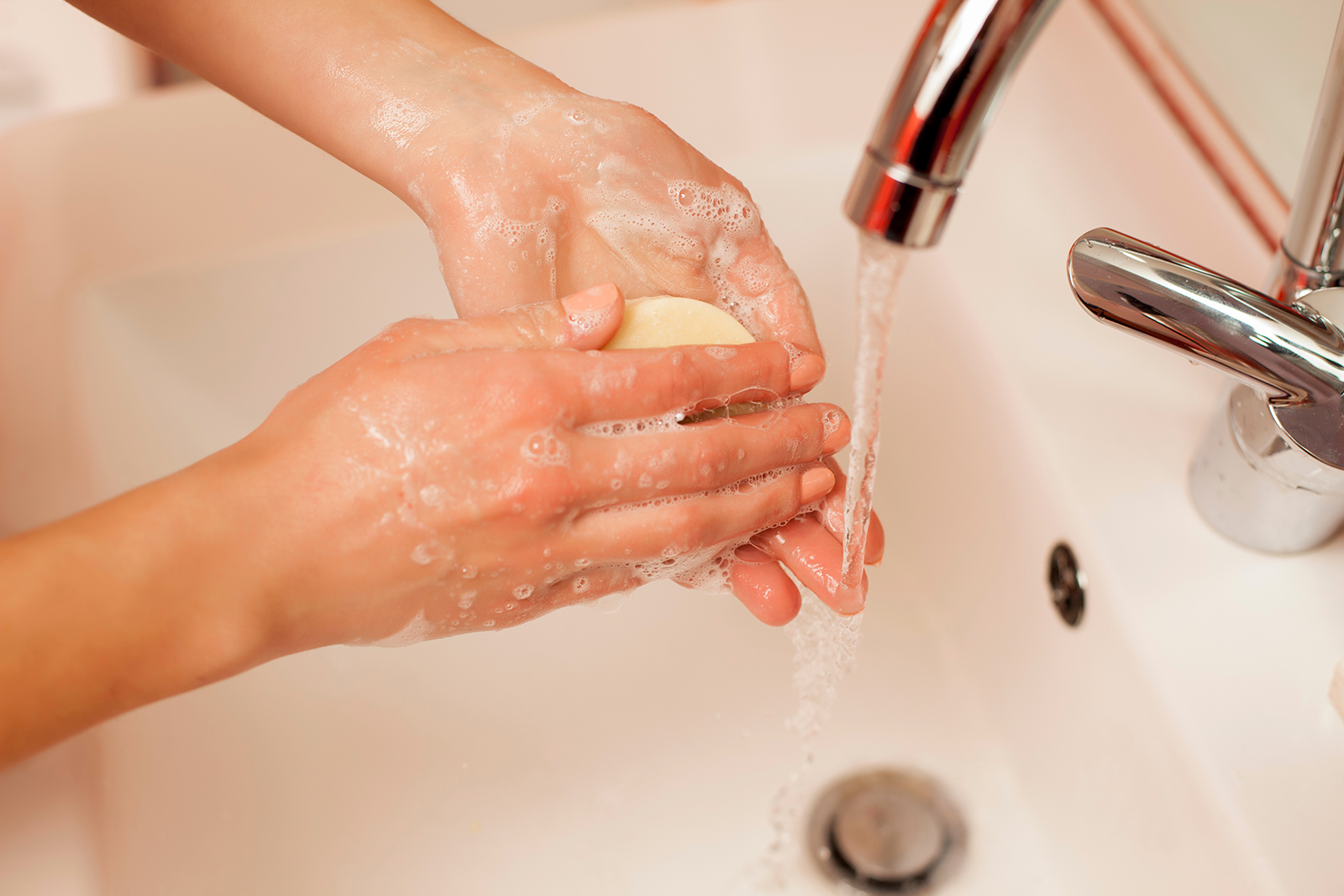
Acne is generally treated with cleansing products designed to remove excess skin and bacteria. It can also be treated with topical or oral prescription drugs, laser or light therapy, or cosmetic procedures such as chemical peels and microdermabrasion.
Overview
This common skin condition is the formation ofmultiple blemishes on or just beneath the surface ofthe skin. These blemishes commonly appear on theface, neck, chest, shoulders and back. Acne canaffect anyone, but it most commonly affectsadolescents and young adults.
Causes
Acne occurs when the small openings in the skin,called pores, become blocked with dead skin cellsand oil. A blocked pore causes a buildup of oil inthe sebaceous glands. These are the oil-producingglands of the skin. When trapped oil builds upwithin these glands, bacteria can multiply rapidly.This causes inflammation of the surroundingtissues.
Types of Blemishes
Acne blemishes may take the form of large pustules(called pimples) or small red bumps (calledpapules). A person who has acne may developsmall, dark clogged pores (called blackheads) orsmall white bumps (called whiteheads). Smallnodules or cysts may form beneath the skin.
Triggers
Acne breakouts can be triggered by the hormonalchanges of puberty or pregnancy. Acne can also becaused by certain medications, and by a diet rich indairy or carbohydrates. Acne is not caused byeating greasy or sugary foods or by having dirt onthe skin.
Treatment
Acne is typically treated with cleansing productsdesigned to remove excess oil and bacteria fromthe skin. It can also be treated withprescription-strength topical or oral medications,laser or light therapy, and cosmetic proceduressuch as chemical peels and microdermabrasion.