

of

Dealing with insomnia

Summary

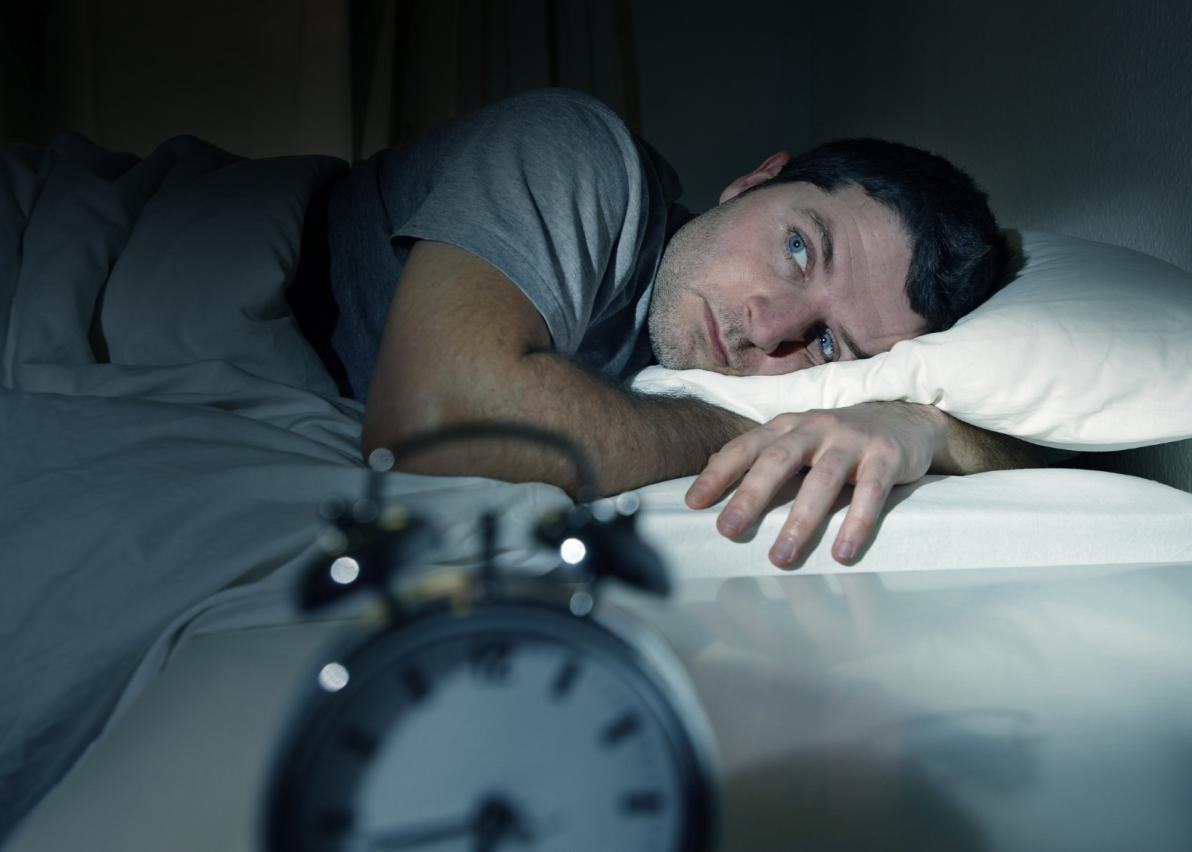
Suffering from insomnia means having very hard days. One feels exhausted and exposed to problems at work or school. But for many people, better sleeping habits can make a big difference. Here are some things that can help you get more sleep.

Making your sleeping space comfortable

First of all, you need to make sure that the sleeping area is comfortable and cozy. It should be kept clean, quiet, and dark.
Unwanted noises should be blocked by using a fan or other remedies, and heavy curtains should be used to reduce light coming from outside.

Sticking to a sleep schedule

Therefore, prepare a regular sleep schedule, with precise rules such as going to bed and waking up at the same time every day, even at weekends. This helps set your body’s internal clock. Then set a schedule and stick to it, possibly avoiding naps during the day, which could disturb night sleep.

Practising the right way

Try to exercise every day, avoiding doing it too close to bedtime. Exercising too close to bedtime may make it more difficult to fall asleep because of the increased energy the exercises transmit to the body.

Abandoning bad habits

Habits that can disturb sleep such as drinking alcohol and smoking should also be avoided. Avoid eating a large meal in the evening. It is advisable not to use electronics before going to bed. The light from electronic devices such as tablets and telephones can make it difficult for the brain to switch to sleep mode. Therefore, it is better not to use them before bedtime.

Conclusion

If even after trying these methods you are not getting results and are losing sleeplessness, it is best to talk to your doctor so that you can get the treatment you need.


Overview

If you have insomnia, your days are hard. You feelexhausted, and you may have trouble at work or atschool. But for many people, better sleep habitscan make a big difference. Here are some thingsthat may help you get more sleep

Make your sleep space comfortable

First, make sure your sleep space is comfortable.Keep it clean, quiet and dark. Block unwantednoises with a fan or a sound machine. Use heavyblinds to block out light from outside.

Stick to a sleep schedule

Next, make a regular sleep schedule. Plan to go tosleep and wake up at the same times every day,even on weekends. This helps set your body’sinternal clock. So make a schedule and stick to it.And avoid naps during the day if you can. Naps candisrupt sleep at night.

Exercise the right way

Try to get some exercise every day. But make sureyou don’t exercise too close to your bedtime. If youdo, you may energize your body and make it harderfor you to fall asleep.

Ditch the bad habits

You also need to avoid things that disrupt sleep. Sodon’t drink alcohol, and don’t smoke. Don’t eat alarge meal in the evening. And don’t use electronicsbefore you go to bed. The light from things likeelectronic tablets and phones makes it hard for yourbrain to shift into sleep mode. So don’t use thembefore sleeping.

Conclusion

If you’ve tried these methods and you still can’t sleep, talk to your doctor so you can get the care you need.

FEATURED SPECIALISTS

  • Profile picture of Dott.ssa Francesca Vittorelli
    active 5 years, 5 months ago

    Therapist, Acupuncturists, Basic Doctors

    • Corso Andrea Palladio 134 - Vicenza
    phone
  • Profile picture of Dr. Giuseppe Lepore

    active 5 years, 5 months ago

    Dermatologists, Basic Doctors, General Surgeons

    • 19 Via Manzoni Alessandro - Garbagnate Milanese
    phone
  • Profile picture of Dott. Sandro Morganti
    active 5 years, 5 months ago

    Orthopedists, Basic Doctors, Osteopaths

    • Via Foligno 6 - Roma
    phone
  • Profile picture of Dott.ssa Maria Grazia Caruana
    active 5 years, 5 months ago

    Aesthetic Doctors, Basic Doctors

    • Viale Prassilla 41 - Roma
    phone
  • Profile picture of Dott. Massimo Carotenuto
    active 5 years, 5 months ago

    General Surgeons, Basic Doctors

    • Via Lepanto 95 - Pompei
    phone

RELATED PATHOLOGIES

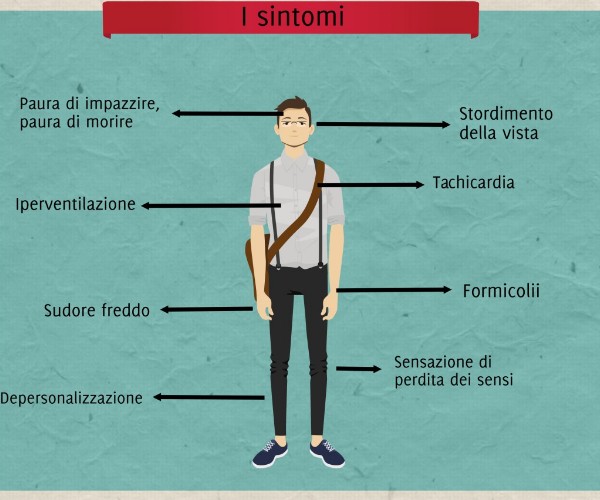
Panic attack disorder

Panic attack disorder is a psychiatric disorder characterized by episodes of sudden and intense fear, anguish, and feeling of imminent death or strong fear for one’s safety, which leads those

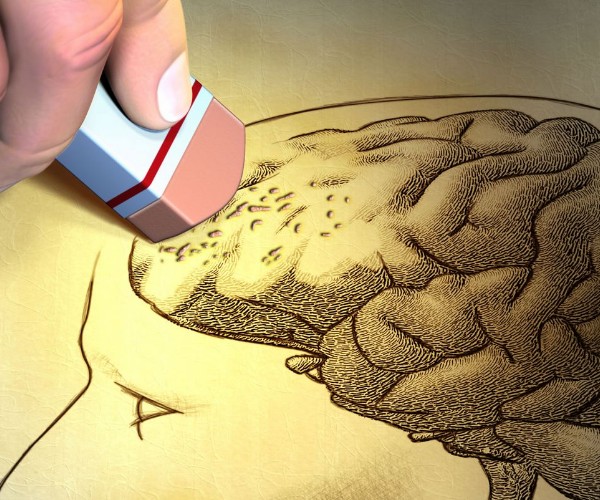
Alzheimer’s disease

Alzheimer’s disease is the most common and severe degenerative disease of the brain, characterized by a progressive decline in cognitive functions (in particular, memory and language) associated with aging. It

Sleep and mood disorders

Sleep disorders and mood disorders are linked by a double thread and articulately affect each other. Decades of studies and clinical-practical experience, both in the field of Sleep Medicine and

Trigeminal neuralgia

The trigeminal nerve is the fifth of the twelve pairs of cranial nerves in the head; it is the nerve responsible for providing sensation to the face. One trigeminal nerve

Spinal canal stenosis

Spinal canal stenosis consists of the narrowing of a section of the canal present along the entire spine (formed by the aligned succession of small holes in the center of

Epilepsy

Epilepsy is a chronic neurological disorder of the central nervous system, characterized by recurrent acute attacks (seizures), unpredictable in frequency, intensity and duration, interspersed with periods of well-being in which

Glaucoma

Glaucoma is a serious eye disease that can cause blindness, mainly due to increased pressure inside the eye that damages the optic nerve. The disease can occur at any age,

Uncontrolled eating disorder

Uncontrolled eating disorder is an eating behavior disorder that is characterized by an inability to control food intake, resulting in the more or less frequent repetition of binges similar to

Hemorrhagic stroke

According to the official definition of the World Health Organization (WHO), stroke corresponds to a “sudden onset of signs and/or symptoms referable to local and/or global deficits in brain function,

Schizophrenia

Schizophrenia is a severe and disabling chronic psychiatric illness that mainly arises in late adolescence or early adulthood, resulting in an altered perception of reality and consequent improper and unpredictable

Shock, medical emergency

It may happen that the circulation of blood through the body undergoes a sudden change giving rise to a condition of physiological shock, with decreased flow and crisis on the

Anorgasmia

Anorgasmia is the syndrome by which we refer to the difficulty in having orgasms even after normal sexual stimulation. The intensity and frequency of orgasms in women are variables that

RELATED ARTICLES

Eating disorders: dyspepsia

Digestion is an essential process for the life of humans and many other living organisms. Feeding is not just an instinct, but a pleasure, an indispensable ritual aimed at socialization

Fainting in pregnancy not to be overlooked

Fainting in pregnancy is an uncommon occurrence and is generally thought to be a benign, consequence-free phenomenon related to the effects of hormonal changes characteristic of gestation on the cardiovascular

Sunscreens: fda proposes new safety rules

The Food and Drug Administration (Fda) has issued a plan – long overdue – to update product regulations for the protection sunscreen marketed in the United States. The move could

Thyroid slowed down?

The thyroid is a small gland that is responsible for regulating metabolism, that is, the rate at which food intake is converted into energy. If thyroid activity slows down too

Inflammation of adenoids

Adenoids are made up of lymphatic tissue and are located at the top of the throat, behind and above the tonsils, at the point where the nasal cavities connect right

Yoga: how to relax in 12 moves

In recent decades, the yoga has practically conquered the Western world, coming in many variations and promising, depending on the case, to relax and relieve stress, promote mental and physical

CT Computed Axial Tomography

Computed tomography, abbreviated as CT, still often commonly referred to as CAT (computerized axial tomography) despite the evolution of the method, is an imaging investigation that provides very detailed three-dimensional

6. Relaxation

Apnea is a discipline that greatly helps us to know ourselves and whose purpose is to savor sensations of pleasure and well-being in the water. Many factors can create states

Diseases caused by excessive alcohol consumption

There can be many disorders and diseases that alcohol abuse is capable of directly causing or can contribute to. When excess alcohol accumulates, it reaches the bloodstream affecting organs and their vital activities.

Informed consent: a right of every patient

Informed consent, understood as the obligation to inform the patient, is the acceptance by a patient of medical treatment, care, therapy proposed to him or her by a physician. It

FEATURED SPECIALISTS

  • Profile picture of Dott.ssa OLGA PETROVSKAIA
    active 5 years, 5 months ago

    Pain therapists, Basic Doctors, Therapist

    • Via Giulio Romano 3 - Valle Martella
    phone
  • Profile picture of Dr. Vittorio Margutti
    active 5 years, 5 months ago

    Orthopedists, Basic Doctors

    • Via Marco Simone Poli 1 - Guidonia Montecelio
    phone
  • Profile picture of Dr. Lucia Catalano
    active 5 years, 5 months ago

    Gynecologists, Senologists, Basic Doctors

    • Via Belluno 1 - Roma
    phone
  • Profile picture of Dr. Fabio Fabi
    active 5 years, 5 months ago

    Sports Doctors, Internist, Basic Doctors

    • Via Sarsina 147 - Roma
    phone
  • Profile picture of Dott.ssa Carmela Tizziani
    active 5 years, 5 months ago

    Coroner, Certifying Doctor, Basic Doctors

    • Via Gaetano Bruno 25 - Napoli
    phone

prenota il tuo viedeoconsulto in convenzione

Completa il form e sarai contatto dal personale medico specializzato

your advertising
exclusively ON
MY SPECIAL DOCTOR

complete the form and you will be contacted by one of our managers