

of

Mitral valve repair (minimally invasive technique)

Summary

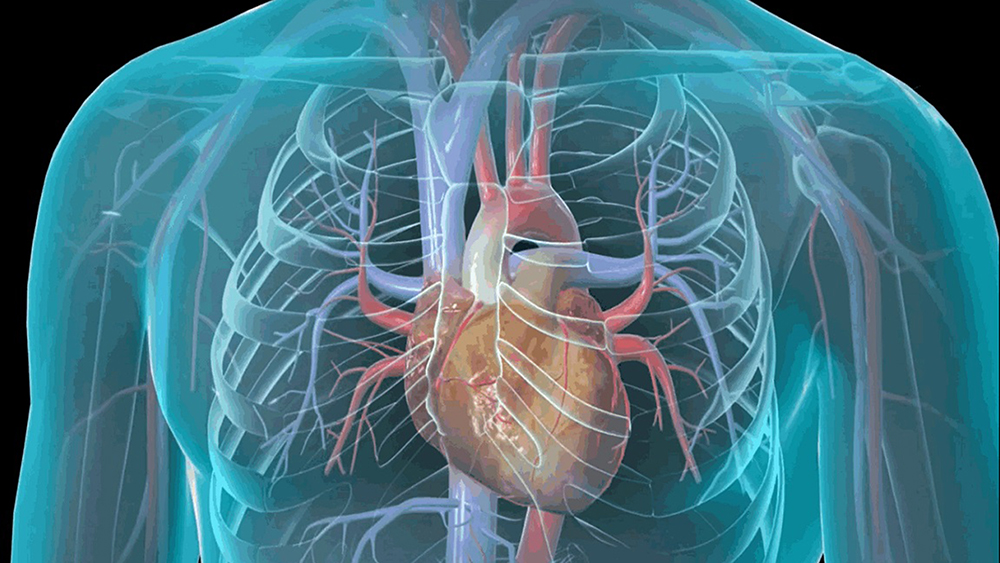
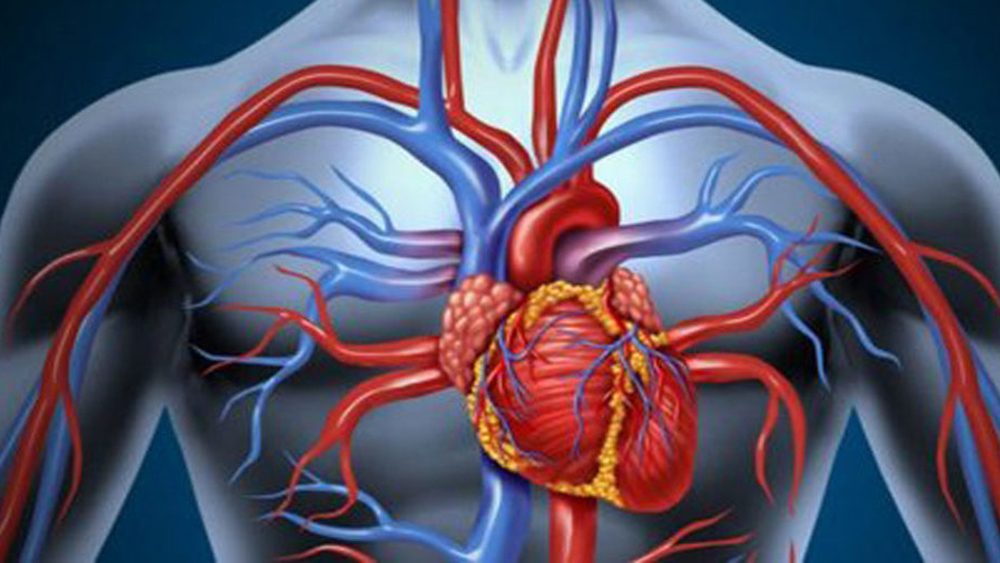
This operation aims to solve a problem in the mitral valve of the heart, i.e. the valve between the two chambers on the left side of the heart.

Preparation

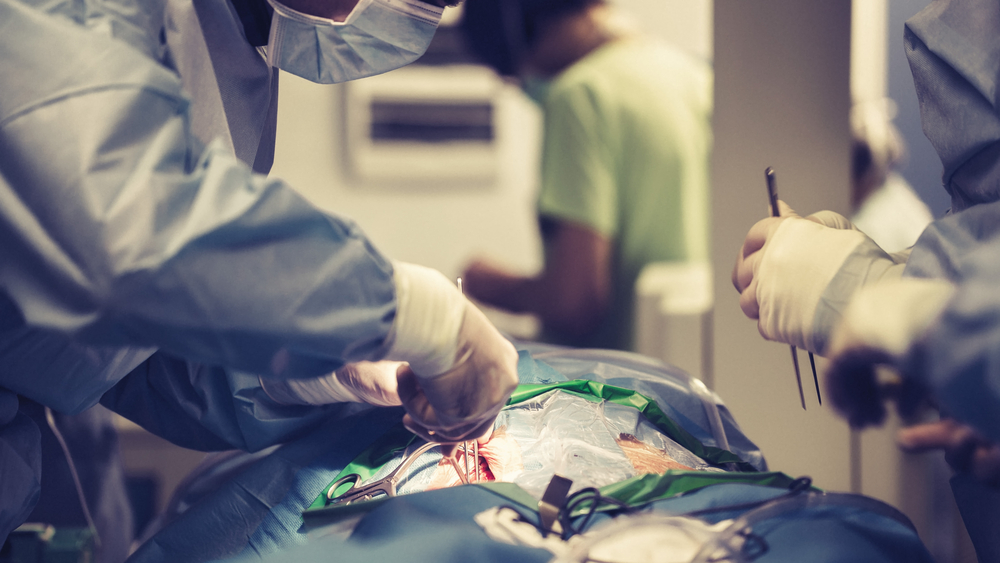
To begin, the patient is positioned on their back and given a medication to help them fall asleep, while the surgeon gains access to the heart through a small incision on the chest or near the armpit. Alternatively, if the procedure is done endoscopically, the surgeon makes tiny incisions to allow the insertion of a camera and surgical instruments.
The heart is kept still during the surgery, with its function taken over by a heart-lung machine that provides blood and oxygen to the body.

Intervention

A small entry point is made in the left side of the heart. The surgeon carefully examines the mitral valve.
A healthy valve has two flaps (called “cusps”) that open and close to allow blood to pass through. If the flaps are malformed, fused, or damaged, they can be reshaped or reconstructed. The surgeon may need to adjust the tendinous chords, which are very small, cord-like tendons that connect the valve to the heart muscle. The surgeon may then need to repair the cartilage ring surrounding the mitral valve.

End of Intervention

At the end of the procedure, the heart and chest are closed, and the incision is dressed with a bandage. The patient is required to stay in the hospital for a certain period for post-operative monitoring.
The primary care doctor will provide the best advice for optimal post-surgical recovery.


Overview

This is a procedure to fix a problem with yourheart’s mitral valve. That’s the valve between thetwo chambers on the left side of your heart.

Preparation

To begin, you lie on your back and you are givenmedicine to put you to sleep. The surgeonaccesses your heart through a small incision onyour chest or near your armpit. Or, if you are havingan endoscopic procedure, your surgeon makes afew tiny openings for a camera and instruments.Your heart is stopped for the procedure. Aheart-lung machine will supply blood and oxygenfor your body.

Procedure

A small opening is made in the left side of yourheart. Your surgeon carefully examines the mitralvalve. A healthy valve has two flaps (called “cusps”)that open and close to let blood through. If yourflaps are malformed, fused or damaged, they canbe trimmed, shaped or rebuilt. The surgeon mayneed to adjust the chordae tendinae. These are thetiny string-like tendons that connect the valve to theheart muscle. And, your surgeon may need torepair the annulus. That’s the ring of cartilagearound the mitral valve.

End of Procedure

When the procedure is done, your heart and chestare closed and the incision is covered with abandage. You will need to stay in the hospitaltemporarily for monitoring. Your healthcare providerwill give you tips to help your recovery.

FEATURED SPECIALISTS

  • Profile picture of Dott.ssa Erminia Maria Ferrari
    active 5 years, 7 months ago

    Homeopathic Medicine, Basic Doctors, Pediatricians

    • Via San Carlo 3 - Castel Rozzone
    phone
  • Profile picture of Dott.ssa Francesca Vittorelli
    active 5 years, 7 months ago

    Therapist, Acupuncturists, Basic Doctors

    • Corso Andrea Palladio 134 - Vicenza
    phone
  • Profile picture of Studio Medico San Pellegrino
    active 5 years, 3 months ago

    Sports Doctors, Basic Doctors

    Spread the word!

    Recommend this special

    doctor to a friend

    message phone house
    visit
    video
    consulting
    WhatsApp conferences
    and webinars
  • Profile picture of Dott.ssa Monica Calcagni
    active 5 years, 7 months ago

    Gynecologists, Aesthetic Doctors, Basic Doctors

    • Via Casilina 32 - Arce
    phone
  • Profile picture of Dott.ssa Emanuela Costantino
    active 5 years, 7 months ago

    Neurologists

    • Via Gallinara 2/B - Cagliari
    phone

RELATED PATHOLOGIES

Atherosclerosis

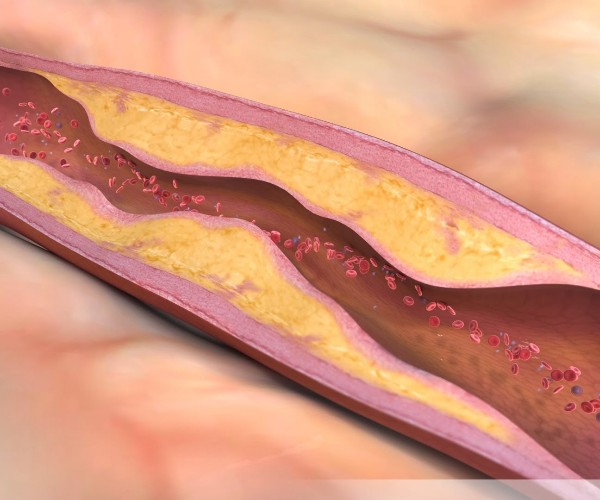
Atherosclerosis is a pathological process that leads to the progressive formation of localized deposits composed mainly of fat and cholesterol and platelets (atheromas or atherosclerotic plaques) within the walls of

Cardiac arrest

Cardiac arrest corresponds to the interruption of the heart’s contraction and pumping action, resulting from a sudden and drastic alteration in its electrical activity (ventricular fibrillation). Cardiac arrest is an

Aortic aneurysm

An aortic aneurysm refers to permanent dilatation of a well-defined segment of the aorta, the largest artery in the body that receives blood directly from the left ventricle and distributes

Aortic valvulopathy

When the aortic valve does not properly perform its function of pumping blood into the heart, an aortic disease condition occurs that also involves the left ventricle. Aortic valve disease

Intracranial hypertension

Increased pressure within the head box may be related to cerebral edema or the presence of an intracranial expansive lesion, an obstruction of CSF circulation, or the association of these

Cardiac Echodoppler

The echocardiogram, also known as echocardiography, is a diagnostic imaging technique based on the use of ultrasound, which is quick and easy to perform, harmless, painless, and low-cost, and because

Heart failure (acute)

Acute Heart Failure (AHF) is a potentially life-threatening clinical condition that can result from the worsening of an already diagnosed chronic heart failure (heart failure) or represent its onset event.

Cellulite

Cellulite is an inflammatory-based alteration of the fat-rich subcutaneous tissue(panniculus adiposus), triggered by fluid stagnation due to poor venous and lymphatic circulation (lymph is a fluid that flows in channels

Peripheral arteriopathy obliterans

Peripheral arteriopathy obliterans is a vascular disease that affects the arteries, especially those in the legs, preventing the muscles and tissues from receiving adequate blood supply, resulting in symptoms of

Hypertension

According to the ESH-ESC guidelines, hypertension is defined by the finding of systolic (maximum) blood pressure values ≥ 140 mmHg and/or diastolic (minimum) blood pressure values ≤ 90 mmHg. The

Mitral valve repair

Repair of an insufficient/deteriorated mitral valve can be done: Removing the malfunctioning segments of the valve leaflets; implanting “synthetic cords” (which replace the broken or “stretched” natural ones of the

Angina pectoris

Referred to by the Latin name for its main manifestation, a weight-like or vice-like tightness in the chest, angina pectoris is not a disease per se, but the consequence of

RELATED ARTICLES

Foreign body (in the digestive tract)

It’s very easy for a child to ingest a foreign body. The symptoms are sometimes asymptomatic and the body is easily excreted. Other times it may cause dysphagia, anorexia, anxious


Fibromyalgia, a real puzzle of modern medicine

Fibromyalgia syndrome, more commonly known as fibromyalgia, represents a real enigma, as recently pointed out by some authors (Häuser et al, 2019). Over the past three decades, the acceptance, although

Diving, the basic rules

The human body, while moving through water, swimming or diving, knows that it poses a constant danger since it cannot survive under this element except with reserves of air. Never dive alone.

Time management

There are different ways to use time , and the worst way is to do something well that does not need to be done, wasting energy that accomplishes nothing. We

Constipation

Constipation (i.e., constipation) is an alteration of the alvus characterized by frequent, difficult and apparently incomplete emission of stools of increased consistency.

Sudden pain in the child

Children who complain of pain during sleep hours resolve in a short time without the need for special treatment, but sometimes the cause may be there and must be identified quickly to prevent worsening of symptoms.

Eye injuries

Eye injuries are serious, as they can lead to vision loss or infection. It is, therefore, important to seek advice from an ophthalmologist. Penetrating injuries Many penetrating lesions are evident.

Vaginal candidiasis

Vaginal candidiasis infection is a fungal infection that causes irritation, discharge, and intense itching of the vagina and vulva; it is also called vaginal candidiasis and usually every woman has been affected at least a few times in her lifetime.

FEATURED SPECIALISTS

  • Profile picture of Dott.ssa OLGA PETROVSKAIA
    active 5 years, 7 months ago

    Pain therapists, Basic Doctors, Therapist

    • Via Giulio Romano 3 - Valle Martella
    phone
  • Profile picture of Dr. Squillante Gianni Erminio
    active 5 years, 7 months ago

    Acupuncturists, Homeopathic Medicine, Basic Doctors

    • Via Monterotondo 14 - Roma
    phone
  • Profile picture of Dott. Domenico Napolitano
    active 5 years, 7 months ago

    Gynecologists, Basic Doctors, Aesthetic Doctors

    • Viale Orazio Flacco 5 - Bari
    phone
  • Profile picture of Dott.ssa Monica Calcagni
    active 5 years, 7 months ago

    Gynecologists, Aesthetic Doctors, Basic Doctors

    • Via Casilina 32 - Arce
    phone
  • Profile picture of Dr. Giuseppe Lepore
    active 5 years, 7 months ago

    Dermatologists, Basic Doctors, General Surgeons

    • 19 Via Manzoni Alessandro - Garbagnate Milanese
    phone

prenota il tuo viedeoconsulto in convenzione

Completa il form e sarai contatto dal personale medico specializzato

your advertising
exclusively ON
MY SPECIAL DOCTOR

complete the form and you will be contacted by one of our managers