


of

9. Compensation

shutterstock_1313964545

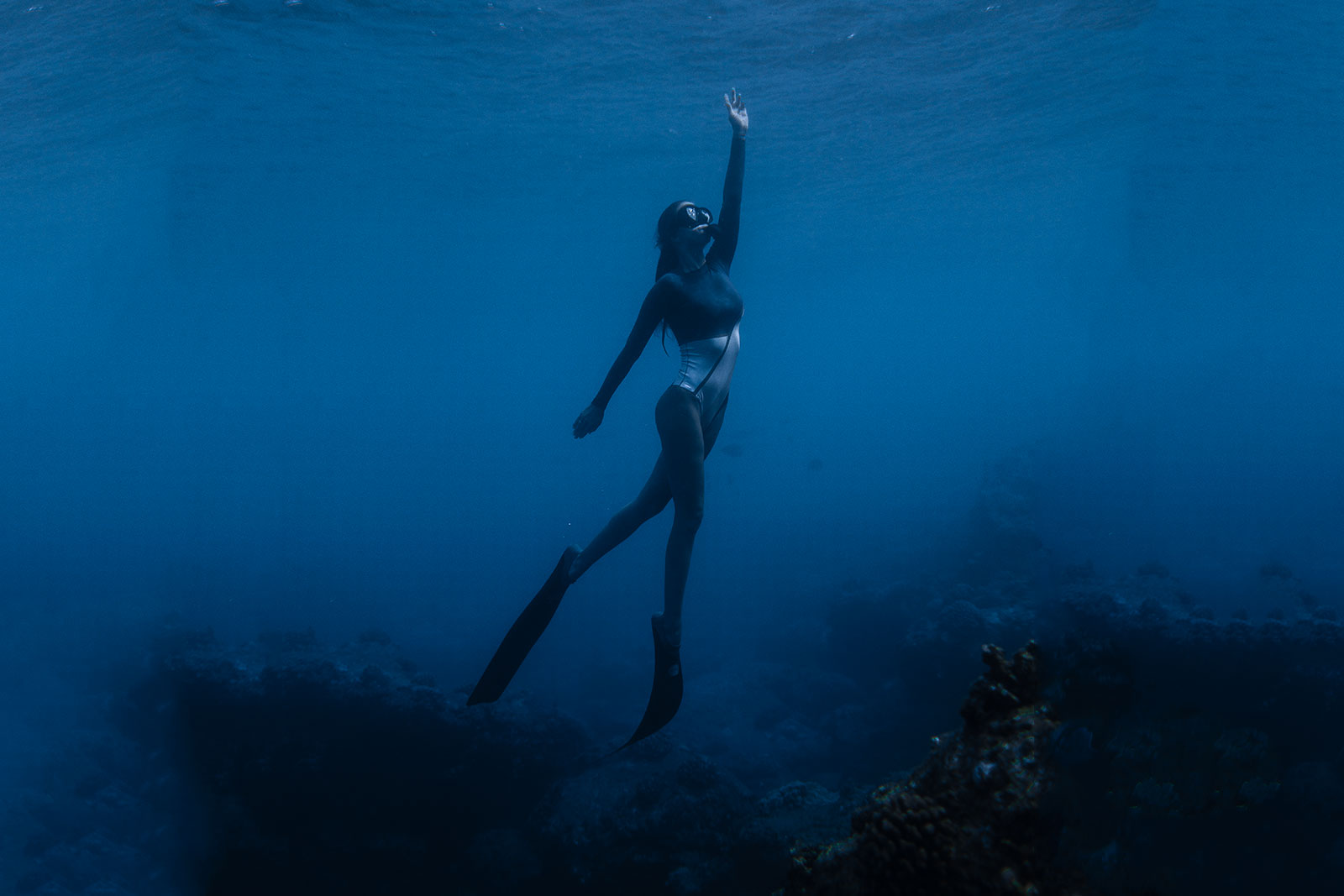
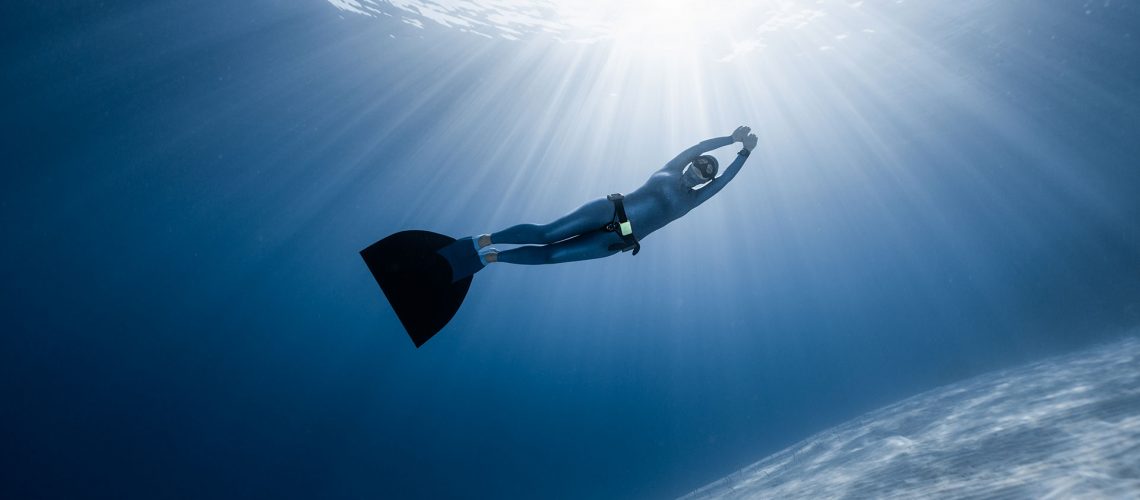
With this maneuver, the apneist returns the eardrums to a neutral position, which, due to the external pressure, which reduces the volumes of the air zones of our body, would tend to introflex to the point of injury or rupture if they were not rebalanced.

Ambient pressure, which increases with depth, causes a reduction in the volume of the aerial parts of our body (lesson 3), compensating the ears reconstitute the original volumes, keeping the eardrum in a neutral position.
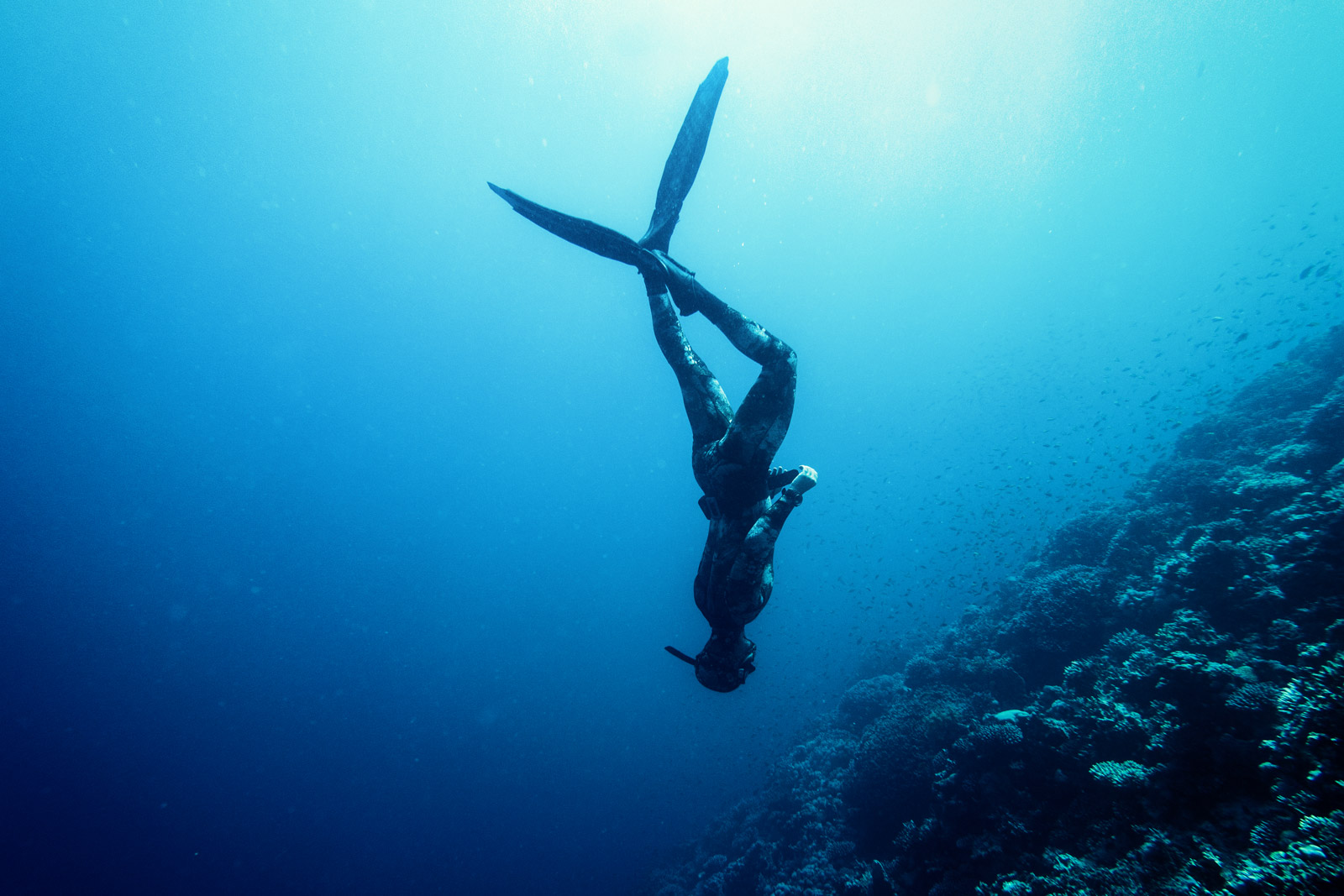
The freediver’s mask must also be compensated for: it is filled with air, which decreases in volume as one descends into depth. If we did not compensate for it, an at first annoying and then painful and finally dangerous vacuum situation would be created in it and that, sucker-like, could pull and even make the athlete’s eyes squint.

https://youtu.be/_ysnQCTrdvM&feature=youtu.be

Compensation is a maneuver that should be carried out most frequently in the first few meters of descent in which (first 10 meters) there is a halving of the volume of the aerial parts (see lecture 3, Boyle’s law), which is the most important reduction we see in a deep descent; as we descend, reductions will continue to occur, but in a less than proportional manner, and the time required between clearances will lengthen.
It will, however, become more and more difficult, since as the volume of air contained in our lungs also becomes smaller and smaller, it will gradually become more and more difficult to bring to the ears the proper amount to perform this maneuver.

To facilitate subsequent compensations, it is advisable for the freediver to start with the ears already compensated, right from the flip, and never get to that muffled and/or painful feeling forcing us to perform such a maneuver, but anticipating these moments: by the time we come to feel pain, it is often late and compensation would require such an effort that would certainly, in the first place, affect the state of relaxation and then, in many cases, it would not succeed or might even cause some harm to the apneist.
For the same reasons, it is advisable to always have a well-compensated mask, insufflate a trickle of air through the nose, and make sure that the compensatory sequence is always mask-ear, and this is because a compensated mask, facilitates the maneuver involving the ears. An uncompensated, vacuum mask, on the other hand, would tend to pull air, plunger-like, through the nose and make it more complicated to rebalance volumes and reposition the eardrum into proper shape.

Valsalva maneuver:

You bring your hands to your nose, hold it and blow: air cannot come out of the nose, nor out of the mouth, which must be closed, so it naturally goes to the ears. It is an effective compensation that directly connects the air in the lungs with the tympanic membrane.

Marcante Odaglia or Frenzel maneuver:

This technique assumes, unlike the previous one, that at the time we put our hands to our nose and blow, with our mouth closed, the glottis is also closed and the soft palate is open.
In most cases it is done without the knowledge that this is happening, but there are huge differences between the two maneuvers.
The latter is gentler and more relaxing than the former and that is intuitive, as more effort is required with the latter, as air has to reach from the bottom of the lungs to the ears, while with Frenzel It is the air in our mouths that needs to be brought to the eardrums: the shorter path it has to travel, requires the use of fewer muscles, thus less effort, and the execution is also faster and more effective.

The muscles involved in compensation can also be trained, through tubal gymnastics, which can be, for example, done by inflating a balloon with the nose. One can then exercise the tongue, extroverting and introflexing it to the fullest extent, the jaws (mandibular exercises) or the cheeks (blowing on a candle gradually farther away or through a narrow straw).

There are compensatory maneuvers for more EXPERIENCED freedivers: the floodingmaneuver, which, however, has many contraindications and therefore is no longer used today and the Mouth Fill. With the former, freedivers, upon reaching a certain depth, would remove the nose plug and let the sea flood the air-containing parts of the oropharyngeal cavity. Since these were now, these, filled with water, which is a liquid, thus incompressible and not subject to volume reduction under pressure, they circumvented the obstacle or problem of compensation.

The Mouth Fill è A maneuver by which the apneist keeps the Eustachian tubes open at all times, managing the air in his mouth, which he continues to recharge, taking it from the lungs, up to a certain altitude beyond which it is no longer possible for him to recharge, due to the volume reduction that also takes place within them. The athlete must be good at managing the glottis and leaving the soft palate open, while the mandibles, cheeks and tongue constantly keep air pressure towards the ears.

by Mariafelicia Carraturo
www.feliciacarraturo.it

FEATURED SPECIALISTS

  • Profile picture of Dott.ssa Irene Pistis
    active 5 years, 6 months ago

    Aesthetic Doctors, Basic Doctors, Certifying Doctor

    • Via della Reoubblica 461/3 - Vergato
    phone
  • Profile picture of Dr. Giuseppe Panico
    active 5 years, 6 months ago

    Dermatologists, Basic Doctors

    • Viale Prassilla 41 - Roma
    phone
  • Profile picture of Dr. Giandomenico Mascheroni
    active 5 years, 6 months ago

    Endocrinologists, Basic Doctors, Certifying Doctor

    • Via Petrarca 53 - Carnago
    phone
  • Profile picture of Dr. Antonio Varriale
    active 5 years, 6 months ago

    Aesthetic Doctors, Dentists, Basic Doctors

    • Via Grotta dell Olmo 20 - Giugliano in Campania
    phone
  • Profile picture of Dott.ssa Anna Puccio
    active 5 years, 6 months ago

    Gynecologists, Basic Doctors

    • Via Vincenzo Ponsati 69 - Volvera
    phone

RELATED ARTICLES

3. Air, water, sun, plant life

Plant life is a complex recipe made possible by simple ingredients-carbon dioxide in the air, mineral salts in the soil, just enough water, light energy from the sun to activate

8. Preparation for the freediving test

Before any apnea, whether it is static, dynamic or deep, it is a good idea to take a time where you isolate yourself and relax, breathing in stillness and awareness, detaching your mind as if in a kind of meditation, to clear it of anxieties and stress.

2. The water environment

Buoyancy thrust and pressure. A body, immersed in a liquid, receives a bottom-up thrust equal to the weight of the displaced liquid volume.

The support of the foot during running

Running is one of the most popular physical activities for several reasons. Primarily because it does not require any kind of special or even expensive equipment, the only thing you

4. Natural plant world and human presence

Compared to the imaginative clothes worn by plants to better adapt to natural environments, those imposed by humans reflect the need on the part of humans to indulge their own desires.

How, how much and what to drink indoors

“The cold season is here. Fewer hours of daylight, frigid temperatures, frequent rain and a whole host of inclement weather cause many of you endurance enthusiasts to take refuge within

2. Origin of plants on earth

Today's extant plant forms reflect a complex evolutionary "work" that has taken place over more than 400 million years, during which plants have deployed cunning strategies to be able to adapt to various types of environments, managing to survive and reproduce even in the most climatically severe places.

RELATED PATHOLOGIES

Jugular stenosis

Jugular stenosis corresponds to a narrowing of the lumen of the jugular veins, which are the main blood vessels that collect oxygen-poor blood from the brain and return it to

Peripheral arteriopathy obliterans

Peripheral arteriopathy obliterans is a vascular disease that affects the arteries, especially those in the legs, preventing the muscles and tissues from receiving adequate blood supply, resulting in symptoms of

Periodontal disease

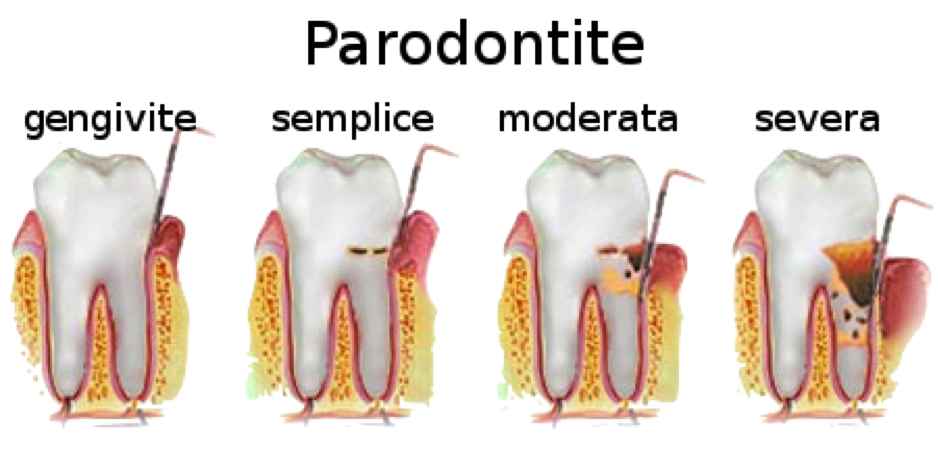
Periodontitis, also called periodontal disease, begins with bacterial growth in the mouth and can end-if not properly treated-with tooth lossdue to destruction of the tissue surrounding the teeth. Gingivitis (inflammation

Xerostomia

Xerostomia, also known as “dry Imouth” or “dry mouth,” refers to a condition in which the salivary glands do not produce enough saliva to keep the mouth wet.   Saliva

Atrial fibrillation

Atrial fibrillation is the most common heart rhythm disorder in the Western world. In the United States it affects about three million people; in Italy, an estimated 600-700 thousand people

Laryngitis

Laryngitis refers to inflammation of the larynx, the anterior tract of the trachea, where the vocal cords are located and which is the fundamental organ of phonation. In cases of

Dentin sensitivity

Dentin sensitivityis when, in response to certain stimuli, the patient experiences discomfort or pain, acute and short-lived, that is not attributable to specific dental causes or disorders. Triggering dentin sensitivity

Dental abscess

A dental abscess is a pocket of pus caused by a bacterial infection. Abscess can occur in different regions of the tooth and for different reasons. A periapical abscess occurs

Tonsillitis

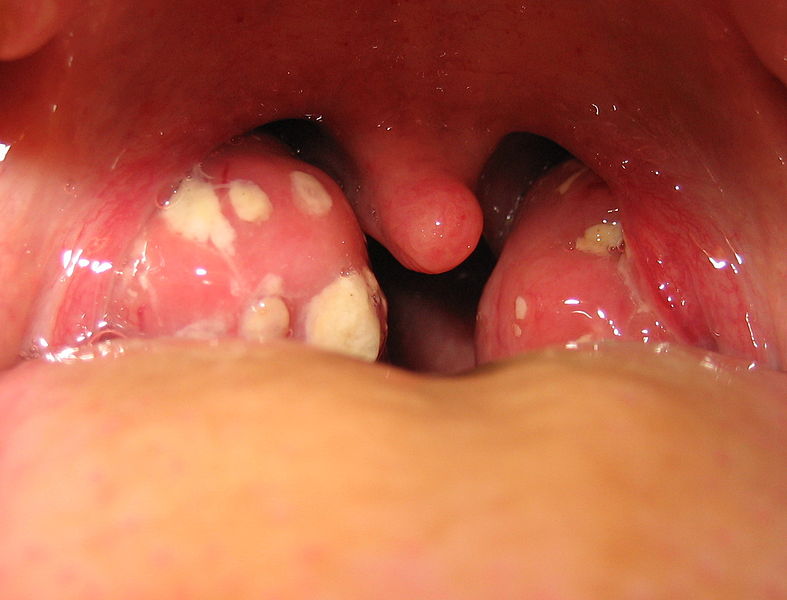
The tonsils are lymphoglandular organs found in the oral cavity and perform a function of protecting the respiratory system from microorganisms in the air. They are divided into four major

Aortic aneurysm

An aortic aneurysm refers to permanent dilatation of a well-defined segment of the aorta, the largest artery in the body that receives blood directly from the left ventricle and distributes

FEATURED SPECIALISTS

  • Profile picture of Dott.ssa Izabella Sylwia Bartosiewicz
    active 5 years, 6 months ago

    Basic Doctors, Rheumatologists

    phone
  • Profile picture of Dr. Giuseppe Lepore
    active 5 years, 6 months ago

    Dermatologists, Basic Doctors, General Surgeons

    • 19 Via Manzoni Alessandro - Garbagnate Milanese
    phone
  • Profile picture of Dott.ssa Maria Grazia Caruana
    active 5 years, 6 months ago

    Aesthetic Doctors, Basic Doctors

    • Viale Prassilla 41 - Roma
    phone
  • Profile picture of Dr. Roberto Zaffaroni
    active 5 years, 6 months ago

    Basic Doctors, Therapist

    • Via San Francesco D' Assisi 5 - Varese
    phone
  • Profile picture of Dr. Squillante Gianni Erminio
    active 5 years, 6 months ago

    Acupuncturists, Homeopathic Medicine, Basic Doctors

    • Via Monterotondo 14 - Roma
    phone

prenota il tuo viedeoconsulto in convenzione

Completa il form e sarai contatto dal personale medico specializzato

your advertising
exclusively ON
MY SPECIAL DOCTOR

complete the form and you will be contacted by one of our managers