

of

The Cutting phenomenon: what drives teenagers to cut themselves ?

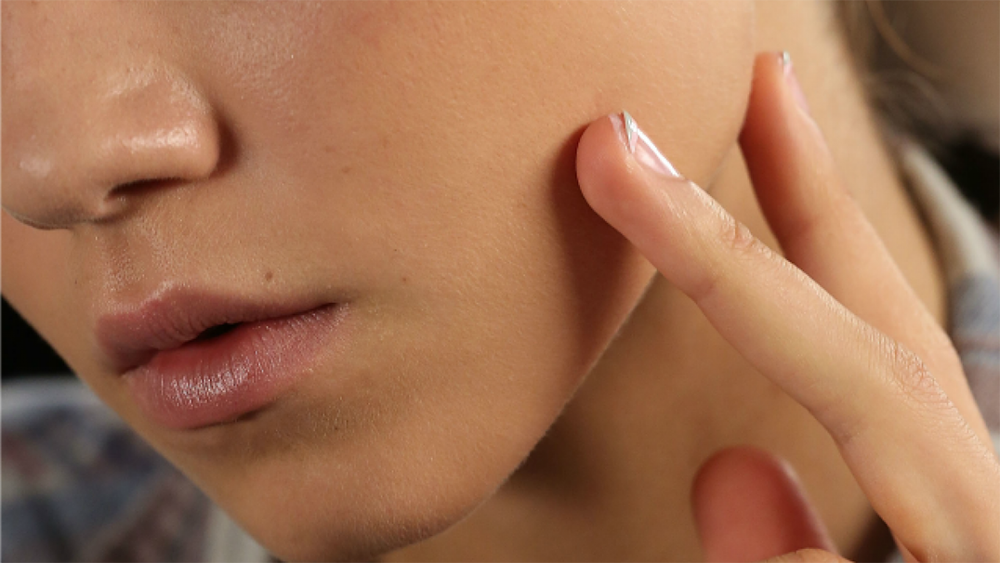
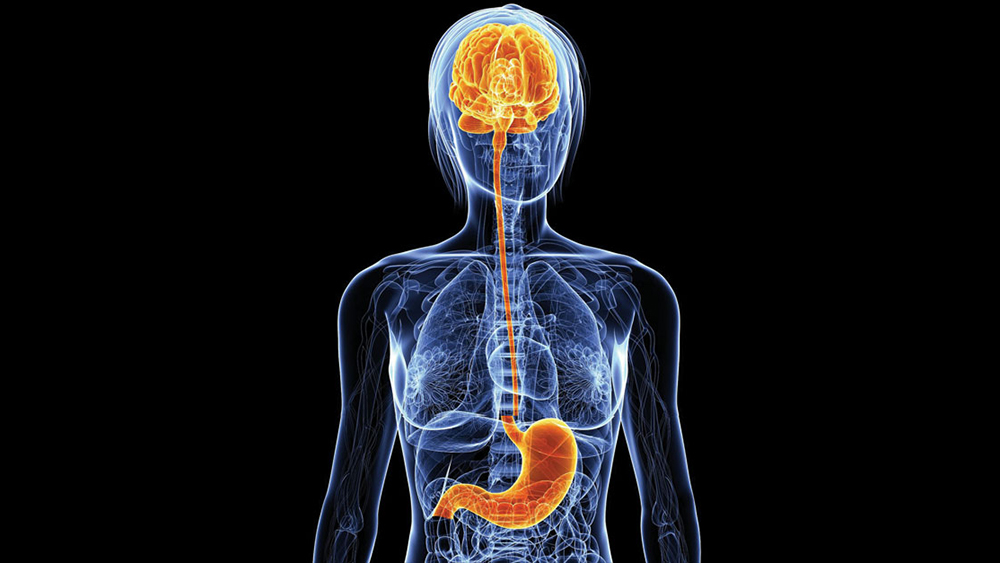
The relationship with the body is definitely central in adolescence, whether it is self- or hetero-aggression, or a conflicted relationship with food, or hypochondriac-type concerns, or pregnancy breakdowns. The body becomes a poster, a weapon, an enemy, the field of one’s battle. Psychiatrist and psychoanalyst Charmet points out how the sexually mature adolescent body, freed in our society from guilt, has moved from the ethical to the aesthetic realm. That is, become the object of expression, exhibition, and manipulation in an instrumental, eroticized, sometimes shameless manner. Just think of the many body “inscriptions” : pearcing, tattoos, spacers, etc.

What does the body tell us?

For example, what does the scratched, cut, “battered” body tell us about that form of self-directed aggression, which has become increasingly common and is classified under the name Cutting? Cutting can represent many things: a kind of rite of passage; the search for attention; the search for self-stimulation; the turning of aggression toward self; the search for a boundary of the bodily self. Those who cut themselves often have friends or classmates who do so, so they start doing it out of some sort of emulation or because they have learned about the phenomenon through the web, social networks and blogs. Needless to say, when one starts by imitation, the wounds are more superficial and in more accessible parts of the body, and the severity of the phenomenon can be considered reduced. These behaviors therefore may be related precisely to adolescence, supporting narcissistic fragility and serving the function of identity support or denoting, especially when associated with other situations (eating disorder, depression, etc.), more problematic and dangerous frameworks.

The cutter’s body seems to be a body experienced as external, an object and not a random object: the first available on which to discharge narcissistic anger and pain. A body experienced with a kind of affective dissociation from it, as if body and skin were at the center of a“split narcissistic game.”

The reasons for cutting

Cutting tends to regulate emotional states of anger, frustration, feelings of emptiness, and shame. For example frequently cutting represents an attempt to control the pain aroused by shame resulting from narcissistic trauma (even minor),an attempt to manage anger over mortifications. Again according to Charmet in fact, shame is a typically adolescent affection, very different from guilt. Guilt can be repaired by asking for forgiveness, atoning; shame cannot; it is corrosive to self-esteem, “denutrating the self.”

FEATURED SPECIALISTS

  • Profile picture of Dr. Domenico D'Angelo
    active 5 years, 7 months ago

    Otolaryngologists, Basic Doctors, Competent Doctor

    • Via Pola 5 - San Prisco
    phone
  • Profile picture of Dr. Monica Gamba
    active 5 years, 7 months ago

    Aesthetic Doctors, Plastic Surgeons, Basic Doctors

    • Viale Radich 21/N - Grugliasco
    phone
  • Profile picture of Dott. Sandro Morganti
    active 5 years, 7 months ago

    Orthopedists, Basic Doctors, Osteopaths

    • Via Foligno 6 - Roma
    phone
  • Profile picture of Dott.ssa OLGA PETROVSKAIA
    active 5 years, 7 months ago

    Pain therapists, Basic Doctors, Therapist

    • Via Giulio Romano 3 - Valle Martella
    phone
  • Profile picture of Dott.ssa Maria Grazia Caruana
    active 5 years, 7 months ago

    Aesthetic Doctors, Basic Doctors

    • Viale Prassilla 41 - Roma
    phone

RELATED ARTICLES

Alcohol consumption in adolescents

Families, schools and other institutions, no matter how much educational efforts they make in drawing behavioral lines and spreading a culture of prevention, fail to curb adolescent alcohol consumption.

Transient ischemic attacks

Transient ischemic attack, or transient ischemia, (TIA) is defined as an episode of neurological deficit caused by focal cerebral ischemia with complete recovery within 24 hours. On average, the duration

The family and the patient with bipolar disorder

Bipolar disorder not only disrupts the patient's life but also makes the lives of those around him difficult and sometimes painful. People affected by this disorder often have difficulty acknowledging their mental state to themselves.

Can glaucoma be prevented?

The most significant prevention of glaucoma lies in having an eye examination at the onset of the first complaints or specific symptoms of eye disease.

Psychosomatic itching

Itching can sometimes be psychosomatic in nature, caused by severe states of anxiety or stress. Psychosomatic itching is localized to a specific location on the body, not resulting from internal

RELATED PATHOLOGIES

Major depression

Major depression (or “major depressive disorder,” as stated in the “Statistical Diagnostic Manual of Mental Disorders – DSM 5”), is a mood disorder that is characterized by the presence of

Glaucoma

Glaucoma is a serious eye disease that can cause blindness, mainly due to increased pressure inside the eye that damages the optic nerve. The disease can occur at any age,

Uncontrolled eating disorder

Uncontrolled eating disorder is an eating behavior disorder that is characterized by an inability to control food intake, resulting in the more or less frequent repetition of binges similar to

Deep brain stimulation

The deep brain stimulation (Deep Brain Stimulation, DBS) is a neurosurgical method involving the implantation in the brain of electrodes which, appropriately positioned and activated by a pulse generator inserted

Shock, medical emergency

It may happen that the circulation of blood through the body undergoes a sudden change giving rise to a condition of physiological shock, with decreased flow and crisis on the

Jet lag

Jet-lag is a sleep disorder that affects those who travel by crossing at least 3-4 time zones, either westward or eastward, due mainly to the temporary failure of synchronization between

Trigeminal neuralgia

The trigeminal nerve is the fifth of the twelve pairs of cranial nerves in the head; it is the nerve responsible for providing sensation to the face. One trigeminal nerve

Mild cognitive decline

Mild cognitive impairment (MDI) is a form of decline in intellectual performance and ability to store and organize activities intermediate between the physiological decline in mental performance and responsiveness associated

Brain tumors

Brain tumors are rare cancers that can be primary, that is, originate in the brain, or form as secondary metastases of neoplasms in other organs, such as lung or breast

Spinal canal stenosis

Spinal canal stenosis consists of the narrowing of a section of the canal present along the entire spine (formed by the aligned succession of small holes in the center of

FEATURED SPECIALISTS

  • Profile picture of Dott.ssa Monica Calcagni
    active 5 years, 7 months ago

    Gynecologists, Aesthetic Doctors, Basic Doctors

    • Via Casilina 32 - Arce
    phone
  • Profile picture of Dott.ssa Cinzia Maria Zurra
    active 5 years, 7 months ago

    Basic Doctors, Aesthetic Doctors, Nutritionists

    • Viale Rimembranze 5 - Triuggio
    phone
  • Profile picture of Dott.ssa Erminia Maria Ferrari
    active 5 years, 7 months ago

    Homeopathic Medicine, Basic Doctors, Pediatricians

    • Via San Carlo 3 - Castel Rozzone
    phone
  • Profile picture of Dott. Domenico Napolitano
    active 5 years, 7 months ago

    Gynecologists, Basic Doctors, Aesthetic Doctors

    • Viale Orazio Flacco 5 - Bari
    phone
  • Profile picture of Dr. Virgilio De Bono
    active 5 years, 7 months ago

    Aesthetic Doctors, Basic Doctors, Dermatologists

    • Via Ripense 4 - Roma
    phone

prenota il tuo viedeoconsulto in convenzione

Completa il form e sarai contatto dal personale medico specializzato

your advertising
exclusively ON
MY SPECIAL DOCTOR

complete the form and you will be contacted by one of our managers