


of

Childhood obesity: two “household” risks

Obesit-infantile

Sitting for too long in front of a computer screen, TV, smartphone or tablet or playing playstation, especially with a high-calorie snack in hand, puts children and adolescents’ fitness and health at risk.

A conclusion that certainly is not surprising and could have been easily predicted even without doing an ad hoc study that comes from theEndocrine Society‘s congress, ENDO 2019, held in New Orleans, USA, March 23-26. But you know, science has to measure phenomena before it can state anything.

Thus, we now know “for sure” that the guys who maintain these habits, in spite of the invitations from parents to unplug and engage in more dynamic pastimes, they are exposed to a risk not inconsiderable to accumulate extra pounds and early development of metabolic syndrome, a condition given by the simultaneous presence of overweight (especially concentrated at the abdominal level), hypertension, hypercholesterolemia, and hyperglycemia/diabetes type 2 (the typical adult one, mostly resulting from an incorrect lifestyle).

In the research, which analyzed the usage habits of technological devices and lifestyle of nearly 34,000 Brazilian adolescents (average age 14.6 years), spending more than 6 hours a day sitting in front of a screen resulted in a 71 percent increased risk of metabolic syndrome compared to those who sat less.

Since metabolic syndrome is associated with a significantly increased risk of developing cardiovascular disease, and that problems on this front increase over time, it is crucial that parents who recognize excessively sedentary behaviors of their children, especially when associated with disordered and unhealthy eating, intervene immediately with appropriate measures to modify the lifestyle. Agreed: it is not easy, but it is important. And setting a good example helps.

A second, decidedly less obvious piece of news coming out of ENDO 2019 concerns the potential weight-shape implications for children, adolescents, and adults of exposure to chemical compounds that accumulate in indoor dust.

Based on analysis of dust collected by researchers at Duke University’s School of the Environment in Durham, U.S., in 194 North Carolina homes, about 70 percent of the 100 chemical compounds in the household dust would appear to be able to promote the development of adipocytes, which are the cells in which subcutaneous fat is deposited in the human body.

In essence, this means that the substances that accumulate in our homes may make us gain weight more easily. The finding, at present, has been obtained in cellular systems and should, therefore, be considered as basic biological information to be further investigated in complex organisms. However, this is a very interesting indication because it may suggest a non-food and external mechanism outside the body that can promote the development of overweight and obesity.

Source

Annual meeting of the Endocrine Society – ENDO 2019, March 23-26 New Orleans (USA):

  • https://www.endodaily.org/study-shows-increased-risk-of-obesity-tied-to-unhealthy-snacking-coupled-with-extensive-screen-time-in-teens/
  • https://www.endodaily.org/researchers-link-chemicals-in-household-dust-to-fat-cell-development/

FEATURED SPECIALISTS

  • Profile picture of Dr. Antonio Varriale
    active 5 years, 9 months ago

    Aesthetic Doctors, Dentists, Basic Doctors

    • Via Grotta dell Olmo 20 - Giugliano in Campania
    phone
  • Profile picture of Dott. Cristiano Crisafulli
    active 5 years, 9 months ago

    Diabetologist, Basic Doctors, Internist

    • Via Vittorio Emanuele II 181 - Acireale
    phone
  • Profile picture of Dott.ssa OLGA PETROVSKAIA
    active 5 years, 9 months ago

    Pain therapists, Basic Doctors, Therapist

    • Via Giulio Romano 3 - Valle Martella
    phone
  • Profile picture of Dott.ssa Francesca Vittorelli
    active 5 years, 9 months ago

    Therapist, Acupuncturists, Basic Doctors

    • Corso Andrea Palladio 134 - Vicenza
    phone
  • Profile picture of Dr. Tiziana Volpe
    active 5 years, 9 months ago

    Gynecologists, Basic Doctors, Professional Counselor

    • Piazzale Jonio 50 - Roma
    phone

RELATED ARTICLES

What are the vitamins used for?

Vitamins constitute a very heterogeneous group of substances; they do not provide calories, but are indispensable for the functioning of the body. At the point when vitamins are not taken

Dyslipidemia: dietary advice

Dyslipidemias have been classified according to the type of excess lipoprotein particles in the blood. We can distinguish hyperlipidemia with high cholesterol in LDL and normal triglyceridemia. Treatment of dyslipidemia

What is the intragastric balloon?

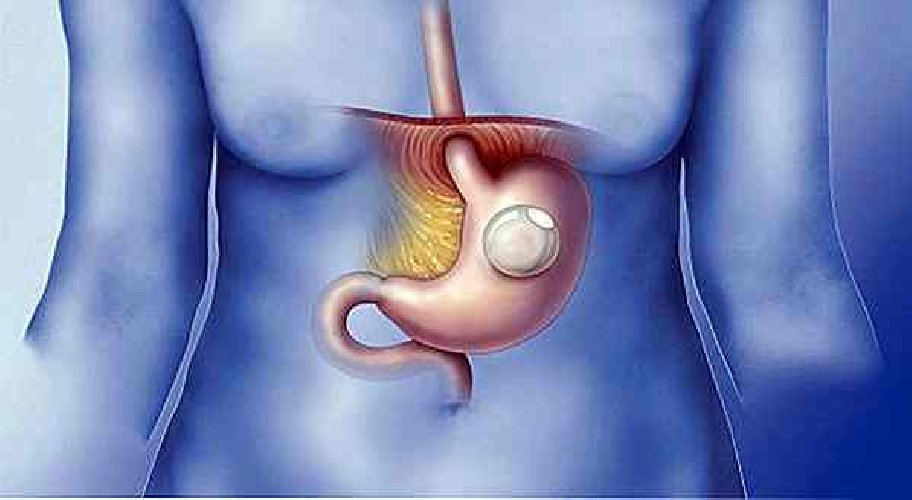
The intragastric balloon is inserted through endoscopic intervention into the stomach. It induces a partial filling of the stomach, causing the subject to feel full, which turns him or her

Food investigations

Assessment of an individual’s energy and nutrient intake plays a very important role in evaluating the state of nutrition. Taking food is considered a form of “behavior,” which can sometimes

Heartburn: how to treat it

Heartburn (heartburn) a medical condition that can be very uncomfortable and disabling, the sensation underlying the disorder is usually a burning sensation most often felt at the base of the sternum

Tea: an original and healthy gift idea

The most anticipated holiday of the year is approaching, and we often don’t know what to give our family members or friends. Giving a tea blend as a gift could

Coffee and Caffeine

What do we know about coffee, one of the most prevalent beverages in our daily diet? Do we know the positive effects on our body? And to what extent can we drink it without taking unnecessary risks to our bodies?

Functional gastrointestinal disorders

Medicine, accustomed as it is to conventions and classifications, distinguishes diseases into organic and functional. The former are those associated with actual damage: this is the case, for example, with

RELATED PATHOLOGIES

Pituitary tumor

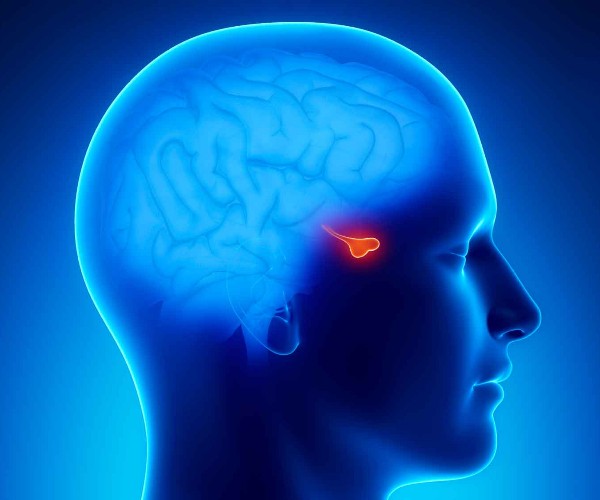
Tumors of the Hypophysis (or pituitary gland) are a group of predominantly benign neoplasms affecting a small structure located in the center of the brain, posterior to the root of

Tumors of the adrenal glands

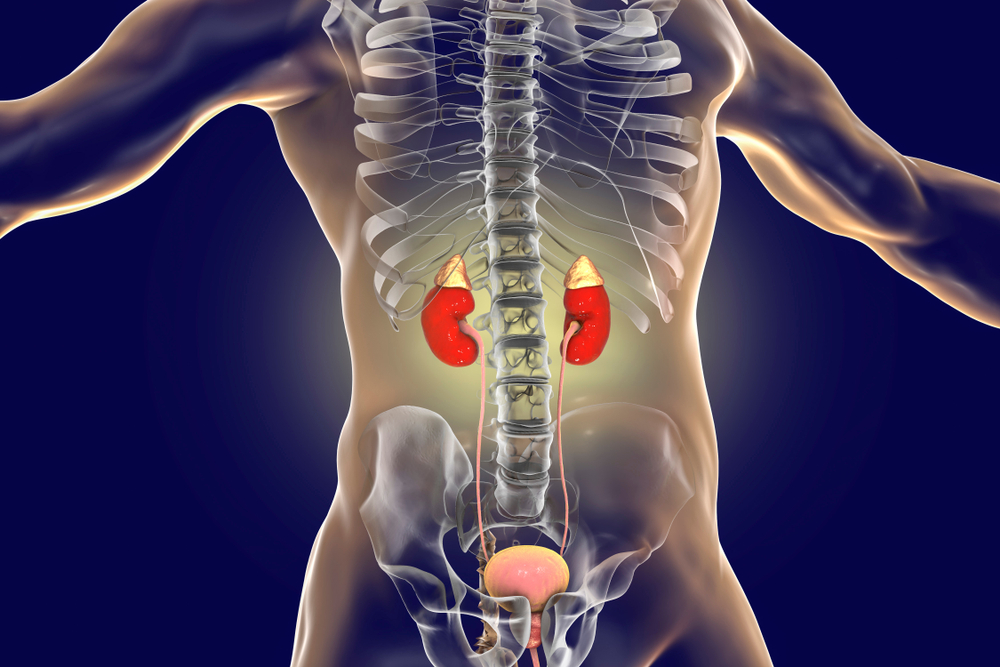
The adrenal glands (or adrenals) are two small triangular structures “resting” on the kidneys and responsible for the production of several hormones critical for metabolic and hydroelectrolyte balance and stress

Metabolic syndrome

Metabolic syndrome is not really a disease, but a complex condition defined by the simultaneous presence of known cardiovascular risk factors such as obesity (especially of the “central” type, i.e.,

Overweight and obesity

Far from being a mere cosmetic problem, overweight and obesity are an established risk factor for the development of number of metabolic (foremost among them diabetes), acute cardiovascular (such as

Hirsutism and virilization

Hirsutism is a condition that primarily affects women and consists of the growth of dark hairs in skin areas in which significant hair is normally present only in adult men,

Goiter thyroid volume

Goiter corresponds to the more or less bulky, protruding swelling that appears in the central anterior part of the neck mainly in people who are iodine-deficient for prolonged periods, due

Diabetic foot

Diabetic foot is a complex condition that develops as a complication of advanced uncontrolled diabetes and is the leading cause of nontraumatic amputation in the Western adult population. Very prevalent

Hyperprolactinemia

Hyperprolactinemia corresponds to a condition determined by the excessive production of the hormone prolactin by the pituitary gland (a small neuroendocrine gland found in the center of the brain that

Basedow’s disease

Basedow’s disease, also known as Basedow-Graves disease, is an autoimmune disease that affects the thyroid gland and results in the typical symptoms of hyperthyroidism, ophthalmopathy/exophthalmos, and dermopathy. Basedow’s disease can

Diabetes and hypoglycemic syndromes

Diabetes or, more precisely, “diabetes mellitus” is a complex metabolic disease in which there is an increase in blood glucose levels (hyperglycemia) resulting from insufficient insulin production by the Langerhans

FEATURED SPECIALISTS

  • Profile picture of Dr. Fabio Fabi
    active 5 years, 9 months ago

    Sports Doctors, Internist, Basic Doctors

    • Via Sarsina 147 - Roma
    phone
  • Profile picture of Dr. Virgilio De Bono
    active 5 years, 9 months ago

    Aesthetic Doctors, Basic Doctors, Dermatologists

    • Via Ripense 4 - Roma
    phone
  • Profile picture of Dott.ssa Izabella Sylwia Bartosiewicz
    active 5 years, 9 months ago

    Basic Doctors, Rheumatologists

    phone
  • Profile picture of Dr. Lucia Catalano
    active 5 years, 9 months ago

    Gynecologists, Senologists, Basic Doctors

    • Via Belluno 1 - Roma
    phone
  • Profile picture of Dott. Flavio Della Croce
    active 5 years, 9 months ago

    Psychotherapists, Basic Doctors

    • Via Sacconi 1 - Borgonovo Val Tidone
    phone

prenota il tuo viedeoconsulto in convenzione

Completa il form e sarai contatto dal personale medico specializzato

your advertising
exclusively ON
MY SPECIAL DOCTOR

complete the form and you will be contacted by one of our managers